3 DaysSolo Traveler6 Stops

Eastern Shore (Northampton, Accomack), Virginia

3-Day Itinerary for Solo Traveler

Tides, Ponies, and Salt Air: 3 Days Alone on Virginia's Eastern Shore

Tides, Ponies, and Salt Air: 3 Days Alone on Virginia's Eastern Shore

Out here the land runs thin between bay and ocean, and the pace slows to match the tide charts. This is a trip for the solo traveler who wants marsh grass instead of small talk, wild ponies instead of crowds, and enough quiet to actually hear the wind.

At a Glance

Climate & Weather
Spring on the Shore runs mild and unpredictable — expect 59–63°F days, cool mornings, and rain that can roll in fast off the water. Pack layers, a real rain jacket (not just a windbreaker), and sturdy shoes for sand and marsh boardwalks.
Getting Around
A car is essential — distances between clusters are 30-60+ minutes on Route 13 and connecting roads, and there's no public transit. Tangier Island is boat- or plane-only; leave your car in Onancock or Reedville depending on your ferry.
Budget
Budget roughly $70-110/day for a solo traveler — seafood dinners run $20-35, casual lunches $12-18, refuge/park entry fees are modest ($10-20), and the Tangier ferry round-trip runs about $30-35.
Safety
This is a low-crime, low-stress destination well-suited to solo travel, but the wildness is real: keep distance from wild ponies and horses (they bite and kick), never swim alone in unmonitored surf, and check tide and current conditions before any beach walk. Cell service can drop in refuge areas, so let someone know your rough plan for the day.
Connectivity
Cell coverage is decent in Chincoteague and mainland towns but spotty to nonexistent inside the wildlife refuge, on Assateague's beaches, and almost entirely absent on Tangier Island. Download maps and any tickets offline in advance.
Local Tips
Arrive at refuge overlooks by 7:30am for pony sightings and empty boardwalks — by mid-morning tour buses and school groups fill the loop. Restaurants here keep old-fashioned hours, often closing by 8-9pm, so plan dinner earlier than you might elsewhere. Bar seating at local seafood joints is genuinely the best way to strike up conversation with watermen and other travelers.

Highlights

  • Dawn pony-watching on the Wildlife Loop before the day-trippers arrive
  • Barefoot solitude on Assateague's undeveloped Atlantic beach
  • A boat crossing to time-locked Tangier Island
  • Fresh-caught crab and rockfish eaten slow, no rush, no reservations needed
  • Marsh light at golden hour that turns the whole horizon amber
  • Genuine solo-friendly quiet — nobody here is checking a clock

Day-by-Day Plan

Arrival & orientation

Day 1: Settling Into the Marsh: First Light with the Ponies

A gentle first day of about 3 miles of easy, flat walking centered entirely on Chincoteague, designed to ease into the Shore's unhurried rhythm.

Wear
Layers — a light base, a fleece or sweater, and a packable rain jacket; closed-toe shoes for boardwalks and sandy overlooks.
Budget
$65-85 (refuge entry, lunch, dinner, incidental snacks)
7:30 AM - 10:30 AM
Chincoteague NWR (wild ponies) · morning · 180 min · Chincoteague Island & Wildlife Refuge

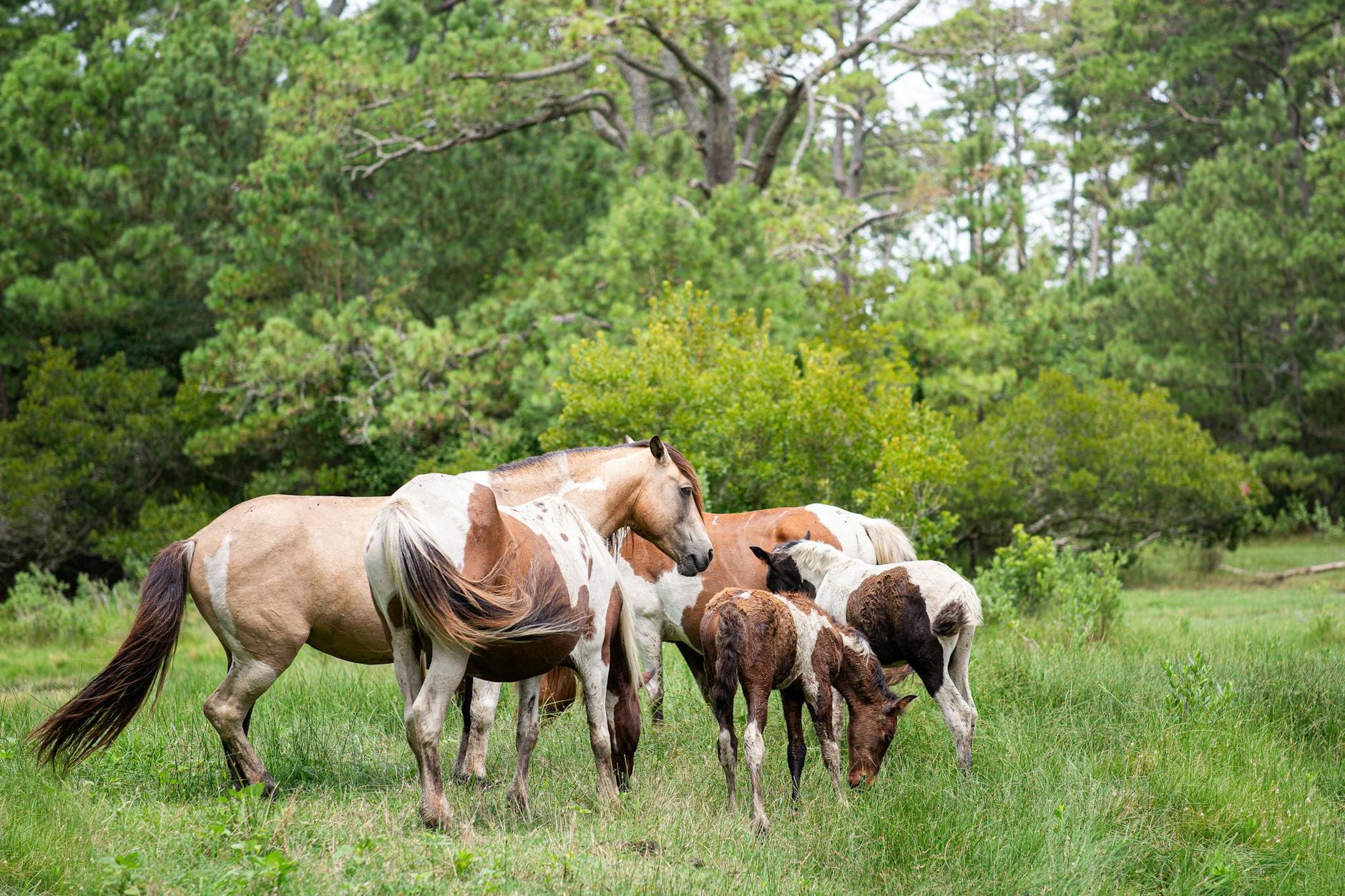
Arrive while the marsh is still holding its breath — mist lifting off freshwater ponds, the occasional distant whinny carrying across the grass. The Wildlife Loop Drive is nearly empty at this hour, and the ponies, if they're out, tend to be more active before the heat and crowds settle in. Solo travelers will appreciate the flat, well-benched paths that make it easy to linger at an overlook as long as you like without anyone waiting on you.

Chincoteague NWR (wild ponies)
Christy Rice / pexels (Pexels License)
Golden light around 7:30-8:30am on the Wildlife Loop overlooks makes ponies glow against the marsh grass — come back near sunset for a second, warmer light.
Wheelchair accessible with flat paths and benches roughly every 200 meters throughout the loop.
10 min walkA short stroll along the loop path, gulls circling overhead and the smell of salt marsh thick in the air.
10:30 AM - 12:00 PM
Chincoteague NWR (wild ponies) · midday · 90 min · Chincoteague Island & Wildlife Refuge

Shift toward the freshwater pond viewing platforms as the morning light flattens out — this is prime time for herons, egrets, and migratory birds working the shallows. It's a slower, more contemplative stretch of the visit, well suited to a solo traveler content to just sit on a bench and watch the water move.

Chincoteague NWR (wild ponies)
Christy Rice / pexels (Pexels License)
The pond platforms are best at midday for reflective water shots when the sun is high and the surface is glassy.
Same flat, wheelchair-friendly terrain as the morning loop.
Optional detour: Chincoteague Island maritime museum areaAfter the NWR visit and before dinner
A low-energy indoor stop to warm up if the spring wind turns sharp, and a good rainy-day fallback. Skip if: Skip if you'd rather spend the extra hour walking the town waterfront or resting before dinner — this is optional, not essential.
If it rains: If rain moves in, the refuge stays open and ponies are often more active in light rain — bring the rain jacket and keep exploring. In heavier rain, retreat to Chincoteague Island's indoor attractions (maritime museum, aquarium) for a few hours before trying the loop again later.

The day starts slow and deliberate — this is arrival day, and there's no reason to rush it. Get to the refuge early, before the loop fills with cars, and let the marsh do the work: ponies grazing in the tall grass, herons stalking the shallows, that particular hush that only exists at 7:30am somewhere wild.

After the pond platforms, ease off entirely. This is the one truly light stretch of the trip — wander Chincoteague's small waterfront, let your legs recover from the morning's walking, and simply acclimate to how quiet things get here once the tour buses clear out.

As evening settles, head toward the island's casual seafood spots for a first taste of the local catch — bar seating is your friend here, both for the ease of solo dining and the chance to hear watermen swap stories about the day's haul. Turn in early; tomorrow's beach walk rewards an early start.

Wilderness & solitude

Day 2: Wild Horses and Empty Sand: A Day on Assateague

A more active day of roughly 5 miles of beach and dune walking on Assateague's raw, undeveloped shoreline, best tackled at an unhurried pace.

Wear
Windproof layers, a hat that won't blow away, sunscreen even under cloud cover, and shoes you don't mind filling with sand.
Budget
$50-75 (park access, lunch, dinner)
25 min driveA short drive south with marsh giving way to dune grass — roll the windows down for the shift in air, saltier and wilder by the mile.
7:00 AM - 10:00 AM
Assateague Island · morning · 180 min · Assateague Island

This is the wild edge of the Shore — dunes rolling toward an Atlantic that feels genuinely untamed, wild horses sometimes visible as silhouettes against the early light. Arrive by 7am and the beach is essentially yours; by mid-morning even the quieter months bring a trickle of other visitors. Solo travelers should stick to marked areas and keep a respectful distance from any horses spotted along the dune line — they're unpredictable and unbothered by human schedules.

Assateague Island
Taylor, John W. (John Wesley) / wikimedia (Public domain)
Sunrise light on the beach, with wild horses as silhouettes against the dunes, is the single best photo opportunity of the trip — arrive before 7am for the softest color.
Terrain is flat but sandy and not wheelchair accessible; sturdy footwear recommended.
15 min walkA slow walk down the beach, waves setting the pace rather than a clock.
10:00 AM - 1:00 PM
Assateague Island · midday · 180 min · Assateague Island

Push further along the shoreline toward the lighthouse and dune crossings — this stretch rewards patience, with long views and few other people to share them with. It's a good place for a solo traveler to just sit with a book or camera for an hour; nothing here rushes you.

Assateague Island
Taylor, John W. (John Wesley) / wikimedia (Public domain)
The Assateague Lighthouse framed against the dune landscape works best in soft midday light with some cloud cover to diffuse the harsh sun.
Uneven, sandy terrain throughout; benches are sparse, so pace rest stops accordingly.
Optional detour: Assateague Lighthouse and interpretive centerBetween the morning beach walk and the midday dune crossing
A worthwhile pause with context on the island's ecology and history, and a built structure to break up the sensory sameness of dunes and water. Skip if: Skip if you're chasing maximum beach time or if weather has already pushed your schedule tight — the beach itself is the main event.
If it rains: If rain sets in, pivot to the Assateague Lighthouse and interpretive center, or drive back toward Chincoteague Island's indoor museums; the scenic loop drives also make for a decent low-visibility alternative from the car.

Today asks for an early start and a willingness to get sand in your shoes. The beach at dawn is close to empty, the light low and gold, and if the horses are out, they'll appear as quiet shapes moving along the dune line — watch from a respectful distance and let the moment stay wild.

As the sun climbs, the pace shifts from wildlife-watching to something more meditative — a long, slow walk down toward the lighthouse, no real destination pressure, just dunes and water and the occasional other traveler nodding hello. This is solo travel at its best: nobody to keep pace with but yourself.

Head back toward Chincoteague as the light fades for a proper seafood dinner — sit at the bar, order the local catch, and let the day's saltwater tiredness settle in. Early bedtime tonight; tomorrow's boat leaves on its own schedule, not yours.

Isolation & heritage

Day 3: Crossing to Tangier: A Day Outside of Time

A lighter-footed day of about 2 miles of walking, built entirely around the boat crossing to and exploration of remote Tangier Island.

Wear
Warm layers for the boat crossing (it's breezier on open water), comfortable walking shoes, and a rain jacket since Tangier has few indoor fallbacks.
Budget
$60-80 (ferry fare, lunch, dinner)
75 min ferryA mid-morning boat crossing from the mainland dock, salt spray on the rail and the receding shoreline making the isolation feel real before you've even landed.
10:00 AM - 1:00 PM
Tangier Island · morning · 180 min · Tangier Island

The crossing itself is part of the experience — open water, gulls trailing the boat, the mainland shrinking behind you until Tangier appears low and flat on the horizon. Once ashore, the island moves at its own unhurried pace: narrow lanes, golf carts more common than cars, and watermen's docks stacked with crab pots. Solo travelers tend to find this one of the most memorable stops precisely because it demands nothing — just wandering and watching island life continue as it has for generations.

Tangier Island
Pelletreau, William S. (William Smith), 1840-1918 / wikimedia (Public domain)
Working docks are most photogenic in early morning or late afternoon light, when the workboats and weathered houses catch warm, low sun — midday is flatter but still worthwhile for documentary-style shots.
Not wheelchair accessible; paths are flat but uneven in places, and benches are sparse across the island.
10 min walkA short walk from the docks into the heart of the island, gulls overhead and the smell of crab brine still thick in the air.
1:00 PM - 3:30 PM
Tangier Island · afternoon · 150 min · Tangier Island

Spend the afternoon slowing down further — a walk along the western shore toward sunset views over the Chesapeake, weathered houses leaning slightly with age, the whole island feeling like a held breath before the tide turns. There's a quiet solidarity among travelers who make the effort to come out here; strike up conversation at the dock or over lunch, since most people making this trip are drawn by the same sense of curiosity.

Tangier Island
Pelletreau, William S. (William Smith), 1840-1918 / wikimedia (Public domain)
The western shore at golden hour, just before the return ferry, offers the best sunset-over-bay shots of the whole trip — worth timing your walk accordingly.
Flat but uneven terrain; sparse seating, so pace accordingly if mobility is a concern.
Lunch
Lorraine's Seafood $$
Seafood · Near the Tangier Island docks
The island's classic waterman's-catch lunch spot — simple, fresh, and unpretentious, with crab dishes sourced straight from local boats.
If it rains: Most Tangier activity is outdoor and weather-dependent, so rain significantly limits the dock and waterfront experience; if it turns wet, seek out any sheltered community spaces or small home museums on the island, or simply extend time at Lorraine's Seafood over a slow lunch until conditions improve.

Today starts with a boat instead of a car — the crossing to Tangier is its own kind of meditation, open water on all sides and the mainland fading fast. Landing on the island feels like stepping into a different decade; golf carts hum along narrow lanes, and the docks are stacked with the tools of a working watermen's community.

After a relaxed lunch, the afternoon opens up for slow wandering — no itinerary pressure, just narrow lanes, weathered houses, and long views over the Chesapeake. This is the most solitary stretch of the whole trip, and intentionally so; let the island's stillness set the pace.

Time the return crossing to catch the light changing over the water, then head back to the mainland with the day's isolation still settling in. It's a fitting, quiet close to a trip built around distance from the ordinary — good for reflection, and an early night before departure.

Want to tweak this trip?

Our AI planner can customize this itinerary to your exact dates, interests, and travel style.

Customize This Itinerary
Good to Know

Restaurant details (hours, menus, availability) change frequently, especially in this seasonal, shoulder-season destination. Check current hours before visiting.

Dietary compatibility tags are general guidance. If you have severe allergies, confirm directly with the restaurant.

Travel tips are general guidance, not professional safety advice. Check government advisories and local conditions before swimming, boating, or approaching wildlife.

All prices are approximate and may vary seasonally.
We use cookies to improve your experience and analyze site usage. Essential cookies are always active. You can customize your preferences or accept all cookies. Cookie Policy