3 DaysSolo Traveler6 Stops

Eastern Shore (Northampton, Accomack), Virginia

3-Day Itinerary for Solo Traveler

Salt Wind & Wild Ponies: Three Days on Virginia's Eastern Shore

Salt Wind & Wild Ponies: Three Days on Virginia's Eastern Shore

Out here the land runs thin between bay and ocean, and the pace slows to match the tides. This is a place for solo travelers who want long, unhurried mornings with wild ponies, sunburnt afternoons on empty sand, and evenings where the loudest sound is a workboat engine puttering home.

At a Glance

Climate & Weather
Summer here runs warm to hot, 78–80°F, with high humidity and the occasional fast-moving thunderstorm. Pack breathable layers, a hat, reef-safe sunscreen, and a light rain shell—storms roll in quick off the water and clear just as fast.
Getting Around
A car is essential for Chincoteague and Assateague; distances are short but there's no public transit. Tangier Island has no cars for visitors—everyone walks, bikes, or golf-carts, and you'll need to book a ferry or small plane in advance to get there and back.
Budget
Budget roughly $60–100/day for a solo traveler covering seafood meals, refuge entry fees, and the Tangier ferry ticket. Lodging runs separately and varies by cluster.
Safety
This is a low-crime, low-stress destination, but solo travelers should still take standard precautions: tell someone your daily plan, especially before the Tangier ferry crossing. Never approach or feed wild ponies—they bite and kick. Check tide and current reports before wading or swimming, and avoid isolated beach stretches after dark.
Connectivity
Cell coverage is reliable on Chincoteague and reasonably good on the mainland, but expect weak or no signal once you're deep in the refuge or on Assateague's beaches. Tangier Island has limited, spotty service—treat it as a digital-detox day.
Local Tips
Arrive at the refuge gates right at opening in summer—by 9am the Wildlife Loop parking fills and ponies retreat from the heat into shaded marsh. Restaurants here keep old-fashioned hours, often closing mid-afternoon between lunch and dinner service, so plan meals around that gap. Solo diners will find the most conversation at counter seating in local seafood joints, where watermen and staff are happy to talk shop if you ask.

Highlights

  • Wild ponies grazing at dawn in Chincoteague NWR
  • Sunrise light over the marshes on Wildlife Loop Drive
  • Untamed beach walks on Assateague with almost no one around
  • A boat crossing to Tangier Island, a place stuck gently in time
  • Fresh-caught seafood at Lorraine's on Tangier
  • Golden hour at the Assateague Lighthouse
  • Quiet, screen-free hours that reset your internal clock

Day-by-Day Plan

Arrival & orientation

Day 1: Settling In: Ponies, Marsh Light, and a Slow Chincoteague Evening

A gentle first day easing into island time with an early wildlife refuge visit and a low-key evening on Chincoteague, roughly 3 miles of walking total.

Wear
Light breathable clothing, closed walking shoes for marsh paths, a wide-brim hat, and sunscreen—mornings can still carry a cool breeze off the water.
Budget
$70 (refuge entry, lunch, dinner, incidentals)
7:00 AM - 9:30 AM
Chincoteague NWR (wild ponies) · morning · 150 min · Chincoteague Island & Wildlife Refuge

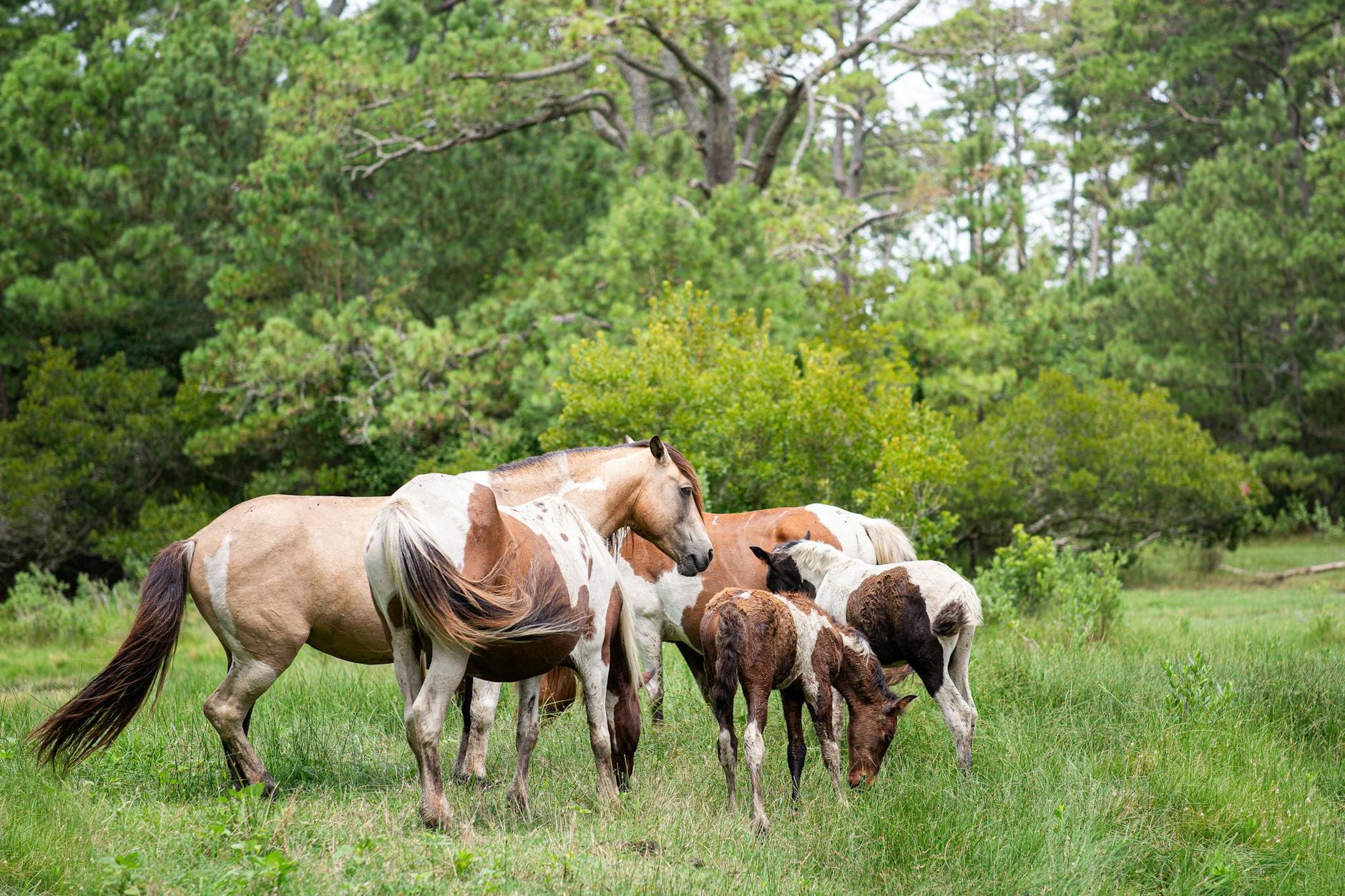
Arrive right at opening and the refuge is nearly yours alone—golden light lays flat across the marsh, and the ponies are often grazing close to the Wildlife Loop Drive before the heat pushes them into shade. Walk or bike the loop slowly; herons lift off the still ponds ahead of you, and the only sound is wind through cordgrass and the occasional pony snort. By 9am, cars start queuing at the gate, so this early window is the one worth protecting.

Chincoteague NWR (wild ponies)
Christy Rice / pexels (Pexels License)
Shoot from the overlooks along Wildlife Loop Drive just after sunrise, when low light silhouettes the ponies against the marsh grass.
Paths are flat, paved, and wheelchair-friendly, with benches roughly every 200 meters for rest stops.
10 min walkA short stroll along the loop road, ponies sometimes crossing just ahead of you
9:30 AM - 11:00 AM
Chincoteague NWR (wild ponies) · midday · 90 min · Chincoteague Island & Wildlife Refuge

Shift toward the freshwater pond viewing platforms near the visitor center, where the pace slows further—this is a good stretch for solo travelers to linger, journal, or chat with fellow early risers comparing pony sightings. The heat starts climbing here, so treat this as your wind-down before retreating indoors for lunch.

Chincoteague NWR (wild ponies)
Christy Rice / pexels (Pexels License)
Midday light is harsh on open marsh—use the platform's tree cover for softer portrait shots of the wetlands.
Viewing platforms are flat and wheelchair accessible.
Optional detour: Chincoteague Island maritime museum/aquarium (rain backup option)After the refuge visit, before evening rest
A good low-energy indoor option if the afternoon heat or a pop-up storm makes you want shade and air conditioning. Skip if: Skip if you'd rather nap, swim, or simply enjoy unstructured downtime after an early wake-up.
If it rains: If it rains, the refuge stays open and ponies are often more active in light rain—duration is fine. In heavier rain, retreat to Chincoteague Island's indoor maritime museum or aquarium for a dry, low-key alternative.

You'll want to be at the refuge gate before it fully wakes up—arrive by 7am and the Wildlife Loop feels like private property, mist still clinging to the marsh and ponies moving unhurried through waist-high grass. The light here is soft and low, herons stalking the shallows, the whole scene humming with a stillness that's hard to find once the parking lot fills.

As the sun climbs and the heat thickens, the pace naturally drops—this is the moment to retreat toward the pond platforms near the visitor center, where shade and benches invite you to slow down and simply watch. It's an easy, low-effort stretch, ideal for settling into the unhurried rhythm this place runs on before the day's heat peaks.

With no rush and no plans, let the evening on Chincoteague Island be about resetting—an early dinner, a walk toward the water as the light goes amber, and an early night to bank rest for the more active days ahead. This is the quietest evening of the trip, and it's meant to be.

Beach wilderness

Day 2: Wild Shoreline: A Full Day on Assateague

A longer, moderate-energy day exploring Assateague's untamed beaches and dune trails, with roughly 5 miles of walking across sand and boardwalk.

Wear
Swimwear under quick-dry clothing, sandals or water shoes, a rash guard or long sleeve for sun protection, and a dry bag for valuables near the water.
Budget
$65 (beach day snacks, lunch, dinner, possible bike or kayak rental)
20 min driveA short causeway drive with marsh opening up on both sides as the road narrows toward the island
6:30 AM - 9:30 AM
Assateague Island · morning · 180 min · Assateague Island

Come at first light and the beach belongs to you and, if you're lucky, a band of wild horses moving along the dune line against a sun-streaked horizon. The Atlantic here feels wilder and more raw than Chincoteague's managed marshes—waves crash steadily, salt spray carries on the wind, and the sand is still cool underfoot. This is prime solitude time; by mid-morning, summer crowds start filtering in, especially on weekends.

Assateague Island
Taylor, John W. (John Wesley) / wikimedia (Public domain)
Shoot the horses near sunrise when low light rims their silhouettes against the dunes—this is the single best photo window of the whole trip.
Paths to the beach are flat but sandy in places; wheelchair access is limited compared to Chincoteague's paved refuge loop.
15 min driveSame causeway drive back onto the island, sun now high and marsh grasses shimmering with heat
1:00 PM - 4:00 PM
Assateague Island · afternoon · 180 min · Assateague Island

After a long lunch break to escape peak sun, return to the island for open beach time—swim if conditions allow (check current postings first), read, or simply walk the shoreline toward the lighthouse silhouette in the distance. This is the day's true 'afternoon free' block, built for solo unwinding rather than sightseeing.

Assateague Island
Taylor, John W. (John Wesley) / wikimedia (Public domain)
The Assateague Lighthouse against the dune landscape photographs best in the late-afternoon light, around 5-6pm if you stay through early evening.
Beach terrain is uneven and not reliably wheelchair accessible; benches are sparse, so bring your own seating if needed.
Optional detour: Assateague Lighthouse and interpretive centerAfter the morning beach walk and before the afternoon return to the shore
A shaded, low-energy midday option that doubles as your rain backup and offers context on the island's maritime history. Skip if: Skip if you'd rather maximize beach time and don't need a break from the sun—there's no shortage of open sand to fill the hours instead.
If it rains: If weather turns, head to the Assateague Lighthouse and its interpretive center, or drive the scenic loops on Chincoteague Island instead—both keep you dry while staying within the day's geographic footprint.

The island feels genuinely wild at this hour—horses move along the dunes in loose, unhurried herds, and the ocean sound is louder and rawer than anything on Chincoteague's sheltered marsh side. Solo travelers will find this the most rewarding stretch of the whole trip: no crowds, no noise, just wind, waves, and the occasional distant silhouette of a horse against the rising sun.

Midday heat pushes everyone off the sand for a while, so use the lull for lunch and shade before returning for a longer, looser afternoon on the beach—swimming if conditions are calm, walking the shoreline, or simply lying back and watching gulls wheel overhead. It's the most physically active day of the trip, but the pace stays easy and self-directed throughout.

As the light turns gold, the lighthouse becomes the natural anchor for the evening—walk toward it, watch the color shift over the dunes, then head back into Chincoteague for a relaxed dinner and an early night before tomorrow's boat crossing to Tangier.

Isolated island culture

Day 3: Crossing Over: A Day on Tangier Island

A slower, low-energy day centered on a boat crossing to Tangier Island, with light walking (around 2 miles) through docks and waterfront lanes.

Wear
Light layers for the boat crossing (it's breezy on the water), comfortable walking shoes for uneven docks, and a hat—shade is limited on the island.
Budget
$75 (ferry ticket, lunch and dinner at Lorraine's or similar, incidentals)
90 min ferryA working boat crossing the Chesapeake, spray on your face and Chincoteague shrinking behind you
9:00 AM - 12:00 PM
Tangier Island · morning · 180 min · Tangier Island

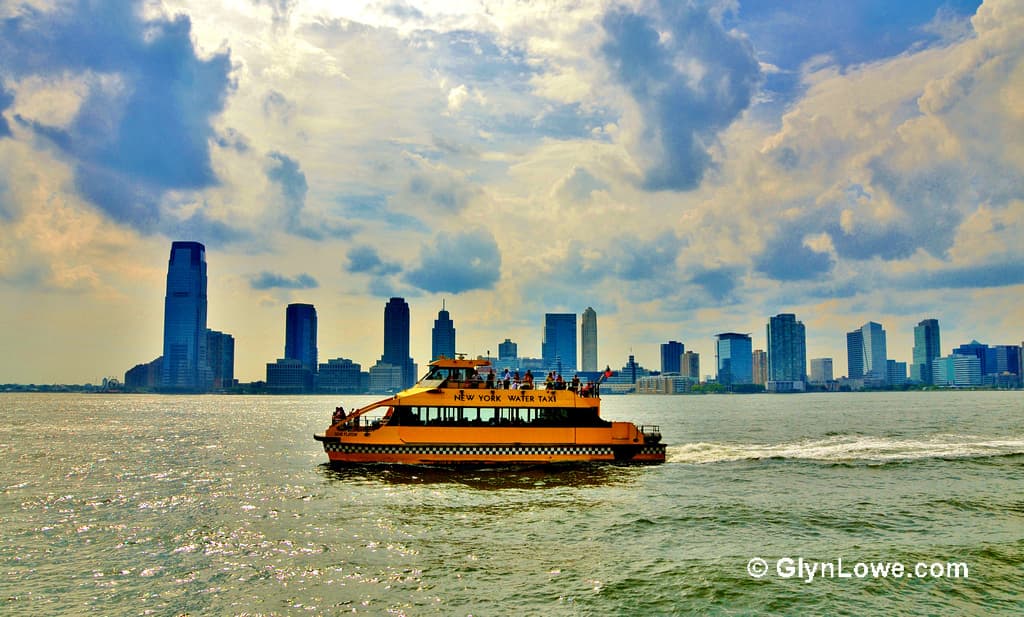
The crossing itself is part of the experience—open water, gulls trailing the boat, and the slow reveal of Tangier's low silhouette on the horizon. Once ashore, the pace drops immediately: golf carts and bikes replace cars, weathered houses lean companionably along narrow lanes, and the smell of crab brine hangs in the salt air. This is a good island for striking up conversation—locals and fellow travelers alike tend to be curious and unhurried, and solo visitors often find themselves chatting at the docks or over lunch.

Tangier Island
Pelletreau, William S. (William Smith), 1840-1918 / wikimedia (Public domain)
Working docks photograph best in the morning light, workboats bobbing at anchor with color and texture at their sharpest before midday haze sets in.
Island terrain is flat but unpaved in places; wheelchair access is limited and benches are sparse—pace yourself accordingly.
5 min walkA short stroll along the waterfront lane, sun now high over the bay
12:30 PM - 2:30 PM
Tangier Island · afternoon · 120 min · Tangier Island

Spend the afternoon wandering the waterfront at a deliberately slow pace—this island rewards patience rather than ticking off sights. Watch workboats come and go, talk to a waterman if one's willing, and let the isolation sink in; there's a quiet, almost melancholy beauty to a place facing an uncertain future from rising water. Solo travelers should note the return ferry schedule closely, as missing it means an unplanned overnight.

Tangier Island
Pelletreau, William S. (William Smith), 1840-1918 / wikimedia (Public domain)
Save the western shore for your return trip if timing allows—sunset over the Chesapeake from there is one of the best photo opportunities on the whole itinerary, though most ferries depart before dusk.
Paths are flat but sandy or uneven in spots; not reliably wheelchair accessible.
Lunch
Lorraine's Seafood $
seafood · Near Tangier Island waterfront
A no-frills, locally run spot serving the day's catch simply prepared—about as authentic a Tangier meal as you'll find, and a natural spot to chat with other travelers or islanders at a shared table.
Optional detour: Tangier Island home museums or sheltered community spacesAfter lunch at Lorraine's and before the return ferry
A good rain-day fallback or quiet cultural stop if you want more context on watermen heritage beyond the docks. Skip if: Skip if you'd rather spend every remaining hour outdoors soaking in the waterfront atmosphere before the ferry departs.
If it rains: Rain significantly limits dock and waterfront wandering here—if it turns wet, seek out any sheltered community spaces or home museums on the island, and keep expectations modest since most of Tangier's appeal is outdoor and weather-dependent.

The ferry crossing sets the tone for the whole day—90 minutes of open water, wind, and the slow approach of an island that still runs on its own clock. Stepping onto Tangier feels like stepping back decades: no cars, narrow lanes, and a stillness broken only by gulls and the creak of docks underfoot.

Lunch at Lorraine's Seafood is the natural centerpiece of the day, unpretentious and fresh, best enjoyed at a shared table where conversation flows easily among solo travelers and locals alike. Afterward, there's little to do but wander—watch the workboats, talk to a waterman, and let the island's isolation settle in before the ferry schedule pulls you back toward the mainland.

Time the return crossing carefully, since missing the last boat means an unplanned night on an island with limited lodging—once back on Chincoteague, ease into a final, quiet dinner and reflect on three days that moved at exactly the pace the Eastern Shore intends.

Want to tweak this trip?

Our AI planner can customize this itinerary to your exact dates, interests, and travel style.

Customize This Itinerary
Good to Know

Restaurant details (hours, menus, availability) change frequently. Check current hours before visiting, especially in seasonal destinations.

Dietary compatibility tags are general guidance. If you have severe allergies, confirm directly with the restaurant.

Travel tips are general guidance, not professional safety advice. Check government advisories for latest information.

All prices are approximate and may vary seasonally.
We use cookies to improve your experience and analyze site usage. Essential cookies are always active. You can customize your preferences or accept all cookies. Cookie Policy