North Cascades NP (Diablo Lake, Ross Lake), Washington
3-Day Itinerary for Couples
“Turquoise & Granite: A Slow Alpine Escape in the North Cascades”
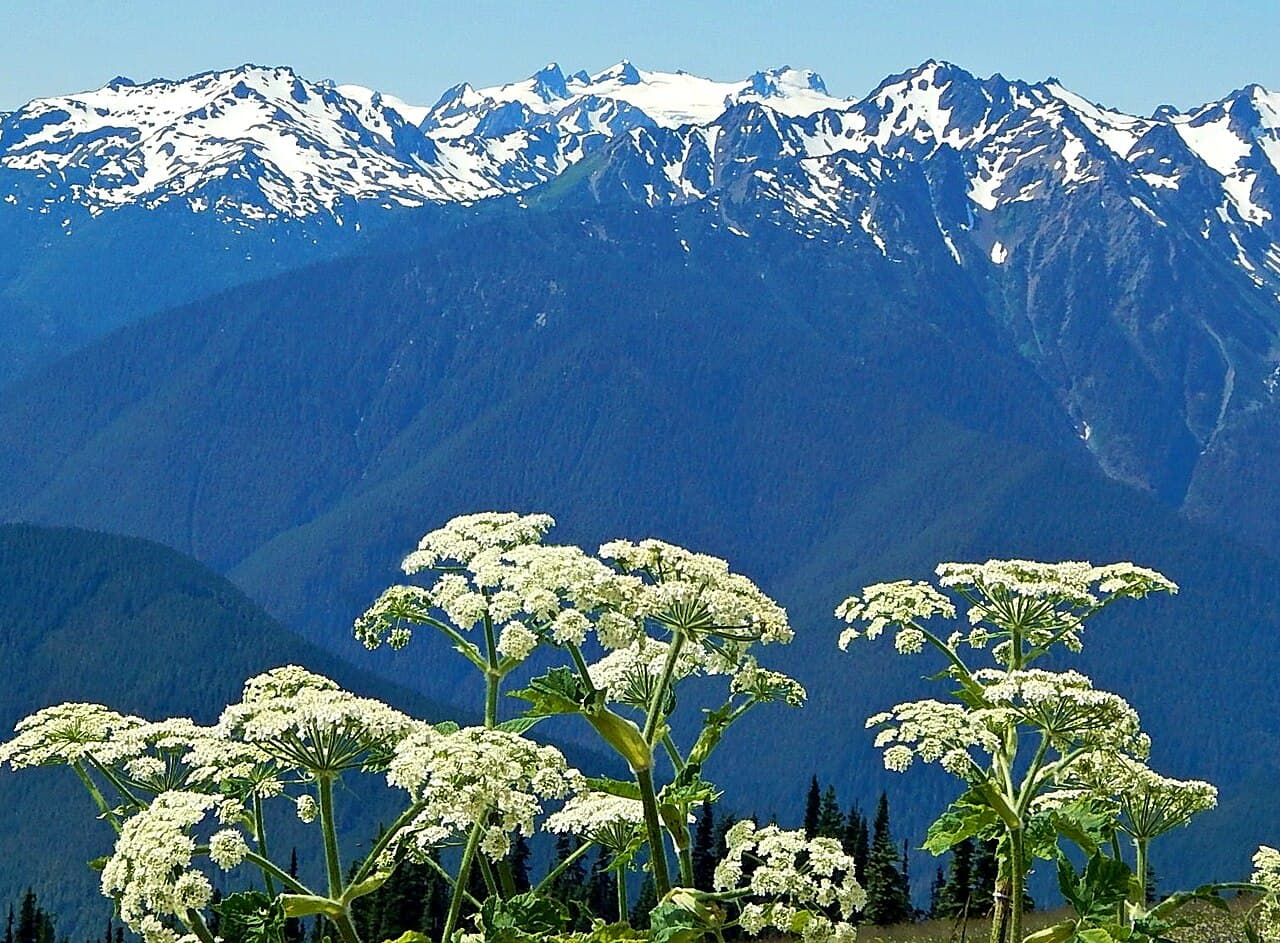
Turquoise water arrives like a rumor you didn't believe until you saw it — glacial silt turning entire lakes the color of sea glass beneath granite peaks still streaked with snow. This is a three-day slow unfolding of that color, paced for two people who want to linger rather than conquer, with rain jackets packed and no agenda past awe.
At a Glance
Highlights
- Diablo Lake's impossible turquoise at first light
- Ross Lake Overlook's hushed, conifer-framed silence
- Washington Pass at 5,477 feet with Cascades unfurling in every direction
- Wildflower meadows just beginning to bloom on lower trail sections
- Golden-hour alpenglow on granite walls the color of weathered bone
- Intimate, low-crowd shoulder-season pacing built for two
- Photography-forward stops with early-arrival advantages baked in
Day-by-Day Plan
Day 1: Arrival & the First Turquoise Light
A light arrival day centered on two easy, high-reward overlooks in the Diablo Lake Corridor — under 1 mile of walking total, low exertion, high romance.
After the drive in from Concrete or Marblemount, this is the soft landing — a short, flat walk to a railing where the lake below seems almost lit from within, an impossible turquoise born of glacial silt suspended in meltwater. Arrive before 11am if you can; by early afternoon the pullout fills with day-trippers and the hush breaks. For a couple settling into the trip's rhythm, this is the moment to simply stand at the railing, coffee in hand, and let the scale of the place sink in.
A short, easy stop that trades Diablo's grandeur for something quieter and more intimate — conifers framing another slice of that same impossible turquoise, with far fewer visitors even in season. The guardrail is cold under your palms, the air smells of wet cedar, and the silence here feels earned rather than staged. A good spot for a slow, unhurried pause before the day winds down.

The day begins gently, easing into the park rather than charging at it. The drive along WA-20 delivers the first glimpse of Diablo Lake's color through the trees — a color so saturated it looks retouched — before the short paved path leads to the overlook itself. There's no exertion required here, just the quiet astonishment of glacial water and the distant hush of the dam.
With the morning's showpiece behind you, the pace slows further at Ross Lake Overlook — a smaller, more secluded pocket of the same turquoise magic, tucked behind a curtain of conifers. This is a good afternoon for lingering: no rush, no itinerary pressure, just adjusting to mountain air and letting jet lag or road fatigue settle.
With no formal dining options mapped inside the park itself, plan your evening meal around whichever gateway town you're based in — Concrete, Marblemount, or Sedro-Woolley all offer basic but serviceable options for a relaxed first-night dinner. Save the splurge dinner for a later evening when you're closer to a wider selection; tonight is about rest, quiet conversation, and an early bedtime before more demanding days ahead.
Day 2: Into the High Alpine
The trip's most physically demanding day — a full alpine hike in the Cascade Pass & Skagit Valley cluster, roughly 5-7 miles depending on trail choice, moderate-to-intense energy.
A gentler warm-up before anything more strenuous — a moss-draped riverside walk where waterfalls appear every few hundred yards and old-growth cedars lean over pools like they're listening. Arrive before 9am and the trail is nearly silent, just the percussion of the river and filtered green light. It's an intimate, unhurried walk, well-suited to a couple easing into the day's bigger effort ahead.
The day's centerpiece — a 7.4-mile alpine loop climbing through wildflower meadows just beginning to bloom in spring, with turquoise lakes glinting far below and marmots whistling from the talus. The exertion is real, but so is the reward: 360-degree views that make the climb feel earned rather than endured. Spring conditions may mean lingering snow patches near the pass — check current trail reports and be ready to turn back if visibility drops. This is a hike best shared, both of you catching your breath at the same overlook.

The morning opens softly along the Skykomish River Trail, a mossy, waterfall-strewn warm-up that asks little of tired legs while easing you into the valley's rhythm. Cedar-scented air and the steady rush of water set a meditative tone before the day's real climb begins.
The pace shifts dramatically at Maple Pass Loop, where switchbacks climb through blooming meadows toward exposed ridgelines and views that stretch across the entire range. This is the trip's physical peak — plan for real exertion, frequent rest stops, and a shared sense of accomplishment at the top. Watch the sky; alpine weather can turn quickly even in spring.
With no dining options mapped directly to this remote cluster, plan to return to your gateway town base for dinner — pack out with tired legs and an appetite well earned by the day's climbing. A quiet, unhurried meal and an early night will serve you well before tomorrow's final scenic day.
Day 3: The Pass at the Edge of the Sky
A lighter, drive-and-view day at Washington Pass — under 1 mile of walking, low-to-moderate energy, designed as a graceful, romantic sendoff.
Standing at 5,477 feet, the Cascades finally show their full, jagged character — turquoise water glinting 3,000 feet below, granite walls the color of weathered bone, wind funneling through with an electric hush. Arrive by 9am and the overlook is nearly empty; by midday it fills with the highway's steady summer-adjacent traffic. This is the trip's quiet grand finale — a place built for standing close together and saying very little.
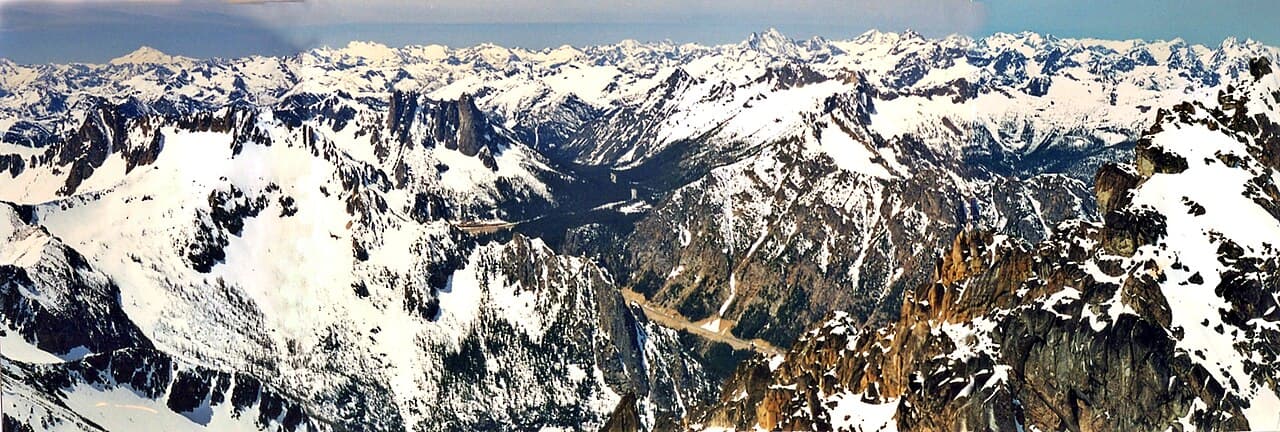
The final morning climbs east along WA-20 toward Washington Pass, the road itself part of the experience — forest falling away to reveal increasingly dramatic granite walls. At the overlook, the wind is sharp and the view enormous; this is the kind of place that asks you to simply stand still and take it in together.
With the pass as the day's single substantial stop, the afternoon opens up for a slow, scenic drive back toward the gateway towns — windows down where weather allows, no rush, just the lingering afterglow of three days spent inside genuinely wild terrain.
For a fitting close to the trip, aim for the most upscale dinner option available in your gateway town base — this is the trip's designated splurge evening. Confirm reservations ahead if possible, and toast to three days of turquoise lakes and granite skylines before the drive back toward Seattle.
Want to tweak this trip?
Our AI planner can customize this itinerary to your exact dates, interests, and travel style.
Customize This ItineraryRestaurant and dining details for this remote region change frequently and options are limited — confirm current hours and availability before relying on any single venue, and consider packing meals as a backup.
Dietary compatibility information was not available for this remote region's dining options; confirm directly with any restaurant regarding allergies or restrictions.
Travel and trail safety tips here are general guidance, not professional advice — check current NPS conditions, closures, and weather forecasts before any hike, especially at elevation.
All prices are approximate estimates and may vary seasonally; spring shoulder-season pricing and availability can shift quickly.
Attractions in This Itinerary
More Itineraries for North Cascades NP (Diablo Lake, Ross Lake)
Explore Washington