North Cascades NP (Diablo Lake, Ross Lake), Washington
3-Day Itinerary for Active Retirees
“Turquoise Water, Thin Air: Three Gentle Days in the North Cascades”
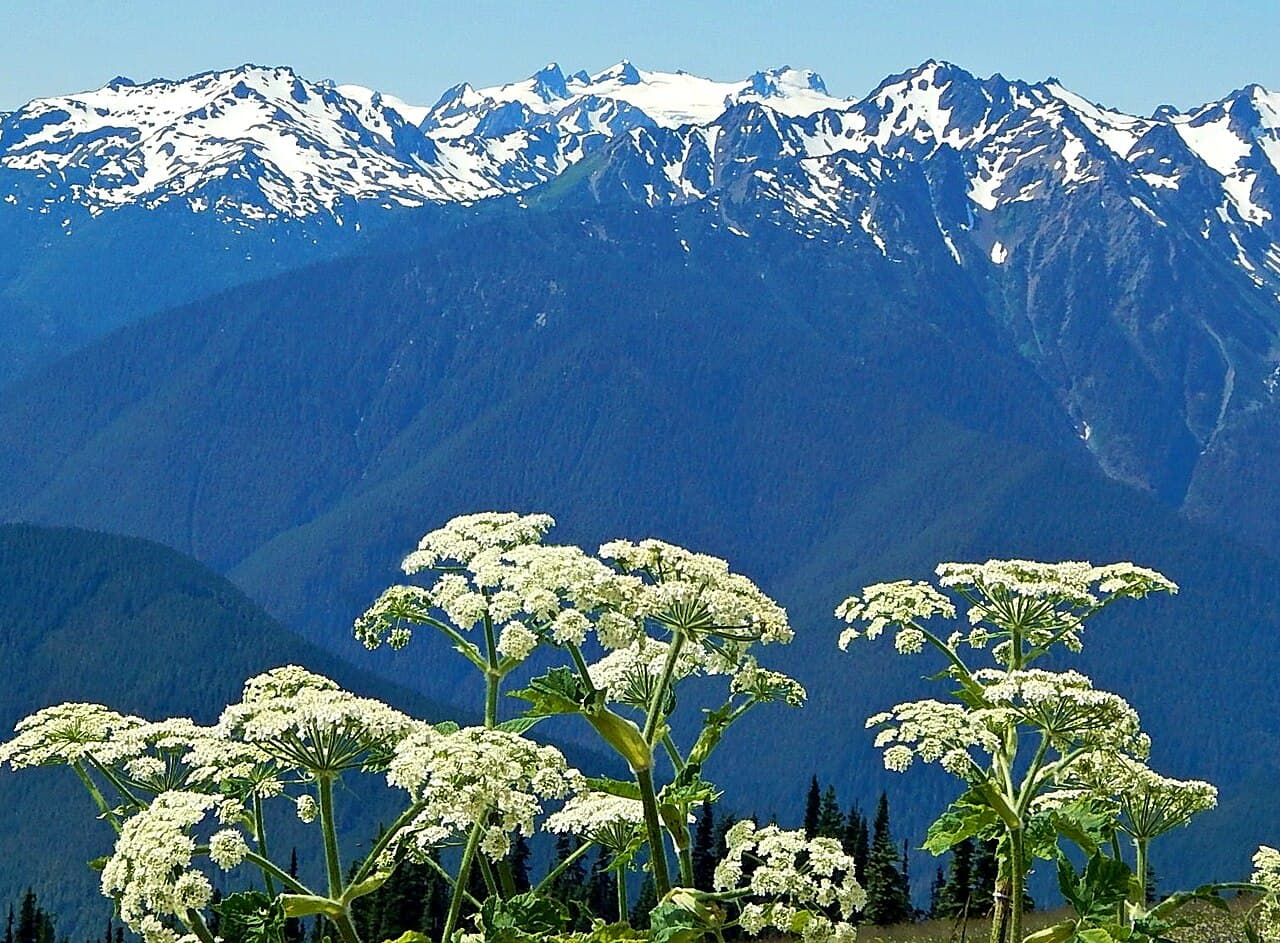
Here the water doesn't just reflect the mountains — it glows, an impossible turquoise fed by glacial silt that makes you stop mid-sentence. This is a park best met slowly: from overlooks with benches, at the pace of a held breath and a camera lens, with the fall air sharp enough to feel in your chest.
At a Glance
Highlights
- The unreal turquoise of Diablo Lake at first light
- Ross Lake's mirror-still water framed by conifer
- Washington Pass's 5,477-foot theater of granite peaks
- Fall larch and vine maple color along the highway corridor
- Wheelchair-accessible overlooks with frequent benches
- Thinning crowds and cool, clear autumn air
- Quiet mornings with the mountains nearly to yourselves
Day-by-Day Plan
Day 1: Arrival & First Light on Diablo Lake
A soft-paced first day with two short, wheelchair-accessible overlooks and under a mile of total walking to ease into the altitude and scenery.
Your first sight of that impossible turquoise will genuinely stop conversation — the glacial silt turns the water an almost neon blue-green under morning light. Benches line the overlook, so there's no rush; settle in, breathe the cold pine-scented air, and let the scale of the place sink in before you do anything else.
A short, easy drive brings you to a second, quieter overlook where conifers frame another sheet of turquoise water. It's a gentler, less crowded cousin to Diablo — a good spot for a slow, unhurried look and a few photos without jostling for space.

Ease into the park with a short, unhurried visit to the Diablo Lake Overlook. Arrive by 9am and you'll likely have the railing to yourselves, the turquoise water glowing under thin morning light, cold air biting pleasantly at your cheeks. There's no trail to conquer here — just a paved platform, a bench, and one of the most striking views in the Cascades.
A short scenic drive delivers you to the Ross Lake Overlook, a quieter, less-visited counterpart to the morning's stop. The pace stays gentle — pull off, look, breathe, photograph, and move on whenever you're ready. With no strenuous walking today, energy stays comfortably in reserve for the days ahead.
With dining options scarce inside the park, plan to have picked up supplies in Concrete or Marblemount beforehand — a simple picnic dinner at your lodging, watching the light fade early behind the peaks, is the right note to end a gentle first day on. Settle in early; the shorter fall days call for an early wind-down.
Day 2: Washington Pass and the High Country
A day built around the dramatic Washington Pass corridor, with easy roadside viewpoints rather than strenuous hiking, totaling under a mile of walking.
Standing at 5,477 feet, the Cascades show their rawest side — granite walls the color of weathered bone, thin cold air, and views plunging 3,000 feet to turquoise water below. This isn't a hike, just a short walk from the parking area to the overlook, but the payoff is enormous. In fall, look for gold larches threading through the darker conifers on the surrounding slopes.
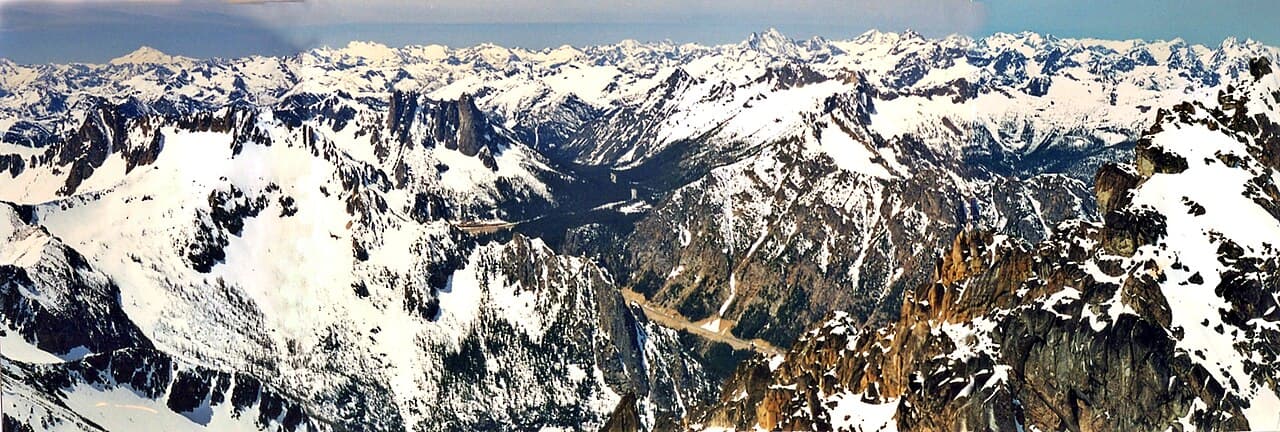
The drive east on WA-20 climbs steadily into the high country, the road itself becoming part of the experience as forest gives way to exposed granite and thinning air. At Washington Pass, take your time at the overlook — there's no need to hurry the view of Diablo Lake glimmering far below or the jagged skyline stretching in every direction. Arrive before 10am for the clearest air and thinnest crowds.
With the morning's big view behind you, the afternoon is intentionally light — a slow return drive back toward Diablo Lake corridor, stopping wherever fall color or a pullout catches your eye. This is a day to let the scenery do the work rather than your legs.
Back at your lodging in Concrete, Marblemount, or Sedro-Woolley, a relaxed dinner and early evening await — the shortened fall daylight means dusk arrives quickly, so plan to be settled well before dark. Reflect on the day's dramatic views over a simple meal from packed supplies or whatever basic services your gateway town offers.
Day 3: Slow Farewell Along the Water
A relaxed final day revisiting the Diablo Lake Corridor at a different time of day, with light walking and generous time for lingering before departure.
One more look at that turquoise water, this time with the different angle of morning light and perhaps a fresh dusting of fall color on the surrounding slopes. It's worth the return visit — the lake's color shifts subtly with light and season, and an early arrival means a near-empty overlook to savor before the drive home.
A final, unhurried stop before heading out of the park — quieter than Diablo, with conifers framing the water and a good chance of having the pullout entirely to yourselves this late in the season. A fitting, calm close to three days spent mostly looking rather than striving.
A last visit to Diablo Lake Overlook rounds out the trip gently — arrive early, find your spot on a bench, and let the view sink in one more time without agenda. The cold morning air and quiet make it feel like a private farewell to the lake.
A short final stop at Ross Lake Overlook offers one more unhurried pause before you begin the drive out of the park toward Concrete, Marblemount, or onward to Seattle-Tacoma International Airport. There's no rush built into this day — just space to look, breathe, and let the mountains have the last word.
Depending on flight or travel timing, plan a simple early dinner in Concrete, Marblemount, or Sedro-Woolley as you transition out of the park corridor, since services vanish quickly once you're back on the highway toward the airport. Let the fading fall light over the valley be your last view of the North Cascades.
Want to tweak this trip?
Our AI planner can customize this itinerary to your exact dates, interests, and travel style.
Customize This ItineraryRestaurant and service details for gateway towns change frequently and are extremely limited near the park itself; confirm hours before relying on any specific business, and pack backup food.
Dietary accommodations are minimal in this remote area — bring your own supplies if you have specific dietary needs.
Travel tips are general guidance, not professional safety advice. Check current road and weather conditions with the National Park Service before your trip, especially for Washington Pass in fall.
All prices are approximate and may vary seasonally; fuel and supply costs can be higher in gateway towns due to remoteness.
Attractions in This Itinerary
More Itineraries for North Cascades NP (Diablo Lake, Ross Lake)
Explore Washington