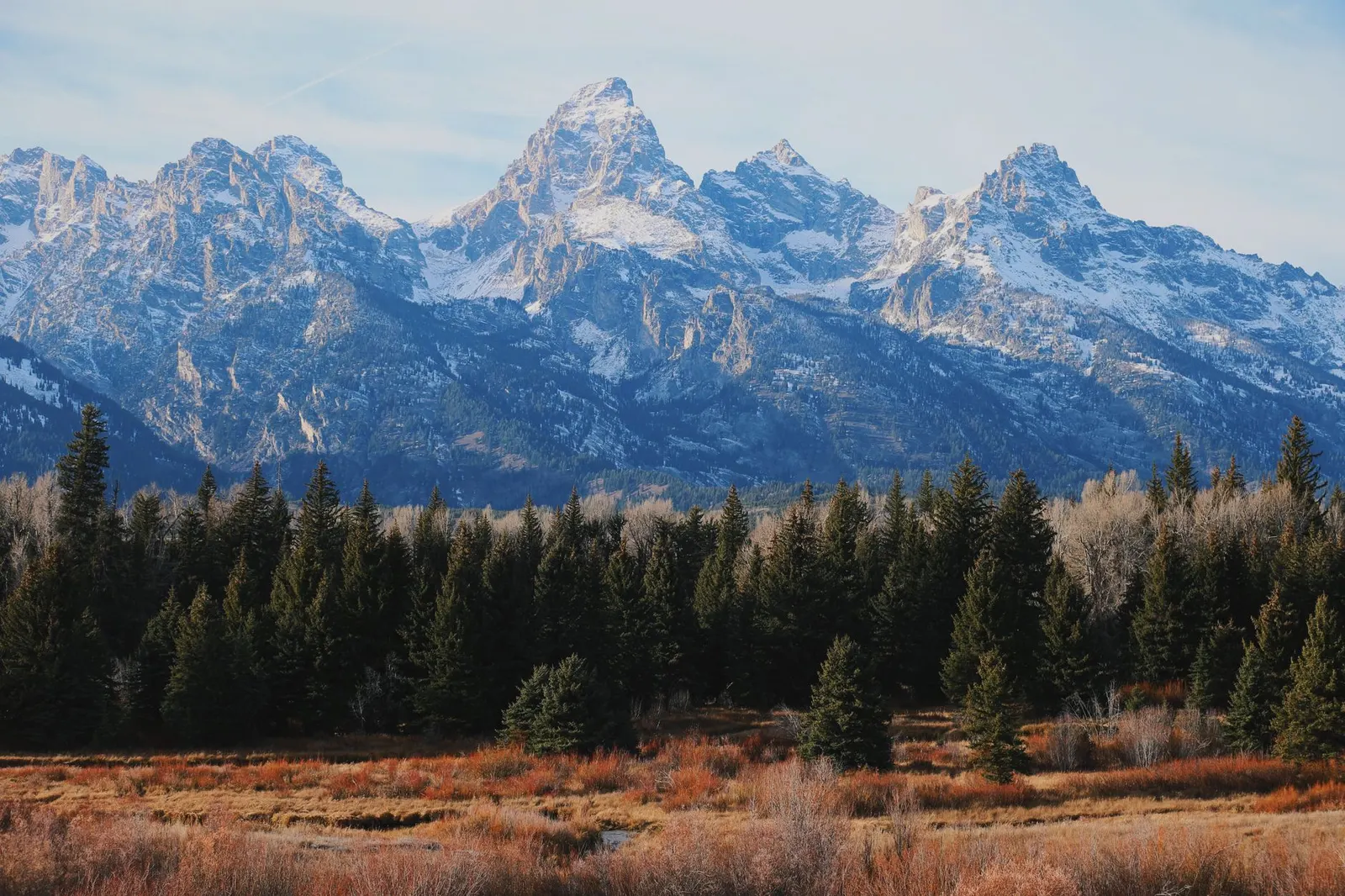
Bighorn Canyon National Recreation Area (WY side), Wyoming
2-Day Itinerary for Teen Families
“Turquoise Water, Red Rock Edges: Two Days on Bighorn Canyon's Wyoming Rim”

The canyon doesn't announce itself gradually here — it opens all at once, a thousand feet of banded rock dropping to water the color of old turquoise jewelry. Spring softens the high desert with wildflowers and cooler air, but the light show at dawn and dusk is unchanged: amber, then purple, then gone. This is a two-day loop built for families with teenagers who want a little adventure, a few unsupervised minutes at an overlook, and a lot of sky.
At a Glance
Highlights
- Standing above Yellowtail Dam as spillway mist drifts upward
- Scanning 71 miles of Bighorn Lake from a canyon-rim turnout
- The vertigo-inducing curve of Horseshoe Bend at golden hour
- Wildflower-flecked high desert trails with room to roam
- Quiet shoulder-season overlooks with almost no one else around
- Hearty diner food in Lovell after a day outdoors
- Eagle-spotting from the rim with zero light pollution at dusk
What do 2 days in Bighorn Canyon National Recreation Area (WY side) look like for families with teens?
4 stops across 2 days, about 4 hours of sightseeing in all. The rest is yours for long lunches and unplanned detours.
| Day | Stop | Area | Suggested time | Typical visit |
|---|---|---|---|---|
| Day 1 | Yellowtail Dam | Yellowtail Dam & Afterbay | 8:00 AM - 8:50 AM | 50 min |
| Day 1 | Bighorn Lake | Yellowtail Dam & Afterbay | 9:05 AM - 10:35 AM | 1 hr 30 min |
| Day 2 | Horseshoe Bend | Horseshoe Bend & Central Canyon | 7:45 AM - 8:30 AM | 45 min |
| Day 2 | Horseshoe Bend | Horseshoe Bend & Central Canyon | 8:35 AM - 9:35 AM | 1 hr |
Each day opens as a route in Google Maps; the map file drops every stop into Google My Maps or an offline map app.
Day-by-Day Plan
Day 1: Arrival & First Light on the Northern Rim
A gentle introduction day at the Yellowtail Dam & Afterbay cluster, with roughly 1.5 miles of easy walking and a moderate overall energy level to ease into canyon time.
Arrive by 8am and the overlook is nearly empty — just the roar of water moving through the spillways and the mineral smell rising off the reservoir. The arch of the dam against the canyon walls is a strange, satisfying contrast: mid-century concrete holding back a wilderness this vast. Teens tend to get a kick out of the sheer scale here, and there's enough space to wander a bit on their own along the overlook rail.
The drive along the canyon rim opens into wide views of the lake's full 71-mile stretch, water shifting from slate blue to turquoise as the sun climbs. This is where the trip slows down — find a turnout, let the teens scramble a short distance to their own vantage point, and take in the eagles riding thermals above the canyon walls. Sage and juniper scent the breeze, and the quiet out here in spring is almost startling.
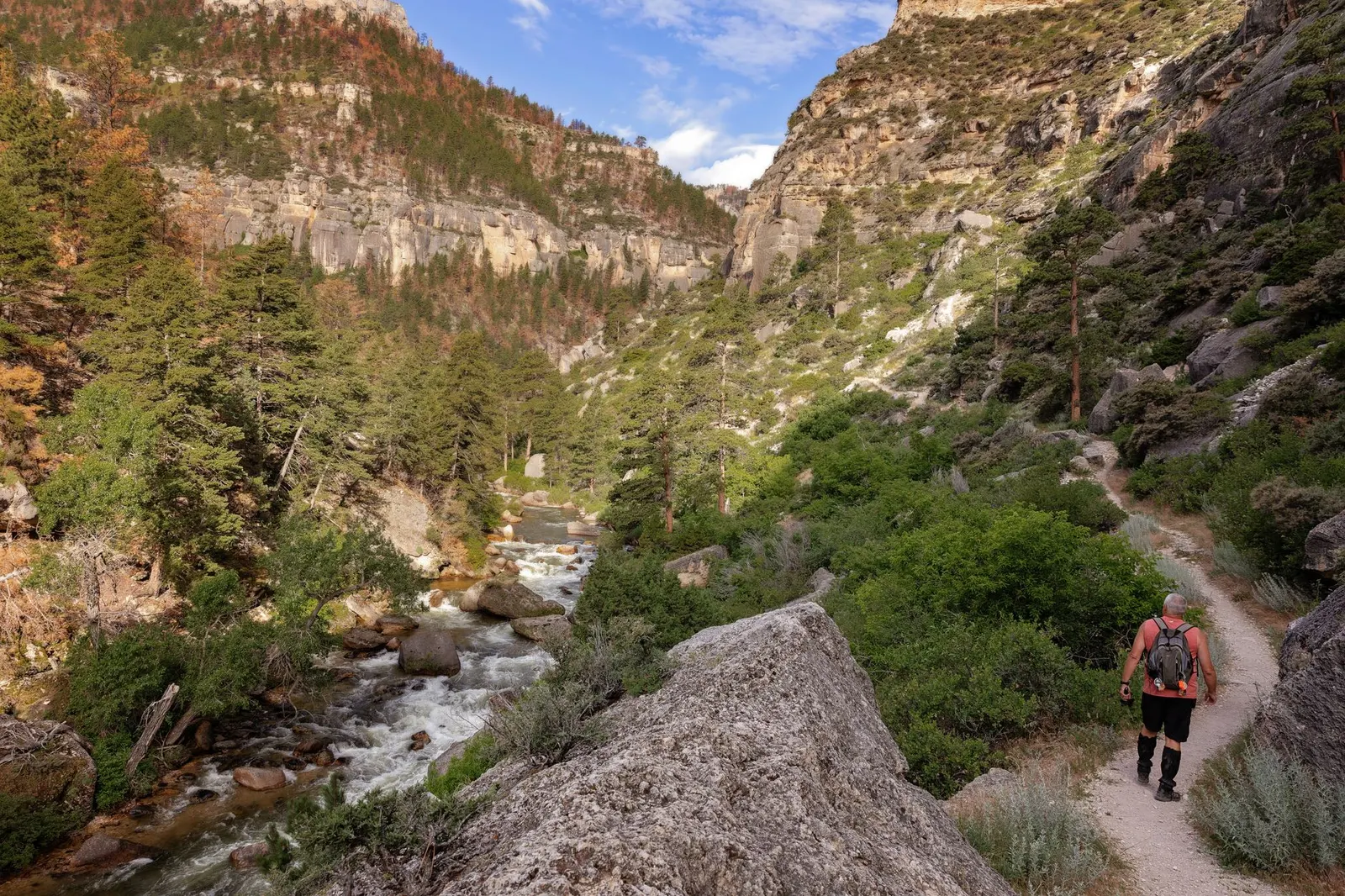
The day starts early and easy, with the dam's roar as a wake-up call rather than an alarm clock. Arriving before 8am means claiming the overlook before anyone else shows up, and the cool air makes the short walk comfortable even for reluctant early risers. It's a gentle way to get everyone oriented to the scale of this place without overwhelming day one.
After the lake overlook, the pace deliberately loosens — this is picnic territory. Dining options are limited inside the NRA, so plan to have packed a cooler before arriving; find a turnout with a view and let lunch stretch out while the group watches boats or birds on the water below. There's no rush, and no real cell service either, which tends to be its own kind of relief.
With the day's main activities wrapped by early afternoon, head back toward Lovell for dinner and to settle in for the night — the small-town diners here serve the kind of hearty, unfussy American fare that tastes better after a day outside. Expect an early close to the evening; this is a place where dusk, not nightlife, sets the schedule.
Day 2: Red Rock Curves and the Canyon's Southern Light
A slightly more adventurous day centered on the Horseshoe Bend & Central Canyon cluster, with about 1.5 miles of walking across uneven overlook terrain and a moderate-to-high energy level.
Get here by 7:45am and the overlook is yours — no crowd noise, just the faint rush of the Bighorn River far below and burnt-orange canyon walls catching the first real light. The horseshoe curve of turquoise water looks almost unreal from above, and the vertigo of the drop-off makes it one of the more memorable stops for teens craving a little edge. By 9am, this spot fills in fast, so the early start pays off directly.
Rather than rushing off, linger an extra hour here — shift to the northern ledge viewpoint for different canyon-wall detail and let the group spread out a little, each finding their own frame of the view. This is a natural moment for teen autonomy: find a safe perch, hand over a phone, and let them wander a short stretch of the rim on their own while adults take a breather in the shade.
Day two starts with intention — an early alarm gets the group to Horseshoe Bend while the light is low and the overlook empty. It's a steeper sensory hit than day one: more exposure, more drop-off, more awe. The quiet here in spring, before the day's visitors arrive, makes the canyon feel almost private.
The pace eases after the second viewpoint session, with the group easing into a slower rhythm — a packed lunch, some unstructured time at the rim, and the option to swing back toward Bighorn Lake for one more look if energy allows. Dining logistics remain simple out here, so plan meals around what's packed rather than what's nearby.
By late afternoon, start the drive back toward Lovell or onward, giving the group a last stretch of canyon views through the windshield as the light turns gold. Dinner in town wraps the trip the same unfussy way it began — hearty, unhurried, and done well before dusk settles over the rim.
Planning the nights, too?
Compare places to stay around Bighorn Canyon National Recreation Area (WY side), or browse tours and tickets to slot between the stops above.
Itinara may earn a commission when you book through these links, at no extra cost to you.
Want to tweak this trip?
Our AI planner can customize this itinerary to your exact dates, interests, and travel style.
Customize This ItineraryRestaurant details (hours, menus, availability) change frequently, especially in small towns near seasonal parks. Check current hours before visiting.
Dietary compatibility tags are general guidance. If you have severe allergies, confirm directly with the restaurant.
Travel tips are general guidance, not professional safety advice. Check government advisories and NPS alerts for the latest conditions.
All prices are approximate and may vary seasonally.
Attractions in This Itinerary
More Itineraries for Bighorn Canyon National Recreation Area (WY side)
Explore Wyoming