Wind River Range (East side), Wyoming
3-Day Itinerary for Active Retirees
“Where the River Vanishes: A Winter Wander Through the Wind River's Eastern Edge”
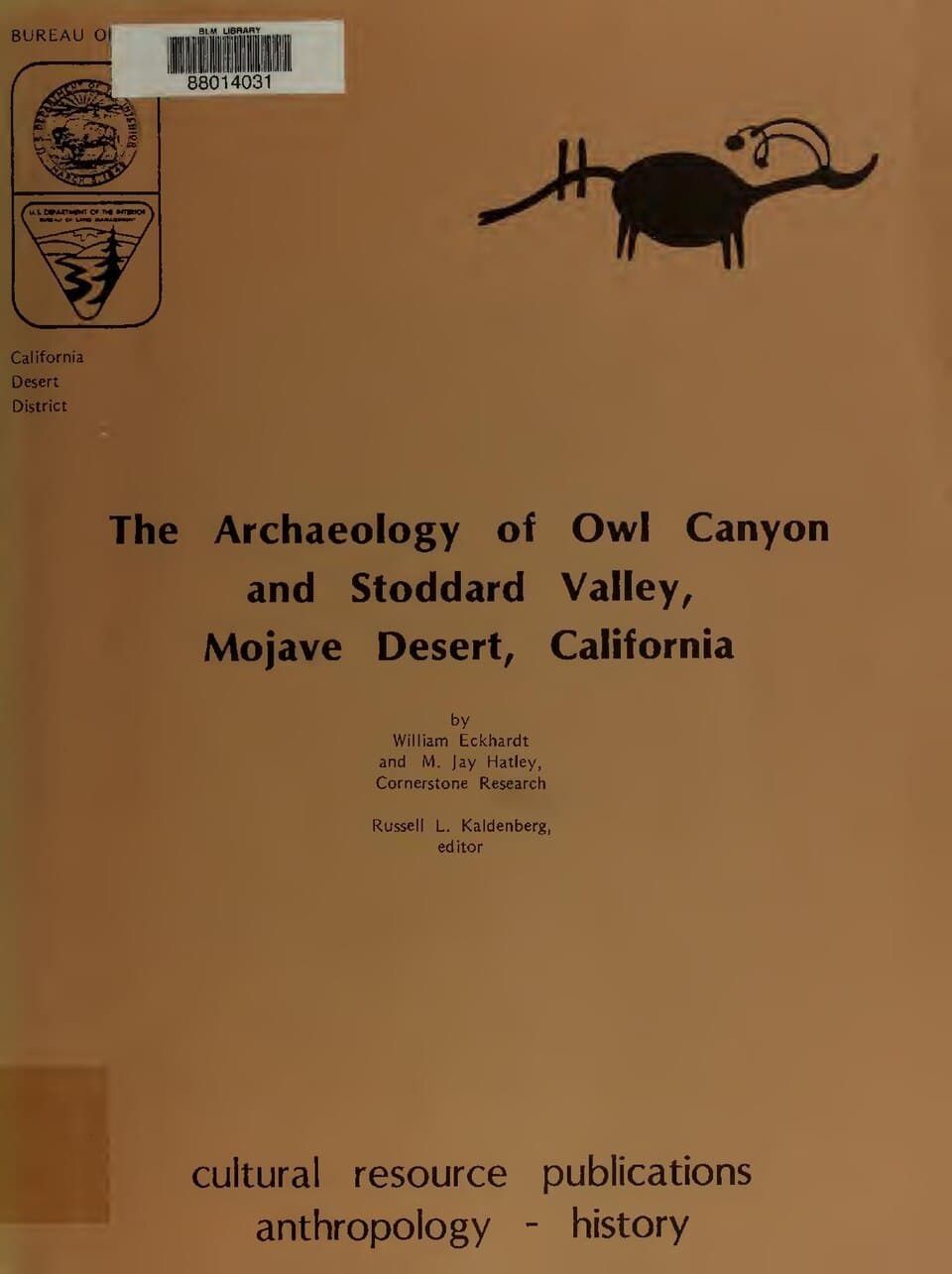
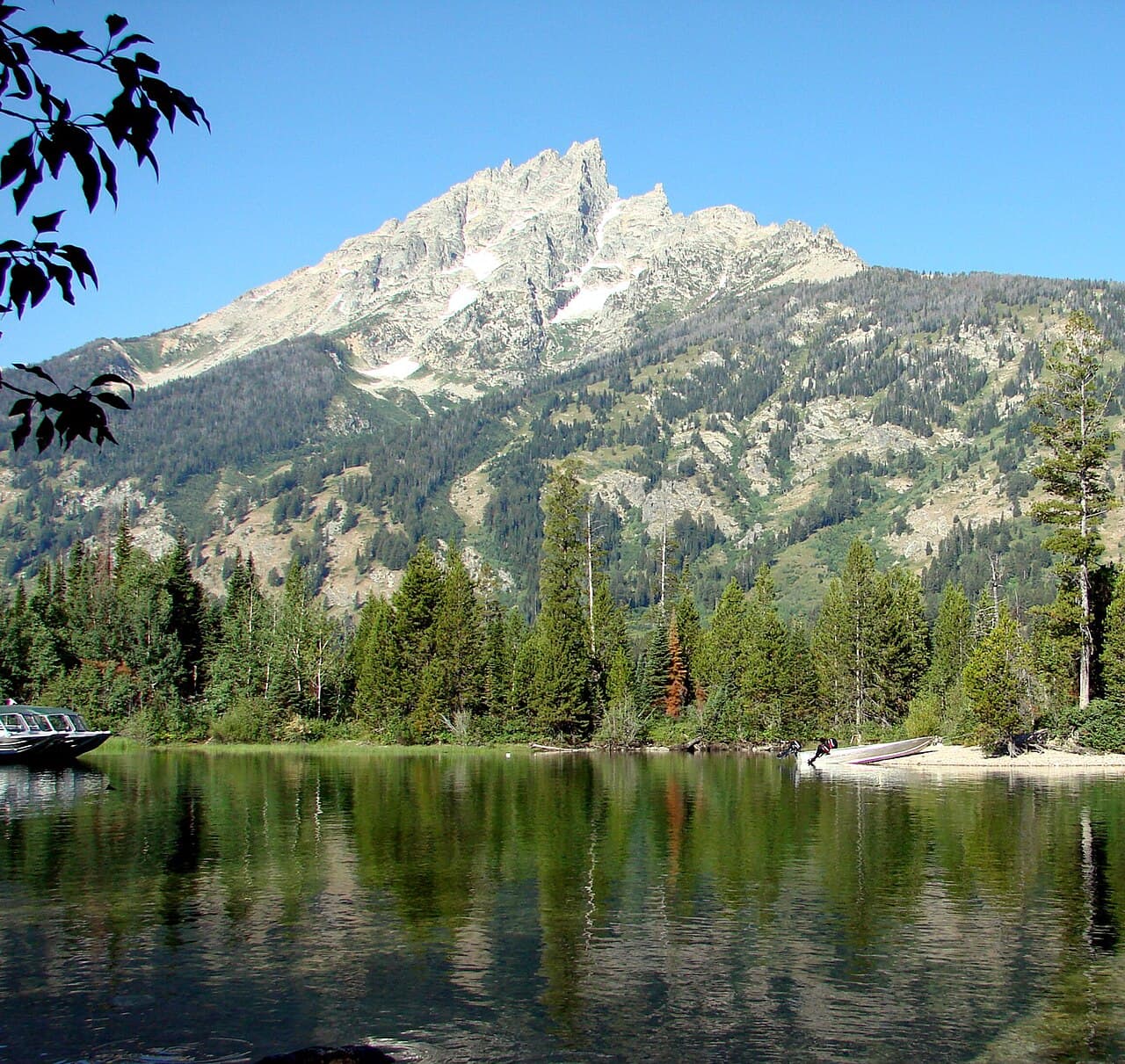
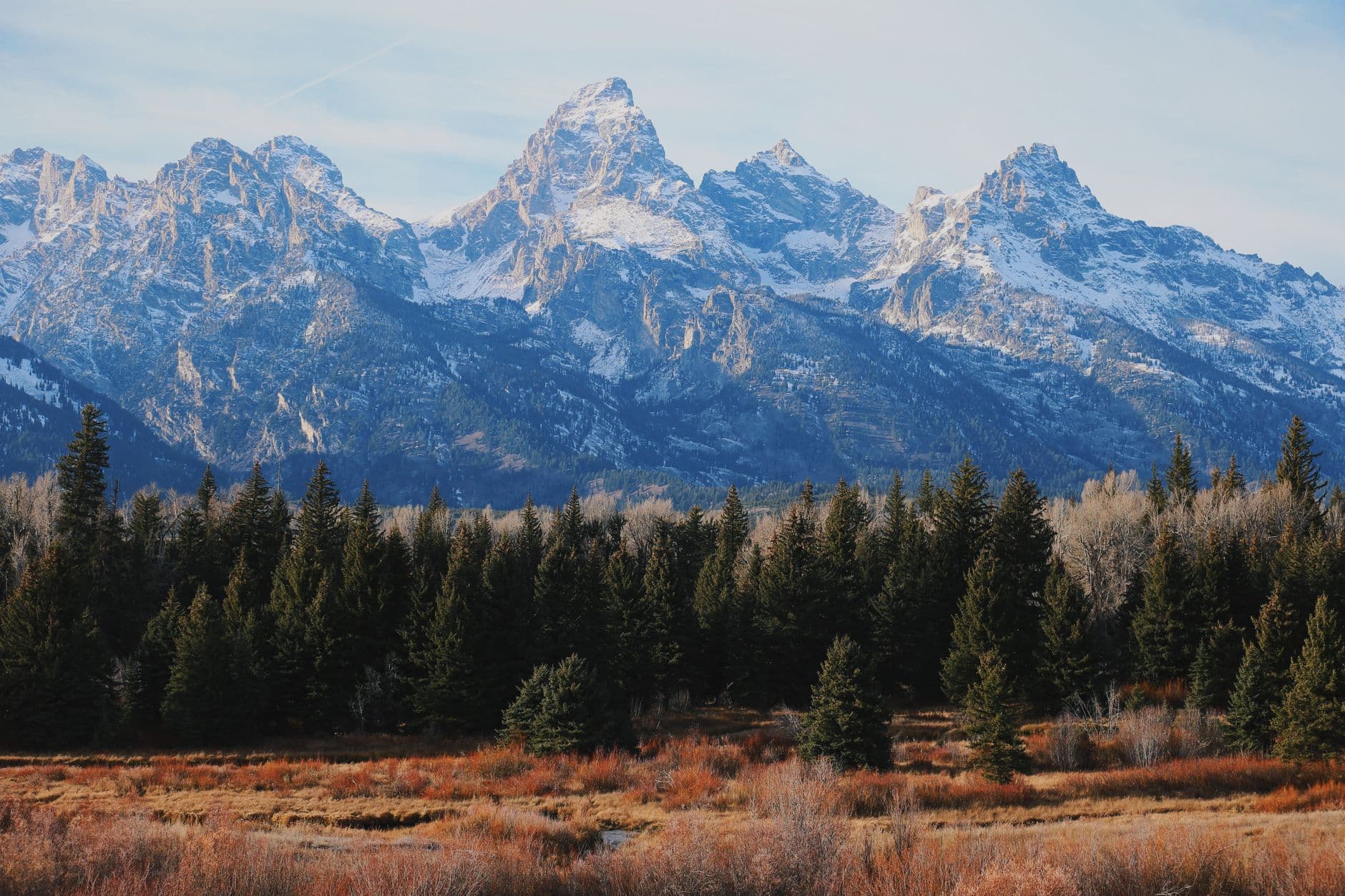
In winter, the Wind River's eastern flank goes hushed—granite peaks dusted white, the Popo Agie humming beneath ice-rimmed banks, and hardly another soul in sight. This is a slow, thoughtful season here: fewer trails open, more time to simply stand still and let the mountains do the talking.
At a Glance
Highlights
- Watching the Popo Agie River disappear into limestone silence at Sinks Canyon
- Frost-rimmed views of Wind River peaks with almost no other visitors
- Unhurried mornings paired with hearty, unpretentious mountain-town meals
- Short, scenic walks scaled to comfort rather than conquest
- Wide-open winter light across canyon walls in rust and cream
- A gentle pace built around warmth, benches, and big views
Day-by-Day Plan
Day 1: Settling In: First Light on the Canyon Rim
A gentle half-day introduction to Sinks Canyon's main overlook, with minimal walking (under 1 mile) and plenty of time to acclimate to altitude and cold.
Arrive after the morning ice has softened and the sun has climbed over the canyon rim—the river here does something almost mythical, vanishing into a limestone sinkhole with a low, steady roar that echoes off rust-and-cream walls. Winter strips away the summer crowds entirely, so the viewing platform is yours to linger at as long as you like, watching mist curl off the water in the cold air. Take it slow on the short walk from the parking area to the main overlook; icy patches are common in shaded spots, so trekking poles or a walking stick can help.
Ease into the day without rushing—winter mornings here are bitterly cold and the ice needs time to loosen its grip, so there's little reason to be out the door before mid-morning. Use the time to settle into your lodging, check road conditions, and let your body adjust to the thin, dry mountain air.
By late morning the sun has climbed enough to soften the frost, making it the ideal window for a slow, careful walk to the Sinks Canyon overlook. The roar of vanishing water against snow-quiet stillness is almost startling in winter's silence—there's no rush here, just time to stand at the rail and take it in.
Head back into town well before dark, as daylight fades fast this time of year. Settle in early for a hearty dinner and an unhurried evening—mountain towns like Pinedale and Boulder wind down quickly, so plan to eat by 7pm and enjoy a quiet night in before tomorrow's fuller day.
Day 2: Falls in Winter Light
A slightly more active day featuring a short, scenic approach toward Popo Agie Falls, with total walking kept under 2 miles at a relaxed pace.
Return to the canyon in the brighter morning light for a second, calmer look—arrive by 10am and you'll likely have the riverside trail entirely to yourselves, the cold air carrying the mineral scent of spray and the low hush of the river before it disappears underground. This second visit is about pace, not novelty: walk the accessible sections slowly, pause at benches where available, and simply notice how the winter light changes the canyon's rust-and-cream walls from yesterday.
The short approach toward the falls trades the canyon's hush for a louder, more dramatic soundscape—water exploding over dark granite, throwing cold mist into the air even in winter's stillness. Terrain here is rougher and can be icy, so this stop is best treated as a lookout rather than a full hike; go only as far as feels comfortable, then simply stand and let the sound and spray fill the senses. This is not a wheelchair-accessible stop, and even sturdy walkers should move cautiously given rock and ice underfoot.
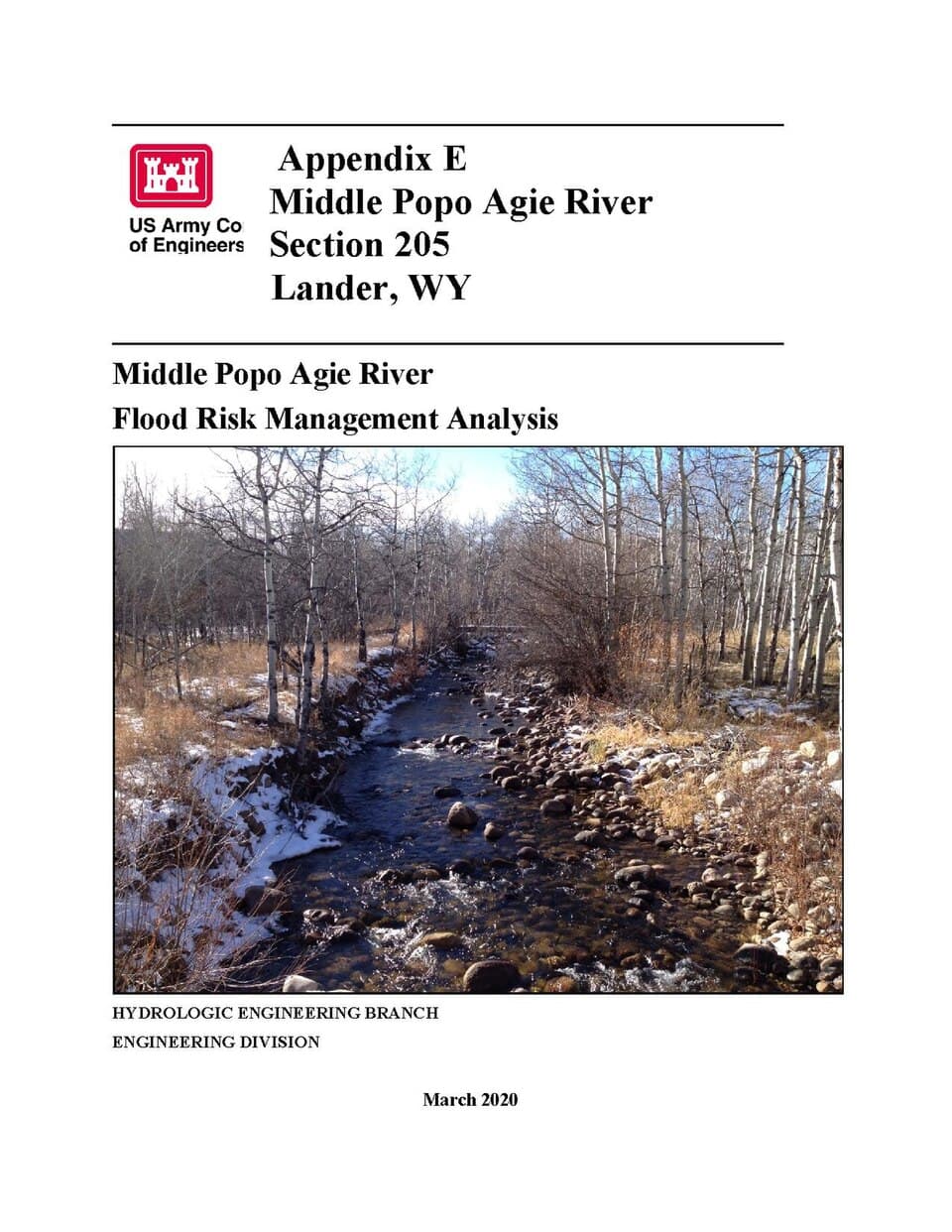
Start a bit later than you might elsewhere—letting the morning sun soften any overnight ice—and return to Sinks Canyon for an easy, familiar walk along the riverside path, quieter and colder than yesterday but no less striking.
After a light lunch, make the short walk toward Popo Agie Falls, taking it slow over the rougher terrain. The payoff is immediate: a wall of white water crashing through granite, mist catching the midday light—worth pausing at for as long as the cold allows before heading back toward the car.
Aim to be off the trail and back in town well before dusk, as the canyon grows dark and cold quickly. Settle into an early, warming dinner and a calm evening—there's no nightlife to chase here, only rest earned by a good day outdoors.
Day 3: Slow Farewell to the Canyon
A light, low-walking final morning revisiting a favorite viewpoint before departure, with total walking under 1 mile.
Return once more, briefly, to the canyon overlook for a final unhurried look—arrive by 9:30am, before any midday visitors, for a last stretch of near-total solitude. There's no new ground to cover here; this is simply a chance to sit with the sound of vanishing water one more time before the drive back toward the highway.
Keep the final morning unhurried and light—one last, brief visit to the Sinks Canyon overlook, walked slowly and without agenda, simply to take in the stillness one more time before the road home.
With no further stops planned, use the early afternoon for a relaxed departure—fuel up on gas, check road conditions one final time, and allow extra hours for winter driving on the way out of the range.
By evening, you'll likely be well on the road toward the airport or home, the granite peaks and vanishing river fading into the rearview—a quiet, unhurried close to a trip built around stillness rather than speed.
Want to tweak this trip?
Our AI planner can customize this itinerary to your exact dates, interests, and travel style.
Customize This ItineraryRestaurant details (hours, menus, availability) change frequently, especially in small mountain towns during winter; check current hours before visiting.
Dietary compatibility tags are general guidance. If you have severe allergies, confirm directly with the restaurant.
Travel tips are general guidance, not professional safety advice. Check government advisories and local road condition reports for the latest information before heading into the canyon.
All prices are approximate and may vary seasonally.