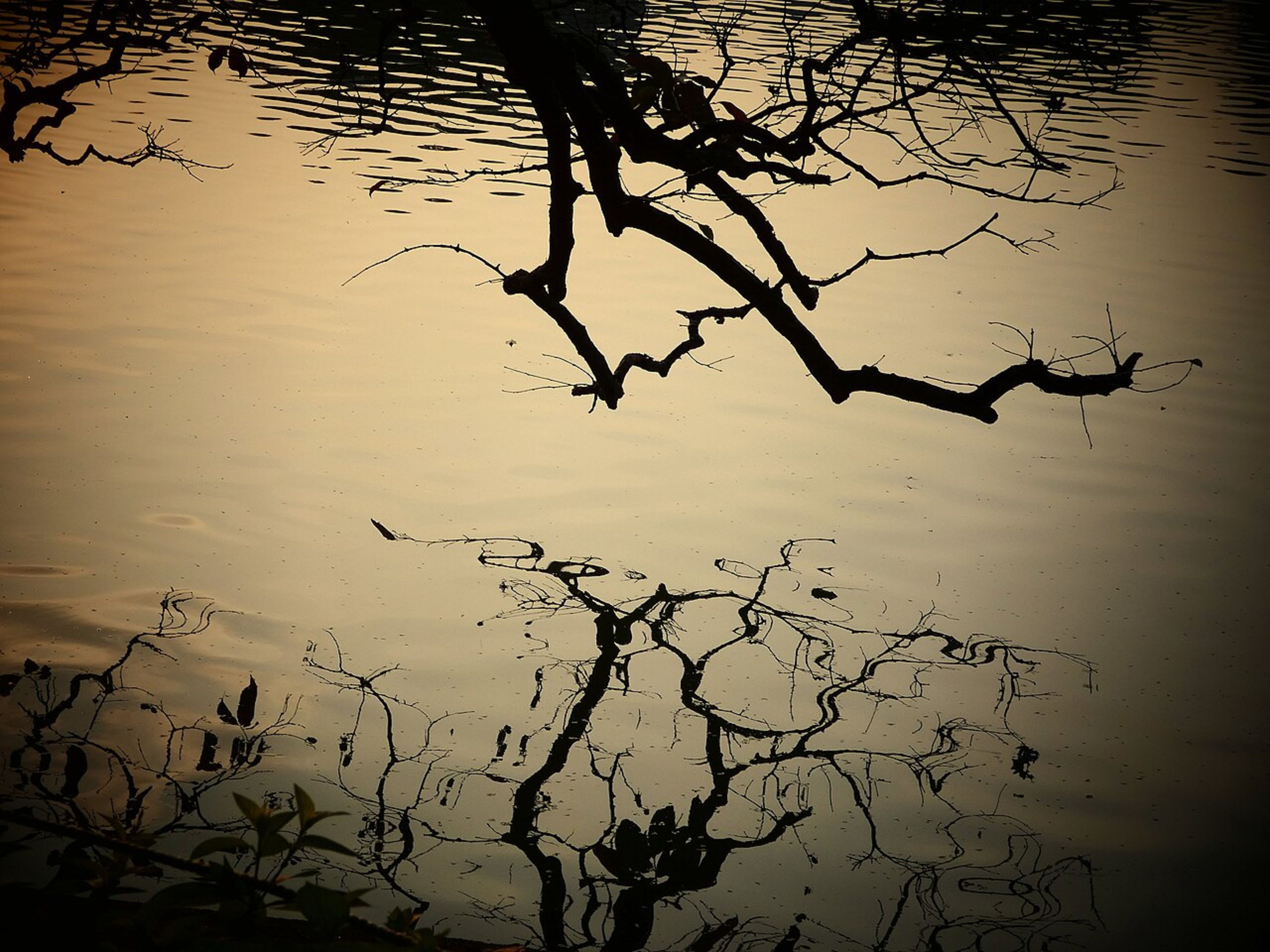
Hanoi is a captivating blend of ancient tradition and vibrant modernity, where narrow colonial streets wind past golden-roofed temples and centuries-old markets teem with life. As Vietnam's political and cultural heart, the city pulses with energy—from the meditative shores of Hoàn Kiếm Lake to the chaotic ballet of scooter traffic in the Old Quarter's 36 legendary streets. History layers upon itself here, visible in everything from the Imperial Citadel to street-side shrines, creating a destination that rewards both leisurely wandering and focused exploration.
Key Attractions
View all attractions →
Dong Xuan Market
Hanoi's oldest and largest market sprawls across three chaotic floors where vendors hawk everything from silk scarves to fresh seafood, creating a sensory whirlwind that captures the essence of Old Quarter commerce. Originally constructed by French colonials in 1889, the market has survived wars and renovations to remain a vital hub where locals shop daily alongside curious travelers. The ground floor buzzes with produce and household goods, while upper levels reveal clothing, textiles, and souvenirs at prices far cheaper than tourist shops.
Photo by Juliana Ng from Singapore
Ha Long Bay (day/overnight trip)
This UNESCO World Heritage Site captivates visitors with thousands of limestone karsts rising dramatically from emerald waters, creating one of Southeast Asia's most breathtaking seascapes. Whether you're gliding silently through hidden lagoons, exploring caves glittering with stalactites, or floating peacefully at sunset, Ha Long Bay offers a meditative escape from Hanoi's bustling streets. The bay's natural majesty has inspired centuries of legends and continues to enchant travelers seeking unspoiled natural beauty.
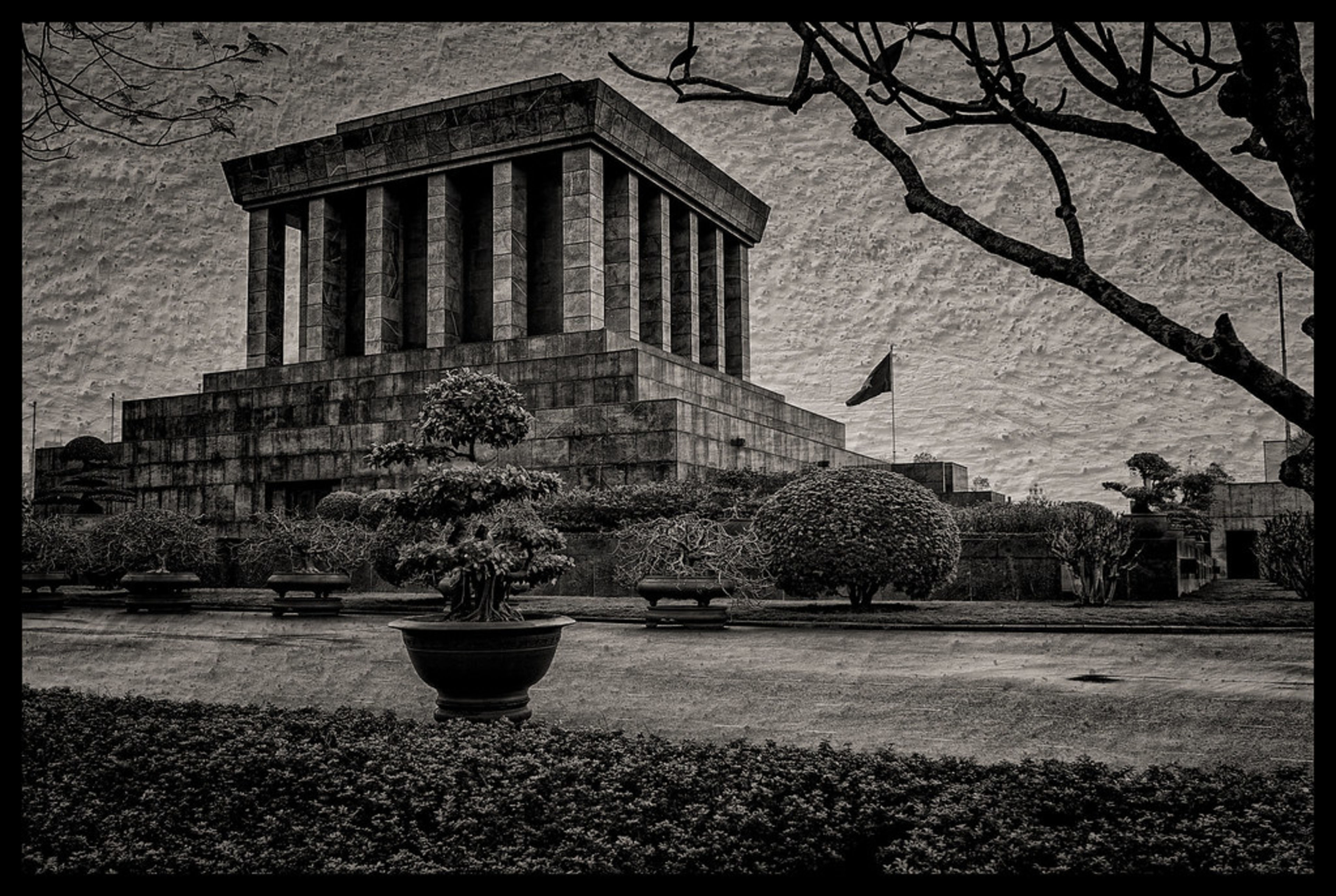
Ho Chi Minh Mausoleum
This solemn granite and limestone mausoleum holds the preserved remains of Ho Chi Minh, Vietnam's revolutionary leader, in a modernist structure set within a vast ceremonial complex in Ba Dinh Square. The austere interior maintains a respectful atmosphere where visitors silently pay homage, making it one of Hanoi's most emotionally significant sites. Surrounded by manicured gardens and government buildings, the monument embodies Vietnamese reverence for their founding father.
Photo by Tim Moffatt

Ho Chi Minh Museum
This thoughtfully curated museum captures the life and legacy of Vietnam's founding father through personal artifacts, photographs, and immersive exhibits spanning his revolutionary journey. Housed in a striking French colonial building, the museum provides intimate glimpses into Ho Chi Minh's humble origins, his years abroad, and his pivotal role in Vietnam's independence movement. The collection ranges from his simple belongings to historical documents that illuminate a pivotal chapter of Southeast Asian history.
Photo by CEphoto, Uwe Aranas
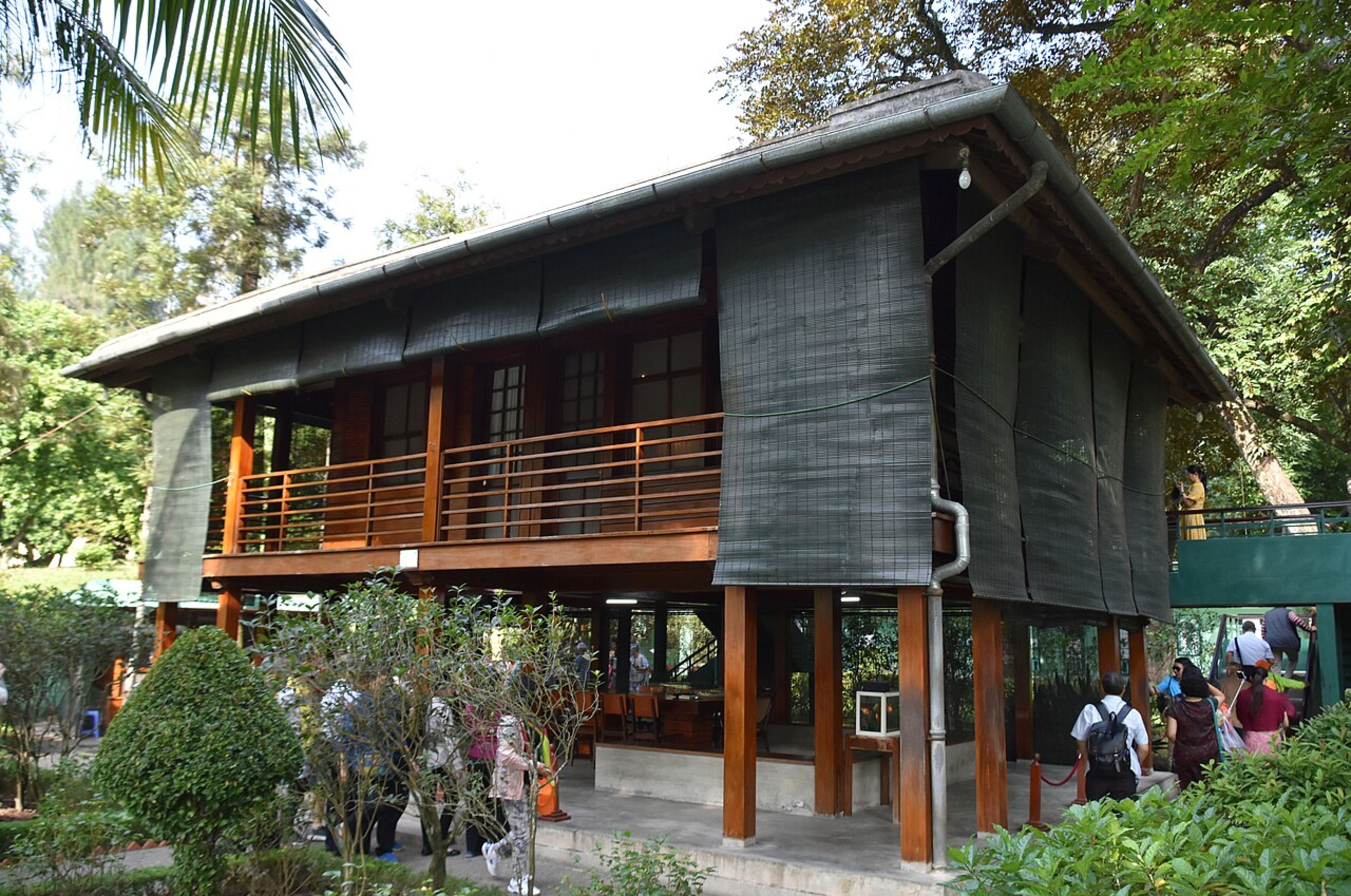
Ho Chi Minh's Stilt House
This modest wooden stilt house tucked within the Presidential Palace grounds offers an intimate glimpse into Ho Chi Minh's spartan lifestyle and personal philosophy. The simple two-room dwelling, built in 1958, contains only basic furnishings and personal belongings that reveal the revolutionary leader's ascetic choices despite his position of power. Visitors experience a poignant contrast between the grandeur of the palace and the humble quarters where Ho Chi Minh chose to live during his final years.
Photo by Richard Mortel from Riyadh, Saudi Arabia

Hoa Lo Prison Museum (Hanoi Hilton)
This century-old French colonial prison offers a sobering glimpse into Vietnam's struggle for independence, with preserved cells, execution instruments, and personal artifacts that tell stories of resilience and suffering. Originally built by the French in 1896, the museum powerfully contrasts the Vietnamese perspective with Western accounts, particularly regarding American POWs held here during the Vietnam War. Walking through the cramped quarters and shackle rooms creates an unexpectedly intimate connection to this critical chapter of Vietnamese history.
Photo by Richard Mortel from Riyadh, Saudi Arabia

Hoan Kiem Lake & Ngoc Son Temple
Hanoi's beloved Hoan Kiem Lake is a serene urban oasis where locals gather for tai chi, jogging, and peaceful reflection, surrounded by shaded trees and traditional architecture. The red Turtle Tower rises mysteriously from the lake's center, while the connected Ngoc Son Temple on a small island offers spiritual respite with its ornate carvings and incense-filled chambers. Whether you're watching dawn break over the water or strolling with locals in the evening cool, this place captures the unhurried rhythm of authentic Hanoi life.
Photo by upyernoz
Huong Pagoda (Perfume Pagoda – day trip)
Nestled in the limestone mountains about 60km southwest of Hanoi, this ancient pilgrimage site combines a scenic boat journey through the Yen Stream with a spiritual experience exploring sacred caves and temples. The complex consists of three main pagodas perched on the mountainside, each offering increasingly rewarding views as you climb higher through misty valleys and dense vegetation. Local monks still inhabit the caves, and during spring pilgrimages, thousands of devotees visit to pay respects in this spiritually significant sanctuary.
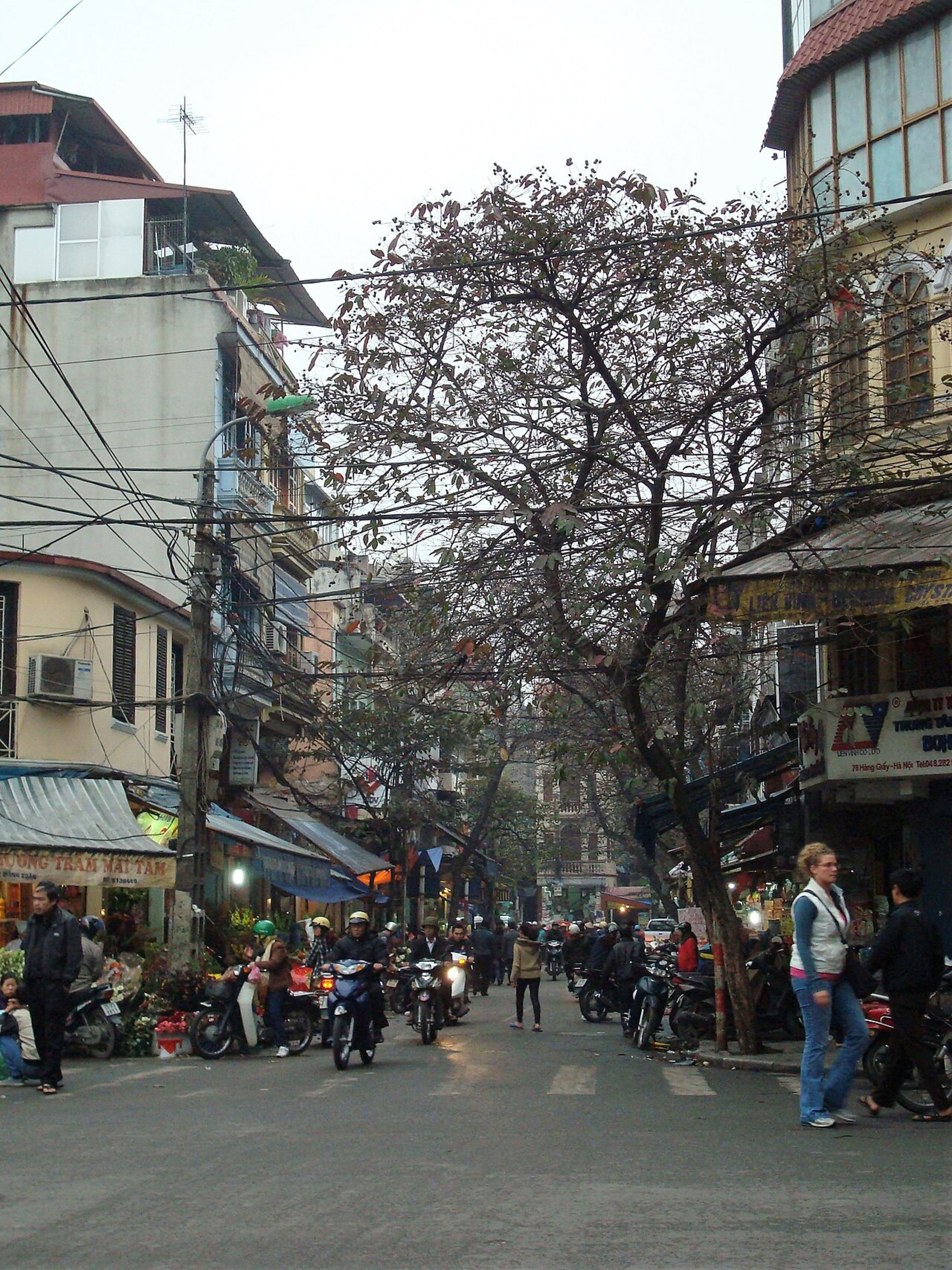
Old Quarter (36 Streets)
Hanoi's Old Quarter is a labyrinth of narrow, traffic-filled streets named after the goods once sold there—silk, silver, tin—where centuries-old shop-houses with worn facades sit shoulder-to-shoulder with bustling street vendors and open-air eateries. Walking through this living museum feels like stepping into a time machine, where locals conduct business from tiny storefronts, motorbikes weave through pedestrians, and the aroma of street food fills every corner. This is where Hanoi's authentic heartbeat still pulses, largely unchanged since the French colonial era.
Photo by Arabsalam

One Pillar Pagoda
Perched gracefully on a single stone pillar rising from a lotus pond, this 11th-century Buddhist temple is one of Hanoi's most iconic and photographed monuments. Built during the Ly Dynasty, the pagoda's unique architectural design symbolizes the lotus flower emerging from muddy waters, representing purity in Buddhist philosophy. Despite its diminutive size, the structure carries profound historical significance and remains an active place of worship and pilgrimage.
Photo by Jakub Hałun

Opera House Hanoi
This stunning French colonial masterpiece sits majestically on the edge of Hanoi's Old Quarter, its grand facade adorned with ornate sculptures and crowned by a gleaming green roof that catches the tropical sun. Built during the height of French Indochina, the theater remains one of Southeast Asia's most elegant performance venues, hosting everything from classical ballet to contemporary Vietnamese art. Step inside to admire the intricate interior with its red velvet seats, crystal chandeliers, and frescoed ceilings that transport you back to the elegance of the early 20th century.
Photo by Schwede66
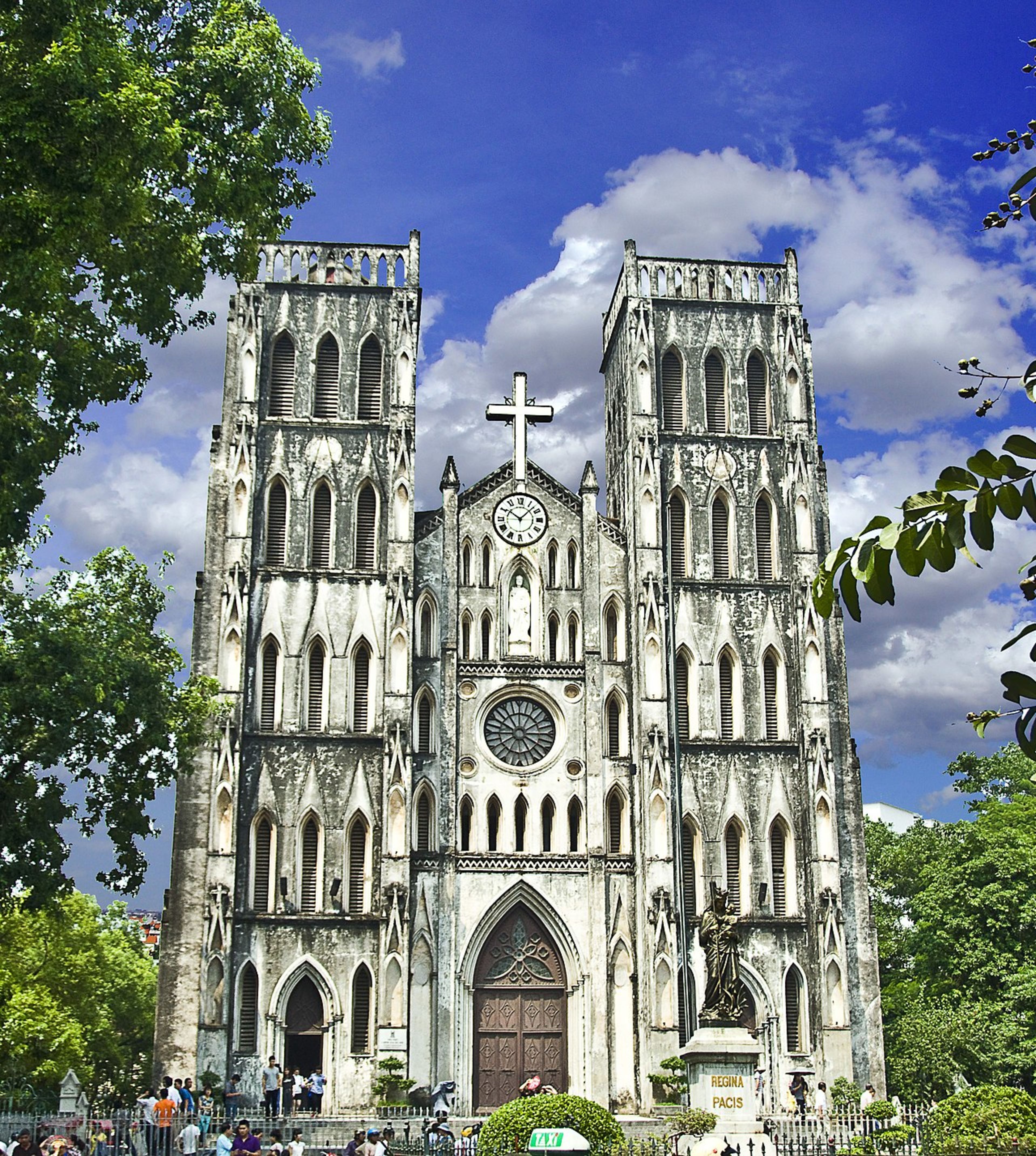
St. Joseph's Cathedral
This striking Neo-Gothic cathedral rises dramatically above the Old Quarter with its twin spires and intricate stonework, offering a serene spiritual retreat amid Hanoi's bustling streets. Built during the French colonial period, the cathedral showcases beautiful stained glass windows and a peaceful interior that contrasts sharply with the vibrant chaos just outside its doors. The atmospheric ambiance makes it feel like stepping into a different era, especially during quiet morning hours when soft light filters through the windows.
Photo by Bonjin/凡人[ラナ]

Temple of Literature
Vietnam's first university, the Temple of Literature is a serene sanctuary of stone pathways and tranquil courtyards where Confucian scholars once studied for over nine centuries. The complex beautifully blends architectural elegance with spiritual purpose, featuring ornate gates, peaceful gardens, and ancient stone stelae carved with the names of successful doctoral candidates. Walking through its five courtyards feels like stepping into Vietnamese intellectual history, where the echoes of centuries-old learning still seem to linger.
Photo by Jakub Hałun

Train Street
This atmospheric narrow alley in Hanoi's Old Quarter runs alongside active railway tracks where trains pass within inches of colorful shophouses, creating a surreal urban landscape where residents have adapted their lives around the passing trains. Local vendors sell coffee and snacks from their doorsteps as trains rumble by, and residents casually move laundry and furniture out of the way—a remarkable display of daily life coexisting with industrial transportation. The street has become an iconic symbol of Hanoi's resourcefulness and charm, attracting visitors who want to experience the city's authentic, unbothered character.
Photo by Kris Martyn

Tran Quoc Pagoda
Perched on a serene peninsula jutting into West Lake, Trấn Quốc Pagoda transports visitors back over a thousand years with its weathered brick stupas and ancient sanctuary walls. The pagoda's intimate setting among lush gardens offers a peaceful escape from Hanoi's bustling streets, where monks still maintain daily practices in this spiritually significant space. The compact island location rewards explorers with quiet reflection spots and unobstructed views across the shimmering lake.
Photo by Jakub Hałun

Vietnam Fine Arts Museum
Housed in a beautifully restored French colonial building, this museum traces Vietnam's artistic heritage from ancient ceramics through contemporary works across multiple galleries. You'll encounter everything from delicate silk paintings and traditional woodblock prints to powerful socialist realism pieces that tell stories of Vietnam's turbulent modern history. The collection offers genuine insight into how Vietnamese artists have interpreted their culture, struggles, and triumphs across centuries.
Photo by Smuconlaw.

Vietnam Museum of Ethnology
This sprawling museum brings Vietnam's 54 ethnic groups to life through beautifully curated exhibits, traditional architecture, and interactive displays that celebrate the country's remarkable cultural diversity. Wander through reconstructed stilt houses and traditional dwellings set across expansive grounds that feel like stepping into different regions of Vietnam without leaving Hanoi. The museum strikes an impressive balance between scholarly depth and engaging storytelling, making it equally rewarding for curious travelers and cultural enthusiasts.
Photo by Daderot
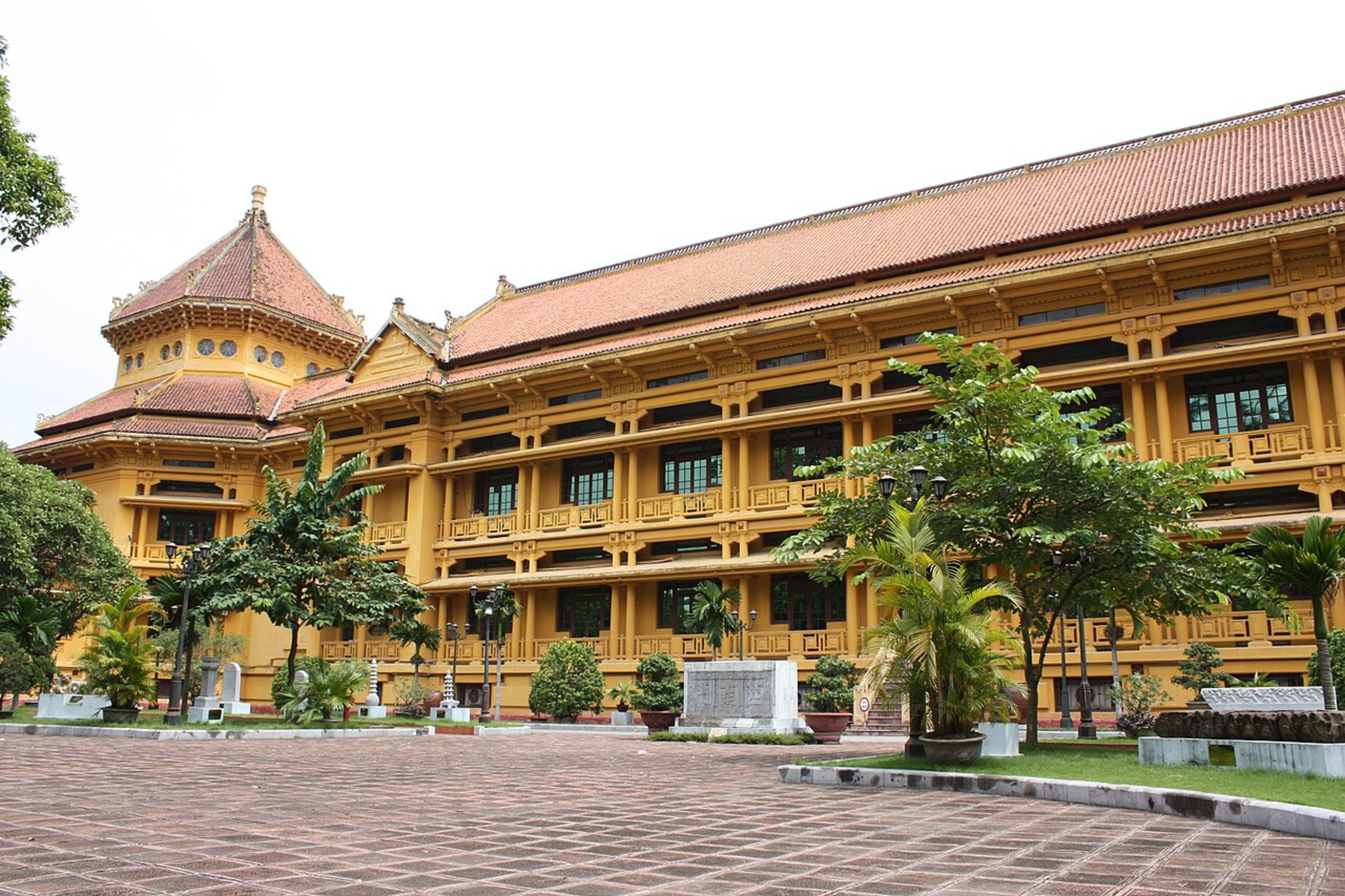
Vietnam National Museum of History
Housed in a striking French colonial building in Hoan Kiem district, this museum traces Vietnam's rich history from prehistoric times through the French colonial era with compelling artifacts and detailed exhibits. The collection features bronze drums, ancient pottery, royal regalia, and personal effects that bring Vietnam's diverse dynasties to life in an intimate setting. Walking through these halls feels like unwinding a thousand years of Vietnamese resilience and cultural pride.
Photo by Alistair Morrenger

Vietnamese Women's Museum
This compelling museum celebrates the pivotal roles Vietnamese women have played throughout the nation's history, from ancient times through modern day. Spread across four floors, thoughtfully curated exhibits showcase everything from traditional crafts and wartime contributions to contemporary achievements and family life. The intimate galleries offer genuine insights into Vietnamese culture that go far beyond what you'll find in typical tourist guides.
Photo by Daderot

West Lake (Hồ Tây)
Hanoi's largest and most serene lake, West Lake stretches across 505 hectares with a charming promenade dotted with cafés, temples, and local life that feels worlds away from the city's bustling streets. The waterfront is perfect for leisurely walks, cycling, or simply watching Vietnamese families enjoy evening strolls and street food vendors selling everything from grilled corn to fried tofu. The lake's peaceful energy, framed by distant Taoist temples and local neighborhoods, offers an authentic glimpse into how Hanoians actually spend their downtime.
Photo by Chris Lewis
Itineraries Here
Planning a Trip to Hanoi: FAQs
When is the best time to visit Hanoi?
⌄
The best time to visit Hanoi is fall.
How many days do you need in Hanoi?
⌄
Plan on about 4 days to cover Hanoi's highlights at a comfortable pace.
How do you get to Hanoi?
⌄
Noi Bai International Airport serves as the primary gateway, located roughly 30 kilometers northeast of central Hanoi with ground transport options including taxi, ride-sharing, and shuttle services. The city is well-connected by overnight trains from Ho Chi Minh City (approximately 30 hours) and buses from surrounding regions. Domestic flights connect Hanoi to major Vietnamese cities including Da Nang, Hue, and Ho Chi Minh City with flight times under 2 hours.
What are the top things to do in Hanoi?
⌄
Top attractions in Hanoi include Dong Xuan Market, Ha Long Bay (day/overnight trip), Ho Chi Minh Mausoleum, Ho Chi Minh Museum and Ho Chi Minh's Stilt House. Itinara lists 20 verified attractions in total.