
Hội An is a captivating time capsule where centuries of Southeast Asian trade history breathe through lantern-lit streets and weathered French colonial facades. This UNESCO-protected Ancient Town preserves an extraordinary blend of Vietnamese, Chinese, and Japanese architectural influences, creating an atmosphere where wandering feels like stepping backward into a living 15th–19th century port. The town's intimate scale and candlelit evenings make it an essential destination for travelers seeking authenticity alongside comfort.
Key Attractions
View all attractions →
An Bang Beach
An Bang Beach offers a laid-back escape just 5km from Hoi An's bustling Old Town, where golden sand meets calm turquoise waters lined with local seafood restaurants and beach bars. The shoreline feels refreshingly authentic compared to nearby tourist beaches, with Vietnamese families and backpackers mingling under colorful umbrellas and swaying palm trees. Wide sandy stretches and shallow waters make it ideal for swimming and sunset strolls while soaking in views of fishing boats dotting the horizon.
Photo by Edgardo W. Olivera from Montevideo, Uruguay — CC BY 2.0
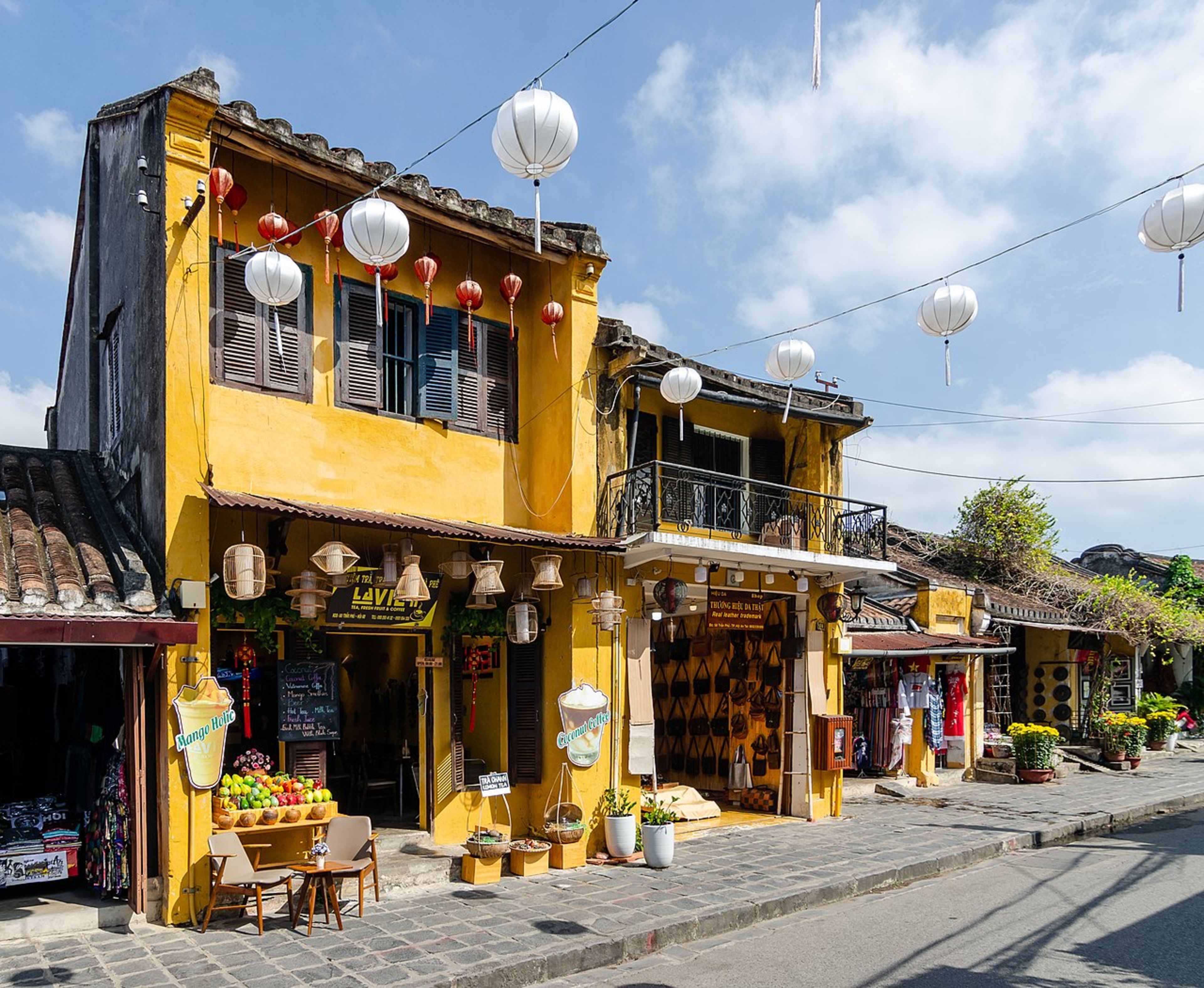
Ancient Town of Hoi An (UNESCO)
Hoi An's enchanting old quarter feels frozen in time, with centuries-old architecture blending Vietnamese, Chinese, French, and Japanese influences along lantern-lit streets and serene riverside promenades. The town's well-preserved wooden buildings, ornate temples, and charming assembly halls reveal layers of Southeast Asian history through their intricate craftsmanship and cultural details. Wandering after dark, when paper lanterns glow softly above the Thu Bon River, transforms the entire experience into something truly magical.
Photo by Steffen Schmitz (more photos) — CC BY-SA 4.0

Assembly Hall of the Fujian Chinese Congregation
This ornate Chinese temple honors Fujian merchants who settled in Hoi An, featuring elaborate wooden carvings, gilded altars, and a serene courtyard that feels frozen in time. The hall's intricate details—from dragon-adorned roof tiles to ancestor tablets—tell stories of a thriving overseas Chinese community that shaped the ancient town's character. Incense smoke curls through the chambers, creating an almost meditative space despite its tourist popularity.
Photo by Arian Zwegers — CC BY 2.0

Cam Nam Island
This peaceful riverside island near Hoi An offers a glimpse of rural Vietnamese life away from the bustling Ancient Town, with bamboo forests, local gardens, and traditional fishing villages dotting its landscape. Visitors can wander through quiet lanes lined with fruit orchards and vegetable patches while observing the daily rhythms of island residents engaged in traditional crafts and agriculture. The island provides a refreshing contrast to Hoi An's tourist-heavy streets, revealing the authentic countryside atmosphere that has defined the region for generations.
Photo by proe2
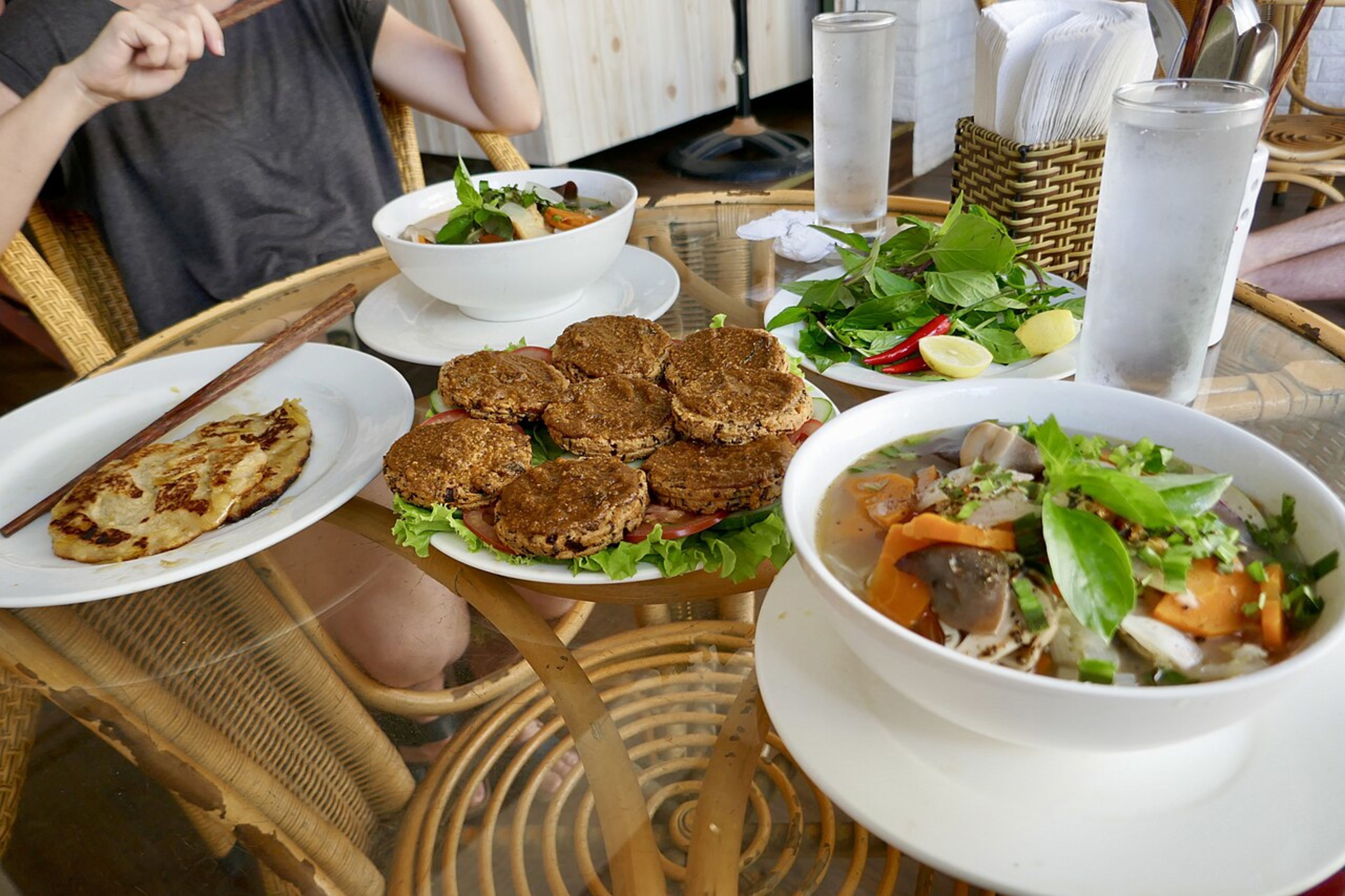
Cooking Classes
Hoi An's cooking classes offer hands-on culinary experiences where visitors learn to prepare traditional Vietnamese dishes using fresh local ingredients from morning markets. Classes typically include market tours, cooking instruction, and a shared meal featuring the dishes you've prepared. These immersive experiences provide insight into Vietnamese food culture and techniques passed down through generations.
Photo by Isabell Schulz — CC BY-SA 2.0
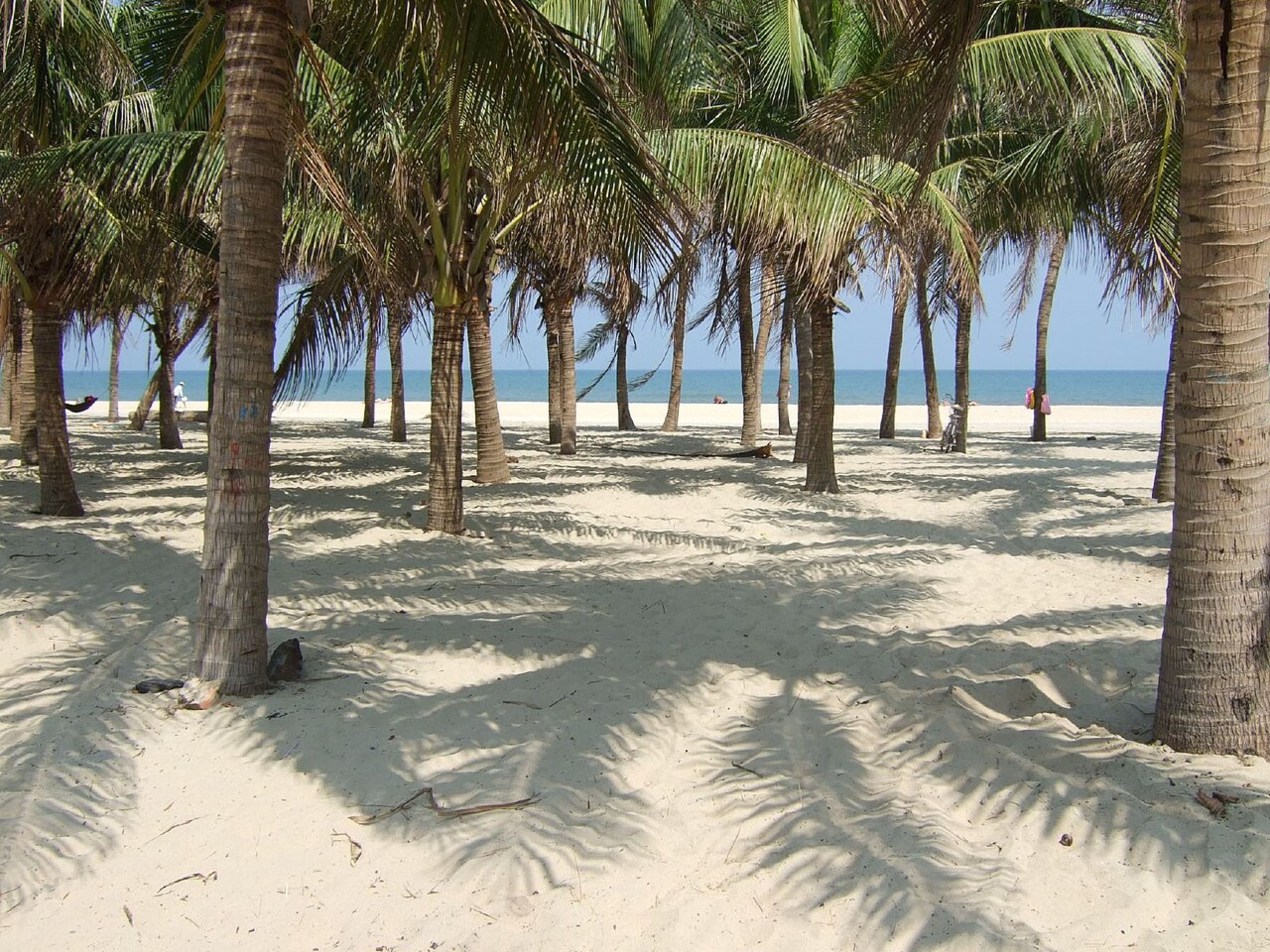
Cua Dai Beach
This long, golden-sand beach stretches peacefully just 5km from Hoi An's charming old town, offering a perfect escape from the bustling streets with its gentle waves and fishing village atmosphere. The shoreline is dotted with traditional wooden fishing boats and small seafood restaurants where you can dine with your feet in the sand while watching the sunset. Despite its proximity to town, Cua Dai retains an unhurried, authentic charm that feels worlds away from typical tourist beaches.
Photo by Flickr user: marfis75 https://www.flickr.com/photos/marfis75/404877506/ — CC BY-SA 2.0
Japanese Covered Bridge
This charming wooden bridge, built by Japanese merchants in the late 16th century, features a small temple perched atop its curved arch and remains one of Hoi An's most iconic symbols. The bridge's weathered timber structure and ornate railings reflect centuries of history, connecting the old town's Japanese quarter with the rest of the ancient trading port. Walking across offers intimate views of the Thu Bon River and a tangible sense of stepping back into Vietnam's multicultural trading past.
Photo by Vuong Tri Binh — CC BY-SA 4.0

Lantern Making Classes
Step into Hoi An's most enchanting tradition by crafting your own silk lantern under the guidance of patient local artisans who've perfected this craft for generations. These intimate classes transform you from tourist to temporary craftsperson as you shape bamboo frames, stretch colored silk, and paint delicate designs in the very heart of the ancient town. You'll leave with a glowing creation that captures both the luminous spirit of Hoi An's famous lantern-lit nights and a genuine connection to Vietnamese cultural heritage.
Photo by NguyenDo

Marble Mountains (Da Nang – nearby)
Five limestone peaks rising dramatically from the Da Nang flatlands, each named after classical elements (Water, Wood, Fire, Earth, Metal), hold hidden caves sheltering ancient Buddhist and Hindu temples. The climb rewards visitors with panoramic coastal views and the serene sight of incense smoke curling through cave sanctuaries where monks still gather for worship. The marble quarries at the base showcase local artisans crafting everything from religious statues to modern sculptures, creating an engaging blend of spirituality and craftsmanship.
Photo by Andre Hospers — CC BY 4.0

Museum of Folk Culture
Housed in a beautifully preserved French colonial mansion, this intimate museum showcases the daily life and crafts of central Vietnamese communities through textiles, ceramics, and traditional tools. The collection offers genuine insight into how Hoi An's residents lived before tourism transformed the town, with displays arranged room-by-room in a way that feels like exploring a family home. Each exhibit tells a quiet story about agricultural rhythms, household rituals, and the artisanal skills passed down through generations.
Photo by Gary Todd from Xinzheng, China — CC0

Museum of Trading Ceramics
Housed in a beautifully preserved French colonial mansion on Hoi An's ancient streets, this intimate museum showcases centuries of Vietnamese ceramics through the lens of maritime trade. The collection tells the story of how Hoi An became a thriving port, with delicate porcelains, utilitarian wares, and kiln fragments revealing the craftsmanship that once flowed through the harbor.
Photo by Steffen Schmitz (more photos) — CC BY-SA 4.0

My Son Sanctuary (day trip)
This haunting collection of weathered brick temples hidden in a lush valley represents the spiritual heart of the Champa Kingdom, with some structures dating back to the 4th century. Crumbling towers and intricate carvings peek through jungle overgrowth, creating an atmosphere that feels frozen in time and thoroughly enchanting. The site's remote location and mysterious ruins evoke a sense of discovery that few archaeological sites in Vietnam can match.
Photo by Võ Văn Tiến

Phung Hung Old House
This beautifully preserved 18th-century merchant house showcases the ingenious architecture of old Hoi An, with its distinctive wooden shutters, latticed windows, and clever ventilation system that keeps it cool without air conditioning. The home reveals the life of a wealthy Chinese-Vietnamese family, featuring an interior courtyard, ancestral altar, and rooms that blend Chinese, Japanese, and French colonial influences. Walking through its dim corridors lined with antique furniture feels like stepping directly into Vietnam's mercantile past.
Photo by Khương Việt Hà — Public domain

Tailoring Shops
Hoi An's tailoring shops are legendary among travelers, offering custom-made clothing at remarkably affordable prices with quick turnaround times. Concentrated primarily along Tran Phu Street and surrounding alleys in the Ancient Town, these establishments employ skilled craftspeople who can replicate any design or create original garments from fabric samples. The tailoring tradition has become integral to Hoi An's economy and reputation, attracting visitors worldwide seeking bespoke suits, áo dài, and designer replicas.
Photo by Vuong Tri Binh — CC BY-SA 4.0

Tan Ky Old House
This beautifully preserved 18th-century merchant's house showcases the finest Vietnamese-Chinese architectural fusion, with ornate wooden details, intricate carvings, and a charming central courtyard that invites you to step back into Hoi An's trading heyday. The home remains inhabited by descendants of the original family, lending an authentic lived-in atmosphere that brings the space to vivid life beyond typical museum sterility. Each room reveals layers of history through ancestral altars, period furnishings, and craftsmanship that reveals why this ancient town captivated merchants for centuries.
Photo by YukioSanjo — CC BY-SA 4.0

Tra Que Vegetable Village
Nestled just 3km from Hoi An's ancient town, this working vegetable village has supplied the region's restaurants and markets for generations using traditional farming methods passed down through families. You'll walk between lush garden plots where locals hand-water herbs, leafy greens, and vegetables while chatting casually about seasonal harvests and their daily rhythms. The peaceful, unhurried atmosphere offers an authentic glimpse into rural Vietnamese life that feels worlds away from the tourist hustle of nearby streets.
Photo by Wphoto

Tran Family Chapel
This beautifully preserved family chapel, built during the Nguyen Dynasty, showcases the blend of Vietnamese, Chinese, and French architectural influences characteristic of Hoi An's heritage buildings. The chapel's intimate wooden interior features ornate carvings, ancestral altars, and traditional furnishings that offer a genuine glimpse into the spiritual life of a prominent local family. Visiting this active place of worship provides a respectful window into the deep-rooted ancestor veneration traditions that remain central to Vietnamese culture.
Photo by Wphoto