
Ho Chi Minh City pulses with an intoxicating blend of colonial grandeur, revolutionary history, and unbridled modernity. Once known as Saigon, Vietnam's most vibrant metropolis sprawls across the banks of the Saigon River, where French architecture stands shoulder to shoulder with gleaming skyscrapers and bustling street markets. The city's energy is infectious—a place where centuries of trade, conflict, and resilience have woven themselves into the fabric of daily life.
Key Attractions
View all attractions →Ben Thanh Market
Ho Chi Minh City's most recognizable market, a bustling labyrinth of stalls selling textiles, souvenirs, spices, and street food beneath a distinctive colonial clock tower.
Diego Delso, CC BY-SA 3.0, via Wikimedia Commons

Bitexco Financial Tower
A 68-story modern skyscraper with a viewing deck on the 49th floor offering panoramic views across the sprawling city and Saigon River delta.
Lê Minh Phát, CC BY-SA 4.0, via Wikimedia Commons
Central Post Office
A stunning yellow French colonial building with a soaring interior hall lined with vintage telephone booths, designed by renowned architect Gustave Eiffel's firm.
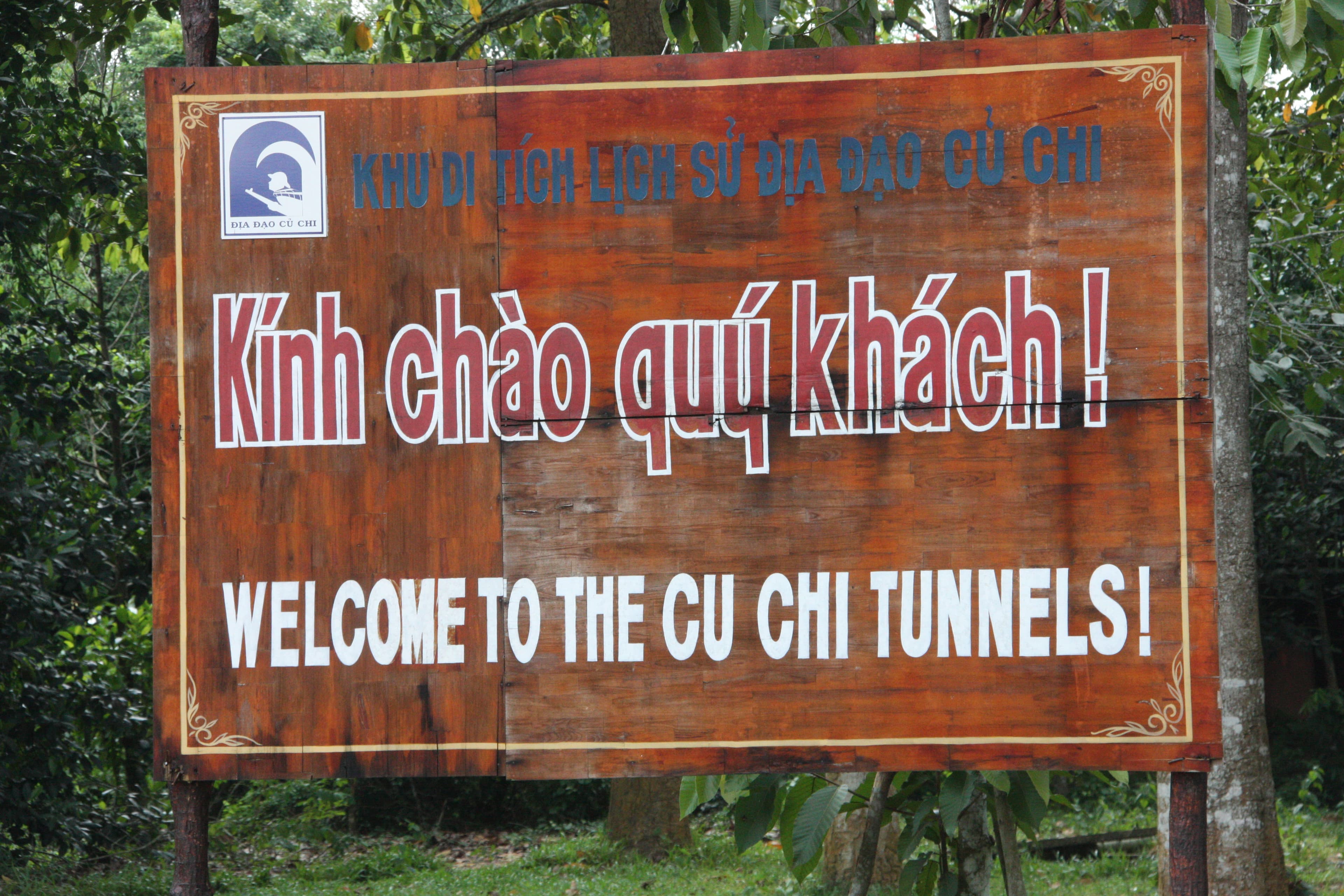
Cu Chi Tunnels
An underground network of tunnels constructed during the Vietnam War, now a partially preserved complex where visitors can crawl through authentic sections and glimpse wartime ingenuity.
Lars Curfs (Grashoofd), CC BY-SA 3.0 nl, via Wikimedia Commons
District 1
The historic heart of the city, where French colonial architecture meets modern development, tree-lined streets lead past museums, galleries, and elegant colonial villas.
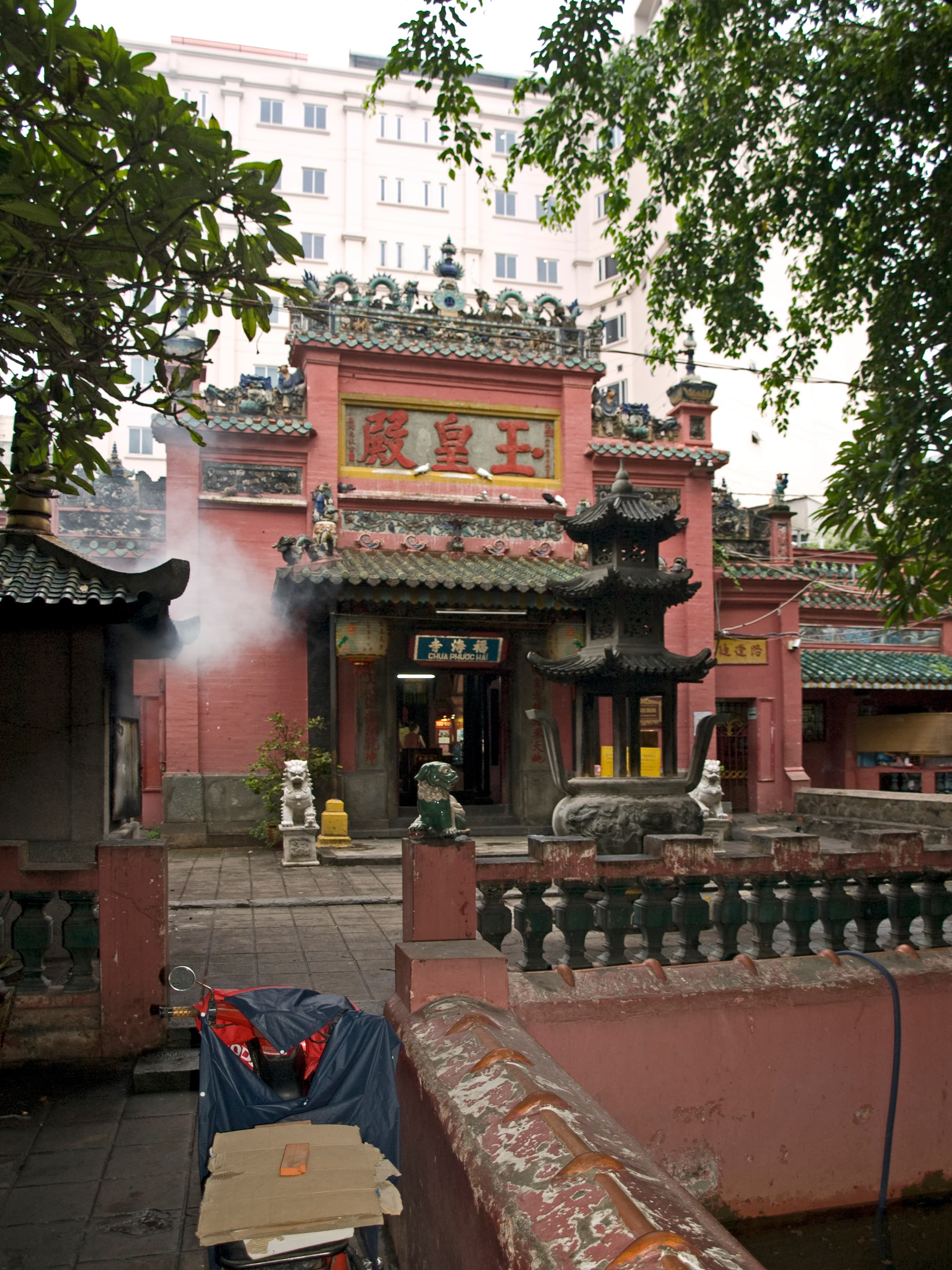
Jade Emperor Pagoda
An ornate 19th-century temple dedicated to the Jade Emperor, its dimly-lit chambers are thick with incense smoke and filled with intricately carved wooden statues of deities.
Ymblanter, CC BY-SA 4.0, via Wikimedia Commons

Notre-Dame Cathedral
A striking red-brick French colonial cathedral at the heart of District 1, its neo-Romanesque spire dominates the cityscape and offers a serene counterpoint to urban chaos.
Diego Delso, CC BY-SA 3.0, via Wikimedia Commons
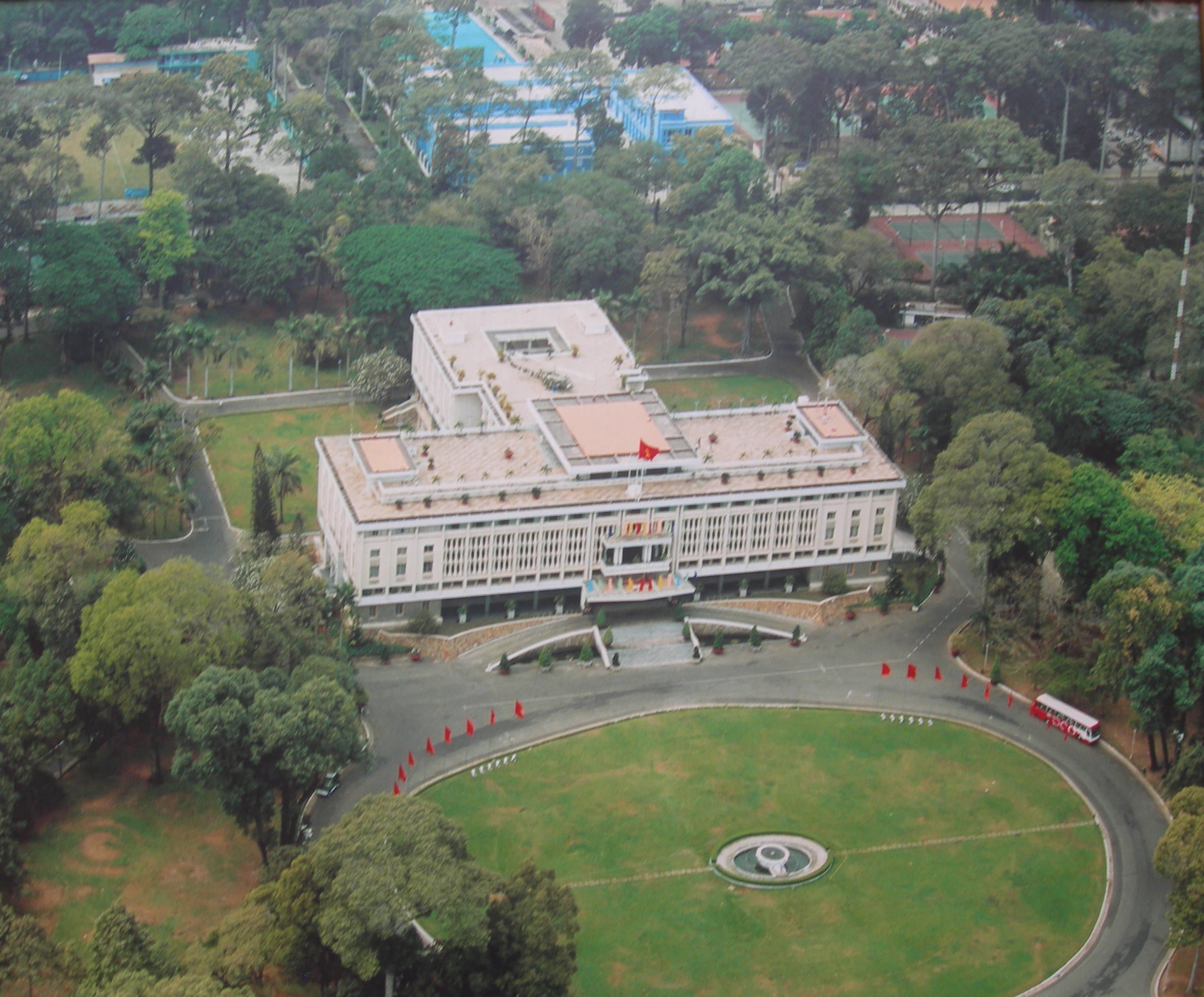
Reunification Palace
The iconic 1960s presidential residence where the Vietnam War officially ended, its modernist architecture and preserved state rooms offer insight into the nation's pivotal moment.
Alexis Lê-Quôc from New York, United States, CC BY 2.0, via Wikimedia Commons
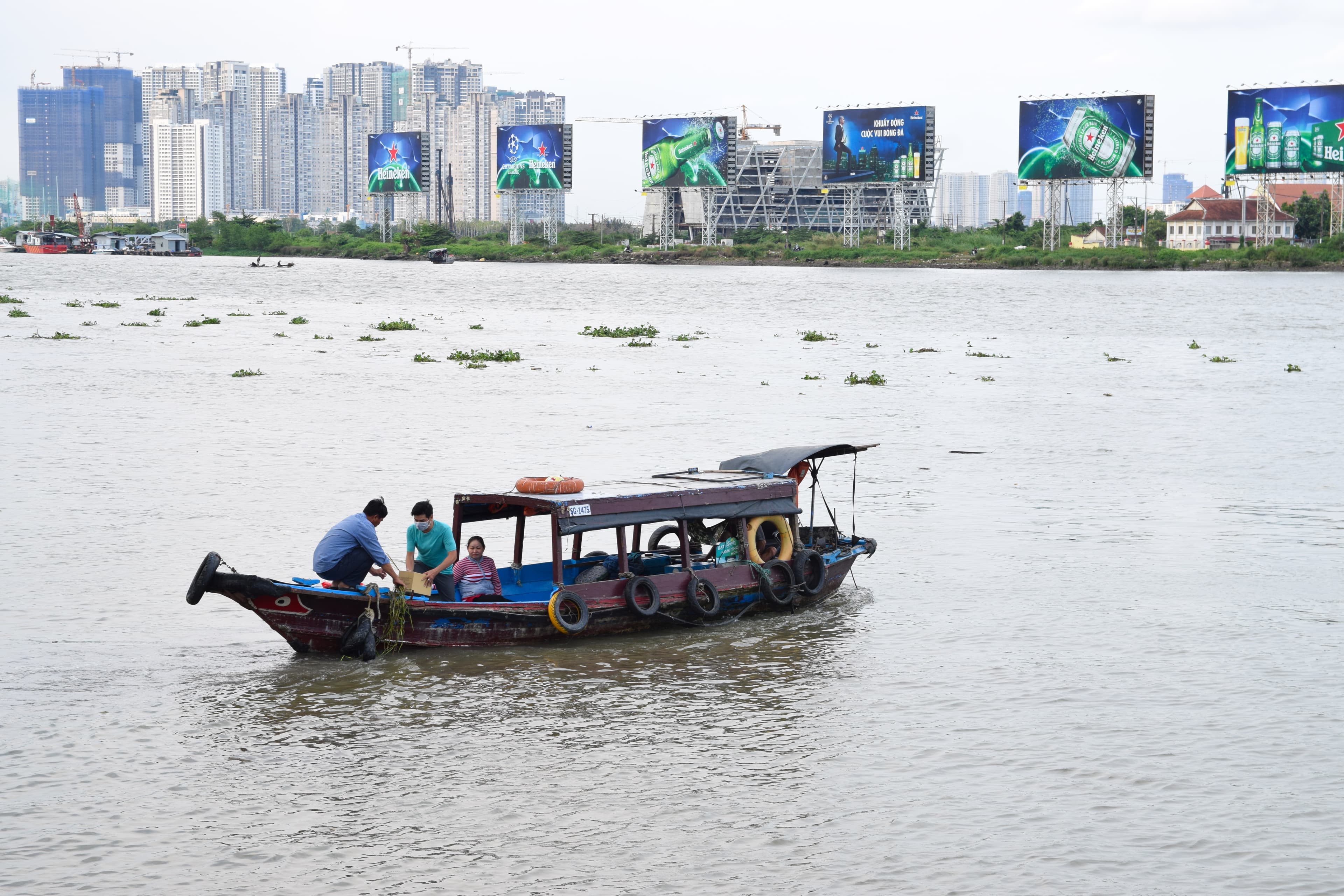
Saigon River
The lifeblood of Ho Chi Minh City, its waterfront promenade along District 1 is lined with colonial buildings, riverside cafés, and evening strollers watching sunset reflections.
Raita Futo from Tokyo, Japan, CC BY 2.0, via Wikimedia Commons
Tan Dinh Church
A vibrant pink-painted Catholic church in District 1, its striking color and Gothic architecture make it an iconic photo spot and functioning place of worship.
Thao Dien
An upscale riverside neighborhood in District 2 known for tree-lined streets, colonial villas converted into galleries and cafés, and a thriving expatriate community.
Syced, CC0, via Wikimedia Commons

War Remnants Museum
A powerful and sobering chronicle of Vietnam's conflicts, housing photographs, weapons, and personal artifacts that document the human cost of war with unflinching honesty.
Prenn, CC BY-SA 3.0, via Wikimedia Commons
Itineraries Here
Planning a Trip to Ho Chi Minh City: FAQs
When is the best time to visit Ho Chi Minh City?
⌄
The best time to visit Ho Chi Minh City is fall|winter.
How many days do you need in Ho Chi Minh City?
⌄
Plan on about 4 days to cover Ho Chi Minh City's highlights at a comfortable pace.
How do you get to Ho Chi Minh City?
⌄
Tân Sơn Nhất International Airport, one of Southeast Asia's major hubs, welcomes direct flights from the United States and connections across Asia. The airport is roughly 10–15 kilometers from central districts, with taxi, ride-share, and shuttle options available. Ho Chi Minh City is also accessible via domestic flights from Hanoi (approximately 2 hours) and serves as the primary international gateway to southern Vietnam.
What are the top things to do in Ho Chi Minh City?
⌄
Top attractions in Ho Chi Minh City include Ben Thanh Market, Bitexco Financial Tower, Central Post Office, Cu Chi Tunnels and District 1. Itinara lists 12 verified attractions in total.