
Kyoto is Japan's spiritual heartland, a city where over a thousand years of imperial history breathes through bamboo groves, temple gardens, and lantern-lit geisha districts. Walking beneath vermillion torii gates and along moss-covered pathways, you'll encounter the refined aesthetic that has shaped Japanese culture—a place where tranquility and beauty aren't aspirational but woven into daily life. The city's blend of 2,000+ temples and shrines alongside traditional wooden machiya houses creates an immersive step back in time, even as modern Japan thrums quietly in the background.
Key Attractions
View all 33 attractions →
Arashiyama Bamboo Grove
This serene forest of towering mōsō bamboo stalks creates an almost otherworldly corridor where sunlight filters through in delicate shades of green, transporting you far from the bustle of Kyoto's streets. Walking through the winding pathways feels like stepping into a living bamboo cathedral, where the gentle rustling of leaves overhead provides a natural soundtrack to your exploration. The grove's peaceful atmosphere makes it one of Japan's most meditative natural experiences, though arriving early is key to avoiding the crowds that gather throughout the day.
Photo by Acres of Film

Daigo-ji Temple
This serene hilltop temple enchants visitors with its five-story pagoda nestled among towering cryptomeria trees, creating an almost ethereal atmosphere as morning mist clings to the mountainside. The temple's layered grounds reveal hidden gardens, moss-covered stone lanterns, and peaceful viewing platforms where you can absorb centuries of spiritual tradition in quiet contemplation. Daigo-ji masterfully blends architectural elegance with natural beauty, making it feel like stepping into a living painting rather than simply touring a historic site.
Photo by Acres of Film
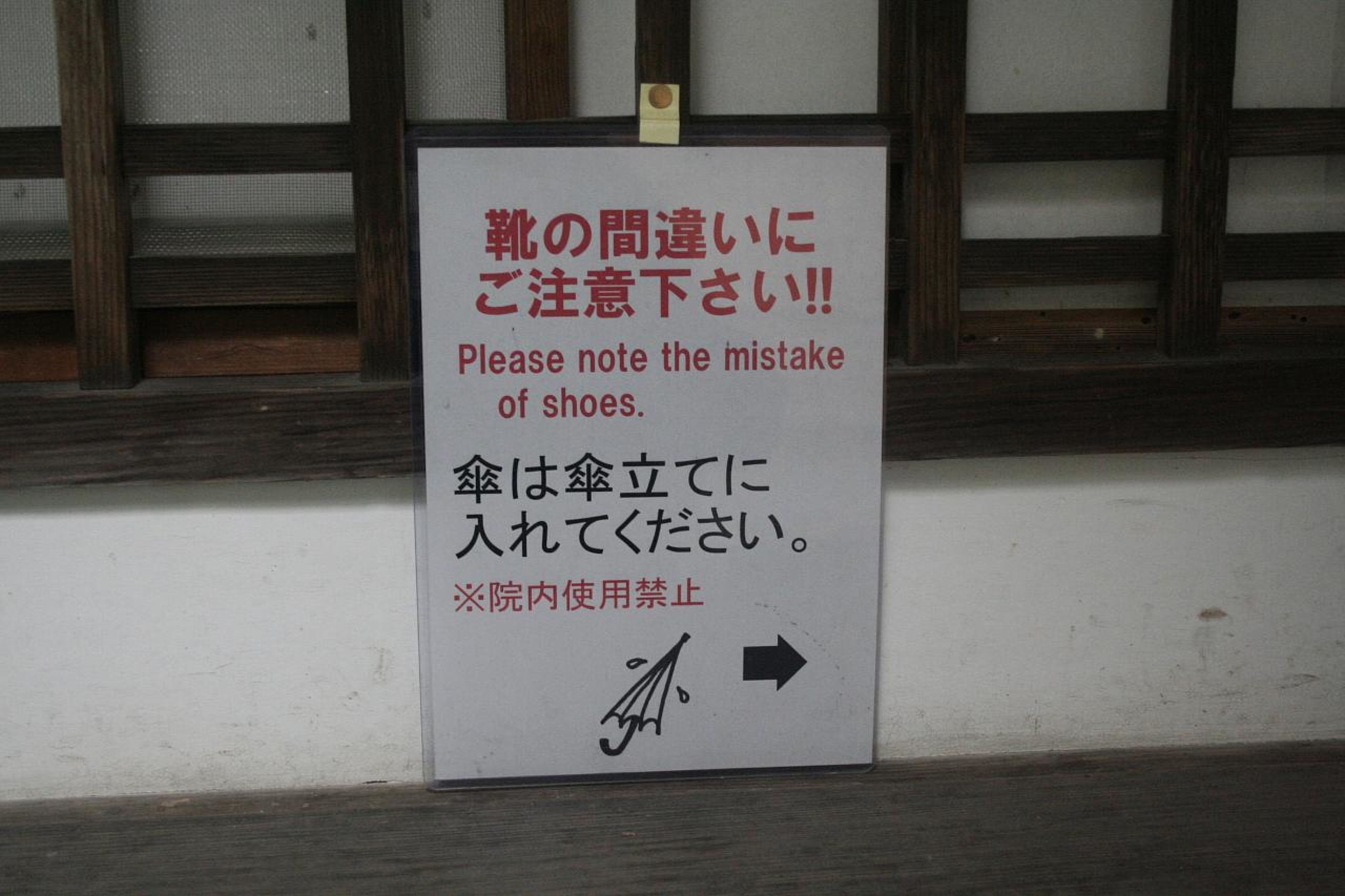
Daitoku-ji Temple
This sprawling Zen temple complex in northern Kyoto captivates visitors with its serene gardens, austere architectural lines, and the quiet intensity of monastic life still visible within its walls. Walking through the temple's multiple courtyards and contemplation gardens feels like stepping into a living meditation, where the carefully raked gravel and carefully placed stones speak louder than words. The compound's 24 sub-temples each offer unique perspectives on Buddhist aesthetics, making Daitoku-ji feel less like a single destination and more like an entire world unto itself.
Photo by Rory Hyde — CC BY-SA 2.0

Fushimi Inari Shrine
This ancient shrine dedicated to Inari, the kami of rice and prosperity, enchants visitors with thousands of vermillion torii gates that tunnel up the forested mountainside in a mesmerizing passage. The peaceful lower shrine buildings showcase traditional architecture while the winding mountain paths offer solitude seekers an ethereal experience among the gates and smaller shrines. Whether you visit for spiritual reasons or simply to witness one of Japan's most iconic and photogenic landscapes, Fushimi Inari leaves a lasting impression.
Photo by Basile Morin — CC BY-SA 4.0

Fushimi Sake District
Nestled in southern Kyoto, Fushimi has been Japan's premier sake-brewing hub for over three centuries, with sake literally flowing through its waterways. Charming wooden buildings line quiet streets where you can peek into working breweries and watch traditional sake-making processes, then sample award-winning varieties at intimate tasting rooms. The district's rich mineral-laden waters from underground springs create the perfect conditions for crafting sake that has earned international acclaim.
Photo by AXP Photography
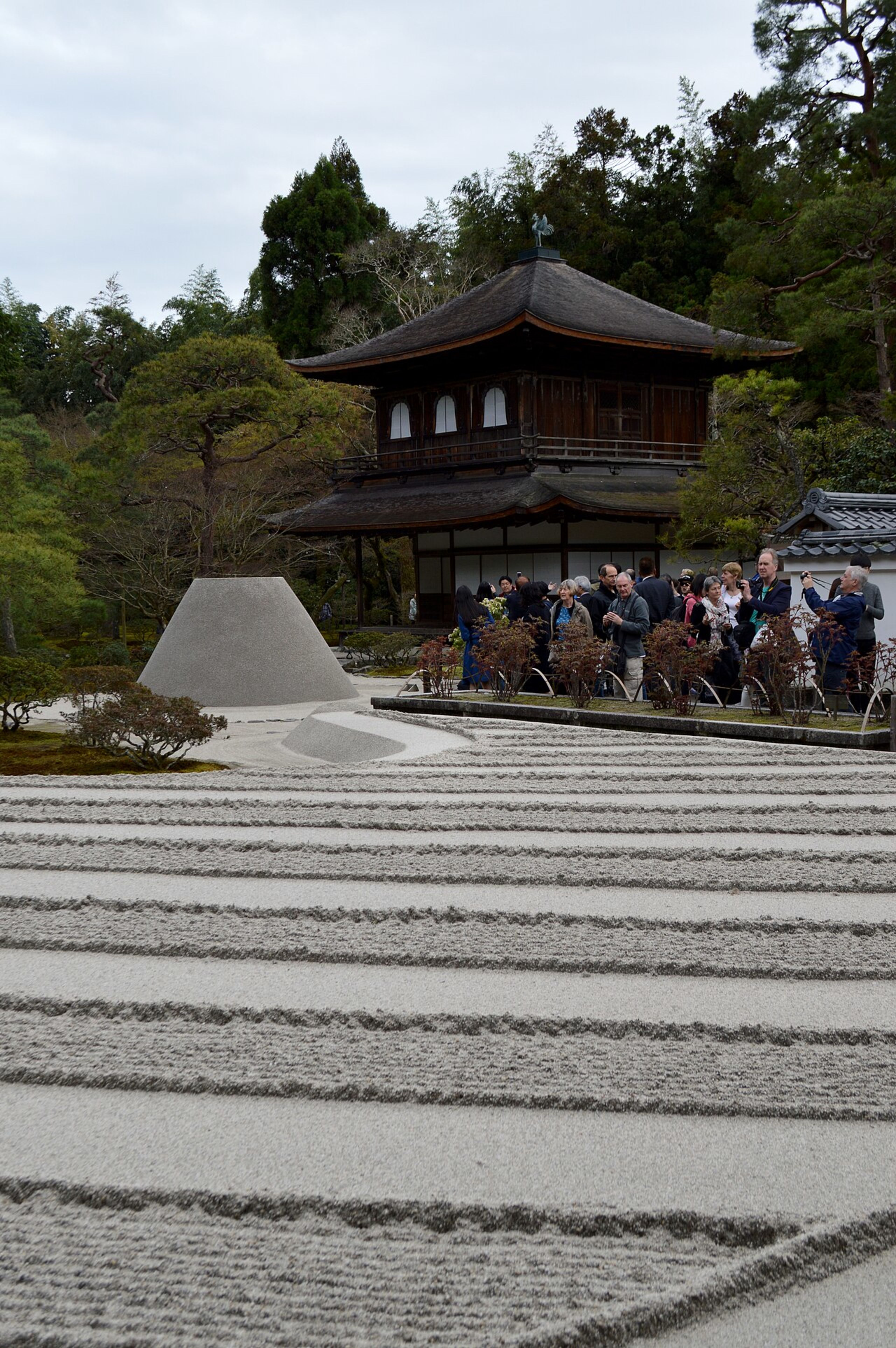
Ginkaku-ji (Silver Pavilion)
This serene 15th-century temple captivates visitors with its iconic two-story pavilion set against meticulously raked gravel gardens and reflective pond, creating a zen meditation that shifts with every season. The namesake silver leaf coating was never actually applied to the structure, yet its weathered wood seems to glow with an ethereal quality especially during dawn and dusk. Wandering the moss-covered grounds feels like stepping into a carefully composed ink painting where every stone, tree, and carefully placed element tells a story of impermanence and beauty.
Photo by DimiTalen — CC0

Gion District (Geisha District)
Gion's atmospheric wooden machiya townhouses and lantern-lit alleyways transport you back centuries, where the tradition of geisha culture still thrives in this meticulously preserved neighborhood. Stroll along Hanami-koji Street or the narrower Shirakawa Minami-dori to spot elegantly dressed geishas moving gracefully between evening engagements, their silk kimonos catching the soft glow of paper lanterns. The district seamlessly blends living heritage with refined dining and shopping, offering an intimate glimpse into Kyoto's most iconic cultural enclave.
Photo by Alexander Zvir

Heian Shrine
This magnificent vermillion shrine honors the spirits of Kyoto's founding and offers a serene escape with its expansive gardens, peaceful pond, and traditional torii gates framing the compound. The iconic bright red structure contrasts beautifully with the surrounding greenery, creating one of Kyoto's most photogenic and spiritually tranquil spaces. Built to commemorate Kyoto's 1,100 years of history, it captures the essence of classical Japanese architectural elegance in a surprisingly uncrowded setting.
Photo by alvin.leong
Higashiyama District
Higashiyama District preserves Kyoto's soul with its winding cobblestone streets lined by traditional wooden machiya houses, authentic tea houses, and independent shops selling everything from handmade pottery to silk goods. Walking through this atmospheric neighborhood feels like stepping back several centuries, where geishas still hurry between appointments and incense smoke drifts from temple gates. The district offers an intoxicating blend of spiritual contemplation and sensory indulgence, with temple gardens providing peaceful retreats from the charming bustle below.
Photo by Basile Morin — CC BY-SA 4.0

Katsura Imperial Villa
This serene imperial retreat masterfully blends architecture and landscape design, with its elegant wooden pavilions reflected in tranquil ponds surrounded by carefully curated gardens. Built in the early 17th century for imperial family relaxation, the villa represents the pinnacle of Japanese aesthetic philosophy where every stone, plant, and structure serves the harmonious whole. Visitors experience a poetic journey through borrowed scenery and seasonal vistas that shift throughout the year.
Photo by roger4336

Kinkaku-ji (Golden Pavilion)
This shimmering Zen temple, covered entirely in gold leaf, reflects itself in a mirror pond with an almost dreamlike perfection that catches visitors completely off guard. Built as a retirement villa in the 14th century and later converted to a temple, Kinkaku-ji embodies the aesthetic harmony of traditional Japanese garden design, where every stone, tree, and building element plays a role in creating contemplative beauty. The crowds can be substantial, but arriving before opening often rewards you with quiet moments to absorb the pavilion's serene magic.
Photo by Acres of Film

Kiyomizu-dera Temple
Perched dramatically on a hillside overlooking Kyoto, Kiyomizu-dera's iconic wooden stage seems to float above the forested valley below, offering breathtaking views that have captivated pilgrims for over a thousand years. The temple's sacred spring water is believed to grant wishes for health, longevity, and academic success, drawing crowds of hopeful visitors who carefully balance three sips from the cascading streams. Beyond the famous stage, winding paths reveal hidden gardens, smaller shrines, and unexpected vistas that reward those who linger beyond the main thoroughfare.
Photo by Ivo Stirling
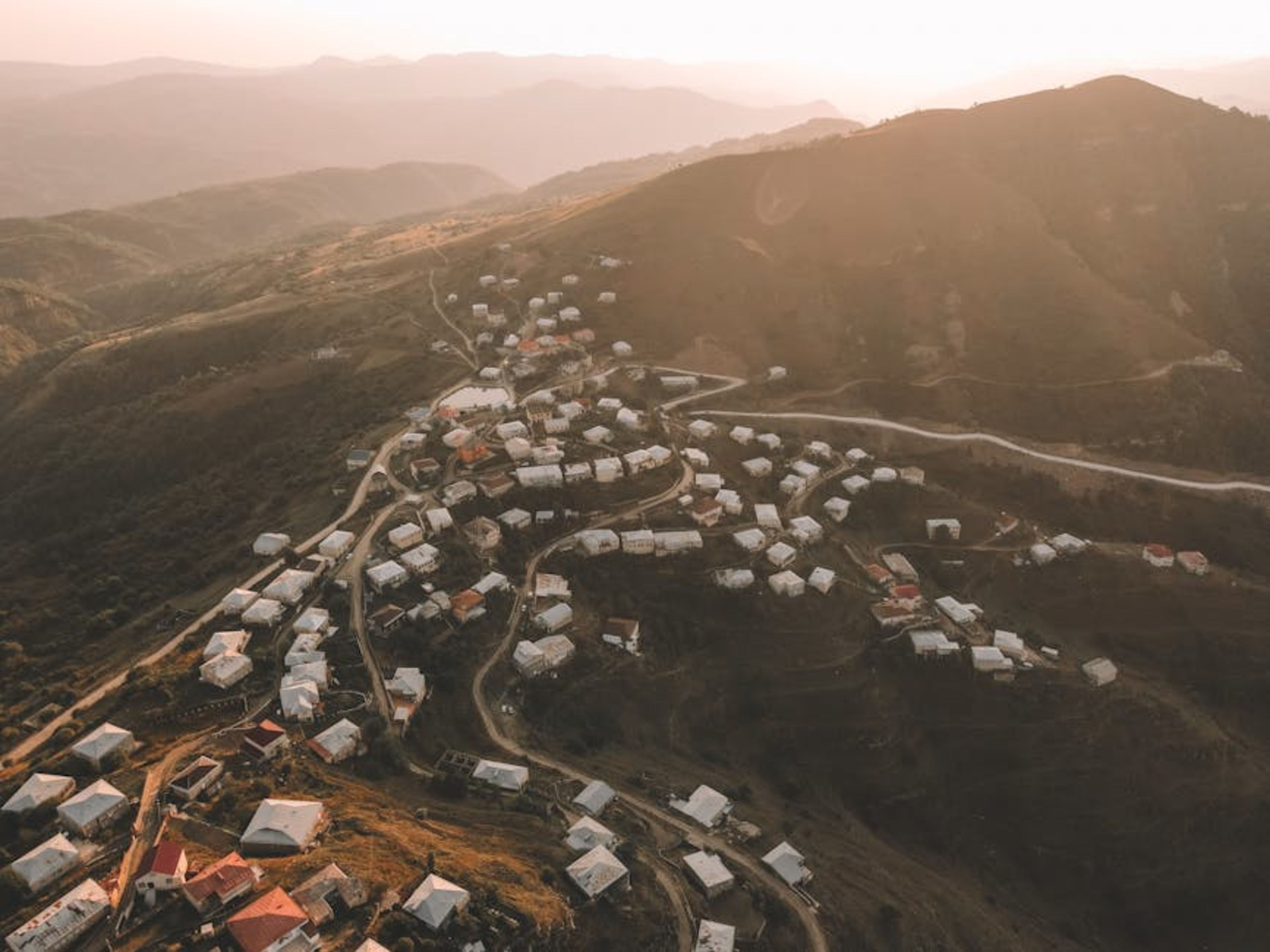
Kurama & Kibune (mountain villages)
These charming mountain villages north of Kyoto offer pristine natural scenery, traditional wooden temples, and peaceful hiking trails through cedar and bamboo forests. Kurama is famous for its historic onsen (hot spring) inns and the dramatic Kibune Shrine nestled in a gorge, while Kibune village retains authentic rural character with flowing streams and seasonal beauty. The area provides an escape from urban Kyoto with opportunities for forest bathing, temple visits, and sampling local mountain cuisine.
Photo by Ivan Larin

Kyoto National Museum
This distinguished museum houses one of Japan's finest collections of pre-modern art, from ancient Buddhist sculptures to delicate scrolls and ceramics that reveal the soul of Japanese aesthetics. Set in a stately Meiji-era building within the culturally rich Higashiyama district, it offers intimate encounters with treasures that shaped Japan's artistic legacy. The carefully curated exhibitions rotate seasonally, ensuring fresh discoveries even for repeat visitors.
Photo by Japanexperterna.se

Maruyama Park
Nestled at the base of the Higashiyama Mountains, Maruyama Park is Kyoto's premier destination for spring's most magical moment—when hundreds of cherry trees burst into delicate pink bloom. The park's magnificent weeping cherry tree, over a century old and illuminated at night during peak season, becomes a mesmerizing focal point that draws photographers and romantics from around the world. Beyond the blossoms, this serene green space offers peaceful walking trails, traditional tea houses, and sweeping views that connect you to Kyoto's natural beauty throughout all seasons.
Photo by Bagus Pangestu

Momoyama Area
Momoyama is a charming historic district that feels like stepping into Japan's feudal past, with atmospheric narrow lanes winding past traditional merchant houses and tea establishments. The area served as the cultural heart of the Azuchi-Momoyama period and retains an intimate, unhurried atmosphere where locals still conduct daily life among centuries-old wooden structures. Walking through Momoyama offers authentic glimpses of geisha culture, artisan shops, and seasonal gardens without the overwhelming crowds of central Kyoto.
Photo by jimg944

Monkey Park Iwatayama
Perched on the forested slopes of Arashiyama, this open-air macaque sanctuary lets you observe over 50 Japanese macaques in their natural habitat while enjoying sweeping views of Kyoto's valleys and temples below. The park's hillside setting creates intimate encounters with these intelligent primates as they forage and play among the trees, offering a refreshingly wild alternative to traditional zoos. This working research facility maintains genuine conservation purposes while allowing visitors to understand macaque behavior and social dynamics up close.
Photo by Marco Bellucci
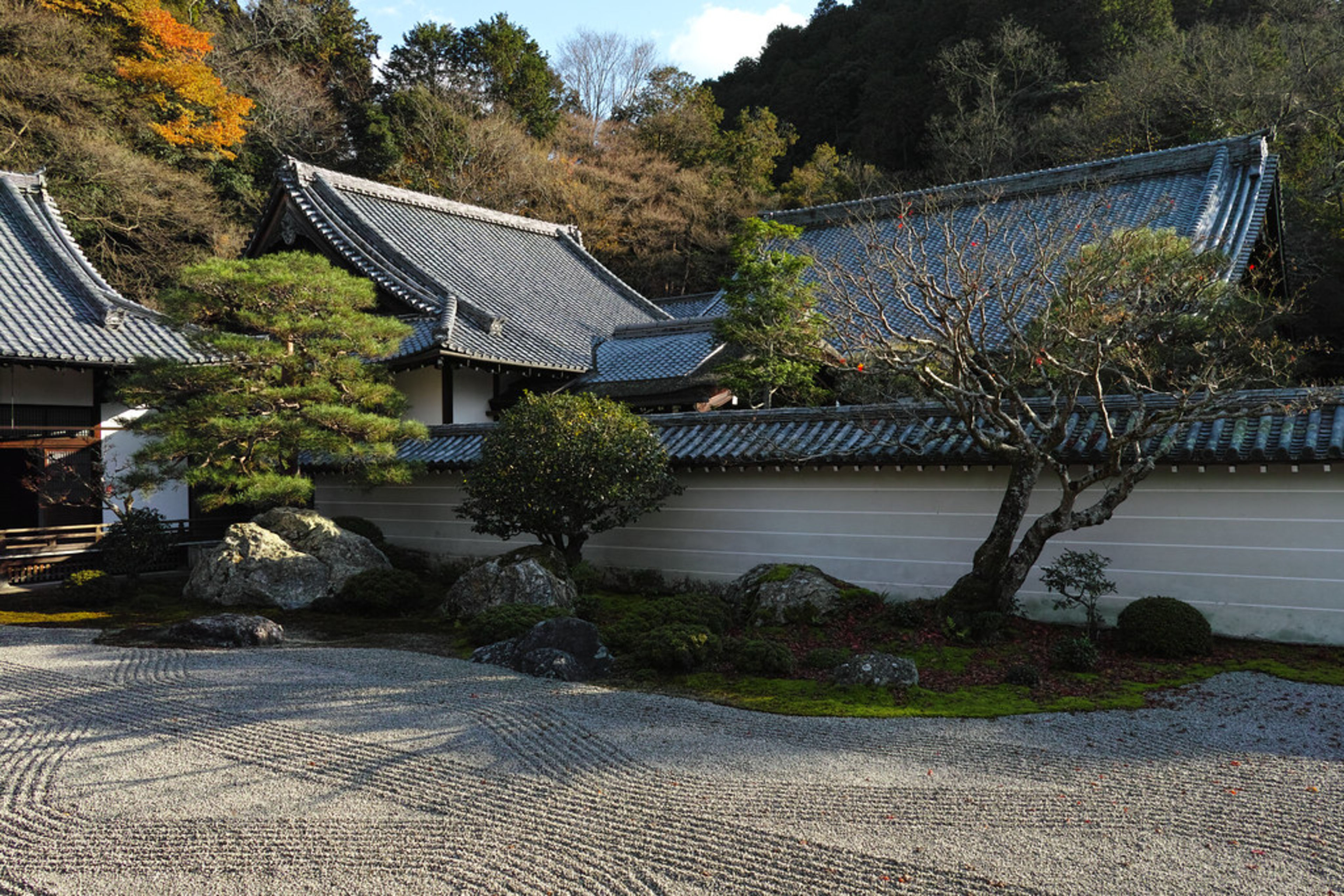
Nanzen-ji Temple
This sprawling Zen temple complex sits nestled in the forested hills of eastern Kyoto, where the peaceful sound of water channels running through moss-covered gardens creates an almost meditative atmosphere. The iconic red brick aqueduct cutting through the temple grounds is a striking blend of Meiji-era engineering and centuries-old spirituality, offering perfect photo opportunities at every turn. Wandering through the subtemples and viewing gardens feels like stepping into a world where time moves more slowly.
Photo by bethom33

Nara (day trip – deer park)
Roaming through Nara Park feels like stepping into a living storybook where over 1,200 semi-wild sika deer bow politely for deer crackers and wander freely among ancient temples and manicured lawns. The gentle creatures have become the park's beloved ambassadors, creating unexpectedly intimate moments as they investigate visitors with curious eyes and playful nuzzles. Beyond the deer, the expansive 660-hectare park showcases Todai-ji Temple, seasonal cherry blossoms, and peaceful walking paths that reveal hidden shrines and scenic ponds around every corner.
Photo by Lawrence Lam

National Museum of Modern Art Kyoto
Nestled in Okazaki near the serene Lake Biwa Canal, this intimate museum showcases Japanese and international modern art spanning the 20th century to present day. The light-filled galleries feature rotating exhibitions alongside a permanent collection that emphasizes post-war Japanese artists and contemporary works, creating an unexpectedly peaceful art experience amid Kyoto's traditional landscape. The museum's thoughtful curation and manageable size make it feel like a curated conversation with art rather than an overwhelming expedition.
Photo by Tien Nguyen

Nijo Castle
This stunning fortified palace showcases the grandeur of the Edo period, with its famous nightingale floors designed to squeak and prevent ninja intrusions—a charming security feature you'll actually hear as you walk. The ornate Ninomaru Palace features incredible hand-painted screens and gold-leaf decorations that transport you directly into samurai-era opulence, while the peaceful outer gardens provide a serene counterpoint to the architectural splendor. As a UNESCO World Heritage Site, Nijō Castle masterfully blends defensive strategy with aesthetic refinement, offering insights into how Japan's feudal rulers balanced power and beauty.
Photo by Martin Falbisoner — CC BY-SA 4.0

Nishiki Market
Nishiki Market is a centuries-old covered arcade tucked into downtown Kyoto's Higashiyama district, where over 100 vendors pack incredibly fresh seafood, produce, pickles, and prepared foods into one atmospheric block. Locals call it 'Kyoto's Kitchen' because chefs and home cooks have sourced ingredients here since the 1600s, and the energy crackles with the blend of haggling voices, sizzling grills, and shopkeepers proudly displaying their wares. Walking through feels like stepping into Kyoto's culinary soul—you'll find everything from wild mushrooms and mountain vegetables to creamy tofu and delicate fish, many vendors offering samples that invite genuine tasting rather than hard selling.
Photo by djedj
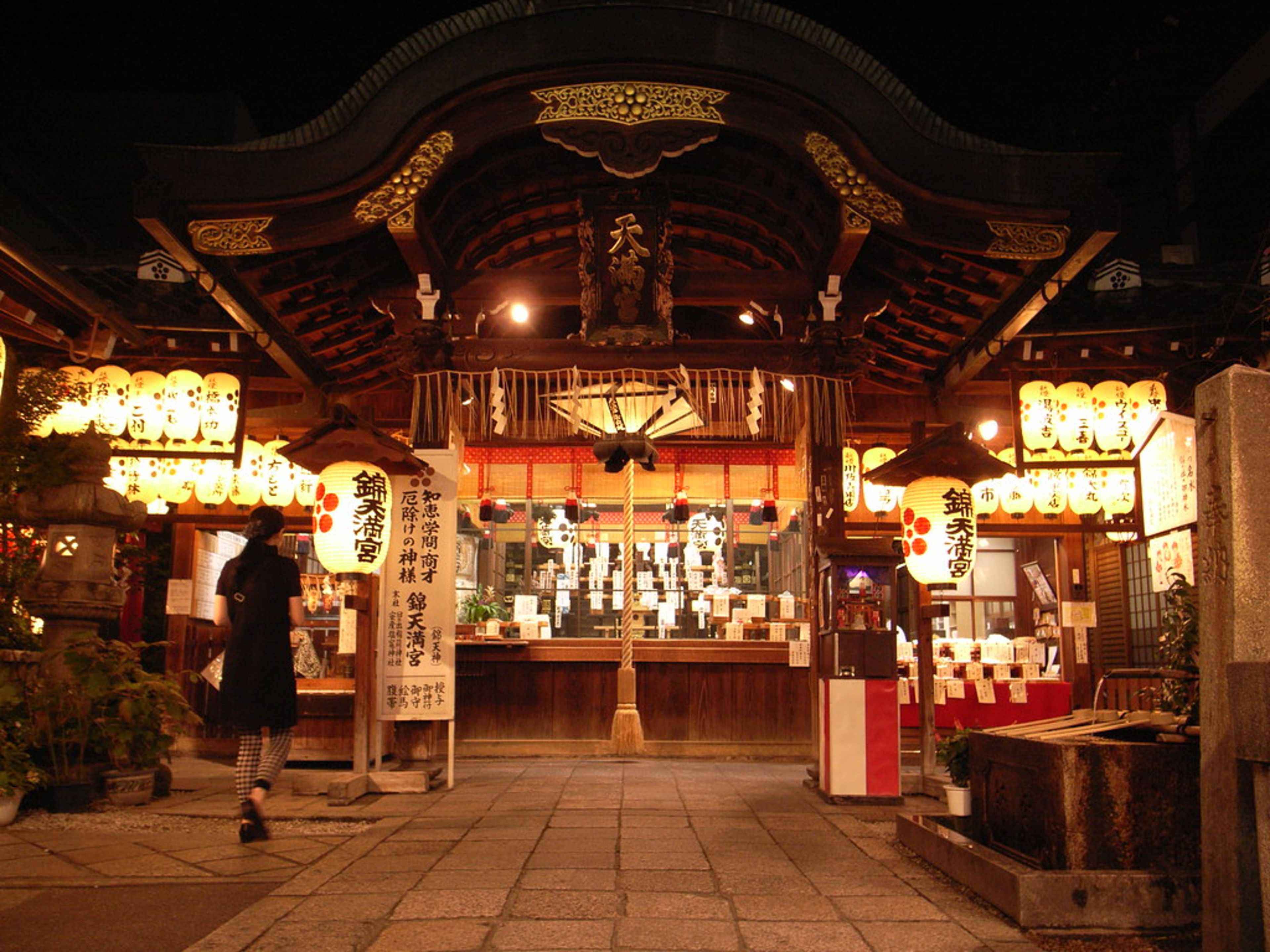
Nishiki Tenmangu Shrine
Tucked into the vibrant Nishiki Market district, this modest shrine dedicated to Sugawara Michizane offers a serene spiritual pause amid the bustling marketplace. The shrine's intimate atmosphere and traditional wooden structure create a quiet refuge where locals and visitors alike pause to offer prayers for academic success and good fortune. Its location within the market makes it a unique blend of sacred and secular Kyoto life.
Photo by matsuyuki

Okazaki Area (Heian Shrine & Museums)
The Okazaki district is Kyoto's premier cultural hub, anchored by the iconic vermillion Heian Shrine dedicated to the city's founding emperor and surrounded by world-class museums including the Kyoto National Museum and Museum of Modern Art. Strolling through this sophisticated neighborhood reveals traditional gardens, tree-lined pathways, and prestigious cultural institutions that collectively showcase Japan's artistic heritage. The area seamlessly blends spiritual contemplation with intellectual enrichment, making it essential for visitors seeking deeper cultural understanding.
Photo by K K

Philosopher's Path
This serene 2-kilometer canal-side walkway winds through Kyoto's quieter northeastern neighborhoods, lined with cherry trees and traditional wooden machiya houses that whisper stories of the city's philosophical past. The path meanders alongside a gentle waterway where locals and visitors alike find themselves naturally slowing down, lost in thought much like the Buddhist monks and scholars who once strolled here. Temples, small galleries, and tea houses peek out from behind weathered walls, creating an atmosphere far removed from Kyoto's busier tourist circuits.
Photo by devinedsel

Ponto-cho Alley
Tucked along the Kamogawa River, this intimate lantern-lit alley exudes old Kyoto charm with its wooden machiya buildings and geisha district ambiance that feels frozen in time. The narrow passage, barely wide enough for two people, is lined with exclusive kaiseki restaurants and teahouses where skilled geishas once entertained guests in candlelit rooms overlooking the water. Walking here after dark is pure magic—the soft glow of paper lanterns reflecting off the river creates an enchanting atmosphere that transports you to Kyoto's gilded past.
Photo by devinedsel
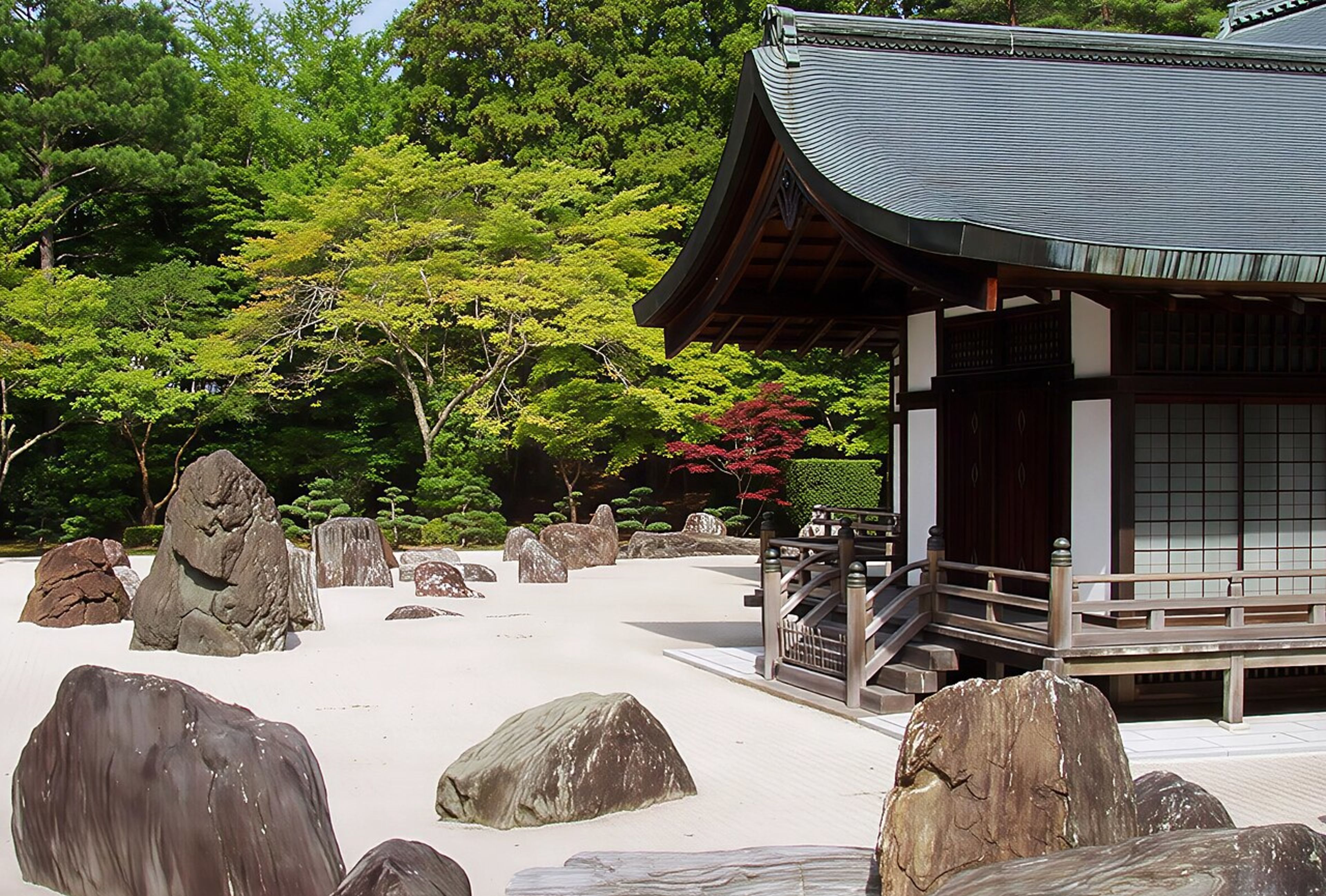
Ryoan-ji Temple & Rock Garden
This 15th-century Zen temple captivates visitors with its world-famous rock garden—a meditation masterpiece of fifteen stones arranged on white gravel that appears to shift perspective depending on where you sit. The minimalist composition invites countless interpretations and peaceful contemplation, embodying the essence of Japanese aesthetic philosophy. Beyond the garden, the temple grounds feature serene walking paths, ancient trees, and quiet corners perfect for reflection.
Photo by Pierre André Leclercq — CC BY-SA 4.0

Sagano Scenic Railway
This scenic railway winds through the lush Sagano district's bamboo groves and along the picturesque Hozu River gorge, offering passengers an immersive journey through some of Kyoto's most enchanting natural landscapes. The open-air carriages provide unobstructed views as the vintage-style train crosses dramatic wooden bridges and passes through densely forested valleys that seem untouched by time. Perfect for travelers seeking to experience rural Kyoto's serene beauty without leaving the comfort of a guided excursion.
Photo by 加藤好啓
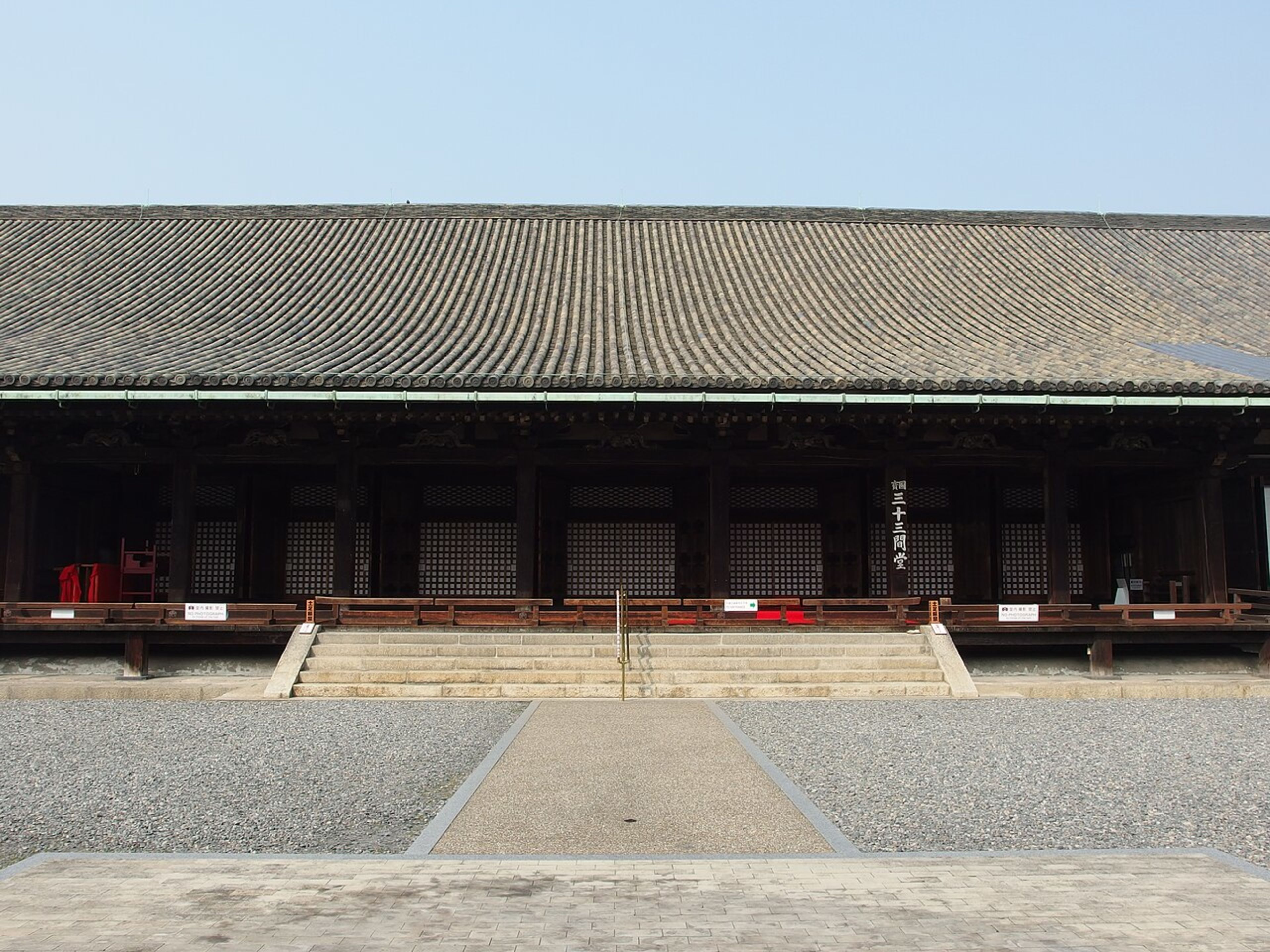
Sanjusangendo Hall
This remarkable 12th-century temple houses 1,001 golden Kannon statues standing in mesmerizing rows across a 120-meter-long wooden hall, creating an almost meditative visual experience. The serene atmosphere is heightened by the soft light filtering through the traditional architecture, making visitors feel transported to another era. It's one of Japan's most iconic Buddhist temples and a UNESCO World Heritage site that rewards quiet contemplation.
Photo by Guilhem Vellut from Annecy, France — CC BY 2.0
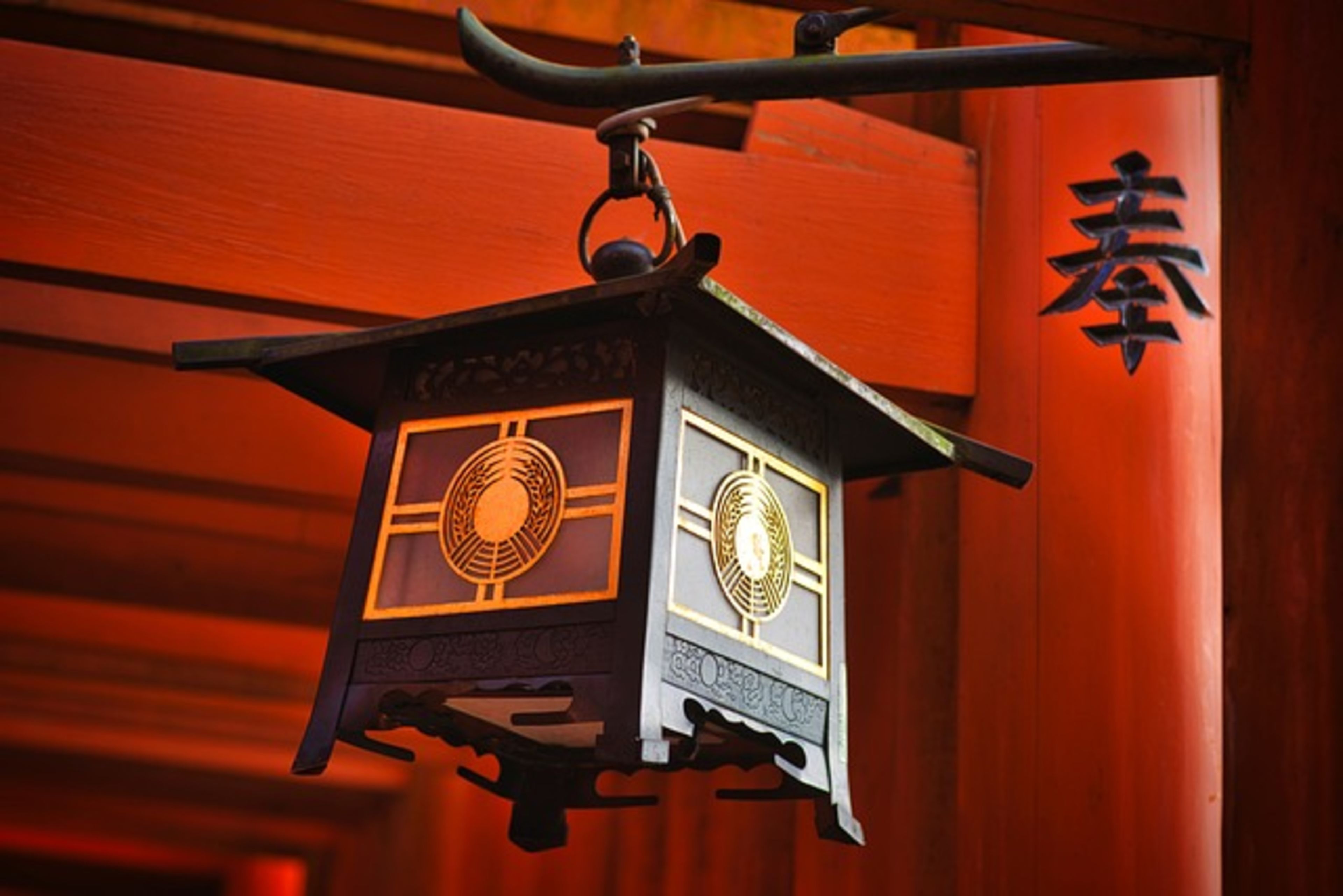
Shugakuin Imperial Villa
This serene imperial retreat spreads across hillside gardens featuring three distinct villa areas connected by scenic walking paths, each offering carefully framed views of Kyoto's distant valleys and mountains. Built as a retirement villa for Emperor Go-Mizunoo, Shugakuin masterfully blends architecture with landscape design, creating intimate spaces where nature's seasons become part of the palace's living art. The upper villa commands the most breathtaking vistas, with cherry trees in spring and maples in autumn painting the surrounding landscape in brilliant color.
Photo by djedj
Itineraries Here
Planning a Trip to Kyoto: FAQs
When is the best time to visit Kyoto?
⌄
The best time to visit Kyoto is spring.
How many days do you need in Kyoto?
⌄
Plan on about 4 days to cover Kyoto's highlights at a comfortable pace.
How do you get to Kyoto?
⌄
Kyoto is served by Kansai International Airport (approximately 90 minutes by train from the city center) and is easily reached by bullet train (Shinkansen) from Tokyo (2.5 hours), Osaka (75 minutes), or Kobe. The city has excellent local rail and bus networks, making a rental car unnecessary for most visitors.
What are the top things to do in Kyoto?
⌄
Top attractions in Kyoto include Arashiyama Bamboo Grove, Daigo-ji Temple, Daitoku-ji Temple, Fushimi Inari Shrine and Fushimi Sake District. Itinara lists 33 verified attractions in total.