5 DaysActive Retirees11 Stops

Kyoto, Japan

5-Day Itinerary for Active Retirees

β€œMoss, Gold, and Quiet Gates: 5 Days in Kyoto”

Moss, Gold, and Quiet Gates: 5 Days in Kyoto

Spring in Kyoto arrives as scattered petals on canal water and mist clinging to cedar-covered hills. This is a city that rewards slowness β€” where a single rock garden can hold your attention for an hour, and the best reward for early rising is a temple courtyard with no one else in it.

At a Glance

Climate & Weather
Spring (March–May) brings mild days in the 15-20Β°C range, cool mornings, and unpredictable rain showers. Cherry blossoms typically peak late March to early April. Pack breathable layers, a packable rain jacket, and a warm layer for early mornings and evenings.
Getting Around
Kyoto's bus and subway network reaches nearly everywhere, and taxis are plentiful and metered fairly. For this pace, taxis or private transfers between clusters are worth the modest cost to avoid transfers and walking with luggage. Within each district, everything is walkable on mostly flat, well-maintained paths.
Budget
Budget roughly $70-100 USD per person per day for meals and temple admissions at this pace, more if adding a kaiseki dinner or private garden reservations.
Safety
Kyoto is exceptionally safe for older travelers β€” low crime, courteous locals, and reliable emergency services. The main concerns are seasonal: slick stone paths after rain, uneven temple thresholds, and crowd density at famous sites midday. Wear shoes with good grip and use handrails at temple steps.
Connectivity
Cell coverage is excellent throughout the city center and outlying temple districts. Pocket WiFi rental or an eSIM is recommended for real-time transit apps; most temples and hotels offer free WiFi.
Local Tips
Reserve Katsura Imperial Villa and Shugakuin Imperial Villa online well in advance β€” same-day entry isn't possible. Arrive at popular temples before 9am for both smaller crowds and softer morning light. Carry a few 100-yen coins for temple donation boxes and vending machines.

Highlights

  • Sunrise stillness at the Golden Pavilion before the crowds arrive
  • A private reservation-only garden at Katsura Imperial Villa
  • Wandering Gion's lantern-lit lanes at dusk
  • Hillside vermillion gates at Fushimi Inari, seen in early morning hush
  • Riverside sake tasting in Fushimi's Edo-era brewery lanes
  • Silver sand gardens and a philosopher's canal walk beneath cherry trees
  • Nara's bowing deer beneath ancient cedar temples

Day-by-Day Plan

Arrival & orientation

Day 1: Gentle Arrival Among Bamboo and Mirror Ponds

A light introduction to Arashiyama's serenity with under 2 miles of flat, shaded walking and one long lunch to recover from travel.

Wear
Comfortable walking shoes, a light layer for cool morning air, and a foldable rain jacket just in case.
Budget
$60-80 per person
9:00 AM - 10:00 AM
Arashiyama Bamboo Grove Β· morning Β· 60 min Β· Arashiyama & Sagano

Thin stalks lean and creak overhead as light filters through in shifting green shards. Arriving by mid-morning after a slow start means missing the earliest crowds while still avoiding the midday crush β€” the grove is short, so no need to rush the walk.

Arashiyama Bamboo Grove
Photo by Acres of Film
Look straight up along the path midway through for the classic tunnel shot; soft overcast light works best, no harsh shadows.
Gravel path is flat and wide but can be slippery when wet; walking poles or sturdy shoes recommended.
5 min walk β€” A short stroll past souvenir stalls just waking up for the day.
10:15 AM - 11:30 AM
Tenryu-ji Temple Β· midday Β· 75 min Β· Arashiyama & Sagano

The pond here does something rare β€” it holds the sky and mountain so still it feels like a painting rather than water. Benches along the veranda invite unhurried sitting, and the raked gravel paths are level enough for slow, contemplative loops.
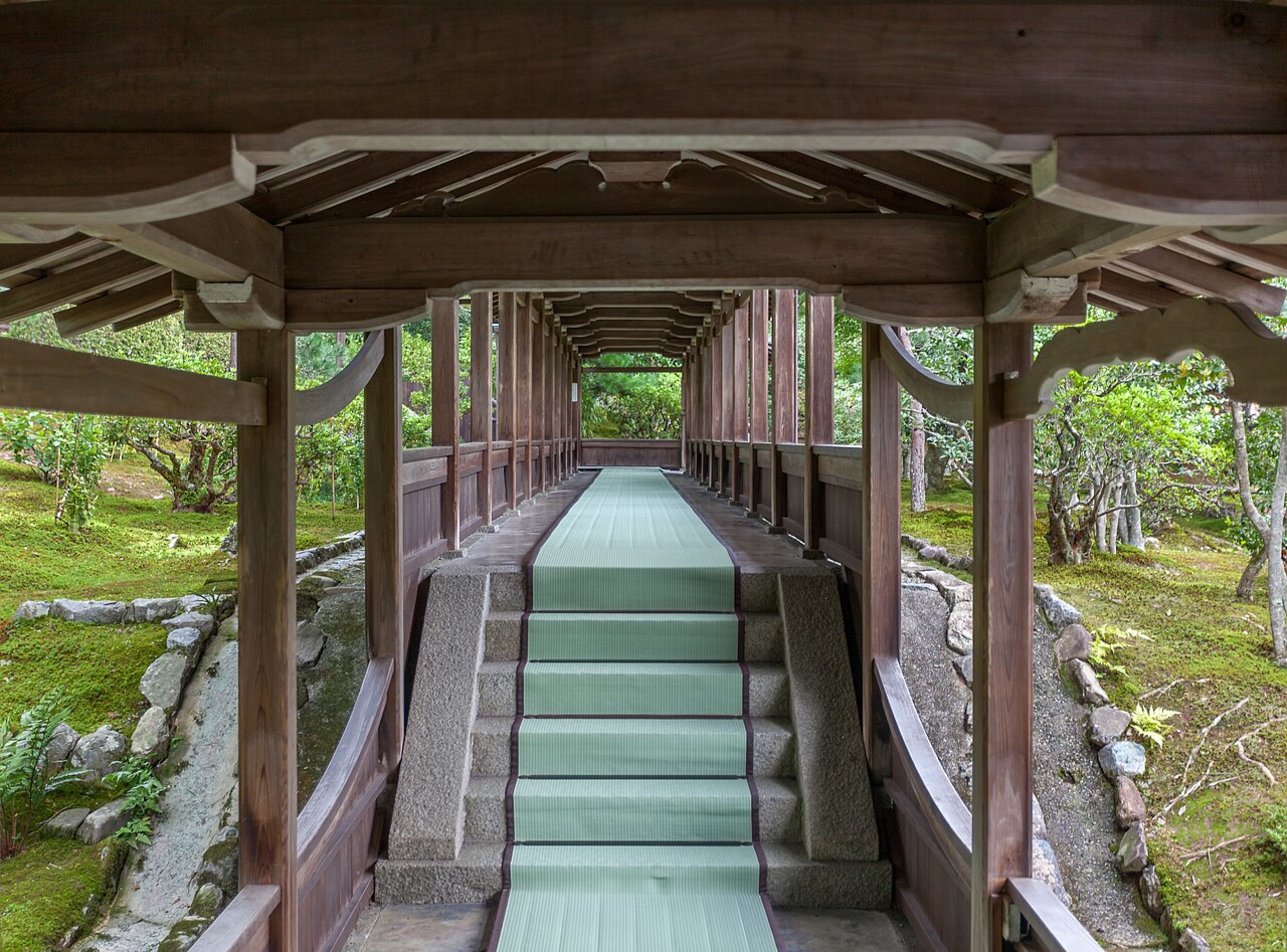
Tenryu-ji Temple
Photo by Marco Almbauer β€” CC BY-SA 4.0
The pond mirrors mountains best in late morning when the sun is higher and reflections sharpen.
Mostly flat gravel paths with some minor steps into temple buildings; benches available throughout the garden.
Lunch
mon pot $$
Local Β· Near Arashiyama Bamboo Grove
A quiet, unhurried spot near the bamboo grove β€” good for settling in after a flight with simple, well-made dishes.
Optional detour: Sagano Scenic Railway β€” After Tenryu-ji Temple and before returning to accommodation
A gentle, seated ride through the bamboo-lined gorge β€” no walking required, just open windows and mountain air. Skip if: Skip if energy is low after travel; the train requires advance ticket purchase and a walk to the station.
If it rains: If rain arrives, Tenryu-ji's covered verandas and interior halls offer a dry, contemplative retreat with garden views still visible from under the eaves.

The day begins gently, with a slow walk into Arashiyama's bamboo grove where the light turns green and the only sound is wind moving through thousands of narrow stalks. There's no rush here β€” a single loop through is enough to feel the shift from travel day into Kyoto time.

After lunch, the pace stays soft. Tenryu-ji's garden invites sitting as much as walking, its mirror pond holding mountain reflections that seem to still the mind along with the legs. This is the kind of afternoon meant for benches and long pauses, not checklists.

Evening is left open for rest β€” an early dinner near your accommodation and lights out at a reasonable hour eases the adjustment into Kyoto's rhythms, with tomorrow's Golden Pavilion morning in mind.

Northern temples

Day 2: Gold at Dawn, Stillness at Noon

A morning at Kinkaku-ji's golden reflection followed by the meditative stone courtyards of Daitoku-ji, with under 2.5 miles of flat walking.

Wear
Layered clothing for cool morning air warming into midday; comfortable shoes for gravel paths.
Budget
$50-70 per person
8:45 AM - 9:45 AM
Kinkaku-ji (Golden Pavilion) Β· morning Β· 60 min Β· Northern Temples & Mountains

Arrive right at opening and the pavilion floats on still water with barely another visitor in sight β€” by 9:30 the paths fill with tour groups, so this early window is worth protecting. Incense drifts faintly on the breeze, and the gold leaf catches morning light in a way that afternoon crowds can't replicate.

Kinkaku-ji (Golden Pavilion)
Photo by Dmitry Romanoff
The classic reflection shot is best just after opening when the pond is undisturbed and light is soft and even.
Paved and gravel paths with gentle slopes; one-way walking route means no backtracking, so pace can stay leisurely.
15 min taxi β€” A short cab ride through residential Kyoto streets, quiet compared to the tourist corridors.
10:15 AM - 11:45 AM
Daitoku-ji Temple Β· midday Β· 90 min Β· Northern Temples & Mountains

This is Kyoto's most introspective corner β€” a series of quiet courtyards where raked gravel and old wooden gates create room after room of calm. Arriving before 11am means near solitude, ideal for lingering on temple steps and letting the mind settle into the rhythm of the place.
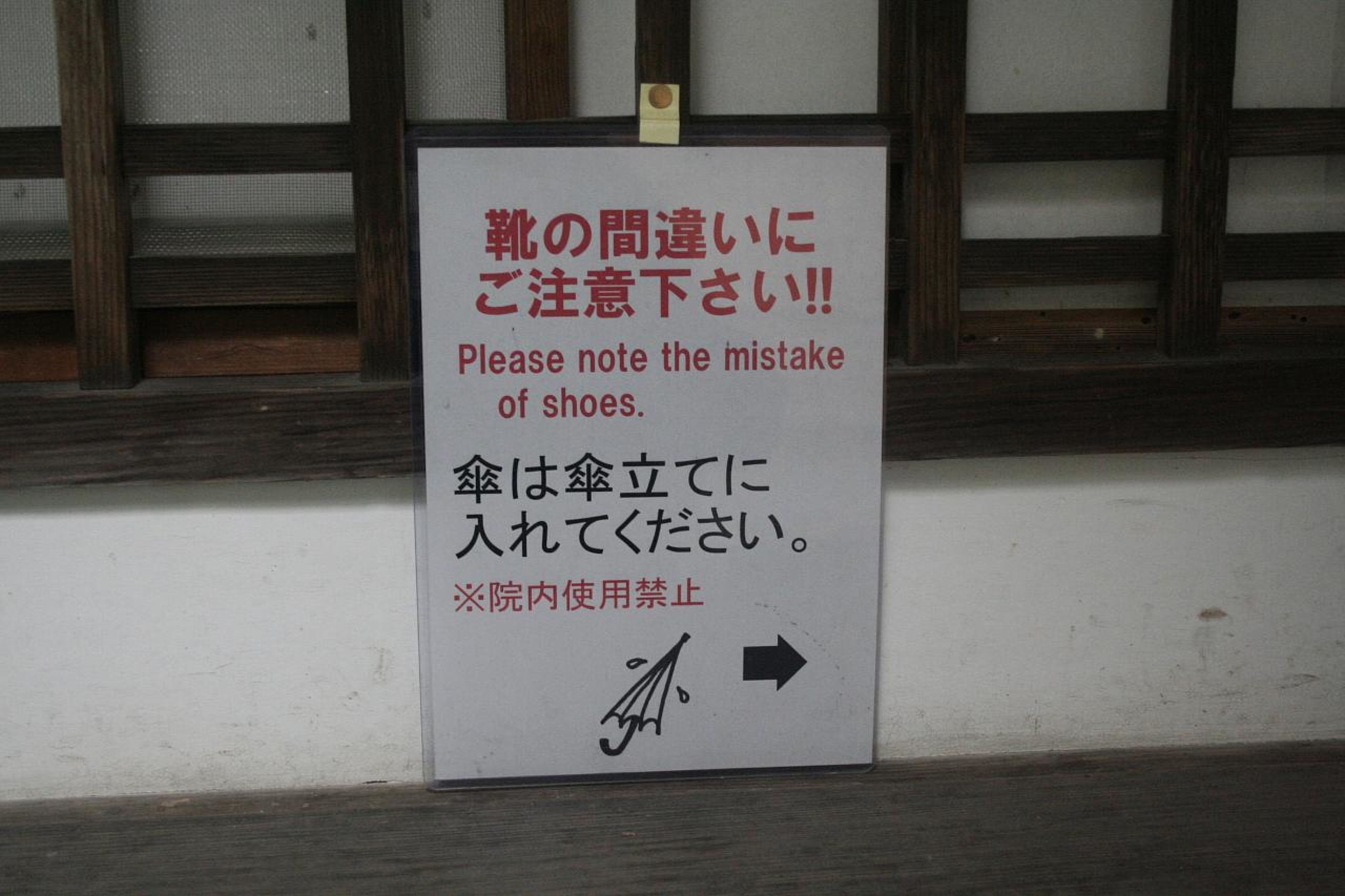
Daitoku-ji Temple
Photo by Rory Hyde β€” CC BY-SA 2.0
Morning light angles nicely through the gate openings into each successive courtyard β€” arrive before 11am for the emptiest frames.
Mostly flat stone paths between courtyards; some thresholds require stepping over low wooden sills.
Lunch
CAFE DU MON $$
French Β· Near Daitoku-ji Temple
A calm, quieter alternative near Daitoku-ji with comfortable seating β€” good for a relaxed post-temple lunch.
Vertigo $$
Italian Β· Near Daitoku-ji Temple
Unhurried Italian fare a short walk from the temple, useful if a change of cuisine appeals after morning gardens.
Optional detour: Kurama & Kibune (mountain villages) β€” After Daitoku-ji Temple and before returning to central Kyoto
A dramatic alpine escape with cedar forest and hot springs for those wanting a change of scenery. Skip if: The intense energy rating and uneven mountain trails make this a better fit for more adventurous travelers than a relaxed-pace day; consider skipping to preserve energy for tomorrow.
If it rains: Daitoku-ji's covered corridors between courtyards stay largely dry, and its interior halls offer shelter with views onto rain-dampened gravel gardens β€” often more atmospheric in a light drizzle.

The Golden Pavilion at dawn is Kyoto's postcard moment made real β€” gold leaf catching low light over still water, with almost no one else there to share the view if timed right. It's a short visit by design, meant to be savored rather than lingered over once crowds arrive.

Daitoku-ji offers a deeper, quieter contrast β€” courtyard after courtyard of raked gravel and old wood, best explored slowly with plenty of pauses on temple steps. The midday shift here is less about covering ground and more about letting silence do its work.

With the afternoon unhurried, evening is left free for an early dinner and rest, setting up energy for Higashiyama's longer walking day ahead.

Higashiyama & Gion

Day 3: Lantern Lanes and Philosopher's Water

A day threading Kiyomizu-dera's hillside views into Gion's quiet afternoon lanes and evening lantern glow, roughly 2.5 miles of walking on mixed flat and sloped paths.

Wear
Supportive walking shoes for slight hills and stone steps, a light layer for evening cool, and a hat for sun exposure on open temple grounds.
Budget
$70-90 per person
7:30 AM - 8:45 AM
Kiyomizu-dera Temple Β· morning Β· 75 min Β· Higashiyama & Gion

Arriving before 9am is essential here β€” by mid-morning this temple becomes one of Kyoto's most crowded sites, but at first light the wooden veranda is calm enough to hear your own footsteps and take in the layered green view over the city undisturbed. The steep approach paths mean a slower pace and a few pauses are wise.

Kiyomizu-dera Temple
Photo by Ivo Stirling
The main hall view over the hillside is best in early morning light, before haze and crowds fill the frame.
Uphill approach with stone steps and slopes; handrails present in most sections but not ideal for those with significant mobility limitations.
12 min taxi β€” A brief ride downhill from Kiyomizu-dera, weaving through narrower Higashiyama streets.
2:00 PM - 4:00 PM
Gion District (Geisha District) Β· afternoon Β· 120 min Β· Higashiyama & Gion

The quiet 2-4pm window here is deliberate β€” lattice-screened facades and narrow lanes feel almost theatrical without the evening rush of onlookers waiting for geisha sightings. Walking is flat and unhurried, ideal for pausing at shopfronts and absorbing architectural detail at a comfortable pace.

Gion District (Geisha District)
Photo by Acres of Film
Late afternoon side light flatters the wooden facades and lattice screens along the main lanes.
Flat stone-paved streets throughout, though some lanes narrow considerably and can crowd in early evening.
Lunch
Okonomiyaki Kiraku $$
Japanese Β· Near Kiyomizu-dera Temple
A relaxed, unfussy spot near Kiyomizu-dera good for a satisfying midday meal after the morning climb.
GoΓ»tez $$
French Β· Near Kiyomizu-dera Temple
A gentler, quieter option nearby for those wanting a lighter lunch after the temple's morning crowds thin.
Dinner
Abbesses $$
Italian Β· Near Gion District
A comfortable, low-noise dinner option near Gion β€” good for winding down after a day of walking.
Amazake $$
Japanese Β· Near Gion District
Traditional and unhurried, well suited to a reflective evening meal in the geisha district.
Optional detour: Sanjusangendo Hall β€” After Kiyomizu-dera Temple and before Gion District
A serene hall of 1,001 golden statues, quiet and contemplative β€” a strong counterpoint to Kiyomizu's crowds. Skip if: Skip if the morning's uphill walk already used the day's energy budget; better saved for a day with lighter starts.
Optional detour: Ponto-cho Alley β€” After Gion District and before dinner
Lantern-lit riverside alley with atmospheric evening charm, an easy add before a sit-down dinner. Skip if: Very crowded after 6pm; best skipped if crowds and noise are a concern for this pace.
If it rains: Sanjusangendo Hall's long covered corridor of golden statues offers full shelter from rain and a quietly awe-inspiring alternative to outdoor temple grounds.

Kiyomizu-dera at first light is a different temple than the one most visitors see β€” the wooden veranda nearly empty, the view over Kyoto's rooftops soft with early haze. The climb up is gradual but real, so an easy pace and a few bench pauses along the way make this manageable and unhurried.

By early afternoon the pace shifts to Gion's quieter hours, when lattice-fronted teahouses and narrow lanes feel like stepping into another century. There's little walking distance to cover here β€” the reward is in slowing down enough to notice details easy to miss in a rush.

As lanterns begin to glow along Gion's streets, dinner nearby offers a relaxed close to a fuller day, with the option of a short stroll along Ponto-cho's riverside glow before settling in for the night.

Central Kyoto

Day 4: Castle Silence and Market Sounds

A morning in Nijo Castle's hushed halls followed by an easy sensory wander through Nishiki Market, roughly 2 miles of flat urban walking.

Wear
Comfortable slip-on shoes (easy removal required at Nijo Castle), a light jacket for indoor-outdoor transitions, and a bag for market snacking.
Budget
$60-85 per person
9:00 AM - 10:30 AM
Nijo Castle Β· morning Β· 90 min Β· Central Kyoto & Downtown

The famous nightingale floors squeak with every step β€” an intentional security measure from centuries past that still surprises visitors today. Arriving right at opening avoids both the 11am-2pm peak and gives quiet time to appreciate the gold-screened halls without shuffling in a queue.

Nijo Castle
Photo by Heather Mallon
Interior photography is restricted in most halls, so focus camera time on the castle grounds and garden exteriors, best lit mid-morning.
Mostly flat stone paths in the gardens; interior floors require shoe removal and involve some uneven wooden thresholds.
15 min taxi β€” A quick ride through central Kyoto traffic, castle walls giving way to modern storefronts.
11:00 AM - 12:30 PM
Nishiki Market Β· midday Β· 90 min Β· Central Kyoto & Downtown

Arriving right as the market wakes up around 11am threads a good needle β€” vendors are in full swing with fresh pickles and glistening fish on display, but the worst midday density hasn't set in yet. The narrow covered arcade means shade and shelter regardless of weather, and slow grazing here doubles as a light lunch.

Nishiki Market
Photo by Tien Nguyen
Overhead shots of stacked produce and seafood displays work best under the market's covered roof lighting, any time of day.
Narrow aisles with foot traffic can be congested; flat paved floor throughout, but pacing slowly is recommended to avoid jostling.
Lunch
Sunshine Cafe $
Cafe/Coffee Β· Near Nishiki Market
A calm seated break from market grazing, good for coffee and a light bite away from the crowds.
Ganko Sanjo Honten (iK) $$
Sushi Β· Near Nishiki Market
Comfortable, well-regarded sushi with proper seating β€” a satisfying sit-down option after market browsing.
Optional detour: Nishiki Tenmangu Shrine β€” Within Nishiki Market visit
A small, peaceful shrine tucked directly into the market's chaos β€” an easy, short detour for contrast. Skip if: Skip if market crowds already feel like enough stimulation for the day; it adds little extra walking distance either way.
If it rains: Nishiki Market's covered arcade stays entirely dry regardless of weather, making it a natural rain-day anchor alongside Nijo Castle's covered interior halls.

Nijo Castle opens the day with an unusual sensory detail β€” floors built to squeak as a defense against intruders, still doing their job centuries later. The halls beyond are quiet and gold-lit, an easy, unhurried visit best done at opening before tour groups arrive.

From castle silence to market clamor is a deliberate contrast β€” Nishiki's covered lanes hum with vendors and the smell of pickles and grilled seafood, offering a grazing lunch that doubles as entertainment. The pace here can be as slow as appetite allows.

With midday spent among market stalls, evening is left unscheduled for rest or a simple dinner near your accommodation, keeping tomorrow's excursion day fresh.

Day excursion

Day 5: Vermillion Gates and Gentle Deer

An early, unhurried visit to Fushimi Inari's lower gates followed by a relaxed afternoon among Nara's bowing deer, with about 2 miles of flat walking total.

Wear
Very comfortable walking shoes, a sun hat, and a light rain layer given the outdoor nature of both stops.
Budget
$70-100 per person, including train fare to Nara
7:00 AM - 8:30 AM
Fushimi Inari Shrine Β· morning Β· 90 min Β· Southeast: Fushimi & Momoyama

Before 8am, the thousand vermillion gates stand nearly silent, their red lacquer glowing in soft morning light with none of the midday crush that arrives by 10am. This visit is designed to stay at the lower, flatter gate paths rather than the steep full mountain climb β€” a comfortable, memorable taste without the exertion of the summit trail.
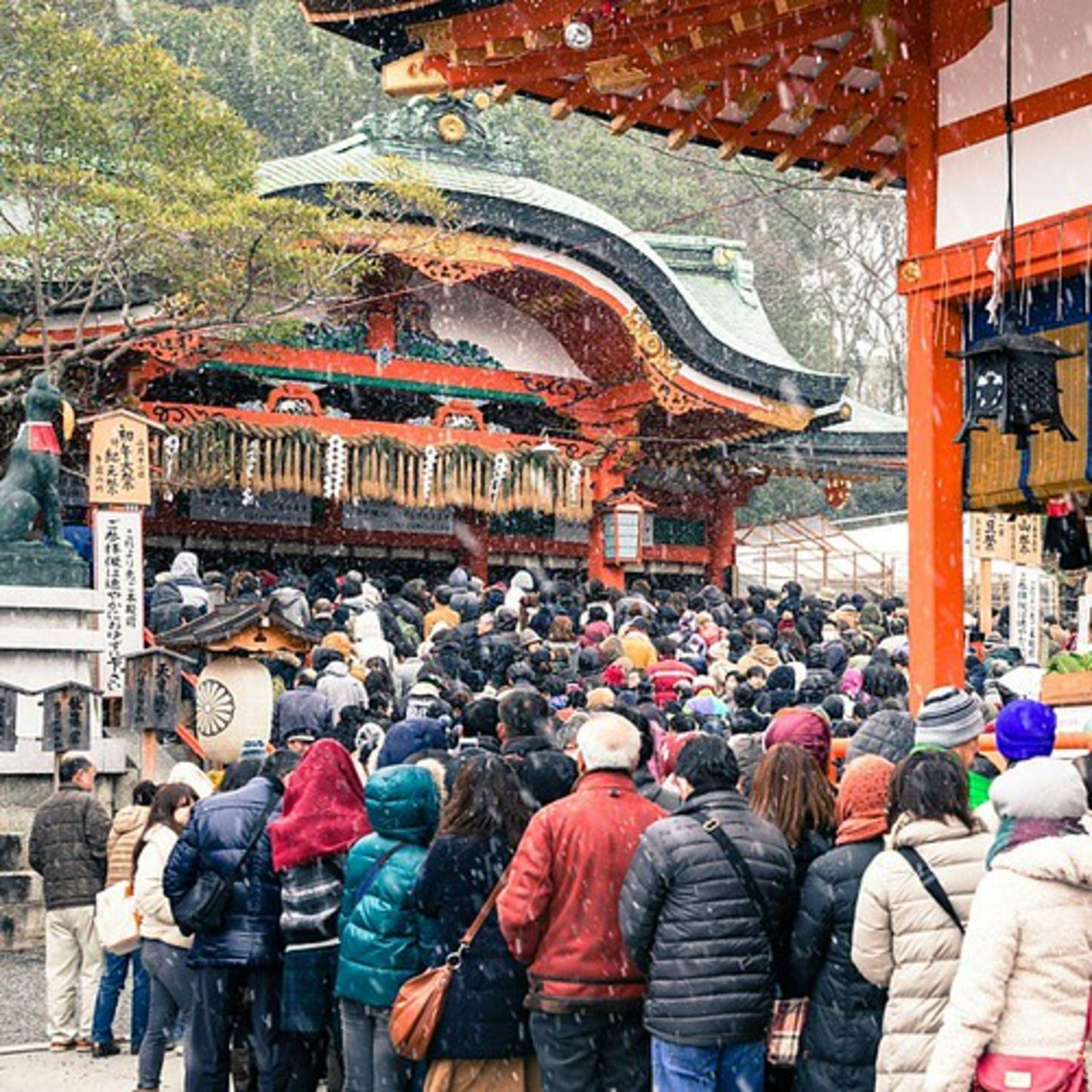
Fushimi Inari Shrine
Photo by γƒ˜γ‚ΆγƒΌ heza
The tunnel of gates near the base photographs best in the soft, even light of early morning before crowds fill the frame.
Lower gate paths are paved and relatively flat; the full mountain circuit involves significant stairs and is not necessary to experience the iconic gate tunnels.
40 min transit β€” A direct train ride south, rice paddies and rooftops sliding past the window before the deer-dotted city comes into view.
11:30 AM - 2:30 PM
Nara (day trip – deer park) Β· afternoon Β· 180 min Β· Day Excursions

By late morning, Nara's deer are alert and sociable, gently approaching for the rice crackers sold near the park entrance β€” a soft, memorable encounter best enjoyed at an easy pace across the park's flat lawns. Temple bells drift across the grounds, and benches are plentiful for resting between deer encounters and shrine views.

Nara (day trip – deer park)
Photo by Natalie Voitovich
Midday light is even and flattering across the open lawns β€” look for deer near temple gate frames for classic shots.
Nara Park's paths are flat, wide, and well-suited to a relaxed pace, with frequent benches throughout the grounds.
Lunch
kanoko cafΓ© $
Cafe/Coffee Β· Near Fushimi Inari Shrine
A relaxed cafΓ© near Fushimi Inari's entrance, good for a coffee and light bite before heading to Nara.
COLORADO $
Cafe/Coffee Β· Near Fushimi Inari Shrine
Comfortable seating near the shrine entrance, a calm option for those wanting a slower start before the train.
Dinner
U's kitchen $$
Italian Β· Near Nara (day trip – deer park)
A comfortable, unhurried dinner option in Nara to close the day before the return trip to Kyoto.
Ponte Rosso $$
Italian Β· Near Nara (day trip – deer park)
Quiet seating and reliably good food, well suited to a relaxed final evening of the trip.
Optional detour: Fushimi Sake District β€” After Fushimi Inari Shrine and before the train to Nara
A fragrant wander through Edo-era brewery lanes, ideal for a sake tasting if time allows before heading south. Skip if: Skip if the morning start feels tight against the Nara train schedule; better suited to a day with no onward travel.
If it rains: Nara's temple halls near the deer park, including covered shrine corridors, offer shelter if rain arrives, and Fushimi Inari's lower gate paths include some covered rest areas along the route.

Fushimi Inari at dawn is one of Kyoto's quiet miracles β€” thousands of vermillion gates glowing softly with barely another visitor in sight. The lower paths offer plenty of the iconic tunnel views without demanding the full mountain climb, keeping the morning gentle and unhurried.

The shift to Nara brings a completely different rhythm β€” open lawns, wandering deer, and temple bells in the distance, all traversed on flat, easy paths with benches for resting whenever needed. It's a fittingly soft, sociable close to the trip's exploring.

An early dinner in Nara rounds out the day gently before the return train to Kyoto, leaving the evening calm and unhurried β€” a quiet final note to a week spent moving at exactly the right pace.

Want to tweak this trip?

Our AI planner can customize this itinerary to your exact dates, interests, and travel style.

Customize This Itinerary
Good to Know

Restaurant details (hours, menus, availability) change frequently. Check current hours before visiting, especially in seasonal destinations.

Dietary compatibility tags are general guidance. If you have severe allergies, confirm directly with the restaurant.

Travel tips are general guidance, not professional safety advice. Check government advisories for latest information.

All prices are approximate and may vary seasonally.
We use cookies to improve your experience and analyze site usage. Essential cookies are always active. You can customize your preferences or accept all cookies. Cookie Policy