
San Pedro de Atacama is a remote oasis town where the world's driest desert meets an otherworldly landscape of salt flats, geysers, and pre-Columbian ruins. Nestled in the Andes highlands at over 2,400 meters elevation, this small colonial settlement serves as the gateway to some of South America's most dramatic geological and archaeological wonders. Whether you're floating in a salt lake, stargazing under some of the hemisphere's clearest skies, or exploring ancient indigenous settlements, San Pedro offers a profound sense of isolation and timelessness that few destinations can match.
Key Attractions
View all attractions →Aldea de Tulor (Ancient Village)
Nestled in the stark beauty of the Atacama Desert, Aldea de Tulor reveals the remnants of a pre-Hispanic settlement dating back over 2,400 years, with stone foundations and circular dwellings preserved in haunting detail. This intimate archaeological site offers a visceral connection to ancient Atacameño culture, where you can wander among the reconstructed adobe and stone walls that once sheltered families beneath endless desert skies. The village's layout tells stories of communal life in one of Earth's driest regions, a testament to human resilience in an unforgiving landscape.
Atacama Desert Stargazing
The Atacama Desert offers some of Earth's darkest skies and most crystalline stargazing opportunities, with visibility so pristine you can trace the Milky Way's dust lanes with your naked eye. San Pedro de Atacama serves as the gateway to this astronomical paradise, where the extremely dry climate and high altitude combine to eliminate atmospheric distortion. Local tour operators guide visitors to designated viewpoints where you can experience the cosmos with an intensity few places on Earth can match.
Atacama Large Millimeter Array (ALMA – nearby)
This world-class radio observatory sits high on the Chajnantor Plateau, where 66 giant antennas work in harmony to capture whispers from the edge of the universe. The visitor center offers a fascinating introduction to cutting-edge astronomy, while the surrounding landscape reveals one of Earth's driest and most otherworldly environments. Standing among these monumental instruments, you'll feel the profound scale of humanity's quest to understand cosmic origins.

El Tatio Geysers
Perched in the Andes at one of the world's highest geyser fields, El Tatio reveals nature's raw power through dozens of steaming vents and mineral-rich hot springs that paint the landscape in otherworldly blues and yellows. The sunrise here transforms the thin desert air into a magical display of geothermal mist, while the surrounding terrain showcases the dramatic geology that makes the Atacama one of Earth's most extreme environments. This remote wonderland offers an intimate encounter with Earth's geothermal forces in near total isolation.
Photo by Diego Delso
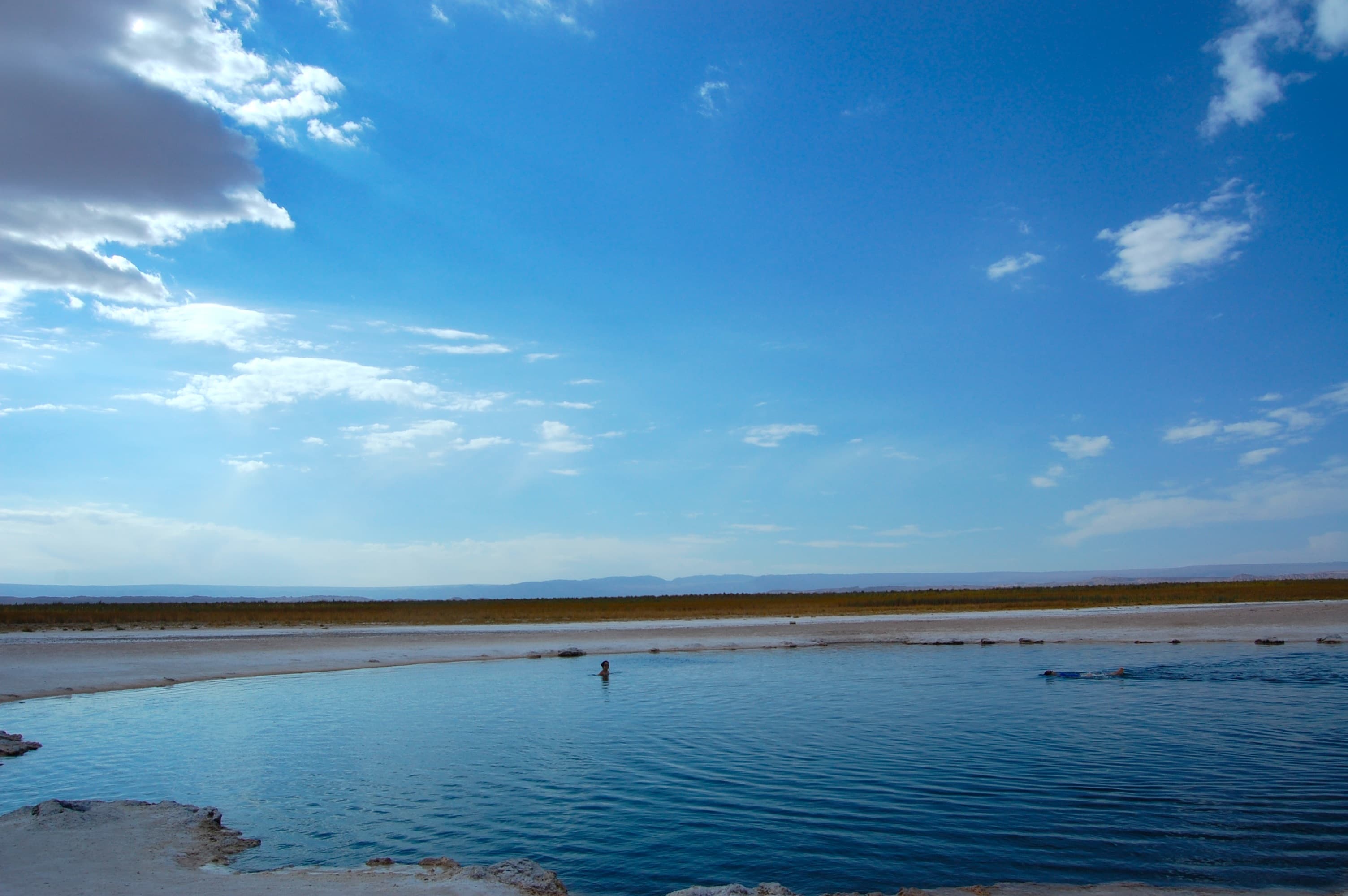
Laguna Cejar (Salt Lake Floating)
Nestled in the otherworldly Atacama Desert, Laguna Cejar is a hypersaline lagoon where the water's extreme salt content effortlessly keeps you floating like a cork, creating an almost weightless experience beneath the vast desert sky. The lagoon's crystalline turquoise waters contrast dramatically with the rust-colored surrounding peaks, making it feel like you've stumbled into a dreamscape of natural wonder. Local guides share stories of the desert's transformation as you bob peacefully in waters so mineral-rich they rival the Dead Sea itself.
Carlos Varela from Santiago, Chile, CC BY 2.0, via Wikimedia Commons
Laguna Miscanti & Miñiques
Twin high-altitude lagoons set against the dramatic backdrop of Volcán Miñiques, these mirror-like waters reflect snow-capped peaks and create one of Chile's most otherworldly desert landscapes. The journey rewards visitors with flamingo sightings, crystalline air, and surreal mineral-rich waters that shift between turquoise and deep blue depending on light conditions. Located at over 4,300 meters elevation, these remote lagoons offer raw, pristine natural beauty far removed from civilization.
Museum of Atacama (Padre Le Paige)
Housed in a charming adobe building, this intimate museum showcases an exceptional collection of pre-Columbian artifacts, textiles, and mummies spanning thousands of years of Atacama's indigenous history. The displays reveal the sophisticated cultures that thrived in one of Earth's harshest deserts, with particularly moving exhibits of well-preserved human remains and intricate woven garments. Named after the Jesuit priest who founded it, the museum offers a deeply personal window into civilizations that flourished long before Spanish conquest.
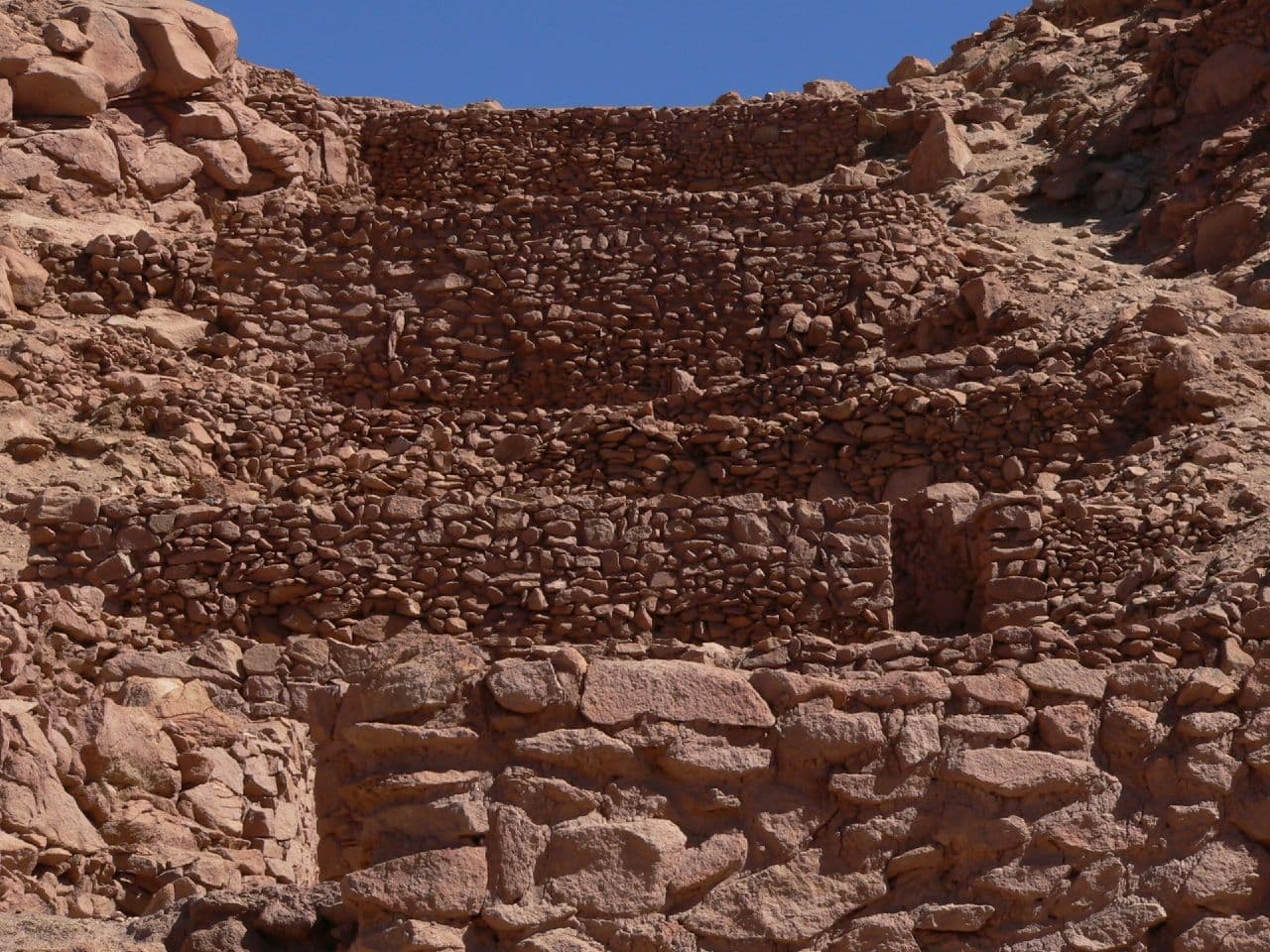
Pukarà de Quitor (Pre-Inca Ruins)
Perched dramatically on a rocky outcrop above the Río San Pedro valley, this 12th-century fortified settlement showcases ingenious pre-Incan Atacameño architecture with its distinctive stone structures and defensive design. The ruins reveal how indigenous communities adapted to the harsh desert environment while maintaining strategic control over mountain passes and trade routes. Walking through the remnants of residential quarters and terraces offers intimate glimpses into daily life centuries before Inca expansion.
bitacoreta, CC BY 2.0, via Wikimedia Commons

Salar de Atacama (Salt Flat & Flamingos)
South America's largest salt flat stretches endlessly across the Atacama Desert, where crystalline white salt deposits meet impossibly blue lagoons dotted with three species of flamingos—pink, Andean, and James—creating a surreal landscape that feels otherworldly. The stark, mineral-rich waters and surrounding volcanic peaks create dramatic contrasts that shift with the changing light, while the salt formations crust beneath your feet with each step. This remote wetland ecosystem thrives in one of Earth's driest regions, making it one of nature's most improbable and mesmerizing destinations.
Photo by Luca Galuzzi (Lucag)
Valle de la Luna (Moon Valley)
This otherworldly desert landscape transforms into a kaleidoscope of reds, oranges, and purples as the sun sets, earning its name from the lunar-like appearance of its colorful rock formations and salt deposits. The valley's dramatic geological layers tell a story of ancient seas and tectonic upheaval, creating surreal amphitheater-like formations that feel like walking on an alien planet. Pristine silence and isolation make this one of the Atacama's most transcendent natural experiences.
Photo by Diego Delso
Itineraries Here
Planning a Trip to San Pedro de Atacama: FAQs
When is the best time to visit San Pedro de Atacama?
⌄
The best time to visit San Pedro de Atacama is year-round.
How many days do you need in San Pedro de Atacama?
⌄
Plan on about 4 days to cover San Pedro de Atacama's highlights at a comfortable pace.
How do you get to San Pedro de Atacama?
⌄
San Pedro de Atacama is approximately 106 kilometers southeast of Calama, which receives flights from Santiago and other major Chilean cities via El Loa Airport. The drive from Calama to San Pedro takes roughly 2–2.5 hours by car. Most visitors arrive by domestic flight or long-distance bus from Santiago (approximately 1,200 km north) or from Bolivia via the Paso de Jama route.
What are the top things to do in San Pedro de Atacama?
⌄
Top attractions in San Pedro de Atacama include Aldea de Tulor (Ancient Village), Atacama Desert Stargazing, Atacama Large Millimeter Array (ALMA – nearby), El Tatio Geysers and Laguna Cejar (Salt Lake Floating). Itinara lists 10 verified attractions in total.