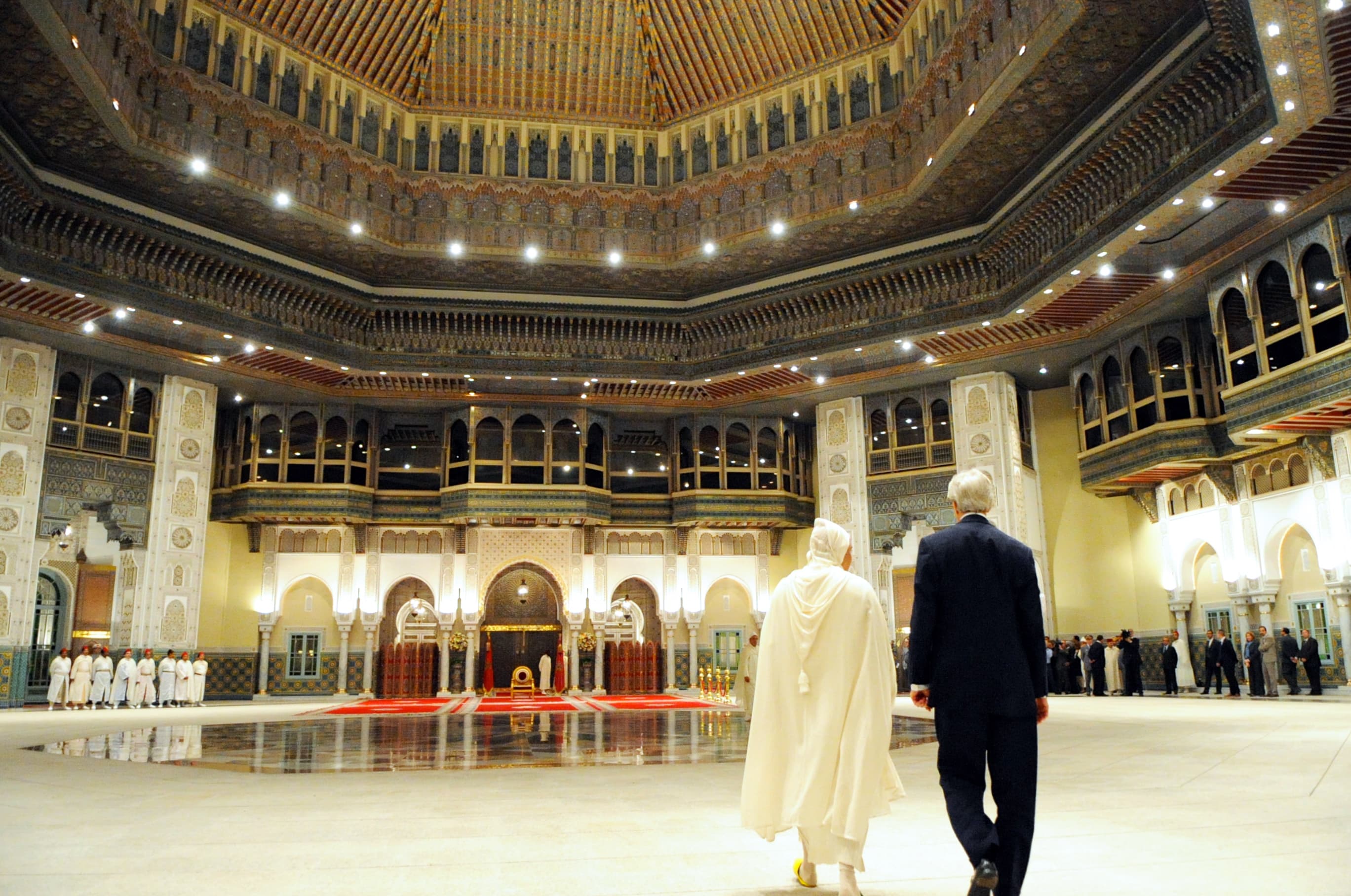
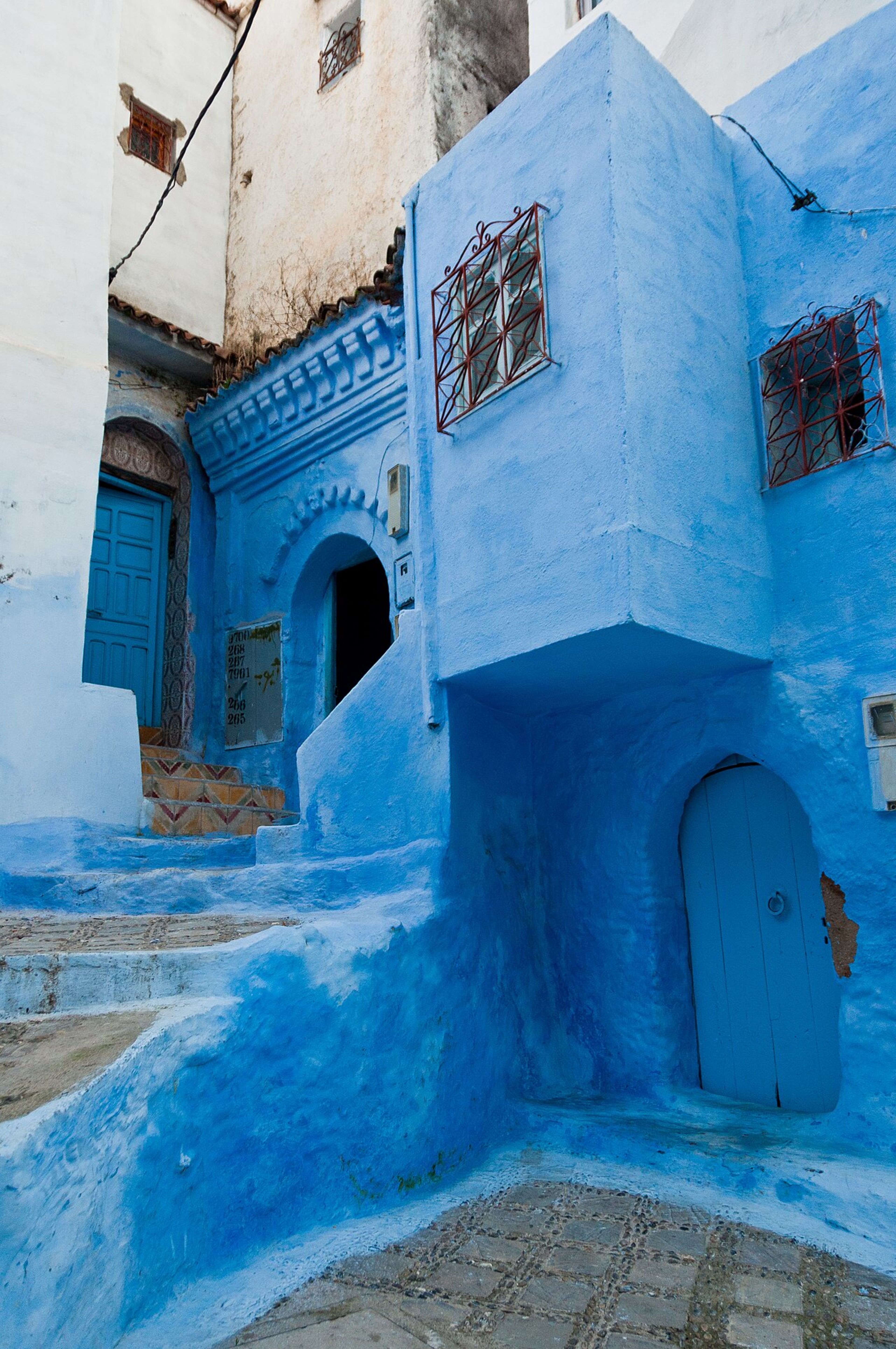
Marrakech, Morocco
3-Day Itinerary for Solo Traveler
“Saffron Light & Silent Courtyards: 3 Days Solo in Marrakech”

The square doesn't sleep so much as change shifts — snake charmers give way to storytellers, storytellers to grill smoke and lantern light. Marrakech in autumn trades summer's furnace for something walkable, golden, and easier to wander alone into. This is a city that rewards solo travelers who arrive early, linger long over mint tea, and let themselves get pleasantly lost.
At a Glance
Highlights
- Sunrise over Djemaa el-Fna before the crowds claim it
- Cedarwood silence inside Ben Youssef Madrasa
- Cobalt walls and bamboo shade in Majorelle Garden
- A dye-stained alley of jewel-toned silk in the Souk des Teinturiers
- Crumbling grandeur at El Badi Palace's empty courtyards
- Mountain air and waterfall spray in the Ourika Valley
- Communal tea and grilled skewers at Djemaa el-Fna's night stalls
Day-by-Day Plan
Day 1: Arrival & the Square's Slow Reveal
A light first day centered on the Djemaa el-Fna cluster, with roughly 2-3 miles of walking and low cognitive load to ease into medina rhythms.
Arrive before 9am and the plaza belongs mostly to pigeons and early joggers — the minaret rises clean against a still-soft sky, its proportions almost startlingly perfect. You can't enter as a non-Muslim, but the surrounding gardens and exterior views are reason enough to linger, especially in the hush before tour buses arrive.

By mid-morning the square is waking rather than roaring — orange juice carts set up, henna artists lay out their stalls, and you can actually see the ground. This is the gentlest possible introduction to Marrakech's most famous space, and solo travelers often find it easier to people-watch from a café perimeter than to wade into the evening chaos on day one.

Duck into the souk while it's still manageable — turmeric-dusted air, silk bolts in jewel tones, and vendors calling out prices with theatrical charm. Solo travelers can browse at their own pace here without the pressure of a group; a firm smile and 'la, shukran' handles most hard sells with ease.

Retreat from the medina's evening surge into your riad's courtyard — cool tiles underfoot, a fountain's quiet trickle, jasmine drifting from the kitchen. Many riads host communal dinners or rooftop tea service, an easy, low-pressure way for solo travelers to meet other guests without leaving the building.

The day begins gently, with the Koutoubia's minaret catching early light in an almost-empty plaza before the square itself stirs to life. This is Marrakech at its most approachable — quiet enough to get your bearings, atmospheric enough to feel unmistakably like arrival.
Souk Semmarine absorbs the midday hours, its covered alleys offering shade and sensory overload in equal measure — turmeric, leather, and the constant hum of negotiation. Pace is loose and forgiving; there's no wrong way to wander here on your first day.
As dusk settles, retreat to the riad's cool courtyard for a slower rhythm — tea, quiet conversation with fellow guests, and an early dinner nearby before jet lag catches up. Tomorrow asks more of you; tonight is for settling in.
Day 2: Palaces, Tombs, and the Dyers' Alley
A fuller day moving through the Medina South palace cluster in the morning and the Souk des Teinturiers/Mellah cluster in the afternoon, roughly 4 miles of walking at a standard pace.
Arrive at opening and the vast chambers still hold their overnight cool, footsteps echoing off cedarwood carvings so fine they beg close inspection. By 11am tour groups arrive in waves; getting here early means you can actually hear the silence this place is built for.
Where Bahia is intimate, El Badi is scale — vast empty courtyards, crumbling archways, storks nesting on ruined walls. The uneven terrain and open sun make this a workout compared to the morning's palace, so pace yourself and bring water.
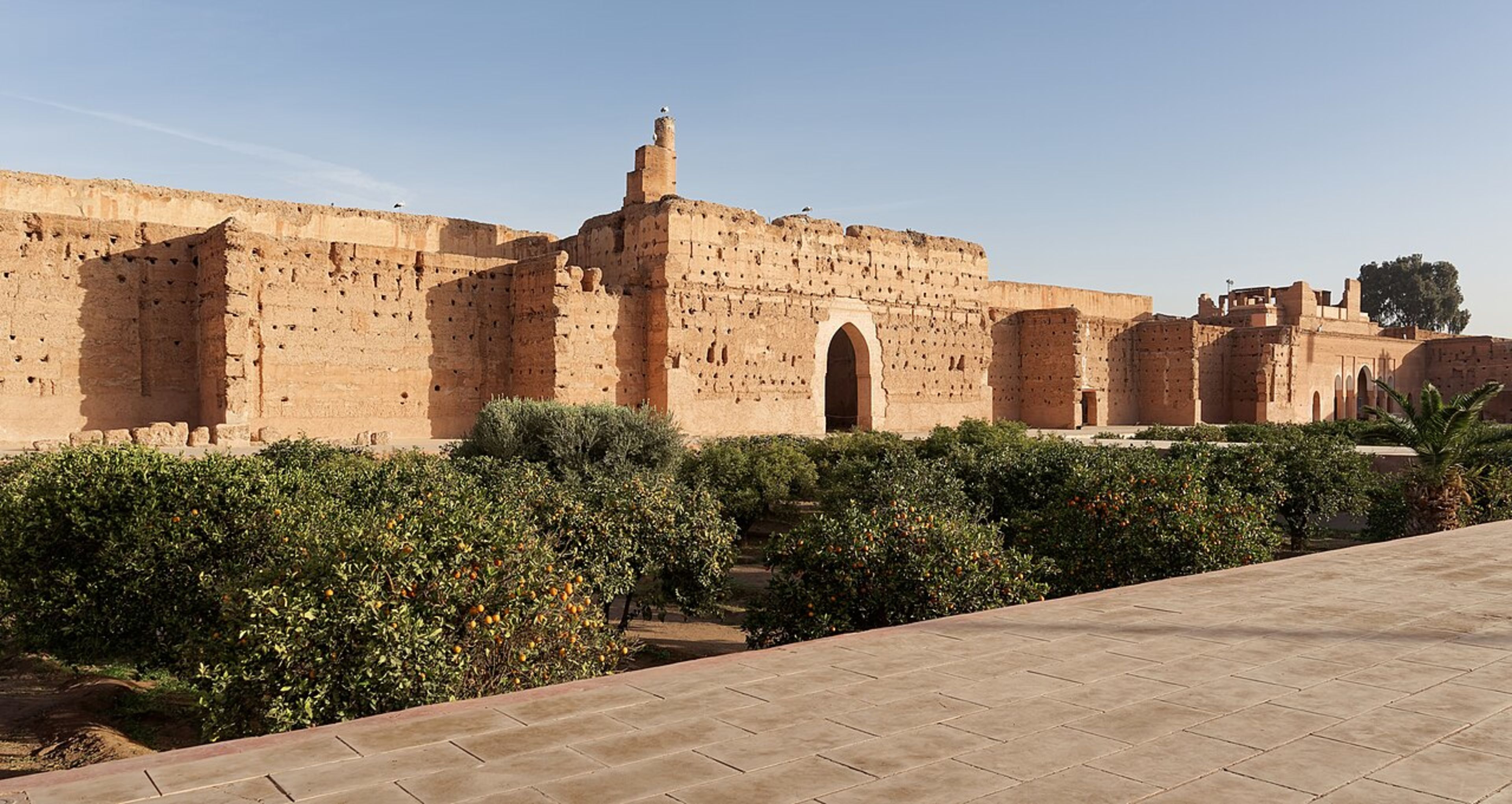
After El Badi's exposed grandeur, the Saadian Tombs offer contained, hushed intimacy — golden light on cedar ceilings, absolute quiet broken only by your own breathing. It's a short visit but a necessary contrast in mood after the ruins.
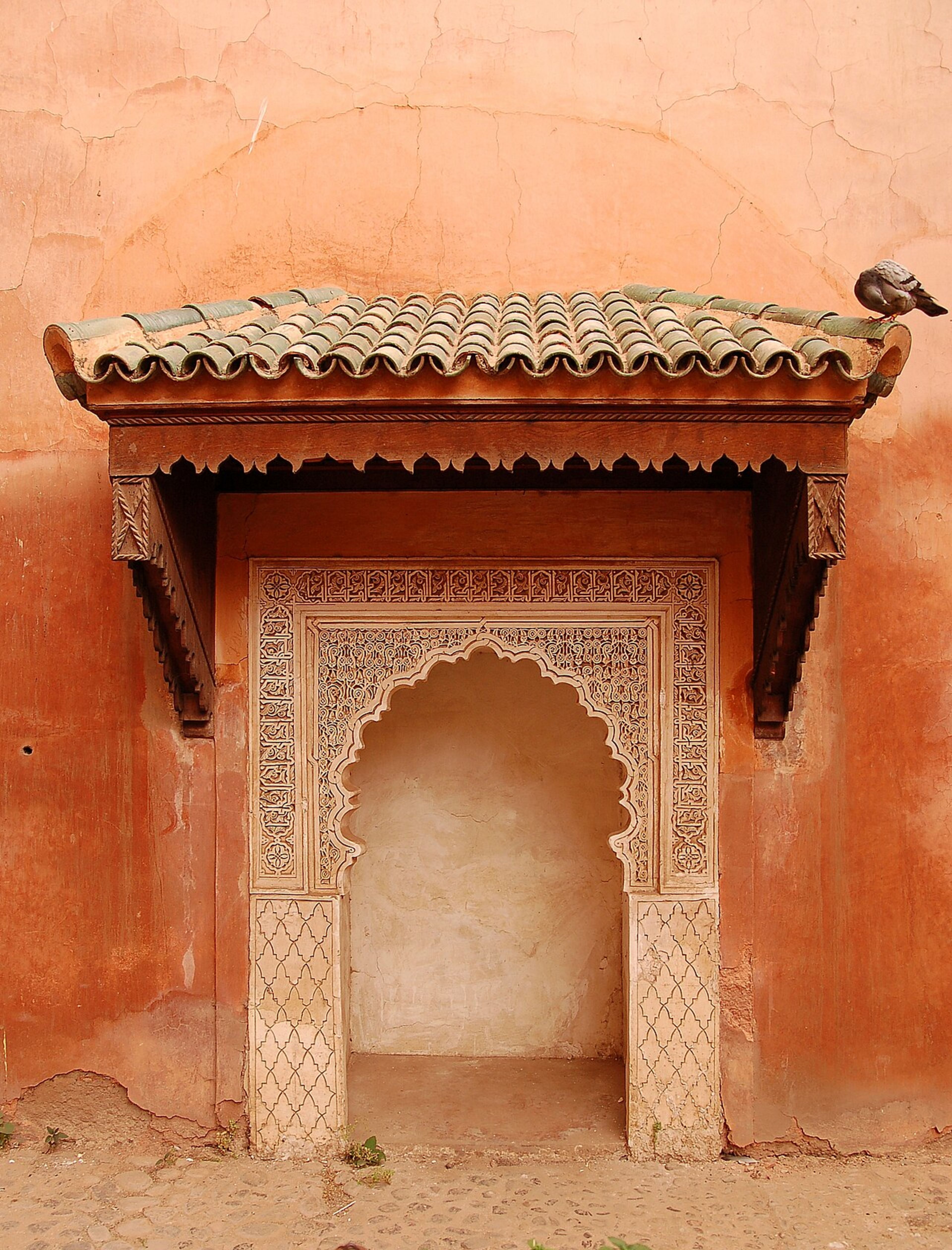
By late afternoon the dyers have mostly packed up, but the alley's magic lingers — magenta, indigo, and saffron strands still flutter overhead, and the acrid dye scent clings to the air. For the best chance of catching dyers still working, an earlier visit is ideal, but this slot fits the day's flow and still delivers the visual payoff.
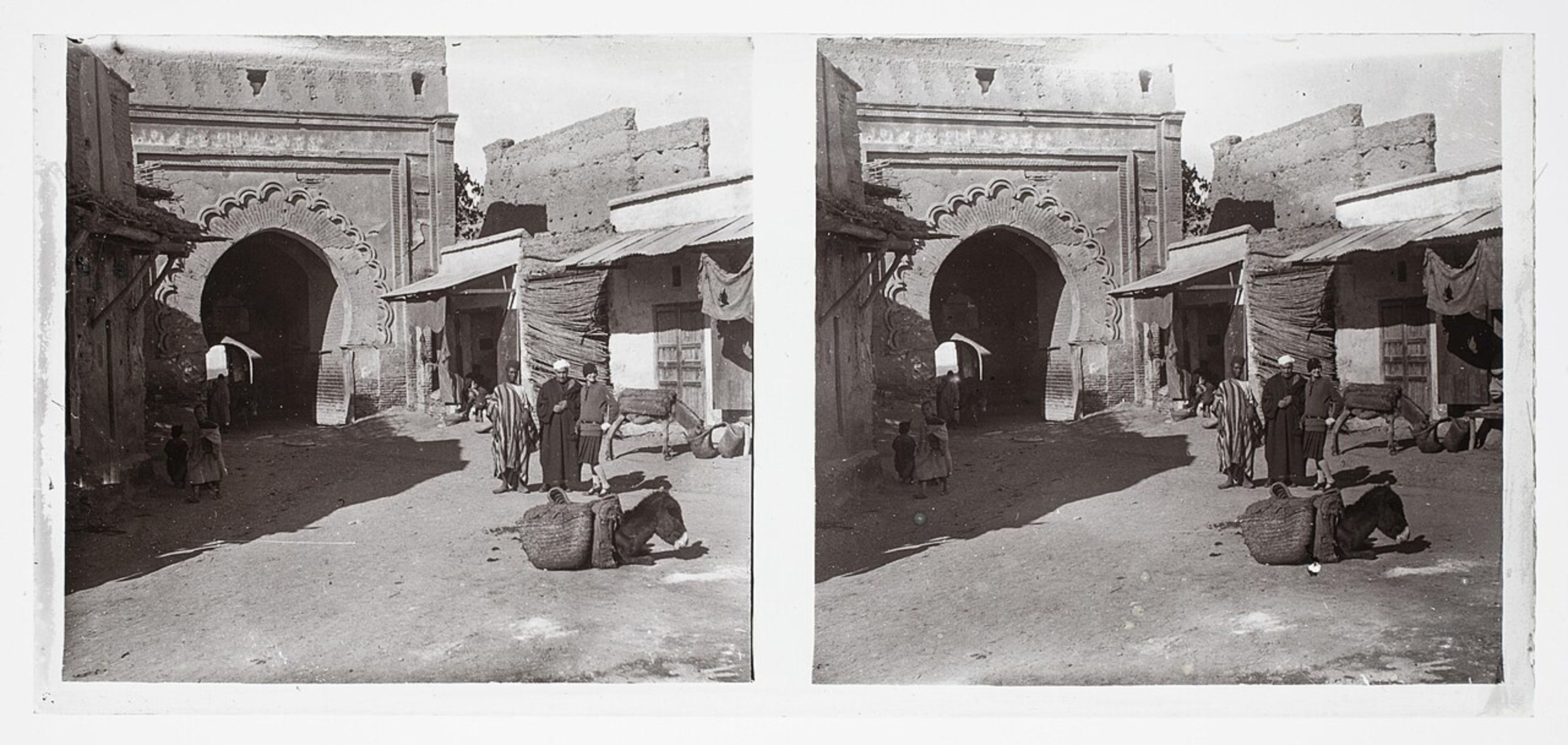
The Mellah's quieter lanes and distinct architecture offer a gentle wind-down after a dense day — a good place to slow your pace and simply walk without an agenda before the sun drops.

The morning belongs to grandeur — Bahia Palace's hushed cedar chambers give way to El Badi's sun-bleached ruins, a study in contrasts between intimacy and scale. Both reward the earliest possible arrival, before tour buses claim the courtyards.
After the Saadian Tombs' contained stillness, the pace shifts north toward color and craft — the Souk des Teinturiers' dye-stained alley and the Mellah's quieter streets offer a lighter, more textural close to the afternoon.
Wind down with dinner at a souk-adjacent terrace, ideal for solo travelers wanting easy conversation with fellow diners over shared plates and mint tea before the walk back through lantern-lit lanes.
Day 3: Blue Gardens and Mountain Air
A morning in Gueliz's gardens and museums followed by an optional afternoon excursion into the Ourika Valley, balancing roughly 3 miles of city walking with a scenic mountain drive.
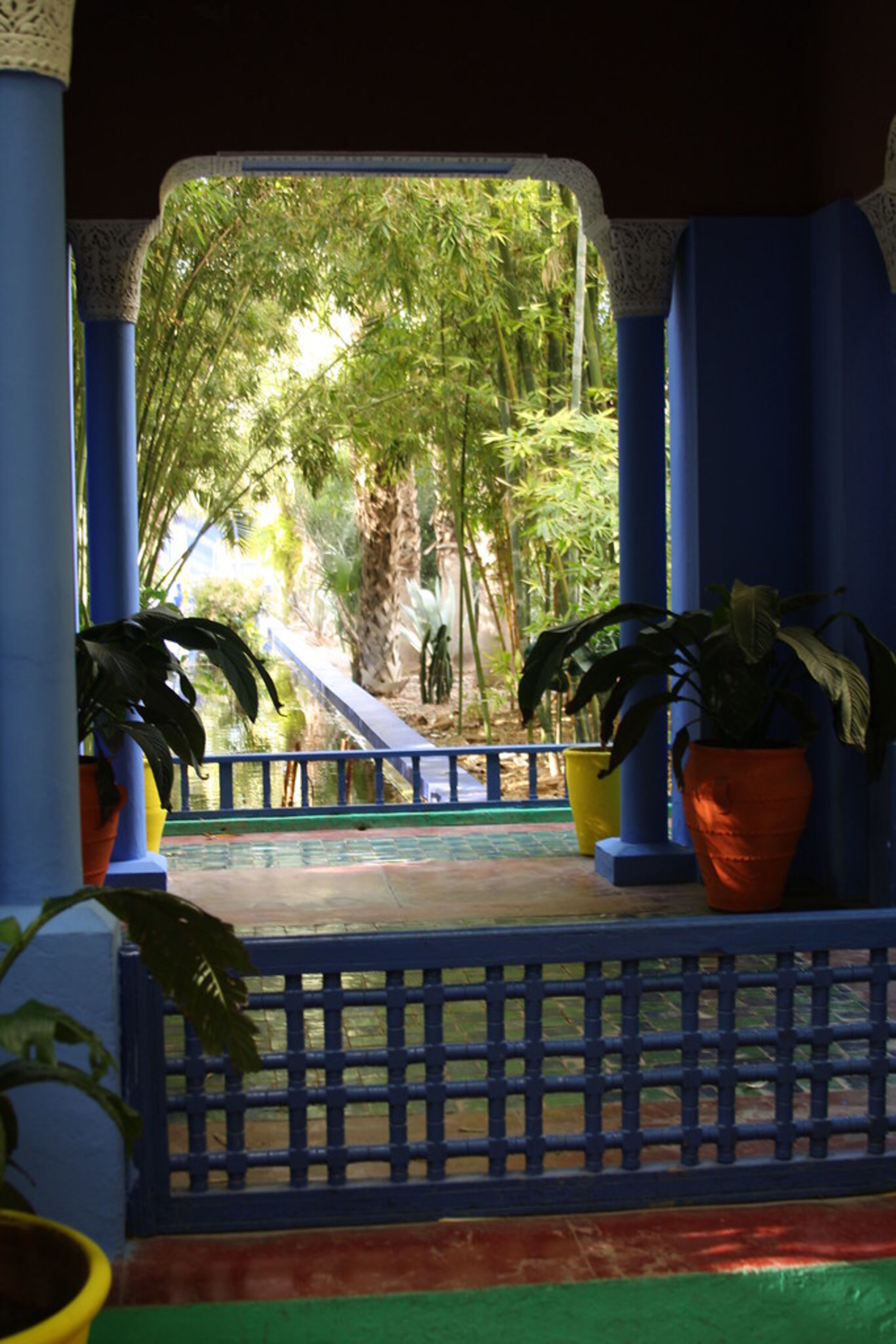
Arrive right at opening and the cobalt buildings glow against still-quiet bamboo groves — by mid-morning this becomes one of the most crowded stops in the city, but the first hour is close to solitary. The cool, jasmine-scented air feels almost like a different climate entirely.
Next door to the garden, the museum's hushed galleries offer a cooler, quieter contrast — haute couture gowns lit like sculpture, a fitting pause after the garden's saturation of color and sound. Arrive right after the garden to beat the midday tour-group surge.

The drive out of the city dissolves quickly into red foothills and Berber villages clinging to terraced slopes — a genuine change of pace and altitude. Wading beneath the waterfall's cold spray, with limestone and cedar scenting the air, offers the kind of physical reset a city itinerary can't provide. Weekday afternoons this season are notably quieter than weekend family crowds.

The morning trades medina density for Gueliz's wide boulevards and curated calm — Majorelle Garden's electric blue walls at opening light, followed by the hushed, climate-controlled galleries of the YSL museum next door.
The pace shifts entirely as the city gives way to red foothills on the drive into the Ourika Valley — Berber villages, terraced slopes, and finally the cold shock of waterfall spray offer a genuine change of scenery and rhythm before returning to Marrakech.
Return to the medina as the light fades, legs pleasantly tired from mountain trails, ready for a final relaxed dinner and an early night — or, for those with energy left, one last wander through the square as the storytellers and grill smoke return for the evening show.
Want to tweak this trip?
Our AI planner can customize this itinerary to your exact dates, interests, and travel style.
Customize This ItineraryRestaurant details (hours, menus, availability) change frequently. Check current hours before visiting, especially in seasonal destinations.
Dietary compatibility tags are general guidance. If you have severe allergies, confirm directly with the restaurant.
Travel tips are general guidance, not professional safety advice. Check government advisories for latest information.
All prices are approximate and may vary seasonally.
Attractions in This Itinerary
Koutoubia Mosque & MinaretMosqueDjemaa el-Fna SquareSquareSouk SemmarineMarketRiads (Traditional Guesthouses)OtherBahia PalacePalaceEl Badi PalacePalaceSaadian TombsMonumentSouk des Teinturiers (Dyers' Souk)MarketMellah (Jewish Quarter)NeighborhoodMajorelle Garden (YSL Garden)GardenMusée Yves Saint Laurent MarrakechMuseumOurika ValleyMountain