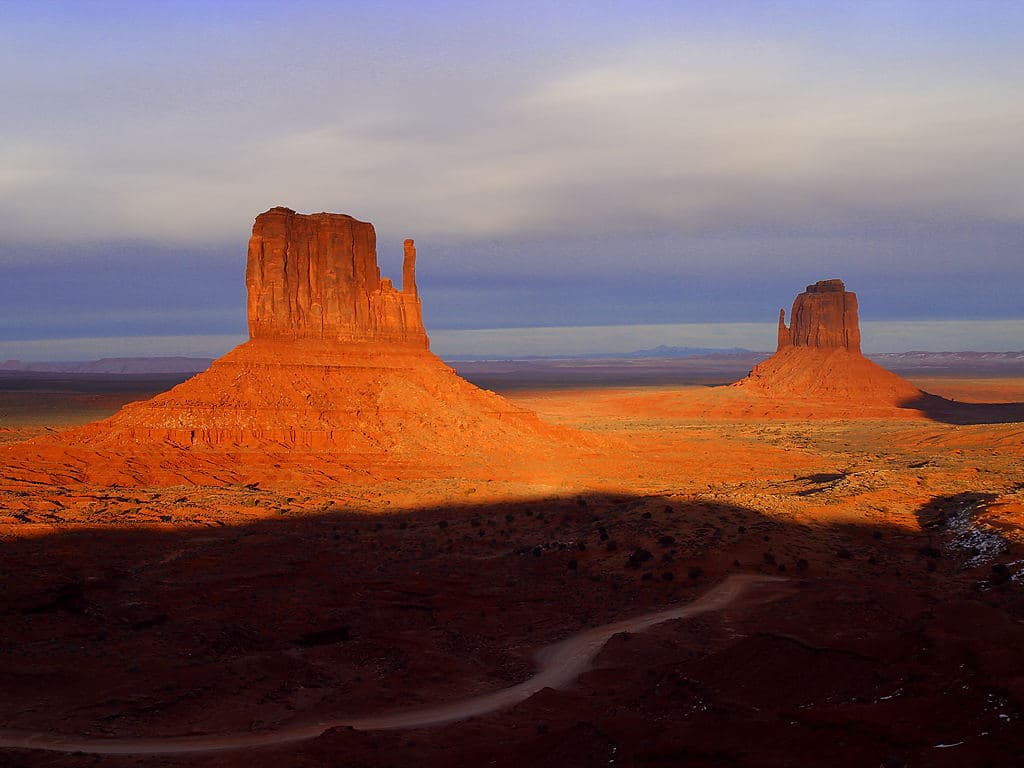
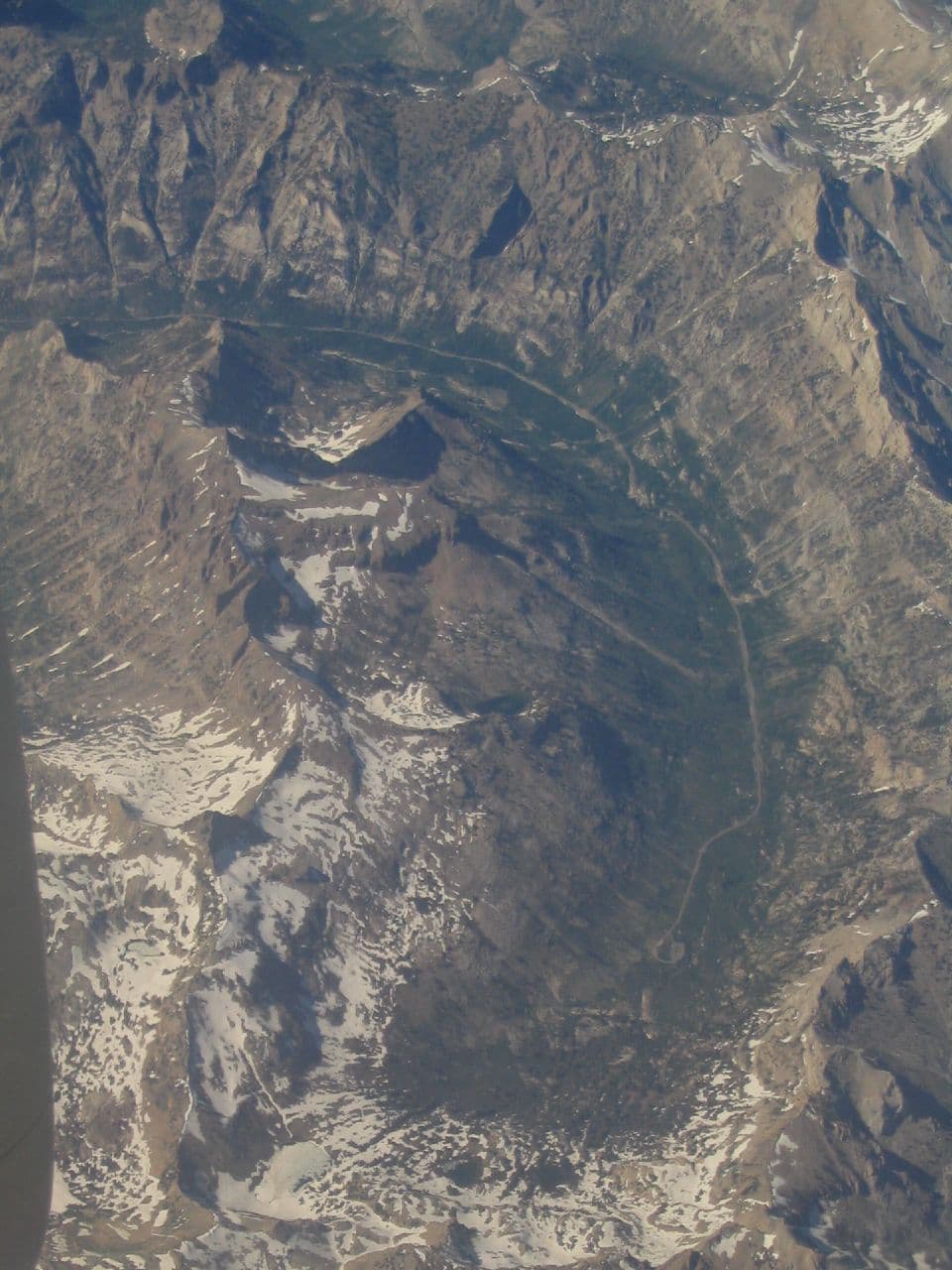
White Mountains (Greer, Alpine), Arizona
2-Day Itinerary for Solo Traveler
“Silence, Pines, and High Water: Two Winter Days in Greer and Alpine”
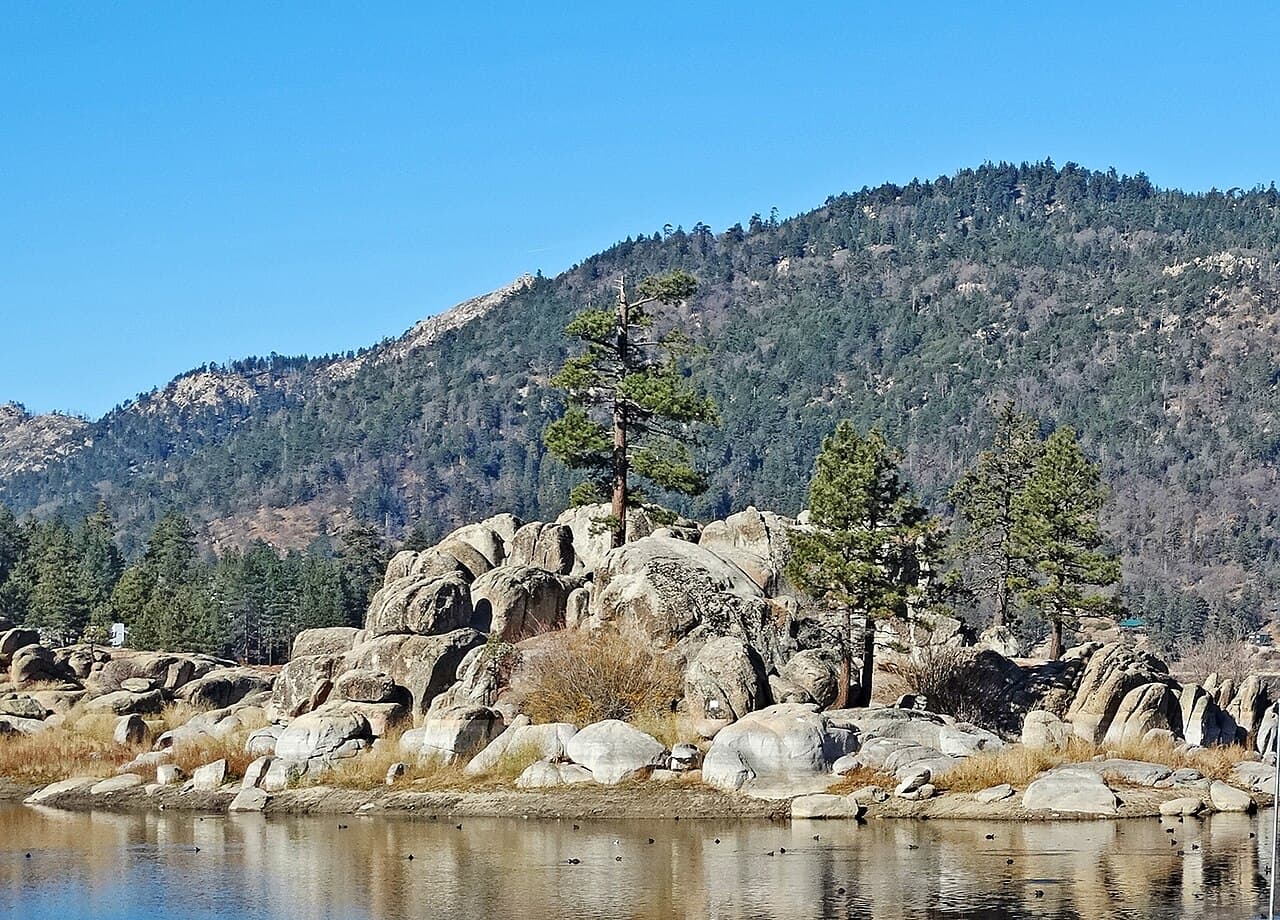
Winter strips the White Mountains down to something quieter and starker: ice rimming the Little Colorado, pine boughs bent under snow, and a silence so complete you can hear your own footsteps on frozen ground. This is a trip for travelers who want mountain solitude without a crowd to share it with.
At a Glance
Highlights
- Frost-laced river walk along Greer's Little Colorado
- Empty alpine lake shoreline at Big Lake in deep winter hush
- High-elevation views from Sunrise's off-season quiet
- Early-morning light with zero competition for the good photo spot
- Hearty lodge meals built for cold-weather appetites
- Star-thick night skies far from any city glow
Day-by-Day Plan
Day 1: Settling Into the Quiet: Greer's Frozen River
A gentle first day centered on Greer village and the Little Colorado River, with under 2 miles of easy walking and low physical demand to ease into the altitude and cold.
In winter the river slows to a hush, its edges laced with ice while the center channel still runs dark and clear over smoothed stones. Arrive by 9am and the light comes low and gold through the ponderosas, with no one else on the banks to break the stillness — by midmorning a few anglers and dog-walkers may appear, but this is still one of the quietest places in the state. The cold sharpens every sound: cracking ice, a distant woodpecker, your own breath.
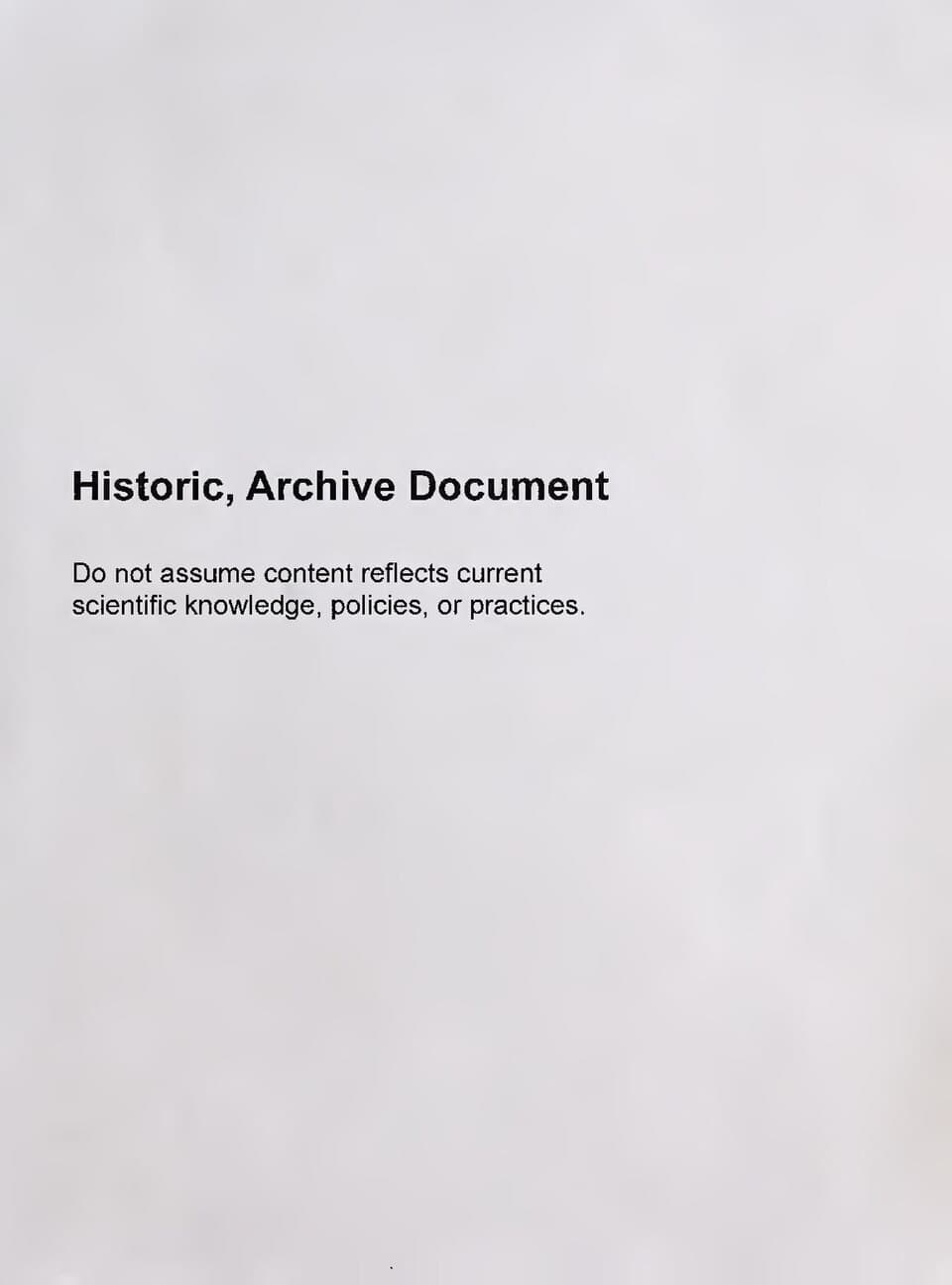
Ease into the trip slowly. The drive up from Show Low winds through pine forest that thickens and quiets as elevation climbs, and by the time Greer appears — a scatter of cabins and lodges tucked along the river — the desert feels like a different country entirely. Spend the late morning simply walking the riverside, letting your body adjust to both the cold and the 8,000-foot air, which can leave newcomers a little breathless on inclines.
With the primary stop for the day already covered, use the afternoon to explore Greer's small village on foot at an unhurried pace — this is a day for acclimating, not achieving. Sit somewhere warm, read, or simply watch how the light changes over the pines as the sun drops earlier than expected in winter.
Dinner options are limited to what's open in the village this time of year, so ask your lodge host directly about what's serving that night — many family-run spots keep informal winter hours. Turn in early; tomorrow's drive to Big Lake and Sunrise covers more ground and colder, higher terrain.
Day 2: Ice, Altitude, and Empty Horizons: Big Lake to Sunrise
A fuller day covering two clusters — Big Lake and the Sunrise Ski Resort area — with roughly 3-4 miles of walking across variable, potentially snowy terrain and moderate energy demands.
In winter, Big Lake turns into something closer to a held breath — its surface often partially frozen, the surrounding forest silent except for wind through the pines and the occasional distant bird call. Arrive early and you'll likely have the entire shoreline to yourself; this is one of the few places in Arizona where solitude feels absolute rather than merely quiet. Bring a thermos and take your time along the accessible stretches near the boat launch, where the reflections of the forested ridgeline are sharpest in early light.
Though this landmark is best known for summer meadow walks, the winter version offers something different: sweeping views from over 11,000 feet, snow-draped ridgelines, and a stillness broken only by wind moving through fir branches. As a solo traveler this is a strong spot for striking up conversation — skiers and lodge staff tend to be friendly and chatty in the off-season lull, and it's an easy, low-pressure place to swap trail notes with fellow travelers. Keep an eye on the light; days are short in winter and the drive back to Greer or Alpine should begin well before dusk.

Depart Greer early, while the roads are least likely to have refrozen overnight, and let the drive itself be part of the experience — forest thickening, snow deepening, and any trace of desert warmth falling away behind you. Big Lake in winter feels almost otherworldly: half-frozen, entirely still, and yours alone for as long as you care to stay.
The shift from lake to alpine ridge at Sunrise brings a change in both scale and energy — wider views, thinner air, and a different kind of quiet. This is a good stretch for conversation if you're craving company after a solitary morning; lodge staff and fellow travelers tend to be easy to talk to in the off-season hush.
Head back down toward Greer or Alpine before full dark, since winter roads deteriorate fast once temperatures drop after sunset. Dinner will depend on what's open that night — check with your lodge for current options, as hours shrink considerably in the off-season — and let the day close early with the kind of tired, satisfied quiet that only comes after a day spent almost entirely outdoors.
Want to tweak this trip?
Our AI planner can customize this itinerary to your exact dates, interests, and travel style.
Customize This ItineraryRestaurant details (hours, menus, availability) change frequently, especially in winter when many mountain establishments reduce hours or close entirely. Check current hours before visiting.
Dietary compatibility tags are general guidance. If you have severe allergies, confirm directly with the restaurant.
Travel tips are general guidance, not professional safety advice. Winter road conditions in this region can change rapidly — check government and forest service advisories before driving.
All prices are approximate and may vary seasonally.
Attractions in This Itinerary
More Itineraries for White Mountains (Greer, Alpine)
Explore Arizona