White Mountains (Greer, Alpine), Arizona
3-Day Itinerary for Couples
“Pine Smoke & Frozen Water: A Winter Retreat in Greer and Alpine”
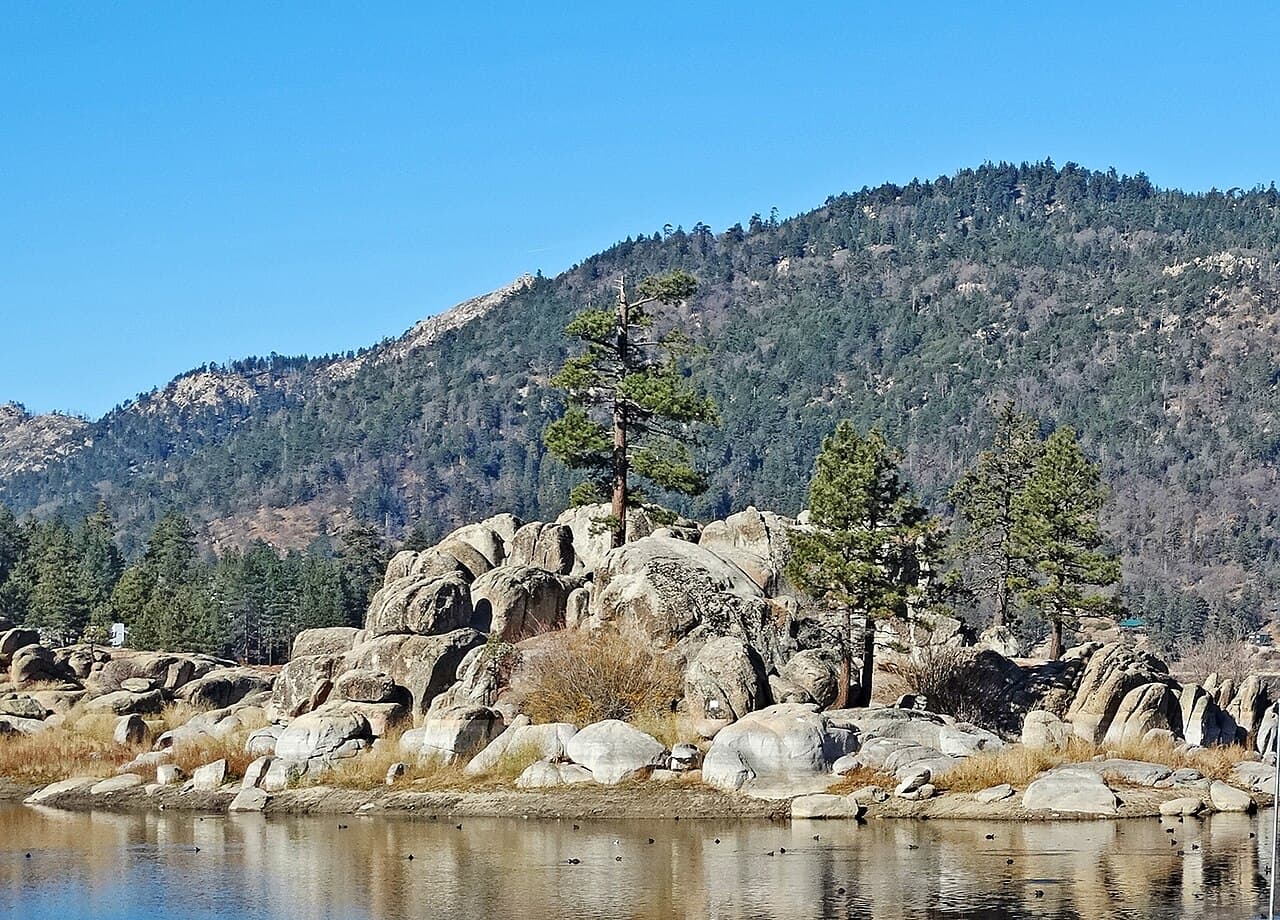
Winter turns the White Mountains into something hushed and private: the Little Colorado runs slower under a skin of ice, Big Lake goes still and silver, and the pines hold snow like breath held in. This is a trip for couples who want fewer crowds and longer silences — three days of cold air, warm lodges, and skies that go violet at 5pm.
At a Glance
Highlights
- Frost-rimmed river walk through Greer village at first light
- Golden-hour stillness over frozen Big Lake
- High-alpine solitude at 11,000 feet near Sunrise
- Early-dark evenings built for fireside dinners and slow mornings
- Near-zero crowds compared to summer wildflower season
- Романтичный, unhurried mountain pace with no rush past dusk
Day-by-Day Plan
Day 1: Arrival and the River's Quiet Hour
A gentle half-day easing into altitude and cold with one unhurried stop along the Little Colorado River in Greer, plus village orientation — under 1 mile of walking, low energy.
Arrive with low expectations of exertion and let the cold do the work of slowing you down — the river runs thinner and clearer in winter, threaded with ice at its edges, and the pines above hold old snow in patches of blue shadow. This is not a hike so much as a wander: find a bench-free overlook, listen to water moving under a skin of frost, and let jet-lag or road fatigue dissolve into the quiet. Couples find this an easy, low-effort first stop — no itinerary pressure, just cold air and each other.
Day one has no morning agenda by design — travel time from Phoenix or Flagstaff eats the earlier hours, and the altitude gain from desert to 8,000 feet deserves a slow adjustment. Use the drive itself as the first experience: watch the landscape shift from saguaro to ponderosa pine, windows fogging slightly as the temperature drops with every thousand feet of elevation.
By early afternoon, settle into Greer and take the village's central feature — the Little Colorado River — at an unhurried pace. The energy here is deliberately soft: no strenuous walking, just cold air, moving water, and the sound of wind combing through pine needles. This is where the trip's rhythm gets set — slow, quiet, romantic by virtue of having nowhere else to be.
As the mountain dark falls early (expect near-total darkness by 5:30–6pm in winter), retreat indoors. Dinner options in Greer's village lean toward lodge dining rooms with fireplaces — call ahead given reduced winter hours — and the evening itself should stay unstructured: a fire, a shared blanket, the particular silence of a mountain town where nearly everything closes by 8 or 9pm.
Day 2: Frozen Water and Wide Sky at Big Lake
A fuller day centered on Big Lake's winter stillness with a scenic midpoint drive, moderate walking of roughly 2 miles total, and an early-dinner return to Greer.
Arrive by 8:30am and the lake is entirely yours — no anglers yet, no other cars in the lot, just ice-rimmed shoreline and a stillness so complete you can hear your own footsteps on frozen gravel. Arizona's largest high-country lake takes on a different character in winter: the water near shore often carries a lace of ice, forested ridgelines stand doubled in reflection where the water stays open, and the cold carries the scent of pine sharper than in summer. By late morning a few other visitors may trickle in, but the hush here rarely breaks into anything resembling crowds.
Morning belongs entirely to Big Lake. The drive up is scenic and unhurried, forest opening periodically to reveal distant peaks dusted white, and arriving early rewards you with total quiet — just the couple, the frozen shoreline, and a stillness that feels almost private. This is the day's centerpiece: unstructured wandering, photography, maybe just standing together at the water's edge in silence.
After the lake, the pace eases. If road conditions cooperate, a short detour toward the Sunrise area adds one more high-elevation vista before heading back toward Greer — otherwise, the afternoon is ideal for returning to the village, warming up, and letting the cold-induced fatigue set in gently rather than fighting it.
Dinner should be the day's one deliberate indulgence — this is the trip's natural point for the splurge experience, an intimate dinner at a lodge dining room with a decent wine list and a fire going, reservations recommended given winter's reduced seating. Keep the evening short; mountain towns wind down early, and by 9pm the village outside is silent and star-bright.
Day 3: High Country Farewell
A lighter final day exploring the rugged Alpine/Sunrise high country before departure, roughly 1.5 miles of walking with moderate energy, timed to allow an afternoon drive home.
At 11,000 feet, winter strips this landscape down to essentials: bare aspens rattling faintly in the wind, meadows buried under snow instead of wildflowers, and a silence so total it feels almost architectural. Arrive by 9am and you'll likely have the overlooks entirely to yourselves — this is a place built for quiet awe rather than activity in the off-season, best appreciated as a slow, cold, wide-open farewell to the trip's alpine thread. Views toward Greer's valley unfold below, ridgelines layered in blue-white distance.

The last morning climbs highest of the trip, toward Sunrise's alpine terrain, where winter silence feels almost total. This isn't a place for lingering activity in the cold season so much as one last wide, quiet view — a fitting close to a trip built around stillness rather than spectacle.
By early afternoon, begin the descent back toward Show Low and the highway south, timing the departure to avoid driving mountain roads after dark. If there's time, a short final pass through Greer's riverside makes a gentle bookend before the long drive back to Phoenix or Flagstaff.
Evening on day three is typically spent on the road home rather than in the mountains — pack snacks and water for the drive, as dining options thin out significantly once you drop back toward Show Low and beyond.
Want to tweak this trip?
Our AI planner can customize this itinerary to your exact dates, interests, and travel style.
Customize This ItineraryRestaurant details, including hours and seasonal closures, change frequently in small mountain communities — call ahead before visiting, especially in winter when hours are often reduced.
Dietary compatibility and menu details are general guidance only; confirm specifics directly with each restaurant, particularly for severe allergies.
Travel and road-condition guidance here is general, not professional advice — check official Arizona Department of Transportation and National Forest Service updates before winter mountain travel.
All prices and spending estimates are approximate and may vary by season, availability, and current local conditions.
Attractions in This Itinerary
More Itineraries for White Mountains (Greer, Alpine)
Explore Arizona