White Mountains (Greer, Alpine), Arizona
3-Day Itinerary for Solo Traveler
“Pines, Water, and High Country Silence: 3 Days in Greer and Alpine”
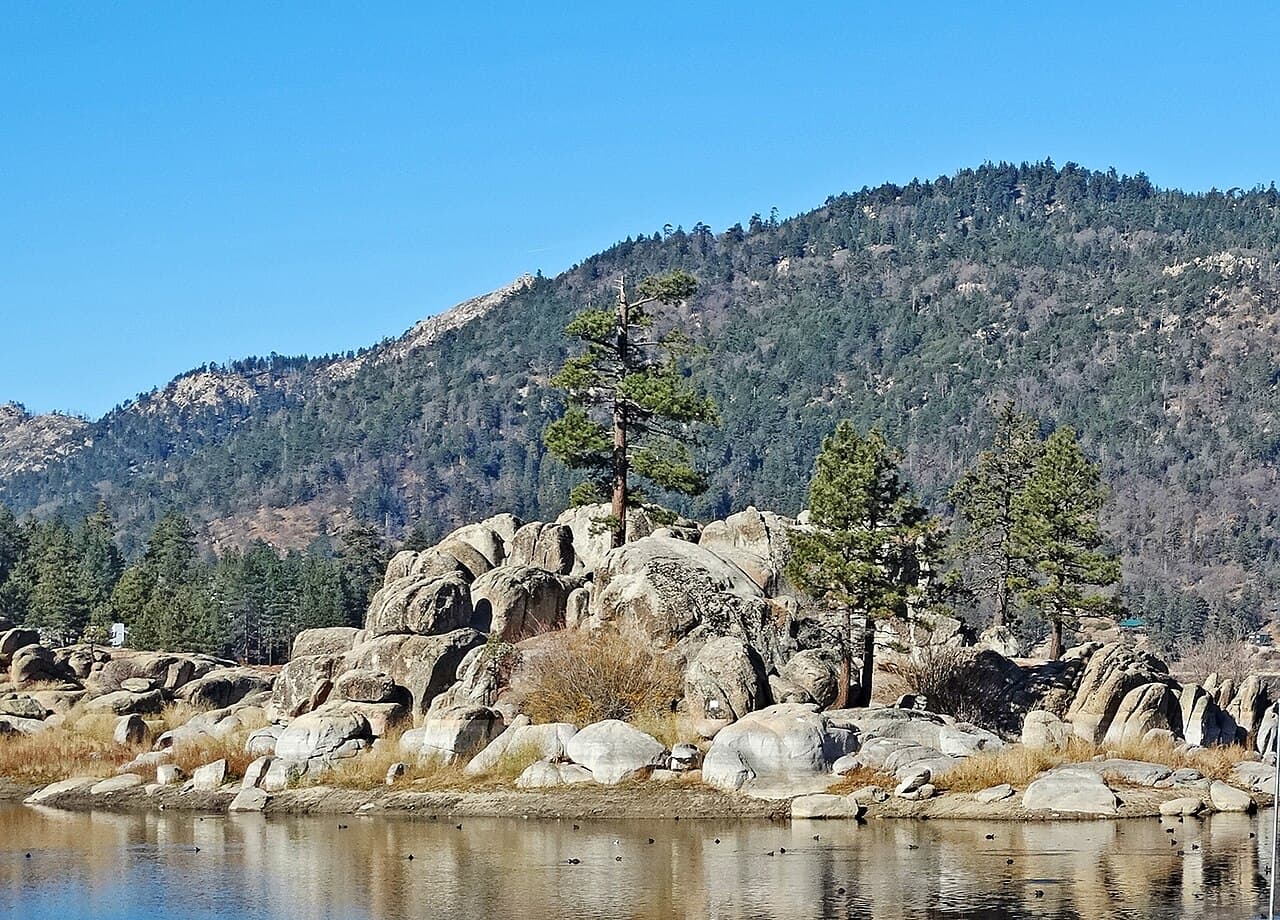
Above 8,000 feet, the desert's grip loosens and the air turns thin, cool, and fragrant with ponderosa pine. This is a trip measured in river sounds and lake reflections, best walked slowly and alone, with nothing on the agenda but light and altitude.
At a Glance
Highlights
- Cold, clear water braiding through Greer's historic village
- Sunrise over Big Lake with fog still lifting off the surface
- Wildflower meadows at 11,000 feet without a single crowd
- Trout-and-comfort-food dinners in family-run mountain lodges
- Solo-friendly pacing with built-in solitude and social openings
- Golden-hour light on aspens at Sunrise Ski Resort's summer trails
Day-by-Day Plan
Day 1: Arrival & the River's Slow Introduction
A gentle half-day easing into altitude with a leisurely walk along Greer's Little Colorado River, roughly 1.5 miles of easy wandering and light photography.
Arrive by 9am and the river has the village mostly to itself — cool air still holds the night's chill, and light filters through ponderosa pine in scattered coins on the water. Walk slowly along the bank; the current burbles over smooth stones and moss-slicked rocks, a sound that does more to reset a travel-worn mind than any amount of sleep. This is an easy, unhurried introduction to the altitude — no rush, no itinerary pressure, just water and pine and the particular quiet of a mountain village waking up.
Ease into the day rather than rushing it — after travel, the goal is simply to acclimate to altitude and let the senses recalibrate. Head straight to the river in Greer while the morning is still cool and quiet, before the day's warmth and any weekend visitors arrive. Walk without an agenda, camera in hand, letting the sound of moving water do the work of grounding you in this new, cooler world.
Keep the afternoon deliberately light. Wander the village on foot, poke into the handful of shops and lodges that give Greer its character, and resist the urge to drive anywhere else today — this is about acclimating, not covering ground. If clouds build (common by early afternoon in summer), this is the ideal moment to retreat indoors and let the storm pass.
Settle into an early dinner at your lodge or a nearby cafe — the mountain rhythm here runs early, with most kitchens closing by 8 or 9pm. A lodge dining room or bar seat is often the easiest place for a solo traveler to strike up conversation with fellow hikers and anglers comparing notes on the day. Turn in early; tomorrow starts before sunrise.
Day 2: Fog Lifting Over Big Lake
A full day centered on Big Lake, with a scenic shoreline walk and photography session covering roughly 2–3 miles at a relaxed pace.
Arrive at first light — by 6:30am, fog often still clings to the water and the only sound is the occasional call of a bird or the soft lap of water on rock. This is the golden window: anglers are just arriving, the light is warm and low, and the forested ridgeline doubles perfectly in the still surface. Walk the northern shoreline slowly, camera ready, and feel the cold, pine-sharp air work its way into your lungs — this is the kind of solitude that's hard to find anywhere else in Arizona.
After a break, return to the lake for a relaxed midday stretch — pack a lunch and find a quiet spot along the shore, since dining options directly at the lake are limited. This is a good window for a slow picnic and people-watching, as the boat launch area draws a mix of anglers and families, offering easy, low-pressure opportunities to chat if the mood strikes.
Set an early alarm — this is the one day worth losing sleep for. Drive up while it's still dark enough to catch the last stars, arriving at Big Lake as fog begins lifting off the water. Walk the shoreline in near-total quiet, camera in hand, watching the light shift from gray to gold as the sun clears the ridge.
The pace softens after the morning's photography push. Find a shaded spot for a packed lunch along the shore, watch anglers work the water, and let the middle of the day be about rest rather than exertion — the sun is strong at this elevation even when the air feels cool. This is also a natural window for casual conversation with other travelers drawn to the same quiet spot.
Head back down toward Greer in the late afternoon, giving yourself time to beat any building storm clouds. Dinner should be unhurried and early, mountain-town style — a good night to simply reflect on the day's stillness before an early bed ahead of tomorrow's alpine push.
Day 3: High Meadows and the Long Way Home
A morning at Sunrise Ski Resort's 11,000-foot summer trails and meadows, covering roughly 2–4 miles of moderate walking before the transition back toward the gateway towns.
Arrive by 7:30am and the meadows are still hushed, wildflowers heavy with dew and the air sharp with fir and cool wind — by 9am, weekend crowds and the day's warmth both start to build. Wander the trail overlooks for valley views back toward Greer, feeling the noticeable thinness of the air at 11,000 feet. This is the trip's highest, quietest point, and solo travelers in particular tend to linger here longer than planned, drawn by the scale of the meadows and the total absence of noise beyond wind and distant birdsong.

Make this the earliest start of the trip — the drive up to Sunrise rewards those who arrive before the crowds and before the heat. Walk the meadow trails while wildflowers still hold the night's dew, breathing air that feels distinctly thinner and colder than anywhere else on the trip. This is the itinerary's high point, literally and otherwise.
Begin the transition back down toward lower elevation and, eventually, the gateway towns. If time and energy allow, a brief final stop at Greer's river offers a gentle, low-key close to the trip — otherwise, use the afternoon for the drive itself, watching the landscape shift from alpine meadow back toward high desert.
Plan dinner as part of the drive out or in Show Low if timing runs late, since dining options thin out considerably once you leave Greer and Alpine behind. Reflect on three days measured in river sound, lake fog, and thin mountain air — a quiet, solitary counterpoint to Arizona's desert reputation.
Want to tweak this trip?
Our AI planner can customize this itinerary to your exact dates, interests, and travel style.
Customize This ItineraryRestaurant and dining details for this remote mountain region change frequently and are often seasonal — confirm current hours directly with lodges and cafes before relying on them, and consider packing snacks or planning meals around town centers rather than trailheads or lakesides where options are limited or unmapped.
Dietary compatibility and menu details are general guidance only. If you have severe allergies or specific dietary needs, confirm directly with the restaurant or lodge before dining.
Travel and safety tips provided here are general guidance, not professional advice. Check current forest service and road condition advisories, especially regarding monsoon flooding and wildlife activity, before heading into remote areas.
All prices are approximate estimates and may vary seasonally, especially during peak summer months when demand and rates rise.
Attractions in This Itinerary
More Itineraries for White Mountains (Greer, Alpine)
Explore Arizona