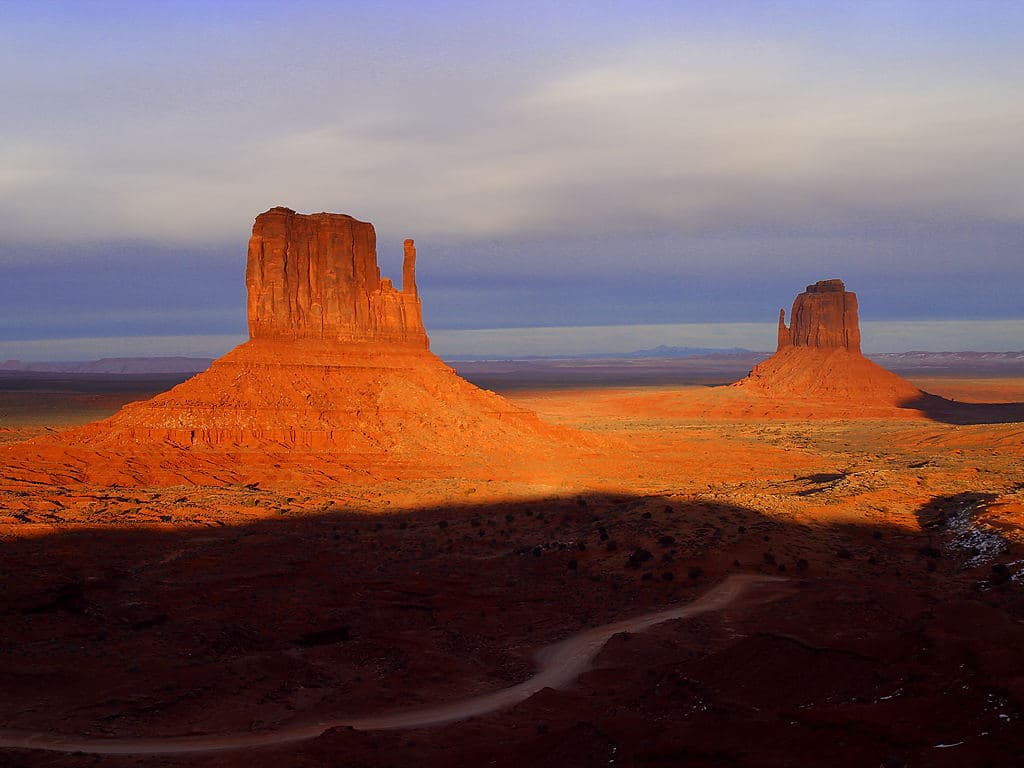
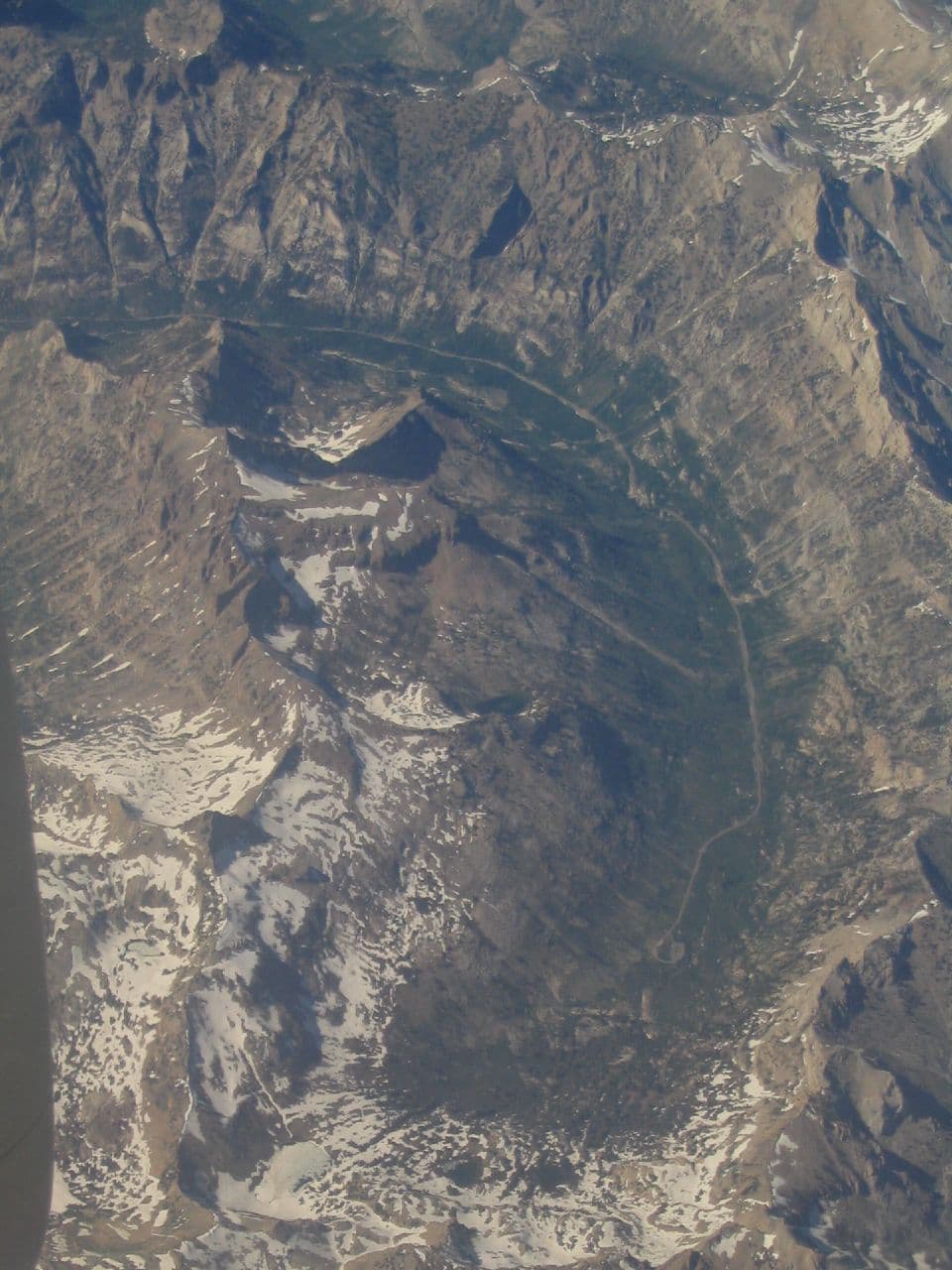
White Mountains (Greer, Alpine), Arizona
4-Day Itinerary for Teen Families
“Pine, Ice & Alpine Sky: 4 Winter Days in Greer & Alpine”
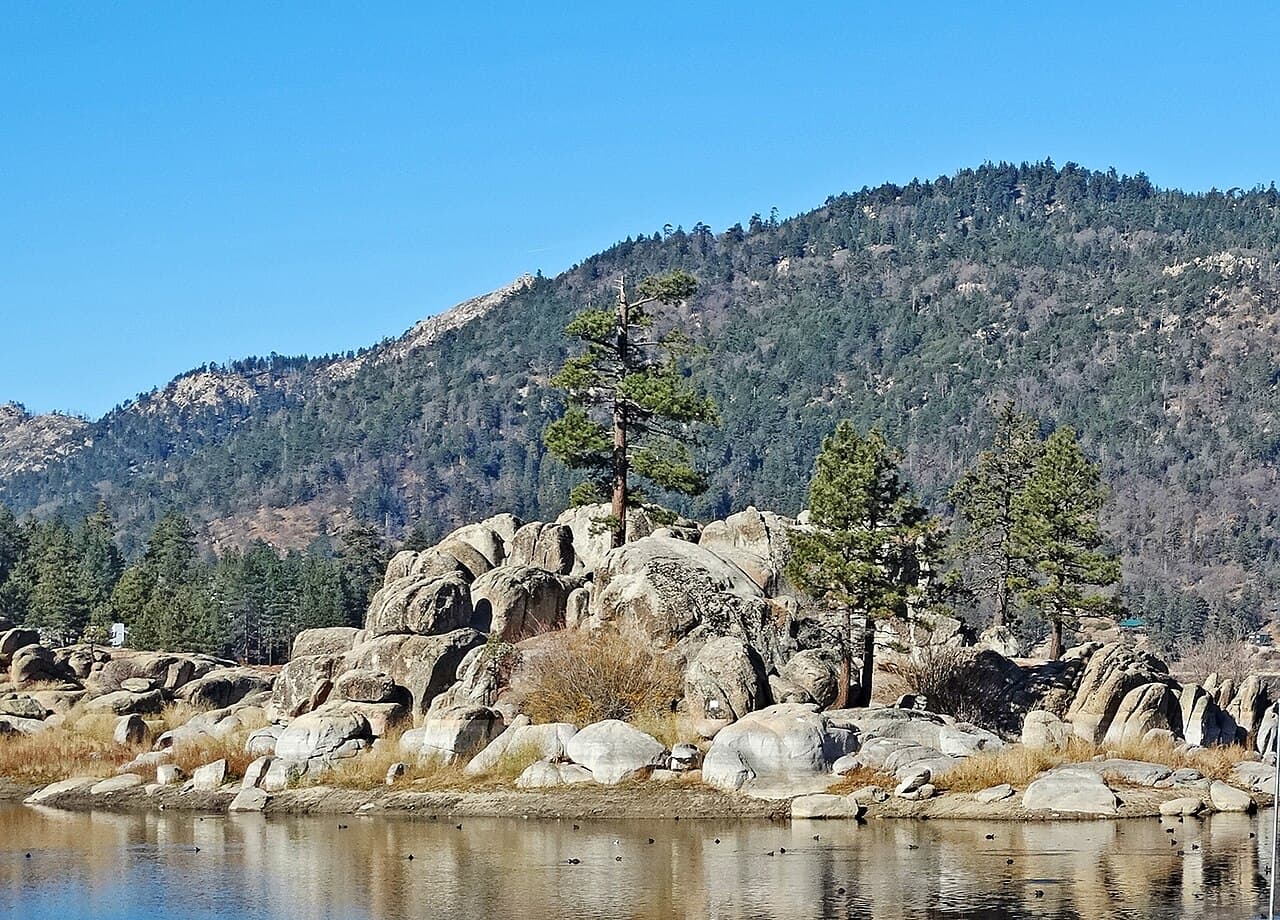
Winter strips the White Mountains down to something quieter and sharper: frost-furred pines, a river running slow and dark beneath skins of ice, and skies so clean they feel breakable. This is a trip built for teen families who want adventure without crowds — cold mornings that reward the early riser, cocoa-warmed afternoons, and evenings where the whole sky shows up.
At a Glance
Highlights
- Frost-rimmed walk along the Little Colorado in Greer
- Sunrise views over an 11,000-foot alpine ridge
- Quiet, near-empty shoreline at frozen-edged Big Lake
- Early morning light with almost nobody else around
- Hearty mountain dinners after a full day outdoors
- Stargazing in some of Arizona's darkest winter skies
- A slower pace built for both teens and parents
Day-by-Day Plan
Day 1: Settling Into the Quiet: Greer at Winter's Edge
A gentle half-day exploring Greer village and the frost-lined Little Colorado River, with about 1 mile of easy walking and low physical demand to ease into altitude and cold.
In winter the river slows into a hush, its edges laced with thin ice while the center channel still moves, dark and clear, over stones gone slick with frost. Ponderosa pines stand heavy with old snow, and the cold carries a mineral, resinous smell that feels like nothing in the desert below. Teens will appreciate the photo-worthy ice formations along the banks, while parents get an easy, low-stakes walk to shake off the drive.
Morning is reserved for travel — the drive north on US-191 from Show Low climbs steadily through pine forest, with switchbacks that can carry patches of ice, so take it slow and watch for wildlife crossing the road in the low winter light.
By early afternoon, settle into Greer with an easy riverside walk. The Little Colorado moves quietly here, half-frozen at its edges, and the village itself feels hushed under snow — a gentle way to let jet lag and elevation adjustment settle before the more active days ahead.
Evening comes early in winter mountain country — expect dusk by 5:30pm. Plan for a low-key dinner in Greer and an early turn-in; the altitude and cold air tend to bring on real tiredness faster than expected, and tomorrow's early start rewards a good night's sleep.
Day 2: Ice and Silence at Big Lake
A full day centered on Big Lake's winter stillness, with roughly 2 miles of shoreline walking and moderate cold-weather exertion.
Arrive by 8:30am and the lake is yours alone — the surface often carries a skin of ice near the shallows, the far ridgeline doubled in reflection where the water stays open, and the only sound is wind moving through frozen reeds. This is a quieter, more contemplative Big Lake than its summer self, ideal for a slow shoreline walk, a thermos of cocoa, and the kind of wide-open silence that makes teens put their phones away without being told. Fishing is possible for those with the right winter gear, though many families will simply enjoy the walk and the views.
The morning belongs to Big Lake, reached by an early, careful drive through forest still dark with shadow. Plan meals around town rather than the lakeside, since food options up here are limited in winter — pack a thermos and snacks. The shoreline in winter light is stark and beautiful, ice creeping in from the edges while the center holds open water reflecting the ridge.
After a packed lunch by the vehicle or a sheltered picnic spot, the pace eases — a slow walk along whatever shoreline stays accessible, time for teens to explore a little independently along a marked stretch while parents watch from a bench or rock. The cold sharpens everything: sound carries further, colors read more vividly against the snow.
The drive back to Greer arrives with the light fading fast — winter dusk falls by 5:30pm here. Dinner should be simple and warm, and an early night is wise; tomorrow's push up to Sunrise starts before the sun does.
Day 3: Above the Treeline: Sunrise and Alpine Air
A moderately active day centered on Sunrise's high alpine terrain, with roughly 3 miles of trail walking in cold, thin air.
At 11,000 feet in winter, the air is thin and startlingly clean, and the meadows that bloom with wildflowers in summer now lie under a hushed blanket of snow, rimmed by dark stands of fir. Arrive by 8am for a sunrise-lit ridge nearly empty of other visitors — the light comes up gold and low, catching frost on every branch. Teens get a real sense of scale here, with valley views toward Greer opening up dramatically from the trail overlooks, and the cold, bracing air feels like an adventure in itself.

After the sunrise push, the pace eases into a longer, easier exploration of the lower meadow trails, where the wind softens somewhat and the views toward Greer stretch out below. This stretch is a good moment for teen autonomy — a marked loop where they can walk slightly ahead or linger for photos while parents take a breather at an overlook bench.
The day starts in the dark, with a careful drive up toward Sunrise as the sky just begins to lighten. Reaching the ridge for sunrise means having the whole alpine landscape essentially to the family alone — frost on every surface, breath visible in the cold, and a view toward Greer that makes the scale of the mountains suddenly clear.
Midday eases into the gentler meadow trails below the ridge, where the wind calms and the pace slows. This is a good stretch for teens to range a little independently along a marked loop, building a sense of ownership over the day's adventure, while parents rest at an overlook and take in the view.
The drive back down to Greer arrives with legs tired in the good way. Dinner should be hearty — this is a day that burns real calories in the cold — and an early night matters, since altitude and cold both accelerate fatigue more than travelers expect.
Day 4: Last Light on the River
A lighter closing day back in Greer with about 1 mile of easy walking, built around a final unhurried river visit before departure.
One last walk along the Little Colorado in the crisp morning light — arrive before 9:30am and the river is nearly silent, ice crusting the slower pools while the main current keeps moving under a low winter sun. It's a fitting bookend: the same water that welcomed the trip on day one, now familiar, its sounds and light a little more recognizable after four days in these mountains.
A final, unhurried morning by the river closes out the trip gently — no pressure, no long drive yet, just the quiet company of moving water and pine-scented cold air one more time before packing up.
The afternoon is given over to the drive south on US-191 back toward Show Low and beyond — allow extra time for winter road conditions, and treat any scenic pullovers along the descent as a last chance to look back at the mountains receding behind.
By evening the family should be well on the way toward the airport or home, the White Mountains behind them but the memory of that cold, clean alpine air likely to linger for a while.
Want to tweak this trip?
Our AI planner can customize this itinerary to your exact dates, interests, and travel style.
Customize This ItineraryRestaurant details (hours, menus, availability) change frequently, especially in small mountain towns during winter — check current hours before visiting.
Dietary compatibility tags are general guidance. If you have severe allergies, confirm directly with the restaurant.
Travel tips are general guidance, not professional safety advice. Always check current road and weather conditions before winter mountain travel.
All prices are approximate and may vary seasonally.
Attractions in This Itinerary
More Itineraries for White Mountains (Greer, Alpine)
Explore Arizona