Molokai (quiet, east side), Hawaii
2-Day Itinerary for Solo Traveler
“Windward Silence: Two Days on Molokai's Wild East Side”

Out here, the pavement narrows to a single lane and the mile markers count down toward nothing but ocean and cliff. Molokai's east side doesn't perform for visitors — it simply exists, unhurried, fragrant with plumeria and heavy with salt wind, and for two days it's yours to move through slowly.
At a Glance
Highlights
- Sunrise solitude at the Kalaupapa Overlook before the tour vans arrive
- Sweet plumeria groves and handmade lei at a family farm most visitors never find
- A three-hour jungle hike deep into sacred Halawa Valley to a thundering waterfall pool
- Cliffside drives with zero traffic and views that drop nearly 2,000 feet to the sea
- A rare taste of pre-resort Hawaii, where Sundays are still quiet and locals still wave
Day-by-Day Plan
Day 1: Cliffs, Wind, and First Bloom
A gentle 3-mile day of scenic driving and short, low-energy stops along the East End Scenic Loop — ideal for settling into island time.
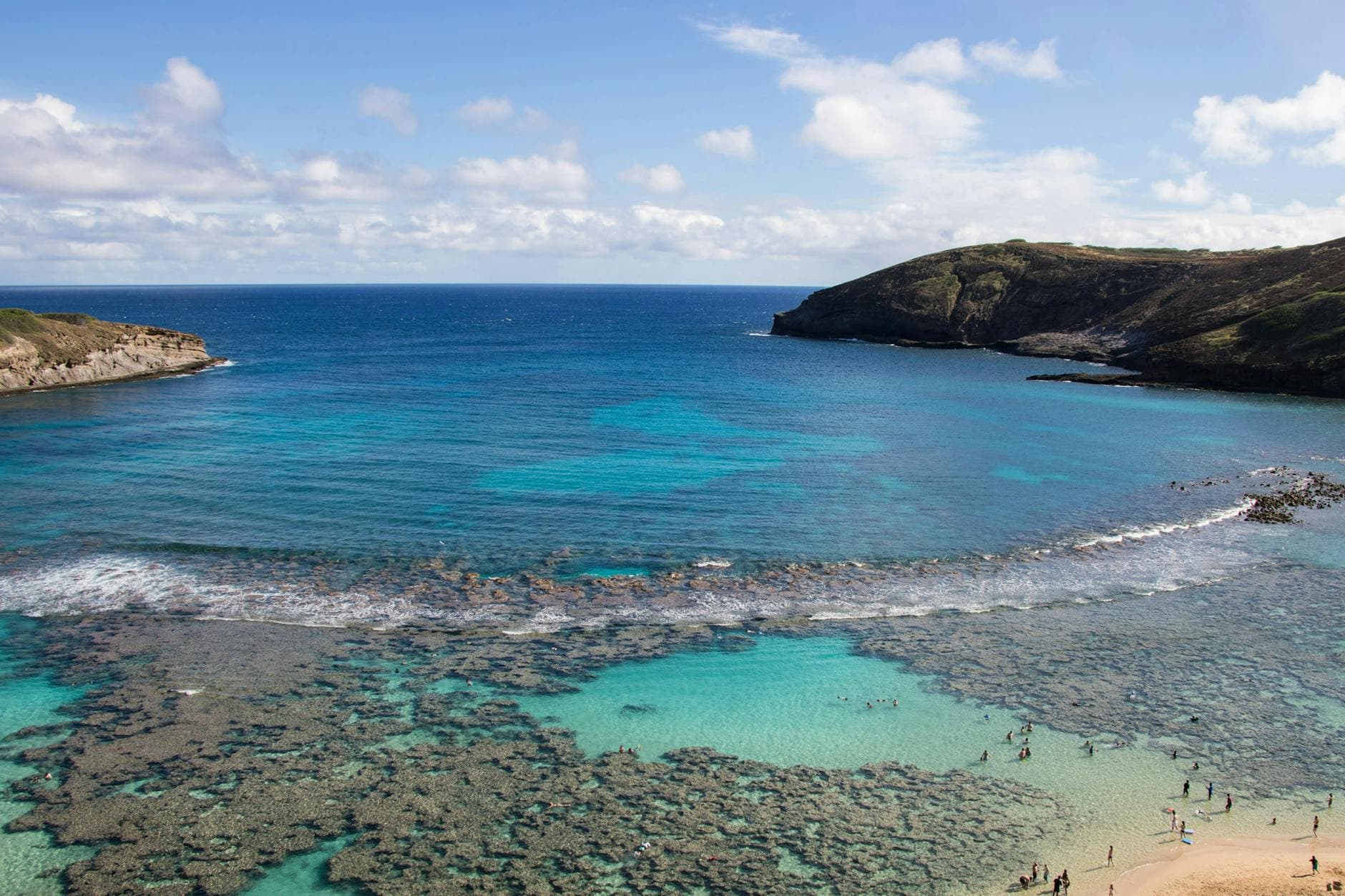
Arrive before 8am and this cliff-edge platform will likely be yours alone — just wind, distant tropicbird cries, and a nearly 2,000-foot drop to the green peninsula below. It's a striking, contemplative way to begin a solo trip: no crowds, no noise, just scale and silence. By mid-morning tour vans start arriving, so this early window is the trip's best-kept secret.

A short drive further along brings a second, slightly different vantage on the same haunting peninsula — this one framed by roadside vegetation that adds foreground texture to photos. It's worth the brief stop as a quieter counterpoint to the main overlook, especially if the light has shifted.

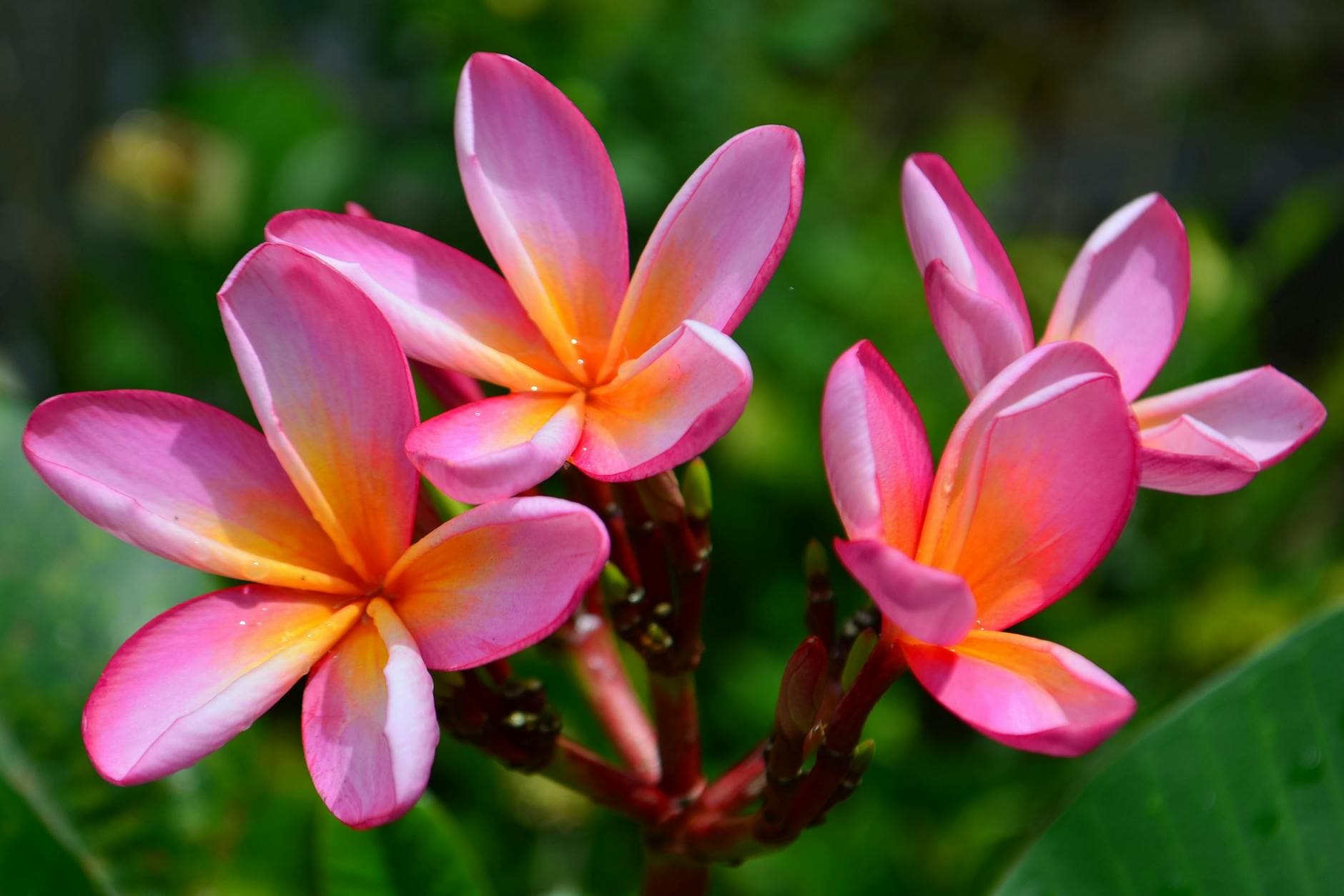
The scent hits before the gate does — sweet, warm plumeria drifting on the trade winds. This family farm is a gentle, social stop: strike up conversation with the artisans stringing lei at weathered tables, and it's an easy way for a solo traveler to feel welcomed into local rhythm rather than just passing through. Pick up a handmade lei as a small, meaningful souvenir.
The day opens quietly, with the Kalaupapa Overlook offering a rare, solitary communion with one of Hawaii's most haunting landscapes — just wind, birdsong, and the long drop to the peninsula below. A short drive further along the cliff road leads to a second, softer vantage point before the morning's light fully rises.
By midday, the mood shifts from awe to warmth at the Molokai Plumeria Farm, where fragrant groves and friendly conversation with local artisans offer an easy, social counterpoint to the morning's solitude. With no scheduled dining data for this stretch, it's worth packing snacks or planning a relaxed meal back in Kaunakakai rather than expecting food options directly along the loop.
Evenings on the east side are unhurried by design — most businesses shutter by early evening, so settle into lodging, watch the light fade over the water, and let the day's quiet pace carry into an early night ahead of tomorrow's more demanding hike.
Day 2: Into the Valley: Halawa's Waterfall Heart
A moderately strenuous half-day hike (roughly 4-5 miles round trip) into Halawa Valley, balanced with a relaxed, low-key afternoon.
Start early — by 7am the valley is cool, mist still clinging to the rock faces, and the trail hasn't yet filled with the morning wave of hikers that arrives by 9. This is Molokai's most sacred and dramatic landscape: ferns brushing your shoulders, cold stream water underfoot, and birdsong ricocheting off wet stone walls as the trail climbs toward the falls. For a solo traveler, guided small-group hikes here (arranged through local cultural guides) are a great way to meet fellow travelers while also honoring the valley's cultural protocols — solo unguided hiking isn't recommended given the remoteness and cultural sensitivity of the land.
The day's centerpiece begins in cool pre-dawn light, driving the winding coastal road toward Molokai's easternmost point. By 7am, the trail into Halawa Valley is quiet and mist-laden, ferns dripping, stream water numbingly cold underfoot — an immersive, almost primordial three-hour trek toward the valley's thundering waterfall pool, best done with a small guided group for both safety and cultural respect.
After the hike, the pace deliberately slows — muscles tired, clothes damp, appetite strong. With no mapped dining directly in the valley, plan to eat back toward Kaunakakai rather than expecting options at the trailhead; pack extra snacks and water for the drive back just in case. The afternoon is intentionally unstructured, a chance to rest, rehydrate, and let the morning's intensity settle.
As the light softens over the coast, the day winds down early in keeping with the island's rhythm — most everything closes by evening, so a simple, quiet dinner and an early rest feel not just practical but fitting, the valley's stillness still humming in memory.
Want to tweak this trip?
Our AI planner can customize this itinerary to your exact dates, interests, and travel style.
Customize This ItineraryRestaurant details (hours, menus, availability) change frequently, and Molokai's east side has especially limited dining infrastructure — confirm current options before visiting.
Dietary compatibility tags are general guidance. If you have severe allergies, confirm directly with any food vendor or farm stand.
Travel tips are general guidance, not professional safety advice. Check government advisories and local conditions, especially for hiking and ocean activity, before you go.
All prices are approximate and may vary seasonally, especially given Molokai's limited commercial infrastructure.