3 DaysActive Retirees4 Stops

Molokai (quiet, east side), Hawaii

3-Day Itinerary for Active Retirees

“Windward Quiet: Three Days on Molokai's Untamed East End”

Windward Quiet: Three Days on Molokai's Untamed East End

Out here, the road narrows to one lane and the ocean does all the talking—no resorts, no rush, just cliffs dropping two thousand feet into cobalt water and the sweet drift of plumeria on the trade winds. This is Hawaii as it was before anyone thought to pave it smooth.

At a Glance

Climate & Weather
Summer (June–September) is East Molokai's sweet spot: dry, sunny, warm days in the mid-80s°F and calm seas. Pack breathable layers, a light rain jacket for sudden valley showers, reef-safe sunscreen, a sunhat, and sturdy closed-toe shoes for any uneven ground near overlooks.
Getting Around
There are no rental car counters at Molokai Airport, so arrange a car, taxi, or guided transport in advance through your lodging. The east side's single coastal highway is the only route in and out, so build in generous drive-time buffers and treat the journey itself as part of the day.
Budget
Budget roughly $60–100 per person per day for meals and modest cultural/guide fees; this is not a destination with ticketed attractions, so costs stay low and simple.
Safety
Molokai is remarkably safe with virtually no violent crime, but roads are narrow, unlit, and winding—plan all driving before dusk. Ocean currents on the east side can be deceptively strong, so swim only where locals do and never alone. Trails near waterfalls turn slick quickly; trekking poles and grippy shoes are worth packing.
Connectivity
Cell signal is spotty to nonexistent past Kaunakakai, especially in Halawa Valley—download offline maps and let someone know your plans before heading out. Most lodging offers basic WiFi; don't expect reliable connectivity in the field.
Local Tips
Many shops and eateries close by 5–6 PM and nearly everything slows to a standstill on Sundays, so plan dining and errands accordingly. Arrive at overlooks before 8 AM in summer to beat both heat and the modest midday crowds, and always ask before photographing residents or entering areas that feel private—this is lived-in land, not a theme park.

Highlights

  • Dawn silence at the Kalaupapa Overlook before the first tour van arrives
  • Fragrant wandering through a working plumeria farm with island-made lei craft
  • A slow coastal drive along the empty northeast shore, bench by bench
  • Golden-hour light pooling into Halawa Valley's ancient green walls
  • Waterfall mist and birdsong on a gentle, guided valley walk
  • Evenings with nothing on the agenda but the sound of surf

Day-by-Day Plan

Settling in, coastal overlooks

Day 1: Arrival & the Long, Easy Light of the East End

A gentle orientation day with under a mile of walking, built around two low-energy cultural stops and wide-open ocean views.

Wear
Light breathable clothing, closed-toe walking shoes, a sunhat, and a light jacket for windy overlooks.
Budget
$50–70 per person (meals and incidentals)
8:00 AM - 8:45 AM
Kalaupapa Overlook Viewpoint · morning · 45 min · East End Scenic Loop

Arrive by 8 AM and the overlook is nearly silent—just wind and the distant call of tropicbirds echoing off cliffs that drop almost 2,000 feet to a peninsula frozen in time. Take it slow here; there's a railing to lean on and plenty of space to simply stand and absorb the scale of the place before the first small tour groups arrive mid-morning.

Kalaupapa Overlook Viewpoint
Photo by Pexels on Pixabay
Shoot from the main railing in early morning light, when the peninsula below is still crisp before haze sets in by midday.
Limited facilities and no paved path to the railing, but the overlook itself requires minimal walking from the parking area.
25 min drive — A winding coastal drive with the ocean flashing between ironwood trees—roll the windows down for the shift from salt air to sweet floral scent.
10:00 AM - 10:45 AM
Molokai Plumeria Farm · midday · 45 min · East End Scenic Loop

The air here turns sweet and heavy with plumeria long before you see the trees—soft light falls through pink, white, and yellow blooms onto tables of handmade lei and island crafts. This is an easy, flat wander with benches tucked here and there, ideal for a slow midmorning after the cliffside wind of the overlook.
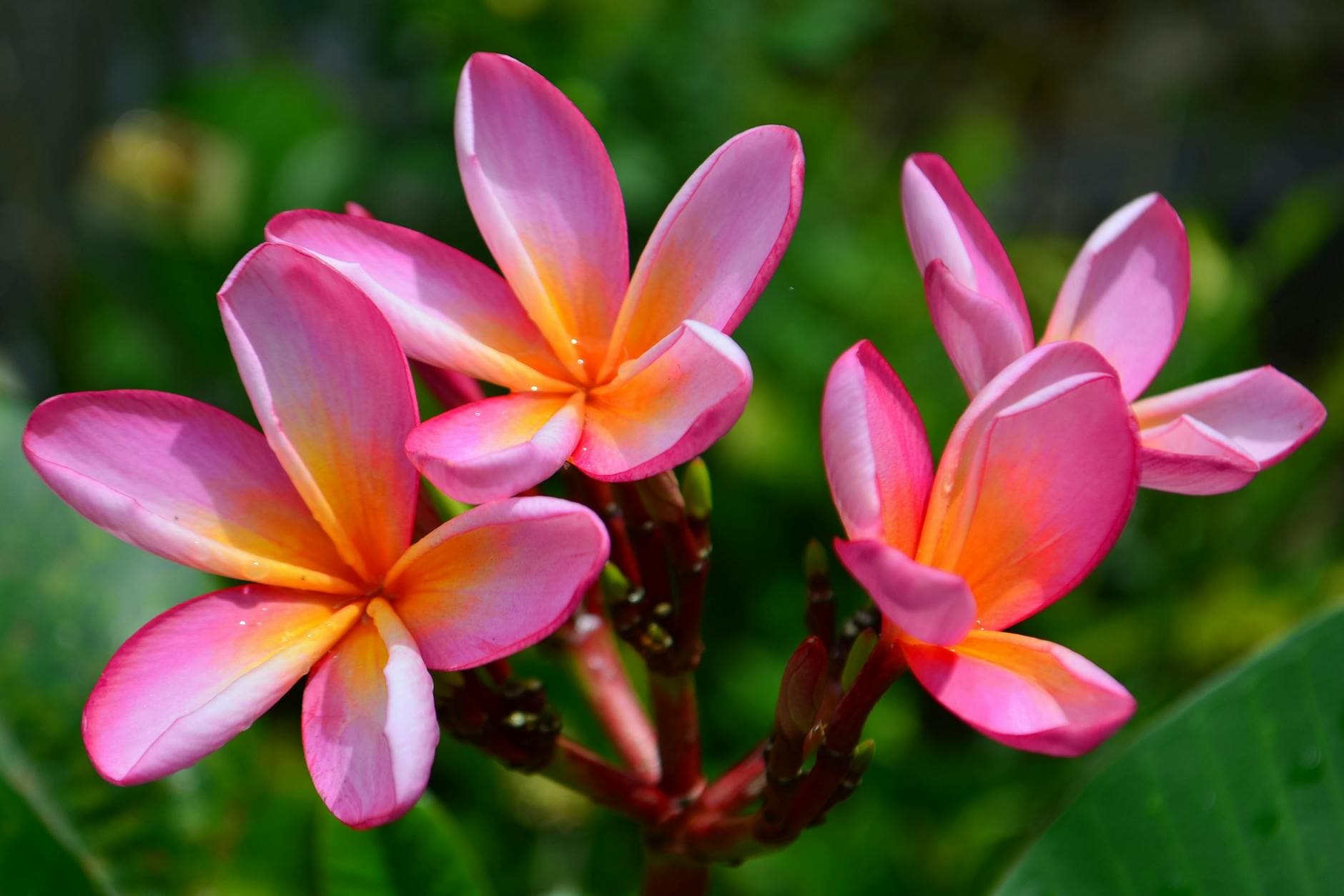
Molokai Plumeria Farm
Irma Sjachlan / pexels (Pexels License)
Midmorning sun dapples the grove nicely—aim for the central plumeria cluster where light filters through the canopy.
Flat paths throughout, though benches are sparse; a short rest stop works well here before continuing.
Optional detour: Kalaupapa NHP (view from lookout) — After Kalaupapa Overlook Viewpoint and before Molokai Plumeria Farm
A second, slightly different angle on the same dramatic peninsula, with interpretive signage adding historical depth for those drawn to the Hansen's disease settlement story. Skip if: The view substantially overlaps with the main overlook, so skip it if you'd rather conserve energy for the plumeria farm and an unhurried afternoon.
If it rains: If mist rolls in and obscures the cliffs, treat the overlook as a brief stop and spend unhurried time instead at the Plumeria Farm, where rain often makes the blooms more vibrant—just mind muddy ground underfoot.

The day opens slow and quiet, with the overlook nearly empty in the cool morning air—just wind, distant birdcall, and the staggering scale of cliffs falling away toward a peninsula that feels suspended outside of time. There's no need to hurry; let the scale of it settle in before heading onward.

By midmorning, the pace shifts from vast and windswept to intimate and fragrant at the plumeria farm, where flat paths and shaded groves invite a slow wander among blooms and handmade crafts. The remainder of the afternoon is intentionally unscheduled—a chance to rest, settle into lodging, and let travel fatigue ease before tomorrow's valley excursion.

With island rhythms slowing by early evening and most businesses closing by 5 or 6 PM, plan a relaxed dinner near your lodging and an early night—there's little to rush toward after dark, and the island's quiet is itself the evening's main event.

Coastal culture, slow discovery

Day 2: Deeper Into the East End's Quiet Edges

A continued, low-impact exploration of the East End Scenic Loop with flexible free time, totaling under a mile of walking.

Wear
Breathable layers, a wide-brim hat, sunscreen, and comfortable shoes for uneven overlook terrain.
Budget
$50–80 per person
7:30 AM - 7:50 AM
Kalaupapa NHP (view from lookout, no tour without permit but overlook is accessible) · morning · 20 min · East End Scenic Loop

Arrive by 7:30 AM and this overlook belongs to you alone—just howling trade winds, salt spray, and the surreal sight of tiny rooftops far below where Hansen's disease patients once lived in exile. By 9 AM, small groups gather here, so this early visit rewards quiet reflection over crowds.

Kalaupapa NHP (view from lookout, no tour without permit but overlook is accessible)
Katie Schankula / pexels (Pexels License)
The roadside pull-outs on the drive up offer a layered, dramatic perspective of the pali with foreground vegetation—worth a brief stop before the main overlook.
Paved, flat parking area with a short walk to the vista; benches are sparse, so pace rest breaks accordingly.
Optional detour: Molokai Plumeria Farm — After Kalaupapa NHP overlook and before afternoon rest
A return visit in different light offers a fresh wander through the grove and a chance to pick up handmade lei or crafts as gifts. Skip if: If you visited thoroughly on Day 1, this repeat stop can be skipped in favor of a longer, unhurried afternoon at leisure.
If it rains: If low clouds roll in and the vista disappears, delay the visit to late afternoon when skies often clear, or substitute an unhurried return to the Plumeria Farm, which thrives in light rain.

The second morning begins in near solitude at the overlook, wind and birdcall the only companions as the cliffs reveal themselves in the day's clearest early light. This is a moment built for stillness rather than ticking off sights—there's nowhere else on the agenda to rush toward.

With the morning's cultural stop complete, the afternoon opens wide and unscheduled, encouraging a return to lodging, a slow lunch, or simply time spent watching the surf. This pacing mirrors the island's own rhythm—nothing here asks to be hurried.

As the light softens toward evening, keep plans simple and nearby; most dining options close early, so settle into dinner before sunset and let the day wind down gently, free of any evening activity past dusk.

Waterfall immersion, jungle wonder

Day 3: Into the Green Hush of Halawa Valley

A full-morning, moderate-paced excursion into Halawa Valley with built-in rest stops, followed by a quiet, restful afternoon—roughly 1.5 miles of walking total.

Wear
Sturdy closed-toe hiking shoes with good grip, quick-dry clothing, a light rain jacket, and a reusable water bottle.
Budget
$60–100 per person (including guide fees where applicable)
45 min drive — The longest drive of the trip, hugging the coastline the entire way—watch for a scenic pullover roughly at the halfway point where the road first reveals Halawa's green amphitheater of cliffs.
7:30 AM - 10:30 AM
Halawa Valley (waterfall hike) · morning · 180 min · Halawa Valley

Arrive by 7:30 AM, while the valley is still cool and quiet, and set an unhurried pace—mist rising off wet rock faces, birdsong threading through fern-draped walls, and cold mountain pools splashing underfoot. This hike is more demanding than the island's coastal stops, so take frequent breaks, use the upper valley overlook as a natural rest point, and turn back early if footing feels uncertain; the valley's beauty reveals itself even in a shorter, slower version of the walk.

Halawa Valley (waterfall hike)
Chait Goli / pexels (Pexels License)
The upper valley overlook, just before the final descent, offers the best balance of waterfall context and valley scale—visit in mid-morning light for the clearest contrast.
Not wheelchair accessible; the trail is uneven, occasionally slippery, and has no facilities—plan a shorter, partial walk if mobility or balance is a concern, turning back at any comfortable point.
Optional detour: Kalaupapa Overlook Viewpoint — Before the drive to Halawa Valley, as an early sunrise detour
For those craving one more sunrise view, this overlook sits along the general route and rewards an extra-early start with soft golden light. Skip if: Adding this extends an already long drive day—skip it if conserving energy for the valley walk feels more important.
If it rains: If heavy rain is forecast, valley trails carry flash-flood risk—redirect the morning to a return visit at the Kalaupapa Overlook Viewpoint instead, where clearing skies may offer a dramatic, storm-swept vista.

The valley greets you in cool, misty quiet, the trail's first stretch soft underfoot as birdsong and the smell of damp fern settle in around you. Keep the pace gentle, pause often at the natural overlooks, and let the walk unfold in its own time—there is no reward for rushing toward the waterfall's base.

By midday, with the valley's cool shade giving way to warmer coastal light, the return drive offers one last unhurried look at the scenery that framed the entire trip. The afternoon stays deliberately open, ideal for rest after the morning's greater physical effort.

As the trip's final evening settles in, keep things easy and close to lodging—an early, relaxed dinner and a last quiet look at the ocean are the fitting close to three days spent moving at the island's own unhurried pace.

Want to tweak this trip?

Our AI planner can customize this itinerary to your exact dates, interests, and travel style.

Customize This Itinerary
Good to Know

Restaurant details (hours, menus, availability) change frequently, and this remote region has very limited mapped dining data—confirm current options locally before relying on specific venues.

Dietary compatibility tags are general guidance. If you have severe allergies, confirm directly with any restaurant or food vendor before ordering.

Travel tips are general guidance, not professional safety advice. Check current government and National Park Service advisories, especially for trail and weather conditions, before heading out.

All prices are approximate and may vary seasonally.
We use cookies to improve your experience and analyze site usage. Essential cookies are always active. You can customize your preferences or accept all cookies. Cookie Policy