Clearwater River Region (Orofino, Kamiah), Idaho
2-Day Itinerary for Active Retirees
“Still Water, Old Stories: Two Winter Days on the Clearwater”

In winter, the Clearwater country goes quiet — mist rises off the reservoir at Dworshak, snow dusts the canyon walls above the Lochsa, and the whole region seems to exhale. This is a trip for slow mornings, warm cafes, and the kind of history that settles into your bones rather than rushing past it.
At a Glance
Highlights
- Watch mist curl off Dworshak Reservoir against a 717-foot concrete wall
- Trace Nez Perce history in a warm, wheelchair-friendly museum
- Stand above the wild, half-frozen Lochsa River with almost no one else around
- Slow, unhurried pacing built for short winter days and long conversations
- Hearty, honest meals in small-town cafes that close early and mean it
- Near-empty overlooks — winter crowds here are essentially nonexistent
Day-by-Day Plan
Day 1: Arrival & the Quiet Dam
A light, low-walking day centered on Orofino — an easy dam overlook and a relaxed settling-in pace with under a mile of total walking.
Arrive by 9:30 and the overlook is likely yours alone — winter strips away even the modest summer crowds here. The dam's gray concrete face rises 717 feet against snow-dusted canyon walls, and in the cold the mist rising from the spillway seems to hang longer in the still air. This is an easy, low-exertion first stop after travel — flat paths, a clear view, and no need to rush.
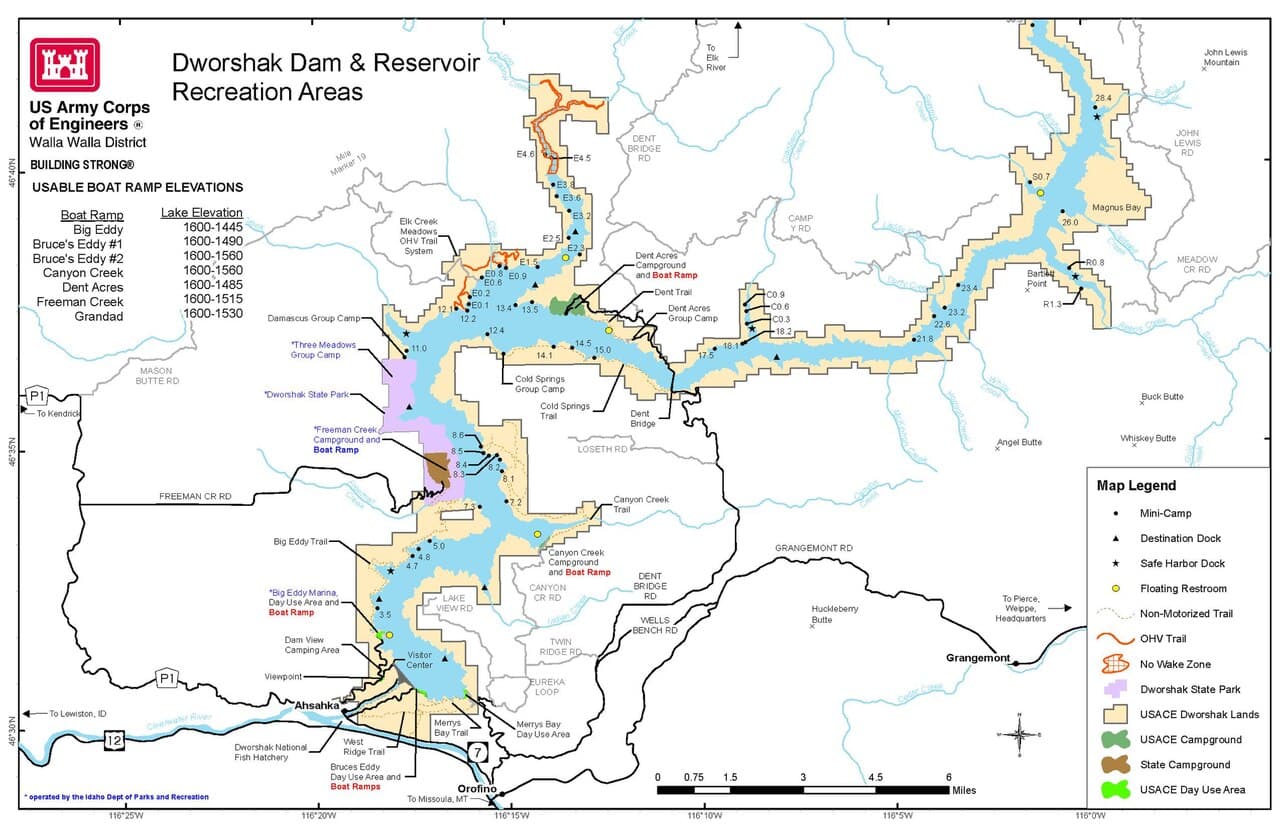
The first morning is deliberately gentle — after travel into this remote region, there's no reason to rush the day. Head to Dworshak Dam mid-morning, once any overnight frost has burned off the roads, and take in the sheer scale of Idaho's tallest concrete dam without competing for space at the overlook. The cold air carries the mineral smell of the reservoir and the resinous scent of surrounding pine, and the quiet is almost startling after a day of travel.
With just one stop on the docket, the afternoon is left open for rest, settling into lodging in Orofino, and adjusting to the slower rhythm of this working timber town. This is intentional: a lighter first day means more energy for the fuller wilderness immersion tomorrow. Take a short, flat stroll along the riverside area in town if energy allows, watching how the winter light falls early across the water.
Because most services in this region close by 6 PM, plan an early dinner in Orofino and settle in for a quiet evening. Given the short winter days, darkness comes early — treat this as a chance to rest well before the more immersive day ahead in Kamiah and the Clearwater National Forest.
Day 2: History, Stone, and the Wild River's Edge
A moderate day combining indoor cultural immersion at Nez Perce National Historical Park with a scenic, low-walking overlook of the winter Lochsa River — roughly 1 to 1.5 miles of total walking.
Arrive by 9:30 and you'll likely have the museum halls to yourselves — winter is the quietest season here, well before the summer crush of June through August. Inside, the air is warm and hushed, thick with reverence; interpretive markers and stone cairns tell the story of Nez Perce resistance and endurance with a weight that rewards unhurried reading. This is the cultural heart of the trip, and the flat, wheelchair-accessible layout with frequent benches makes it ideal for a relaxed two-hour visit.
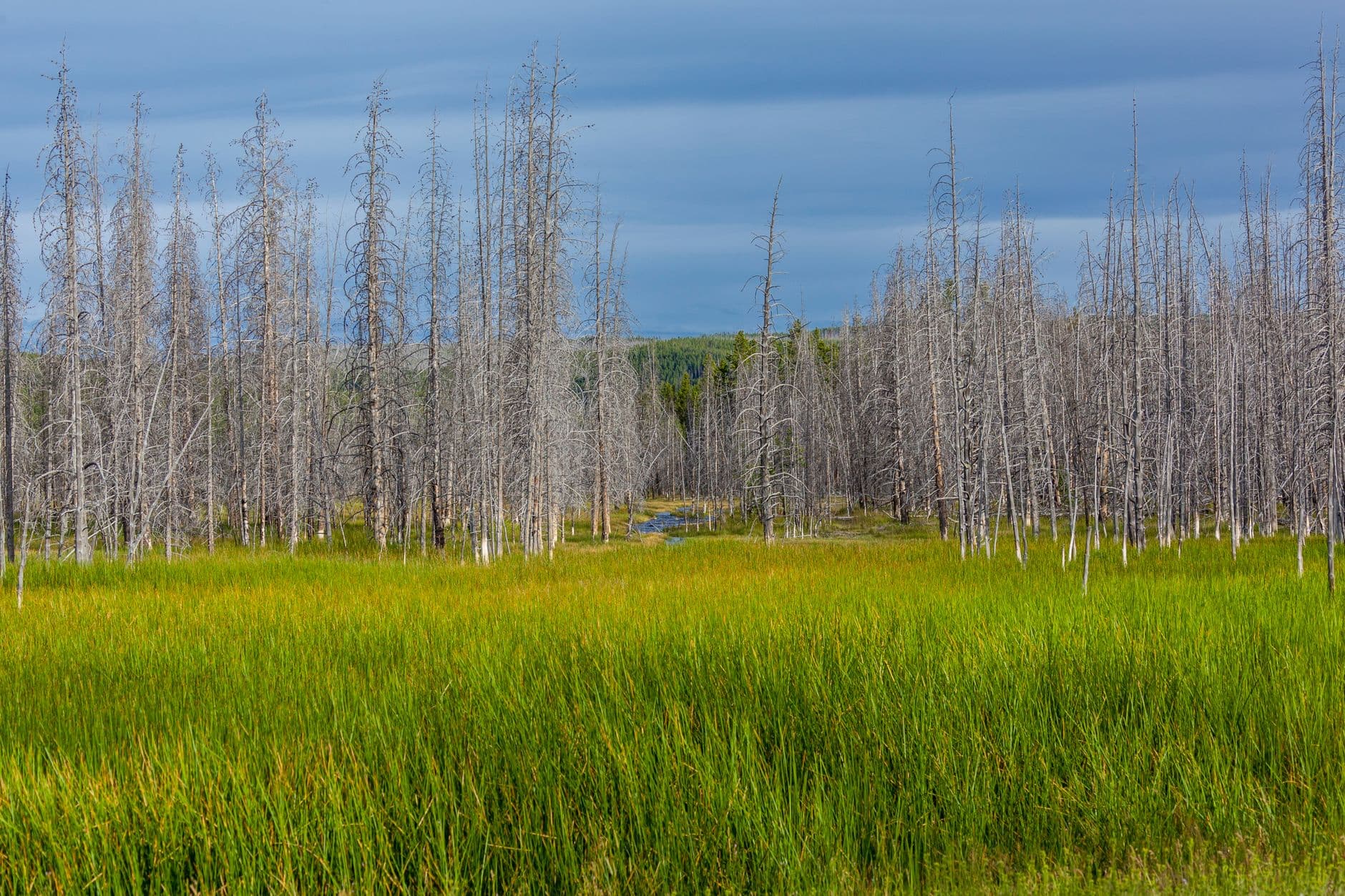
After lunch, a scenic drive brings you to an overlook above the Lochsa — in winter, this wild river runs quieter and slower than its spring fury, but no less striking against snow-covered granite canyon walls. This stop is car-viewpoint only, which suits a relaxed pace perfectly: step out at the US-12 mile marker 142 overlook, take in the canyon-wide vista, and let the cold, mineral-scented air and distant rush of water be the whole experience. Virtually no one else will be here this time of year.
Morning belongs to Nez Perce National Historical Park, a fitting cultural centerpiece for the trip's fuller day. The museum's indoor warmth is a welcome contrast to the cold outside, and its unhurried, benched interpretive trail lets you move at whatever pace feels right, absorbing the weight of the history recorded there without any sense of rush.
After a relaxed lunch in Kamiah, the pace shifts outward and upward — a scenic drive along US-12 delivers you to the edge of the Lochsa River canyon, where winter has quieted the water to something more contemplative than the roaring whitewater of summer. This is a light-exertion stop, built around a short walk from the car to the overlook, ideal for taking in scale and silence rather than exertion.
With dusk arriving early in winter, plan to head back toward lodging in good daylight and settle in for an early dinner — most regional dining wraps up service well before evening fully sets in. Let the day close quietly, the kind of unhurried wind-down that suits both the season and the pace of this remote, timber-and-river country.
Want to tweak this trip?
Our AI planner can customize this itinerary to your exact dates, interests, and travel style.
Customize This ItineraryRestaurant details (hours, menus, availability) change frequently, and this remote region has limited mapped dining data — confirm current hours and options locally before planning meals, especially in winter when small-town hours may shift.
Dietary compatibility tags are general guidance. If you have severe allergies, confirm directly with the restaurant or accommodation provider.
Travel tips are general guidance, not professional safety advice. Check current road condition reports and government advisories before winter travel in this region.
All prices are approximate and may vary seasonally.