Clearwater River Region (Orofino, Kamiah), Idaho
2-Day Itinerary for Solo Traveler
“Winter Stillness on the Clearwater: A Solo Two-Day Wilderness Passage”
Winter empties the Clearwater River Region of everything but the essentials: mist rising off dark water, snow silencing the pines, and the low hum of a place that has always moved at its own pace. This is where a solo traveler comes not to be entertained but to be recalibrated.
At a Glance
Highlights
- Standing alone at the base of Idaho's tallest concrete dam as spillway mist freezes mid-air
- Tracing Nez Perce history through empty winter galleries with time to actually absorb it
- Watching the Lochsa River carve through snow-dusted granite with almost no one else around
- Hearty, unpretentious meals at counters where locals will happily talk your ear off
- Photographing golden hour on a canyon that most visitors only see in summer crowds
- The particular quiet of a logging town settling in before a 6pm dinner
Day-by-Day Plan
Day 1: Arrival and the Dam's Quiet Roar
A light first day anchored around Orofino, with roughly 1.5 miles of easy, flat walking and low physical demand to ease into the region's rhythm.
Arrive by 9am and the overlook is likely yours alone — just the rumble of water and the occasional raven overhead. In winter the mist off the spillway can freeze mid-air, catching low sun in a way that summer crowds never get to see. Idaho's tallest concrete dam feels almost otherworldly against the snow-dusted canyon walls, and the quiet makes the scale of it hit harder.
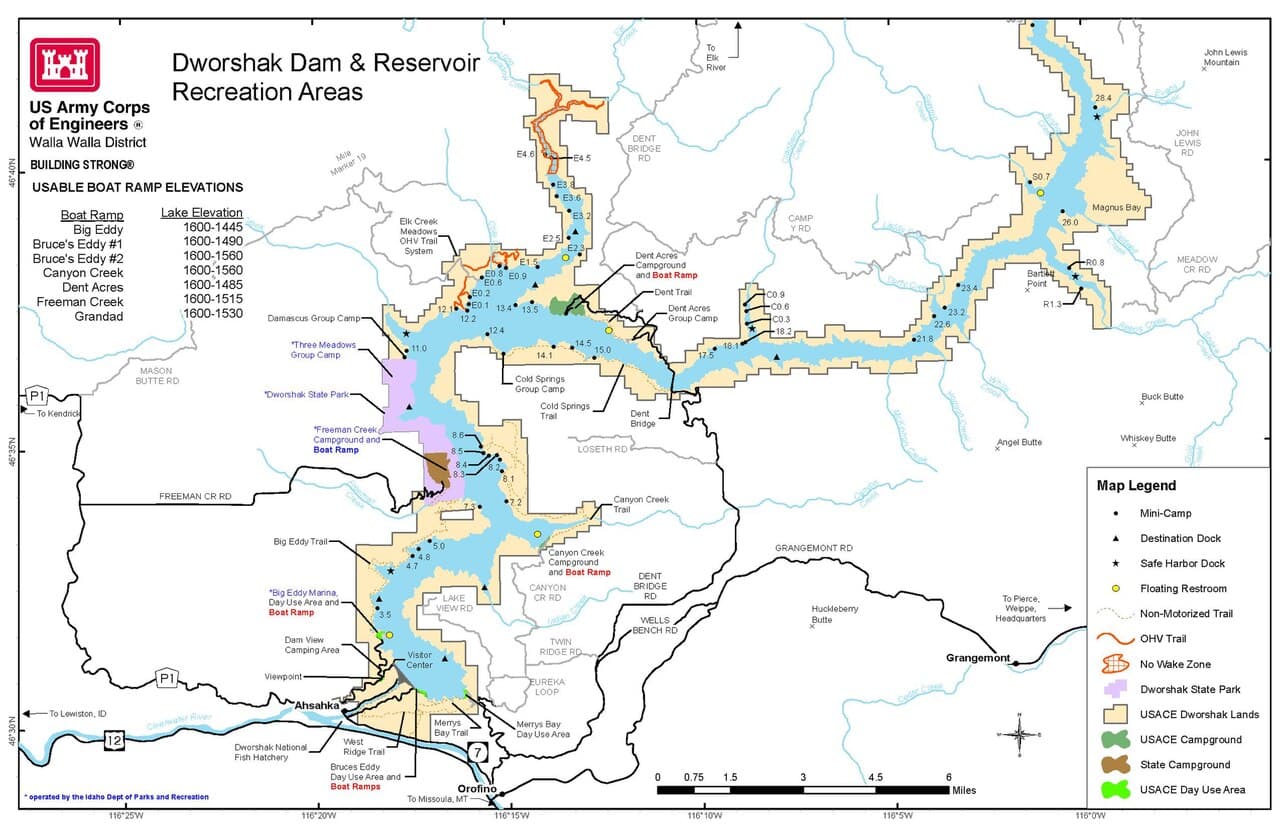
Morning belongs to the dam. Arriving early rewards you with near-total solitude — just you, the concrete giant, and the sound of water working its way through winter ice. Take it slow here; there's no rush, and the cold air sharpens every sensory detail: the mineral smell of the river, the creak of frozen branches, the visual drama of gray concrete against white snow.
With the morning's main event behind you, ease into the afternoon at your own pace around Orofino — this is intentionally light, giving you room to settle into the region's slower rhythm, warm up indoors, and get oriented before tomorrow's deeper wilderness push. Solo travelers should use this window to check road conditions for the next day's drive toward Kamiah and Lochsa.
Evening arrives early and quietly in winter — plan dinner on the earlier side since small-town kitchens here tend to close by 6pm. This is a good night for a low-key wind-down: warm food, an early stop, and rest ahead of a longer day exploring Nez Perce history and the Lochsa corridor tomorrow.
Day 2: History, Canyon, and Winter Silence
A moderate day combining Nez Perce cultural history with a dramatic winter canyon drive, totaling roughly 2-3 miles of walking across two clusters.
Arrive when the doors open and the galleries are silent enough to hear your own footsteps on the floor. Winter light through the windows falls soft across the exhibits, and without summer crowds, you can actually sit with the weight of the history here — the resistance, the resilience, the names on every marker. Outside, the river below is barely visible through bare trees, and the cold makes the whole site feel more solemn, more real.
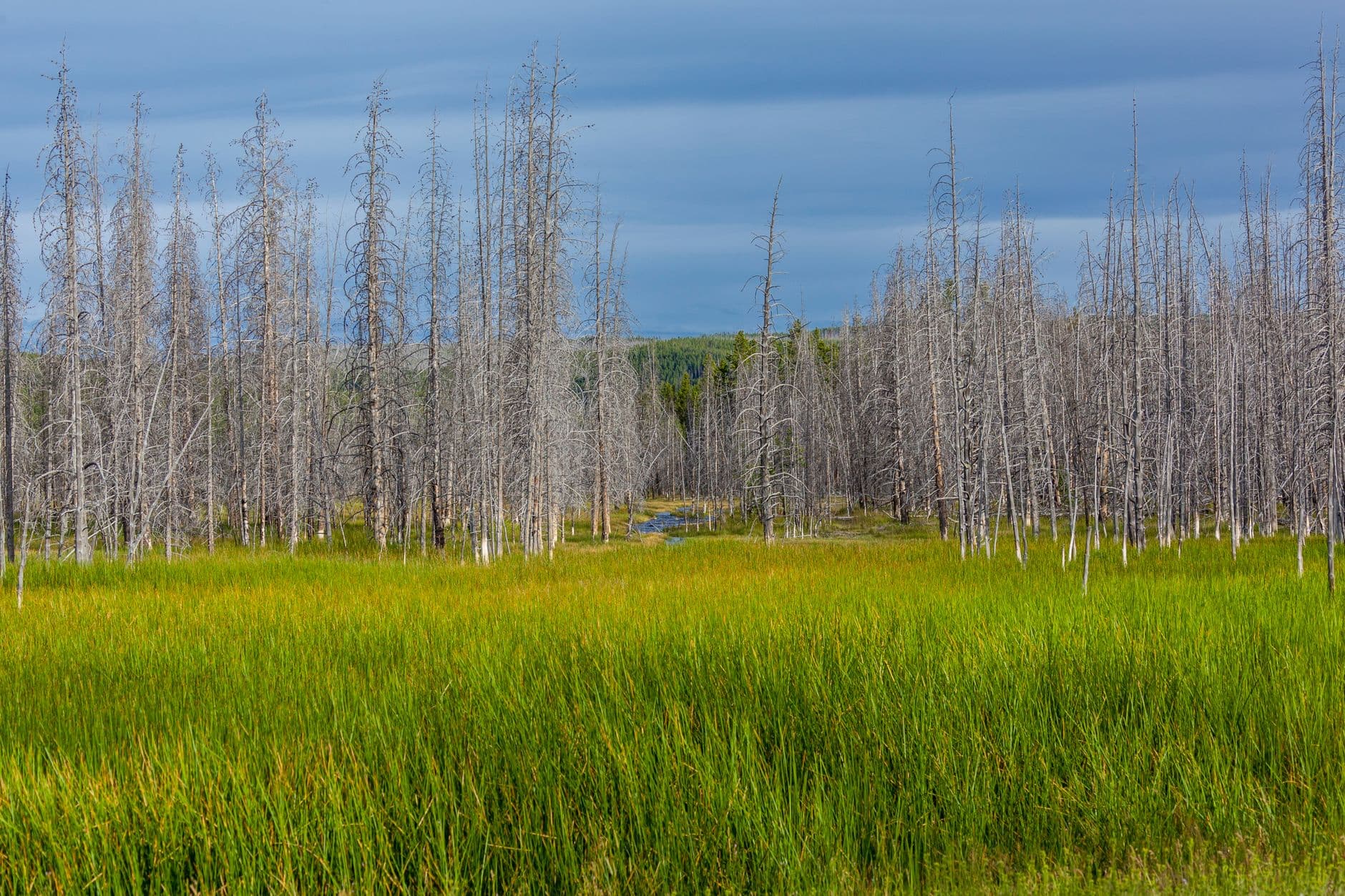
In winter the Lochsa turns almost meditative — the whitewater drama of summer gives way to a slower, colder churn between snow-capped granite walls. Virtually no one else will be out here with you; this is car-viewpoint season, not float season, so plan on scenic pullovers rather than water time. The silence between the sound of the current is its own kind of reward, and the cold air carries the scent of wet stone and pine sharper than any other season.
The morning is for history, taken slow. Winter's quiet turns the museum into something closer to a private reading room than a tourist stop — few visitors, low light, and space to actually sit with the stories told through the exhibits and the sound of the river far below the canyon walls.
The pace shifts outdoors in the afternoon as you drive deeper into the Lochsa corridor — trading the museum's stillness for the canyon's raw, cold drama. This is car-viewpoint season, so expect scenic pullovers and dramatic light rather than trail time; solo travelers should stick to marked overlooks given icy conditions and thin cell coverage in this stretch.
Head back toward town before full dark, since winter days end early here and road ice becomes harder to spot at night. Plan an early dinner — kitchens in this region close by 6pm most nights — and let the day's quiet, cold grandeur settle before an early rest.
Want to tweak this trip?
Our AI planner can customize this itinerary to your exact dates, interests, and travel style.
Customize This ItineraryRestaurant details (hours, menus, availability) change frequently. Check current hours before visiting, especially in seasonal destinations.
Dietary compatibility tags are general guidance. If you have severe allergies, confirm directly with the restaurant.
Travel tips are general guidance, not professional safety advice. Check government advisories for latest information.
All prices are approximate and may vary seasonally.