Clearwater River Region (Orofino, Kamiah), Idaho
4-Day Itinerary for Couples
“Winter Silence: 4 Days of Dam Light and Deep Forest on the Clearwater”
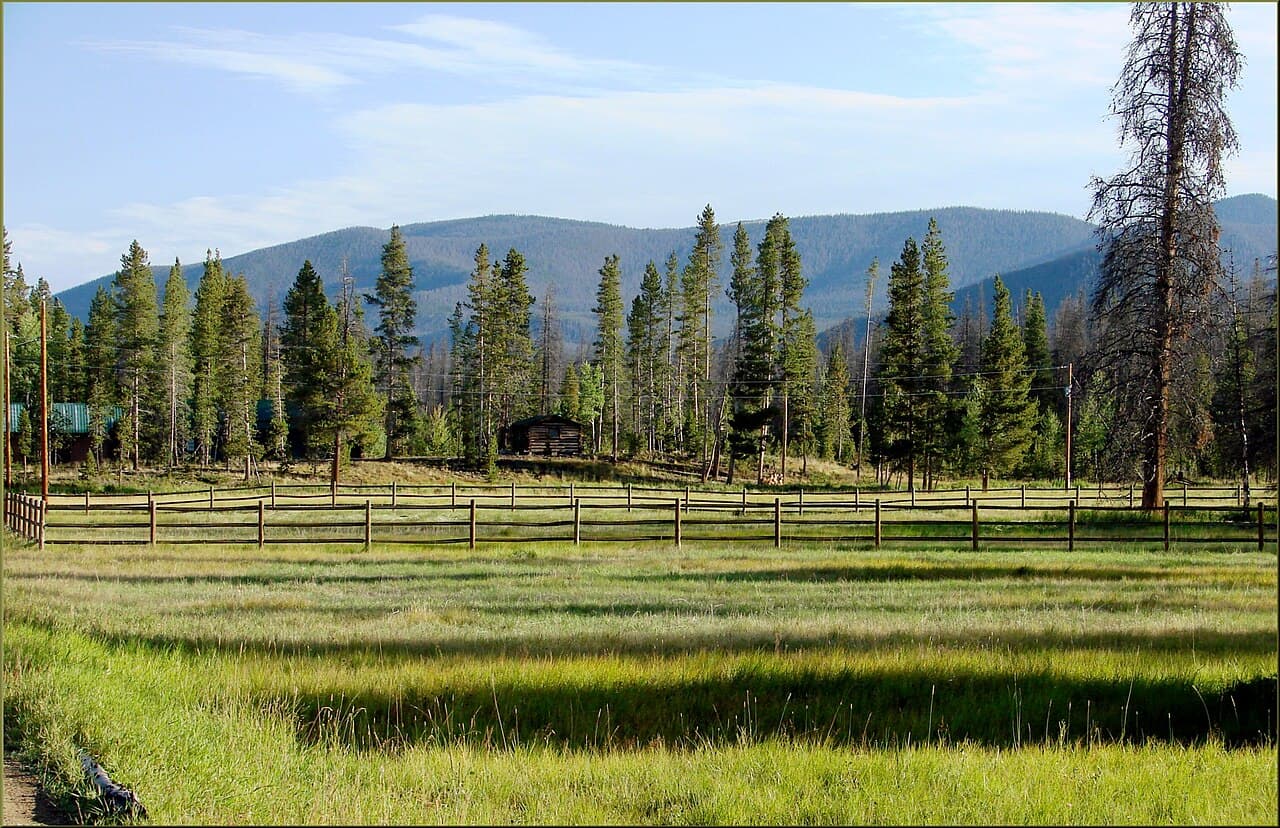
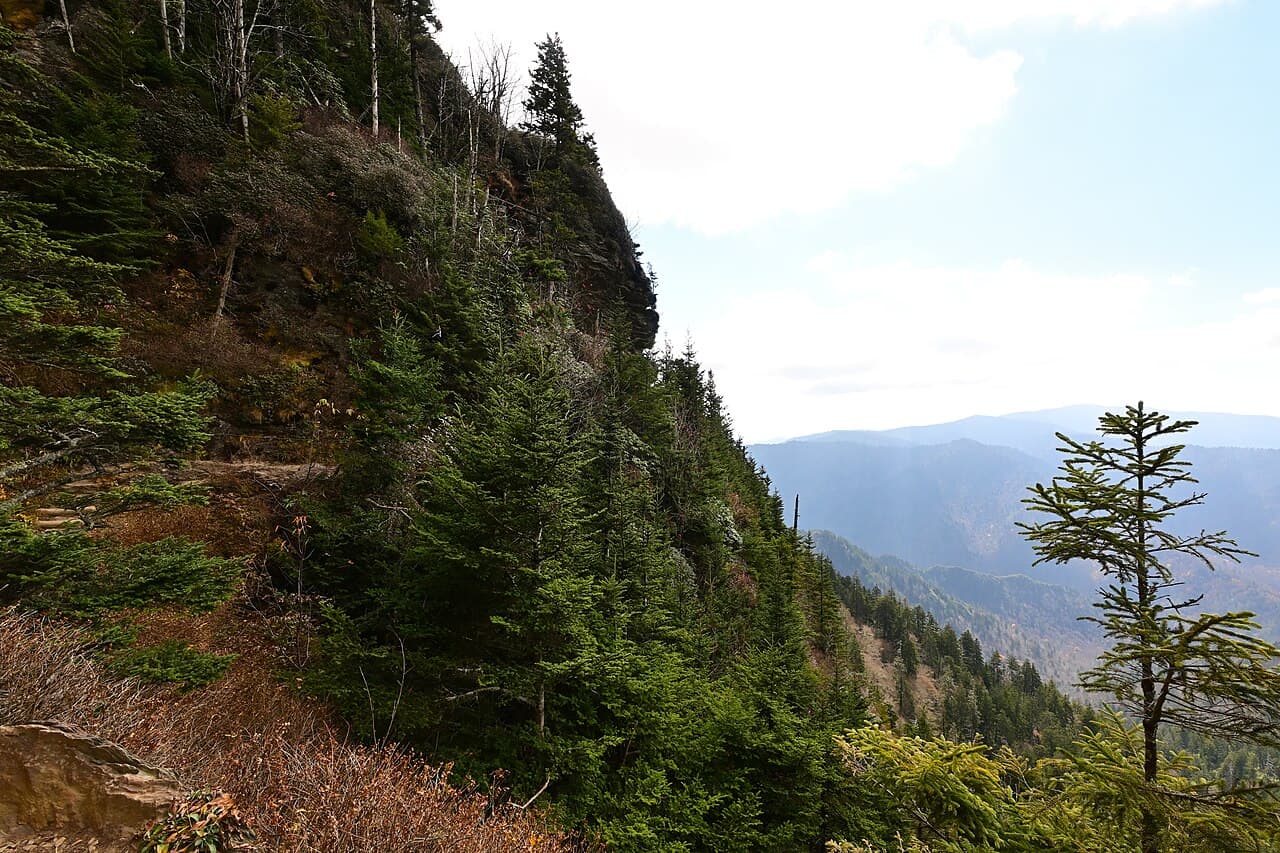
In winter, the Clearwater River Region empties out almost entirely, leaving just the low hush of snow settling on pine and the distant thrum of the Dworshak spillway. This is a trip for couples who want silence as a luxury — frosted canyon overlooks, empty museum halls, and long dinners in towns that shut their lights early and mean it.
At a Glance
Highlights
- Standing alone at the base of Idaho's tallest concrete dam in winter light
- Tracing Nez Perce history through nearly empty museum halls
- A frost-rimmed drive along the wild, unregulated Lochsa River
- Golden hour over a snow-dusted reservoir with no one else around
- Hearty, unpretentious dinners in towns that still close by six
- A slow, cold-weather pace built for two
Day-by-Day Plan
Day 1: Arrival and the Long Quiet of Orofino
A gentle arrival day centered on Orofino, with one moderate outdoor stop at Dworshak Dam and an easy, low-walking evening — under 1 mile total.
After the long drive in, this is the perfect low-effort orientation stop: the dam rises 717 feet in pale winter light, its concrete face streaked with frost, the reservoir below stretched flat and silver-gray under a hush of snow-laden pines. In winter you'll likely have the overlook entirely to yourselves — no rumble of summer boat traffic, just the occasional low groan of the spillway and the cold mineral smell of the gorge air. Take it slow; this is the day to shake off travel, not chase an itinerary.
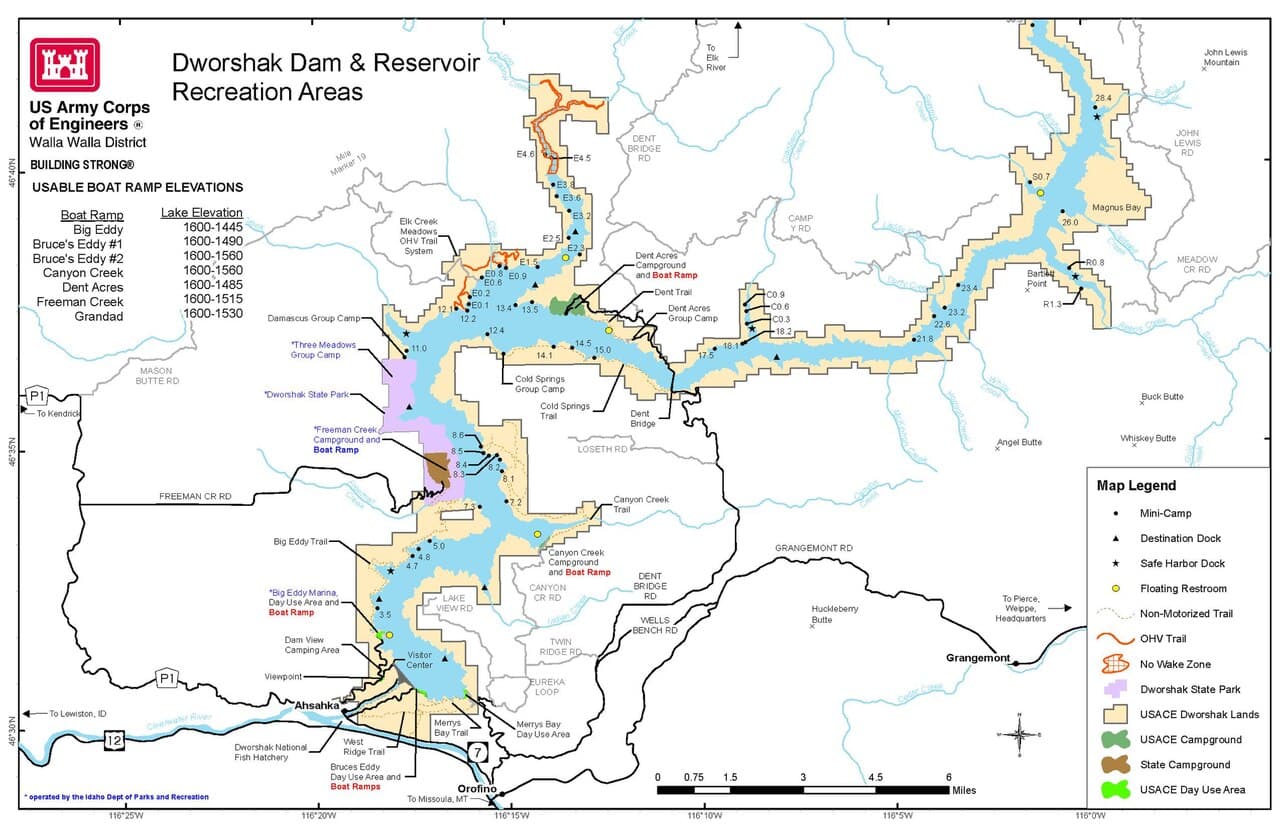
Travel day: the drive in from Spokane or Boise is long, so keep expectations light. Settle into Orofino, unpack, and let the quiet of the town set the tone — this is a place that runs on early hours and low noise.
A short visit to Dworshak Dam offers just enough movement and scenery to reset after hours in the car, without demanding much physical effort. The scale of the dam against the winter canyon is genuinely awe-inducing, and the near-total absence of other visitors makes it feel like a private discovery.
With most Orofino services closing by 6 PM, plan an early dinner and an easy night in. This is less about ceremony and more about warmth — a hot meal, a quiet room, and rest ahead of a fuller day tomorrow.
Day 2: Deep Into Nez Perce Country
A moderate day based in the Clearwater National Forest & Kamiah Basin cluster, centered on the Nez Perce National Historical Park with light walking — under 2 miles total.
Arrive by 9:30 and the museum belongs almost entirely to you — winter visitation here is close to nonexistent, so you can move through the exhibits at whatever pace feels right, lingering over the interpretive markers without anyone at your shoulder. Inside, the air is thick with reverence, the stories of resistance and endurance told plainly and powerfully; step back outside and the Clearwater River hums faintly far below, pine scent sharp in the cold air. For couples, this is a rare chance at a genuinely intimate, unhurried cultural experience rather than a crowded museum shuffle.
The drive from Orofino to Kamiah follows the river, quiet and mist-streaked in the early winter light. At the Nez Perce National Historical Park, the near-total absence of other visitors turns what could be a rushed stop into something genuinely contemplative — take the full two hours, read every marker, and let the history settle in.
With the museum visit unhurried, the afternoon opens up for a slower pace — a simple lunch in Kamiah, a short walk if the weather allows, and time to absorb the morning's history rather than rushing to the next thing. This is a day built around depth, not distance.
Kamiah's quieter rhythm means an early dinner is the natural close to the day — expect modest, honest food and an early night, in keeping with the region's working-town pace.
Day 3: The Wild Water of Lochsa, Frozen Still
A scenic, moderate-effort day along the Lochsa River Scenic Corridor, focused on a winter drive-and-viewpoint experience with minimal walking — under 1 mile total, but longer driving distances.
In winter the Lochsa is a different creature — quieter, its usual thunder muted to a low churn beneath ice-fringed banks, granite canyon walls dusted white and towering overhead. This is the region's designated splurge experience for the trip: park at the US-12 mile marker 142 overlook and simply stand together in the cold, watching wild water move through a landscape that feels genuinely untouched. The corridor is virtually deserted this time of year, so the sense of having found something raw and private is real, not staged.
The drive out to the Lochsa corridor is the morning's main event — a slow, scenic unspooling of canyon and forest along US-12, with the river appearing and disappearing through the trees. Check road conditions before setting out, since this stretch can shift quickly in winter weather.
At the main overlook, the pace slows to a full stop: no rush, no crowd, just the two of you and a wild river subdued but not silenced by winter. This is the day's splurge in feeling if not in cost — a genuinely awe-struck, private moment worth lingering over before the drive back.
With the return drive factored in for daylight, plan an early dinner back in Kamiah or Orofino, settling into the same unhurried, small-town rhythm that's defined the trip so far.
Day 4: Last Light Over the Reservoir
A light, low-walking final day returning to the Orofino & Dworshak Corridor for one last look at the dam before departure — under 1 mile total.
Arrive by 8 AM and the overlook is silent, the reservoir still holding onto night's stillness, the dam's gray face just catching the first flat light of a winter morning. This return visit is deliberately brief — a bookend to the trip rather than a full exploration — a last quiet moment together before the drive home. There is something fitting about ending where the trip began, watching the same water under different light.
A final, brief return to Dworshak Dam closes the loop on the trip — quieter now, colder, but familiar. There's no need to linger long; this is about closure, not new discovery.
With the morning visit kept short, the rest of the day is given over to the drive home, accounting for winter road conditions and the region's early-closing services if a last stop for supplies is needed.
Departure day ends outside the region entirely, but the quiet of these four days — the empty overlooks, the early dinners, the wild frozen river — tends to linger well past the drive home.
Want to tweak this trip?
Our AI planner can customize this itinerary to your exact dates, interests, and travel style.
Customize This ItineraryRestaurant details (hours, menus, availability) change frequently, and this region's dining data was limited at time of writing — confirm options locally before finalizing meal plans.
Dietary compatibility tags are general guidance. If you have severe allergies, confirm directly with the restaurant.
Travel tips are general guidance, not professional safety advice. Check government advisories and Idaho road condition reports for the latest information before winter travel.
All prices are approximate and may vary seasonally.