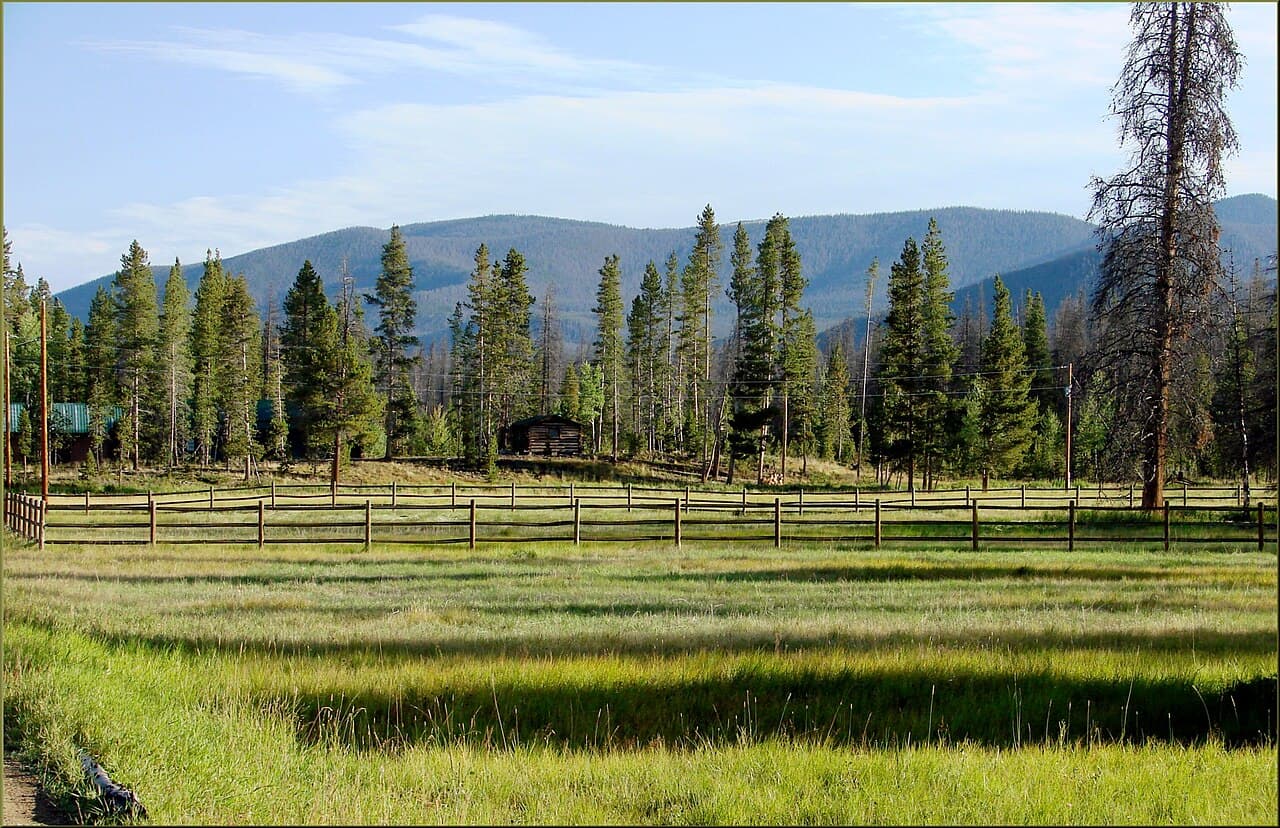
Craters of the Moon NM (Arco), Idaho
3-Day Itinerary for Solo Traveler
“Black Rock, Wide Sky: 3 Days Alone in Craters of the Moon”
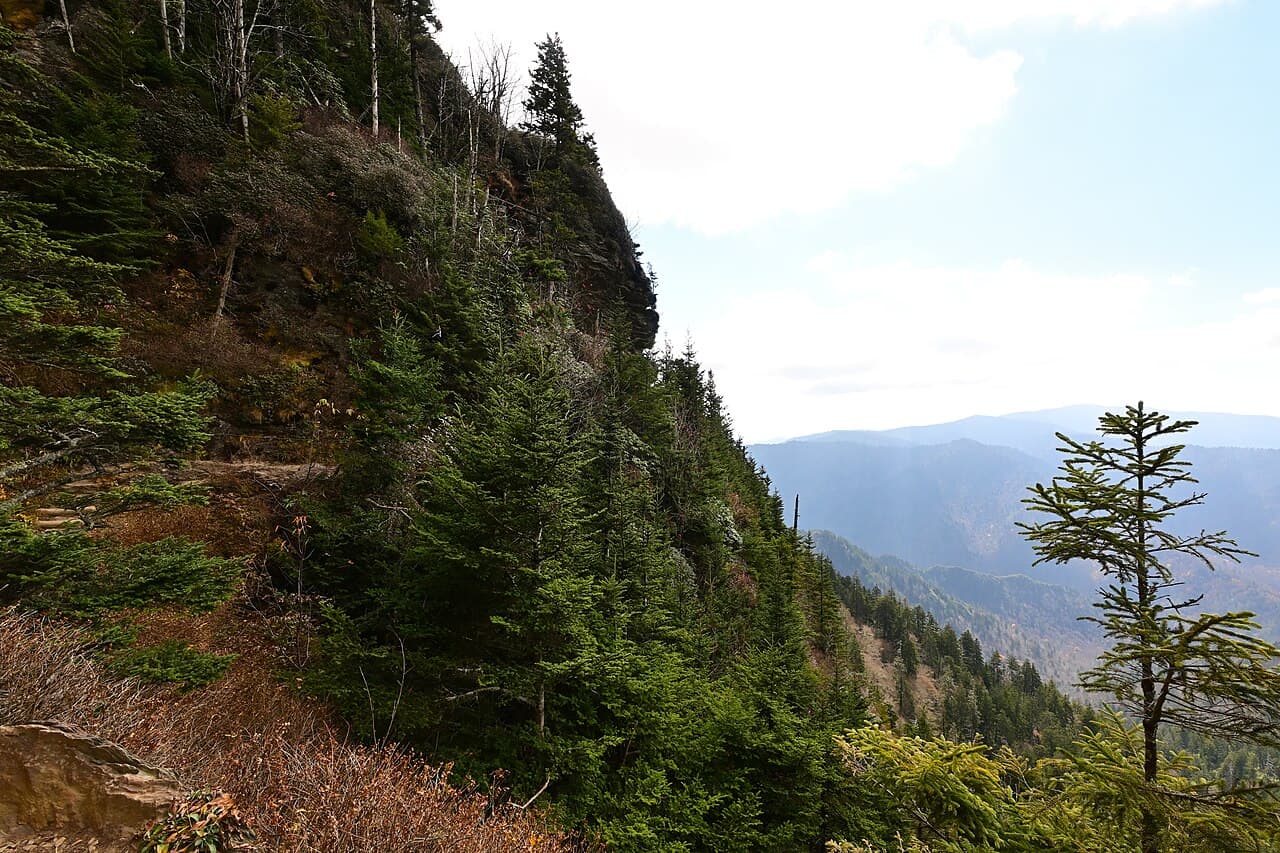
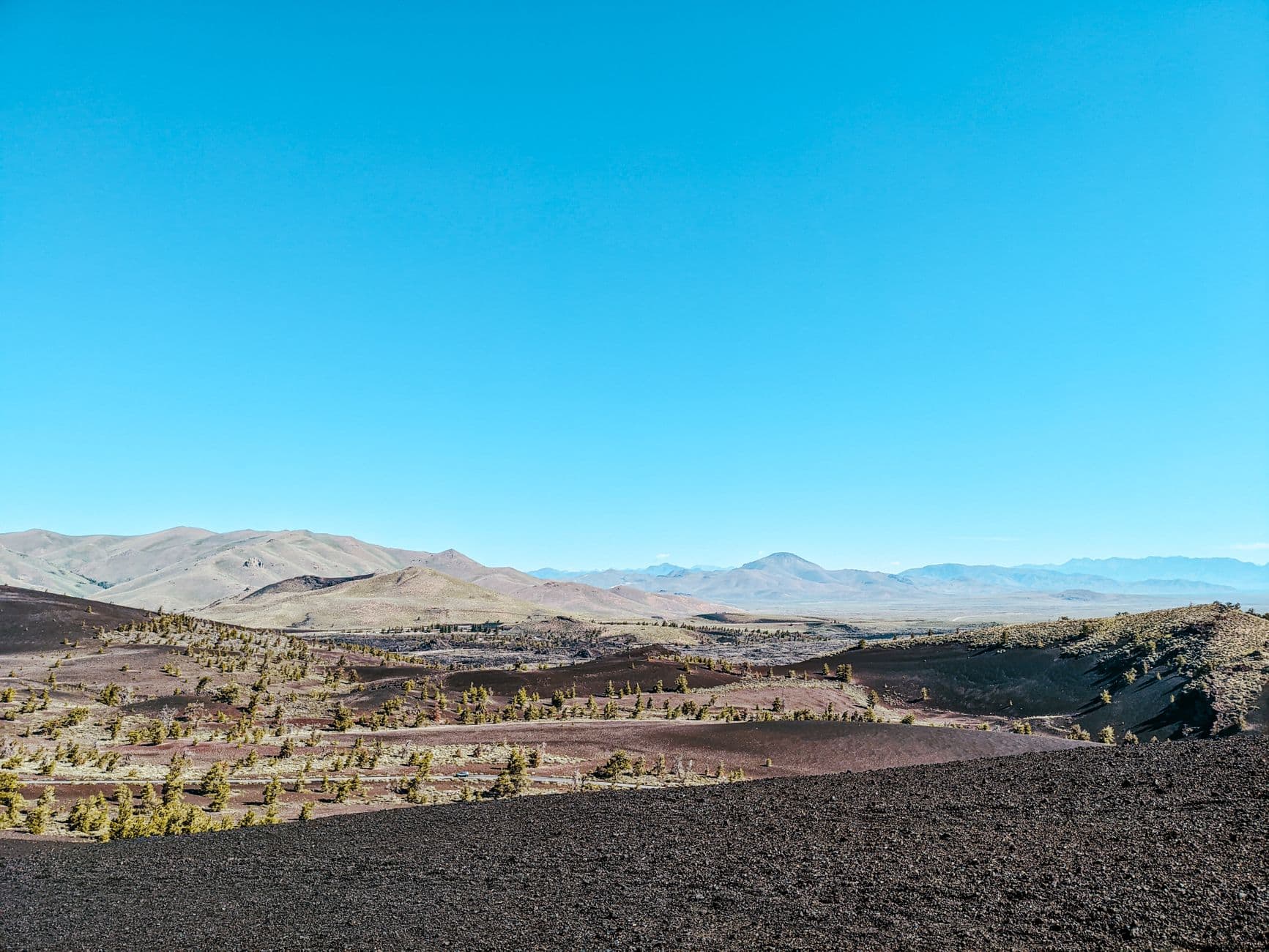
Out here the earth looks finished with itself — black, cracked, and silent under a sky that goes on forever. This is a landscape built for solitude: no crowds to navigate, just crunching cinder underfoot and your own breath for company.
At a Glance
Highlights
- Climb Inferno Cone alone at sunrise before the heat and crowds arrive
- Descend into cool lava tube caves beneath the high desert sun
- Walk the rim of North Crater with nothing but wind and ravens for company
- Drive the 7-mile Loop Road for effortless volcanic panoramas
- Sleep under some of the darkest skies in the Lower 48
- Fuel up in tiny Arco, home of the world's first atomic-powered town
- Watch shadows stretch long and strange across the lava fields at golden hour
Day-by-Day Plan
Day 1: Arrival & First Light on the Lava
A gentle arrival day combining the air-conditioned Visitor Center with an easy introduction to the caves, covering roughly 1.5 miles of walking at a relaxed pace.
Start here before anything else — the cool, climate-controlled interior eases you into the landscape's strange logic with topographic models and photos of the lava fields you're about to walk into. The staff are a great resource for solo travelers: ask about current trail conditions, cave permit requirements, and the best quiet-hour windows. Arrive right at opening to beat the 10 AM wave of RVs and families.
A free permit from the Visitor Center (required for cave entry, partly to prevent spread of white-nose bat disease) is your ticket into a genuinely strange world — descending from blinding desert light into cool, echoing darkness. Bring a headlamp; cell flashlights won't cut it in the larger chambers. Solo travelers often find a few other hikers heading in around the same time — a natural, low-pressure way to pair up for the darker sections if you'd rather not go in alone.
Morning belongs to orientation. The Visitor Center's hushed, cool interior is a gentle entry point — a chance to get your bearings, pick up a cave permit, and let the scale of the place sink in through photographs and relief maps before you're standing in the middle of it.
By midday you're threading through the Caves Trail's lava tubes, trading blazing sun for cool underground dark. It's physically easy but mentally electric — the kind of quiet solo travelers often come looking for, broken only by dripping water and your own footsteps.
With no formal dining options mapped near the monument itself, plan to head back toward Arco for the evening and settle in early — small-town restaurant hours mean dinner should happen before 8 PM. Use the rest of the evening to recover from the heat and get ahead of tomorrow's early start.
Day 2: Standing on the Volcano's Spine
The most physically demanding day, covering roughly 3-4 miles across Inferno Cone and the North Crater/Big Craters trail network with significant elevation gain on loose cinder.
Arrive by 7:30 AM and this cinder cone — the park's signature climb — is nearly empty, just you, the wind, and a 360-degree view across a lava sea that looks more lunar than earthly. By 9 AM, tour buses start arriving and the summit gets considerably more crowded. The climb is short but steep on loose pumice; take it slow and let your boots find purchase.

After the exertion of Inferno Cone, this is your recovery lap — a slow drive along the 7-mile loop with pullouts at Big Craters and North Crater Flow that let you soak in the scale of the lava fields without more climbing. It's an easy, contemplative stretch, good for solo travelers who want to process the strangeness of the morning's hike at their own pace.

Save this one for late afternoon when the heat breaks slightly and the light turns gold across the crater ridges. It's a moderate hike through cinder and lava rock with genuine solitude — ravens overhead, wind across the ridge, and views that stretch to distant mountains. A satisfying, quieter bookend to the morning's bigger climb.

The day opens with the park's signature challenge: a steep, lung-testing climb up Inferno Cone while the air is still cool and the summit still empty. Standing at the rim as the sun climbs higher, the lava field below looks less like a park and more like a different planet entirely.
After the climb, the pace deliberately drops — a slow scenic drive lets tired legs recover while still delivering constant visual payoff. By late afternoon, energy renewed and the heat softening, North Crater Trail offers a second, gentler dose of volcanic drama as the light turns long and gold.
Head back toward Arco for dinner before options close for the night — small-town hours mean the kitchen won't wait. If the sky's clear, consider lingering outside town afterward; the stars here rival any dark-sky park in the country.
Day 3: Last Light on the Rift
A lighter closing day revisiting the Loop Drive at a different hour and a final moderate hike, totaling roughly 2-3 miles before heading out.
Revisit the loop one more time at a different hour — early morning light hits the cinder cones differently than midday, casting long shadows and a cooler palette across the black rock. It's quiet, unhurried, and a good way to say a proper goodbye to the landscape before the final hike and the long drive out.
A last, satisfying descent into the crater bowl while the morning air is still manageable — jet-black and rust-red lava walls rise around you, and the silence is near-total. It's intense but shorter than yesterday's big push, a fitting final immersion before you head back toward pavement and civilization.

The final morning moves slowly and deliberately — one more pass along the Loop Drive, watching the light change the mood of a landscape that already feels familiar after two days of close attention.
A last hike into Big Craters Trail closes out the trip with real intensity, descending into the crater bowl for a final, visceral reminder of the raw power that shaped all of this. It's a strong, memorable note to end on before the drive back to pavement and ordinary scenery.
With the monument behind you, plan a final meal or coffee stop in Arco before the long drive toward Boise or Salt Lake City — small-town hours mean earlier is safer than later, and it's worth refueling both the car and yourself before the highway stretch ahead.
Want to tweak this trip?
Our AI planner can customize this itinerary to your exact dates, interests, and travel style.
Customize This ItineraryRestaurant details (hours, menus, availability) change frequently, especially in small rural towns. Check current hours before visiting.
Dietary compatibility tags are general guidance. If you have severe allergies, confirm directly with the restaurant.
Travel tips are general guidance, not professional safety advice. Check government advisories and NPS alerts for current trail and weather conditions.
All prices are approximate and may vary seasonally.
Attractions in This Itinerary
More Itineraries for Craters of the Moon NM (Arco)
Explore Idaho