Salmon River (Salmon, Challis), Idaho
3-Day Itinerary for Couples
“River of No Return: A Winter Hideaway in Salmon & Challis”

In winter, the River of No Return earns its name twice over—the water keeps moving even as the towns around it go quiet and still. Snow settles over ghost-town rooftops, the Salmon runs cold and green between white banks, and the crowds that fill this valley every July are nowhere to be found. This is a trip for couples who find romance in solitude, in frost on a cabin window, in the particular hush of a mountain town at 5pm in January.
At a Glance
Highlights
- Snow-hushed ghost towns where wildflowers give way to frost
- The Salmon River running wild and unfrozen through a white canyon
- Sacajawea Interpretive Center's quiet river-view walk
- Intimate small-town dinners where the server remembers your order
- Low-crowd, high-solitude access to a legendary wilderness river
- Golden winter light on weathered mining cabins
- A slower, frontier-paced rhythm built for two
Day-by-Day Plan
Day 1: Settling Into River Country
A gentle first day easing into Salmon's frontier rhythm with one contemplative stop and an early, unhurried dinner; under a mile of walking, low physical exertion.
After the long drive in, this is the right kind of first stop—quiet, indoor-friendly, and steeped in the valley's deeper history. The cool air carries the distant hush of the Salmon River nearby, and the interpretive plaques trace Sacagawea's journey with a dignity that rewards slow reading rather than a checklist visit. Couples tend to linger at the river-view pathway, where snow-dusted banks frame the water in soft winter light.

Day one is built around travel—most of the morning and early afternoon will be spent on the drive in from Boise or a regional airport, a long haul through increasingly dramatic, increasingly white terrain. Use this time to settle into mountain time and let the scenery do the work; the valley reveals itself gradually as the highway narrows and the peaks close in.
By early afternoon, once you've checked into Salmon and shaken off the road, ease into the destination with the Sacajawea Interpretive Center—a low-key, indoor-friendly stop that orients you to the valley's history without demanding much physical effort. The cold mountain air outside the center carries the distant sound of the river, a preview of the wilder stretches you'll see over the coming days.
Keep dinner early and unhurried, in keeping with the town's rhythm—Salmon's restaurants tend to close by 9pm, and locals eat early in winter. Settle in for a quiet first night, layering up for a short evening walk if the sky is clear; winter stargazing here, away from any real light pollution, is its own quiet spectacle.
Day 2: Ghost Towns Under Snow
A full day exploring the Land of Yankee Fork ghost towns in deep winter quiet, with roughly 2 miles of walking across uneven, occasionally snow-packed terrain.
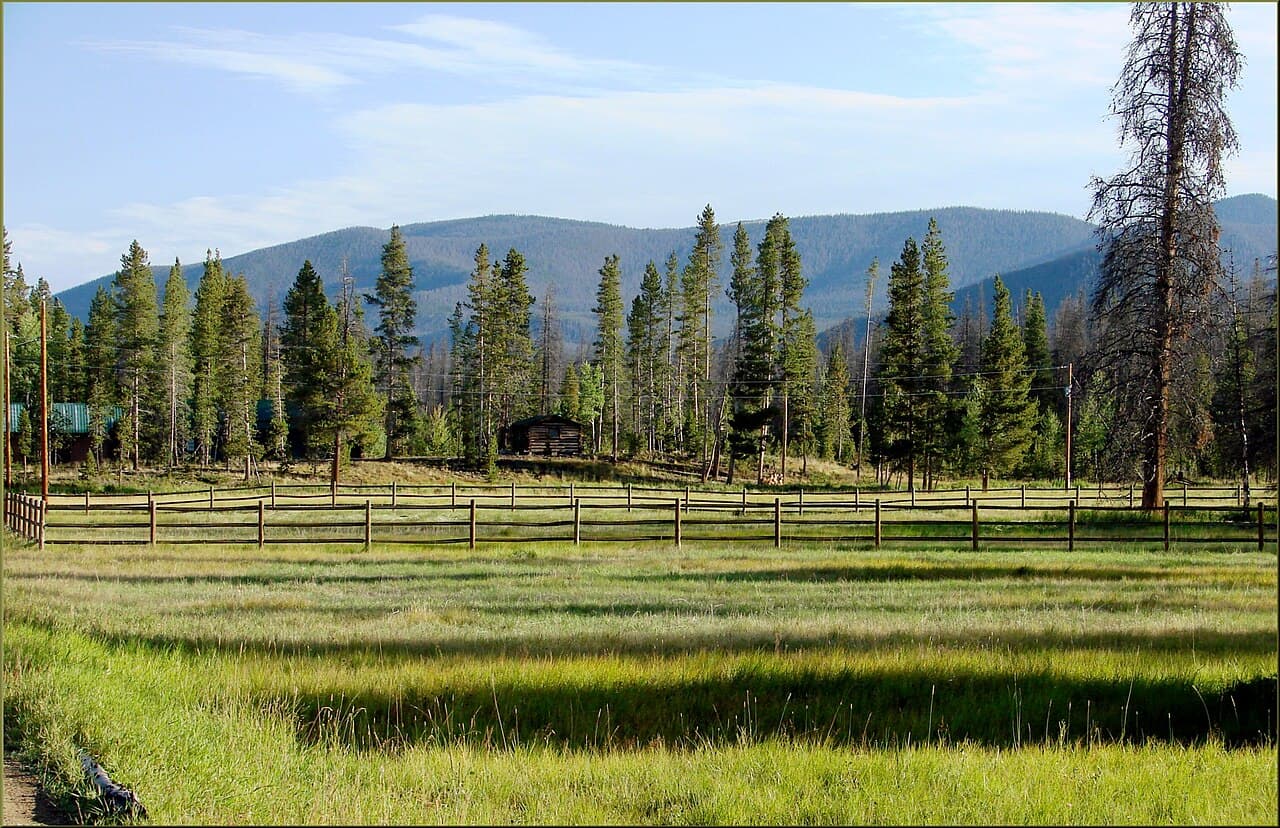
Arrive by 9:30 and the ghost towns are yours alone—no summer crowds, no other footprints but your own in the snow. The dry pine air turns sharp and cold, wood cabins creak under wind, and drifts pile against doorways where wildflowers grow in July. It's a strange, moving kind of romance: two people standing in the ruins of a boomtown, snow settling on rooftops that have outlasted the people who built them.
Head south early toward Challis and the Land of Yankee Fork—the drive itself is a slow reveal of wider, whiter country, ranchland giving way to steep canyon walls. Arriving by mid-morning means having the ghost towns essentially to yourselves; by early afternoon, even the modest winter foot traffic picks up slightly. Wander the weathered cabins slowly—this isn't a place to rush, and the cold, dry silence rewards unhurried footsteps.
After the ghost towns, ease the pace with a relaxed lunch in Challis before the drive back toward Salmon—this is a good window to warm up, dry off wet boots, and let the morning's cold settle into a pleasant tiredness. The afternoon light over the valley on the return drive is often the day's best, low and amber against the snow.
Back in Salmon by early evening, settle into a proper sit-down dinner—something warm, hearty, and unhurried after a day spent in the cold. This is the trip's natural splurge night: linger over a good meal, talk over the day's discoveries, and let the small-town quiet close in around you as shops and restaurants shutter early for the night.
Day 3: River Light, Slow Goodbye
A lighter final day centered on the river valley itself before departure, with under a mile of easy walking and a relaxed pace.
Rafting itself isn't on the table this time of year, but the river is still the valley's beating heart, and a quiet morning stop along its banks is worth the visit. In winter the Salmon runs cold, green, and undammed between snowy banks, its roar softer than summer's whitewater rush but still unmistakably alive. Couples often find this the most romantic stop of the trip—no rafts, no rapids-chasers, just the two of you and a wild river that never stops moving even when everything else has gone quiet.

Spend the final morning at the river's edge—not rafting, but simply standing beside the Salmon in winter, watching it move through a landscape gone quiet and white. It's a fitting bookend to the trip: the same river that draws thousands of rafters each summer, now belonging entirely to whoever's willing to bundle up and stand beside it in January.
With the morning unhurried, use early afternoon to grab a last coffee in town, pack up, and begin the long drive back toward Boise or your onward connection—budget extra time for winter road conditions along US-95.
If timing allows, plan a final, easy dinner stop along the drive out rather than in Salmon itself, keeping the day's pace relaxed and the goodbye to the valley unhurried.
Want to tweak this trip?
Our AI planner can customize this itinerary to your exact dates, interests, and travel style.
Customize This ItineraryRestaurant details (hours, menus, availability) change frequently, especially in small winter-season towns. Check current hours before visiting.
Dietary compatibility tags are general guidance. If you have severe allergies, confirm directly with the restaurant.
Travel tips are general guidance, not professional safety advice. Check government advisories and local road condition reports before winter travel.
All prices are approximate and may vary seasonally.
Attractions in This Itinerary
More Itineraries for Salmon River (Salmon, Challis)
Explore Idaho