Twin Falls area, Idaho
4-Day Itinerary for Active Retirees
“Canyon Light & Quiet Water: 4 Days Above the Snake River”
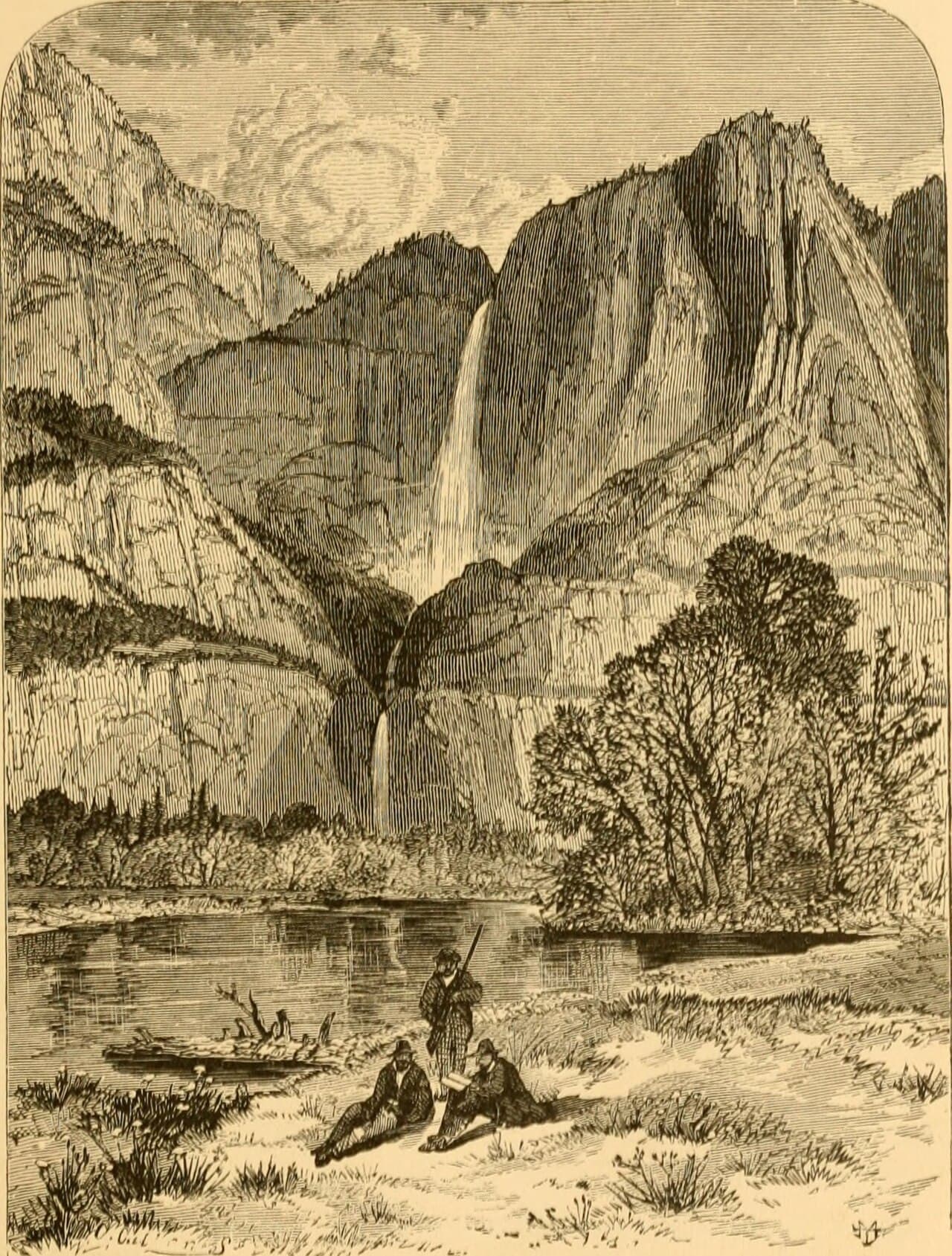
Winter strips the crowds away from the Snake River Canyon, leaving behind cold, clean air and a silence broken only by the distant thunder of Shoshone Falls. This is a slow, generous look at Twin Falls — frost on the sagebrush, amber light on basalt walls, and unhurried afternoons built around comfortable chairs and good meals.
At a Glance
Highlights
- Standing at the rim as mist rises off Shoshone Falls in the cold morning air
- Watching parachutes catch the low winter light from Perrine Bridge
- Tracing the Snake River Canyon's rim drive at an easy, bench-punctuated pace
- Discovering the hum and history of Milner Dam's hydroelectric works
- Long, leisurely lunches built around Magic Valley's farm-to-table kitchens
- Golden-hour photography with almost nobody else at the overlook
- A trip paced for comfort — flat paths, frequent rest, no rushing
Day-by-Day Plan
Day 1: Settling In Above the Gorge
A gentle first day with a single anchor stop and an easy canyon overlook, totaling under a mile of walking.
After settling into your lodging, ease into the trip with a short, low-effort visit to the bridge overlook — no strenuous walking required. Winter thermals occasionally bring a jumper aloft even in cold weather, but even without one, the canyon walls glow rust-orange in early afternoon light and the wind carries the scent of sage and stone. This is orientation, not exertion: a chance to get your bearings above the gorge before diving deeper tomorrow.

Morning is left open for arrival, unpacking, and adjusting to the high-desert cold — no scheduled activity, just time to settle in at your own pace.
A short, easy visit to Perrine Bridge eases you into the landscape without demanding much of the body. The canyon reveals itself gradually: distant roar of wind, streaked red rock, and wide open sky, all viewed from a stable, paved overlook.
Keep the evening quiet and unhurried — an early dinner near your lodging and a restful night ahead of a fuller day tomorrow. Winter darkness falls early here, so there's no rush to fill the hours.
Day 2: Thunder and Mist at Shoshone Falls
The trip's signature morning at Shoshone Falls followed by a relaxed midday return to Perrine Bridge, roughly 1.5 miles of easy, flat walking.
Arrive by 8:30am and the falls are yours almost alone — no crowds, just the deep roar of falling water and cold mist drifting up from the canyon floor to meet your face. Even in winter's reduced flow, 212 feet of cascading water against amber basalt walls is a genuinely humbling sight, and the quiet of the early hour makes it feel almost private. The main overlook is flat, paved, and lined with benches, making this an ideal anchor stop for a relaxed pace.
A short return visit to the bridge for a longer look this time — winter mornings sometimes bring a jumper aloft when winds are calm, and even without one, the bridge midspan offers a dramatic downstream view into the canyon you explored at the falls. The light is higher now, flattening the colors slightly, but the scale of the gorge remains striking.
The falls arrive first as sound — a deep, steady roar carried on cold air — before the full 212-foot cascade comes into view from the rim overlook. Mist drifts upward in slow curls, catching the low winter sun, and for a rare early hour, it feels like the whole canyon belongs to you.
After a relaxed lunch, ease back toward the bridge for a longer, unhurried look at the gorge from a different angle — the pace here is deliberately slow, more about absorbing the scale of the place than covering ground.
Dinner tonight calls for something warm and hearty after a day spent in canyon wind; settle in early, as Twin Falls kitchens tend to wind down by 9pm and the cold makes an early night appealing.
Day 3: Stone, Water, and Engineering
A single substantial stop at Milner Dam paired with a light afternoon of rest, keeping walking under a mile.
Arrive mid-morning, once any overnight frost has burned off the walkways, to a site that hums quite literally with history — the rush of water through century-old penstocks vibrating faintly underfoot. This is less about drama and more about depth: a chance to slow down and appreciate the engineering ambition that shaped this stretch of the Snake River, framed by canyon walls on all sides. The pace here suits unhurried exploration, with plenty to look at without much walking required.

Milner Dam reveals itself slowly — first the sound of rushing water through old penstocks, then the sight of the stone face rising against canyon walls that seem to hold the whole structure in place. It's a quieter kind of grandeur than the waterfalls, rooted in history rather than spectacle, and well suited to a slow, thoughtful morning.
With the morning's main effort behind you, the afternoon is intentionally left light — a chance to rest, digest a good lunch, and let the cold canyon air settle before an early dinner.
An early, comfortable dinner rounds out the day; Twin Falls' kitchens favor hearty, warming fare this time of year, well-matched to a day spent among stone and cold water.
Day 4: A Last Look at the Light
A gentle final morning back at the canyon rim for photography and quiet reflection before departure, with minimal walking.
On this final morning, return to the canyon rim for one last unhurried look — winter's low sun rakes across the gorge walls, and with almost no one else around, it's an ideal time for a slow farewell walk along the rim pullouts. There's no agenda beyond taking in the scale of the place one more time, coffee in hand, before the drive home.

The canyon offers a final, quiet performance this morning — low winter light catching every ridge and fissure in the rock, the whole scene washed in a stillness that feels earned after days of exploring it slowly.
With the morning's viewing complete, the rest of the day is left open for departure logistics, packing, and the drive back toward Boise or Salt Lake City.
No evening activities are scheduled today — travel plans take priority, and the trip closes on the calm note it began with.
Want to tweak this trip?
Our AI planner can customize this itinerary to your exact dates, interests, and travel style.
Customize This ItineraryRestaurant details (hours, menus, availability) change frequently. Check current hours before visiting, especially in seasonal destinations.
Dietary compatibility tags are general guidance. If you have severe allergies, confirm directly with the restaurant.
Travel tips are general guidance, not professional safety advice. Check government advisories for latest information.
All prices are approximate and may vary seasonally.
Attractions in This Itinerary
More Itineraries for Twin Falls area
Explore Idaho