Twin Falls area, Idaho
4-Day Itinerary for Teen Families
“Canyon Edge & Free Fall: 4 Days in Twin Falls with Teens”
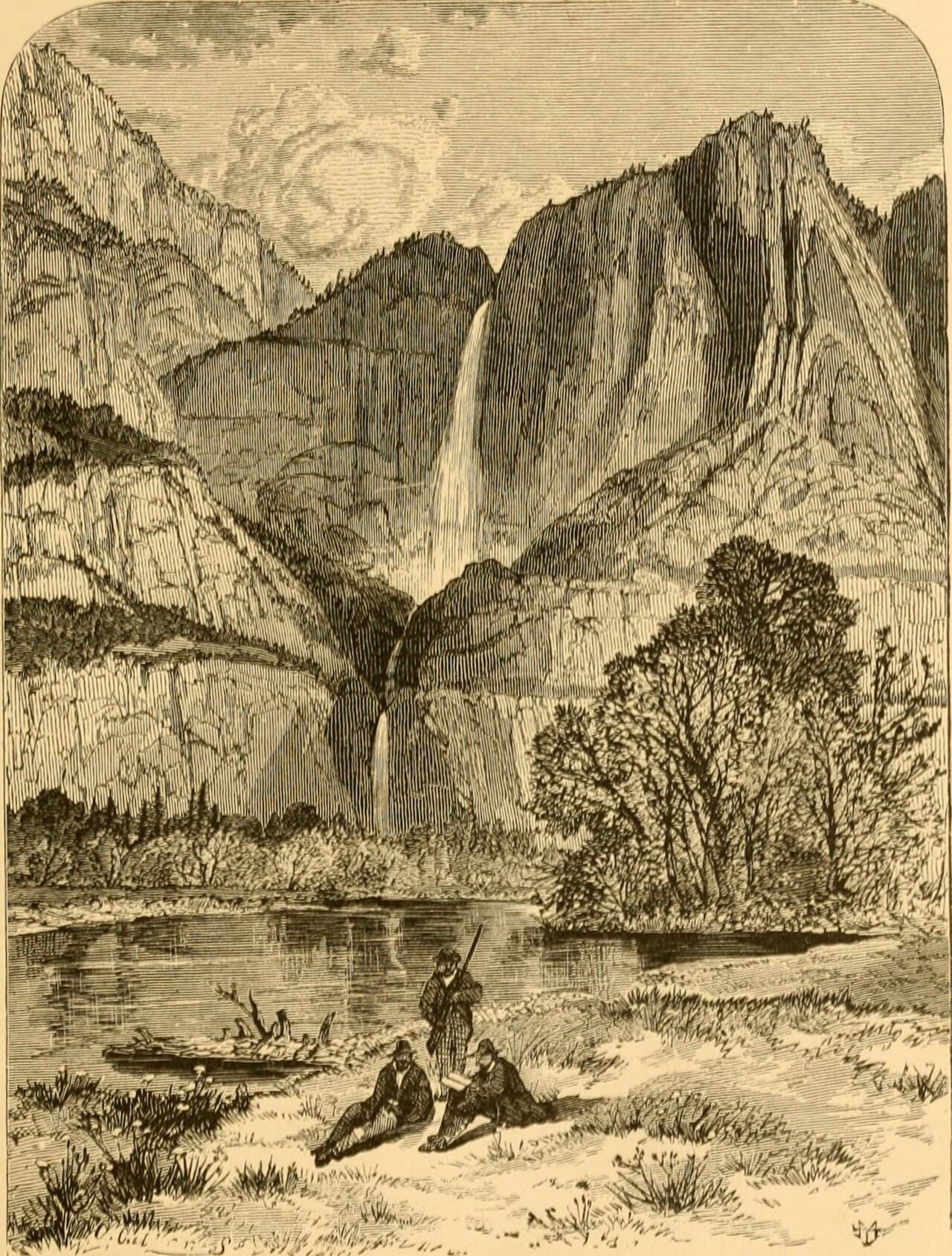
The Snake River Canyon doesn't announce itself gradually — the high desert plain simply splits open, and suddenly you're staring 400 feet down at a river carving through basalt. This is a landscape built for teenagers who roll their eyes at museums but go silent at cliff edges, and for parents who want adventure without a plane ticket to somewhere expensive. Four days here means waterfall roar, parachutes catching wind, and just enough small-town diner food to keep everyone fueled.
At a Glance
Highlights
- Watch BASE jumpers leap off Perrine Bridge into open air
- Feel the mist from Shoshone Falls' 212-foot curtain of water
- Walk canyon rim trails with 400-foot drops and zero crowds at sunrise
- Chase golden hour light along the Snake River Canyon overlooks
- Explore Milner Dam's century-old hydroelectric engineering
- Downtown Twin Falls' walkable strip for teen autonomy time
- Big-sky stargazing over high-desert terrain
Day-by-Day Plan
Day 1: Settling In at the Canyon's Edge
A gentle half-day easing into the high desert with one iconic, low-effort stop and downtown time to stretch legs after travel; walking distance under 2 miles.
After the drive in, this is the easiest possible first taste of Twin Falls — pull into the north parking area and the canyon just opens up in front of you, orange-red rock streaked with mineral bands, wind humming through the gorge. Late afternoon is prime jump time, so there's a real chance of watching a parachute bloom against the canyon wall on your very first stop. Teens will want to lean on the railing and watch; let them.

Day one is built around travel, so there's no scheduled morning activity — use these hours for the drive in from Boise or Salt Lake, checking into your canyon-area lodging, and letting everyone decompress from the road.
By mid-afternoon, head straight to Perrine Bridge for an easy orientation stop. There's no ticket, no long walk, no complicated logistics — just pull up, get out, and let the canyon do the work. If BASE jumpers are active, this becomes an instant highlight before anyone's even unpacked.
Settle into whichever area you're staying — Downtown Twin Falls for walkability, or the Canyon Rim area for quiet proximity to tomorrow's big activities. Keep dinner simple and low-key; tomorrow is the big outdoor day, so an early night helps everyone adjust to the high-desert light and dry air.
Day 2: Thunder and Free Fall
The trip's biggest outdoor day, combining a sunrise-adjacent waterfall visit with extended canyon rim time; estimated 3–4 miles of walking at a moderate pace.
Arrive by 7:30am and the overlook is nearly empty — just you, the roar of 45,000 cubic feet of water a second, and cool mist drifting up from the canyon floor. By 9am the parking lot fills and the crowd noise competes with the falls themselves, so this early window is worth the alarm clock. Walk the east-side trail for a more intimate angle where the spray catches morning light, and let teens get right up to the rim for the full sensory hit — the sound alone is worth the trip.
From the falls, a short drive brings you to the broader canyon rim, where the scale of the gorge really sets in — sheer drops, wide-open sky, and the distant glint of the river far below. This is where teens get a taste of real exposure and drama without technical hiking; pullouts along the rim drive offer varied vantage points, so you can walk a little or a lot depending on energy levels. Watch footing near unguarded edges — the payoff view is worth the caution.

Set an early alarm — this is the one day worth waking up for. Shoshone Falls at 7:30am delivers the full roar-and-mist experience with almost no one else around, a dramatic contrast to the packed midday parking lot that follows. Take the east trail for an angle most visitors miss, then let the sound and scale sink in before the crowds arrive.
After the falls, the pace shifts to something broader and windier — the open canyon rim, with its sheer drops and wide sightlines. This is less about one dramatic focal point and more about soaking in scale; wander a few pullouts, let teens find their own vantage points (within safe distance from edges), and take a slower, snack-fueled lunch break somewhere shaded before the sun peaks.
By early evening, energy is likely spent from a full morning of sun and walking — keep dinner low-key and give everyone downtime. If the optional Milner Dam stop happened, use dinner conversation to unpack the day's contrast between raw nature and human engineering carved into the same canyon.
Day 3: Golden Hour on the Rim
A lighter day mixing a late-morning canyon revisit with an evening BASE-jump photography session and built-in teen autonomy time downtown; estimated 2–3 miles of walking.
Return to the bridge for round two, this time chasing the late-afternoon thermals that bring jumpers back out. The east approach is the move now — backlit parachutes silhouette against the glowing canyon wall, and the wind carries that same electric mix of sagebrush and stone from day one, but the light is entirely different. It's a satisfying bookend stop, especially for teens who wanted more time here the first visit.
Keep the morning unstructured and slow — this is the day to sleep in a little after yesterday's early start. If the family skipped Milner Dam on Day 2, late morning is a good window to fit it in, with the dam's stone face and powerhouse offering a different kind of scenery than the previous day's waterfalls.
Give teens some autonomy in the early afternoon — downtown Twin Falls is walkable and low-stakes, with local shops and casual food options where they can explore in a small group while parents grab coffee nearby. This kind of loosely supervised free time tends to be a trip highlight for teens who've been trailing adults for two straight days.
Head back to Perrine Bridge as the light turns gold, timing arrival for around 6pm when thermals often bring BASE jumpers back into the air. The east-side vantage point delivers dramatically different photos than the morning visit — silhouettes and warm canyon-wall light — making this a satisfying, low-effort way to close out the day before an easy dinner.
Day 4: Last Light on the Snake River
A relaxed final morning revisiting a favorite viewpoint before departure, kept intentionally light on new stops; estimated under 2 miles of walking.
Before the drive home, one more look at the canyon that anchored the whole trip. Morning light is soft here, the air still cool, and with most visitors not yet out, it's a quiet, reflective bookend to a trip built around this exact kind of raw geological drama. Let teens pick their own final vantage point along the rim pullouts — a small, low-stakes way to end on their terms.
Use this final morning for one last unhurried visit to the Snake River Canyon rim, arriving early enough to catch soft light and near-empty pullouts. There's no pressure to see anything new — this is about letting the scale and quiet of the place settle in one more time before the drive back to Boise or Salt Lake.
With the canyon stop wrapped by mid-morning, the rest of the day is devoted to travel logistics — packing up, grabbing any last snacks or supplies, and starting the drive out of Twin Falls with plenty of daylight left for the highway.
No evening activities are scheduled for departure day; by this point the family should be en route to Boise or Salt Lake City, canyon dust still on their shoes and a phone full of waterfall mist and parachute silhouettes.
Want to tweak this trip?
Our AI planner can customize this itinerary to your exact dates, interests, and travel style.
Customize This ItineraryRestaurant details (hours, menus, availability) change frequently. Check current hours before visiting, especially in seasonal destinations.
Dietary compatibility tags are general guidance. If you have severe allergies, confirm directly with the restaurant.
Travel tips are general guidance, not professional safety advice. Check government advisories for latest information.
All prices are approximate and may vary seasonally.
Attractions in This Itinerary
More Itineraries for Twin Falls area
Explore Idaho