Twin Falls area, Idaho
4-Day Itinerary for Solo Traveler
“Canyon Light & Thunderwater: 4 Days Above the Snake River”
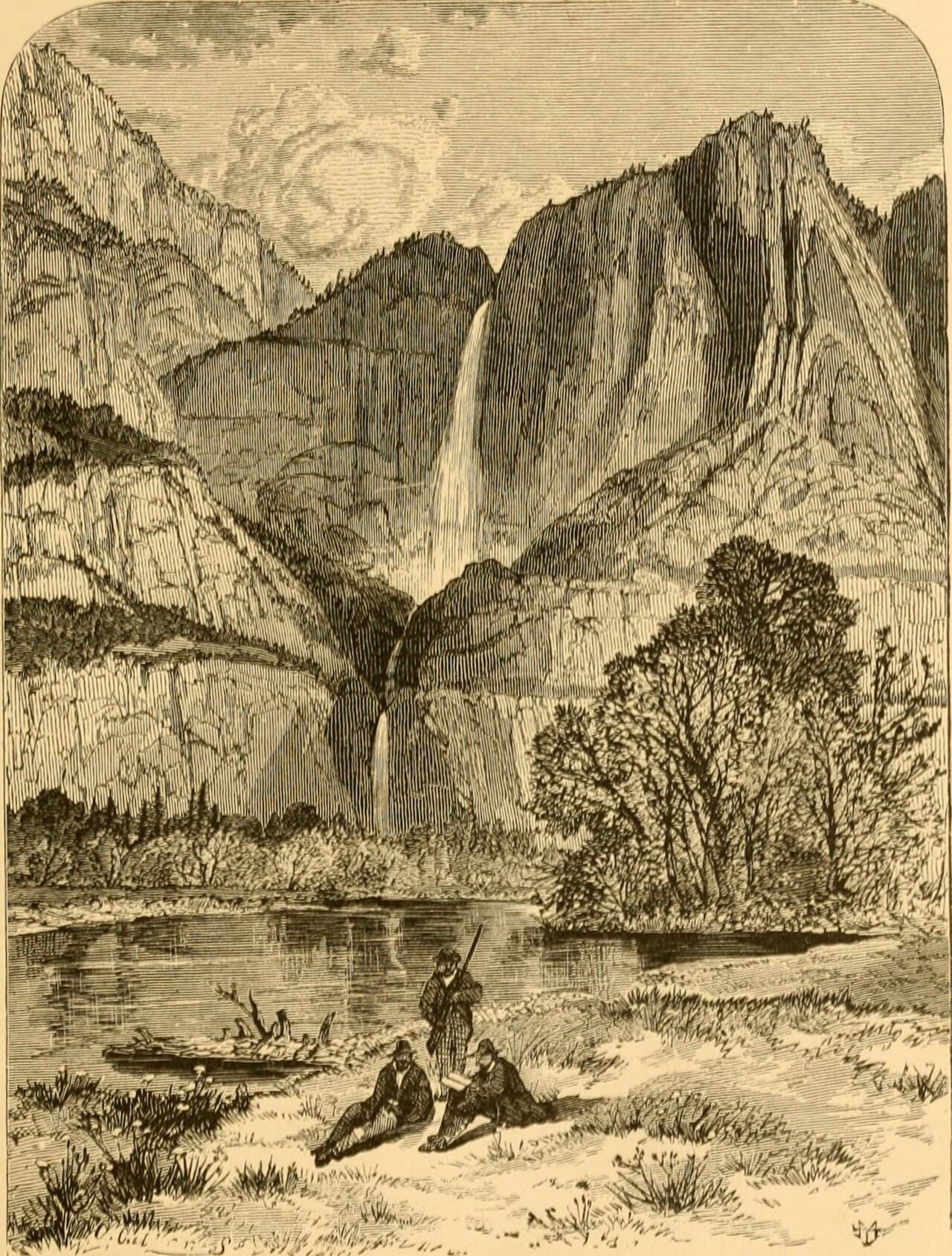
The Snake River Canyon splits this stretch of Idaho open like a geological wound, and Twin Falls perches right at its edge — sagebrush air, the distant roar of falling water, and enough raw scenery to fill four unhurried days. This is a solo trip built for wandering rim trails at your own rhythm, striking up conversation at bar seating, and chasing golden light across basalt walls.
At a Glance
Highlights
- Standing in the mist-thrown roar of Shoshone Falls at sunrise
- Watching BASE jumpers fling themselves off Perrine Bridge into open canyon air
- Tracing the Snake River Canyon rim with nothing but wind and wide sky for company
- Exploring the humming, century-old machinery at Milner Dam
- Solo-friendly bar seating and communal tables for easy conversation over dinner
- Golden hour photography along canyon-rim pullouts
- A slow, high-desert pace with room to breathe between stops
Day-by-Day Plan
Day 1: First Light Over the Gorge
A gentle half-day easing into the canyon's scale, with one major stop and generous time for photography and settling in — roughly 2 miles of walking, low-to-moderate energy.
After settling in, ease into the trip with an unhurried walk along the canyon rim — no itinerary pressure, just wide sky, sage-scented wind, and the sudden visual shock of the gorge opening beneath your feet. This is a good first taste of scale before tomorrow's fuller day, and pullouts along the rim drive make for easy, low-effort photo stops.

Day one is intentionally light — arrival, orientation, and no early alarm. Use the morning to settle into your accommodation, pick up any last-minute supplies, and get oriented to the layout of Twin Falls before the canyon pulls you in.
By mid-afternoon, head to the Snake River Canyon rim for a first, easy encounter with the landscape that defines this trip. The scale is disorienting in the best way — sheer drops, distant river roar, and endless high-desert sky. Walk a short stretch of the rim, breathe it in, and let the trip's rhythm begin.
Keep dinner simple and early tonight, in keeping with the town's early-closing rhythm. Look for a spot with bar seating or communal tables downtown where solo diners feel at ease and conversation with locals comes easily — a good way to get a first read on the town before the bigger days ahead.
Day 2: Thunder and Air
A full, moderate-energy day covering the two signature spectacles of the canyon rim — roughly 3 miles of walking with ample photography time.
Arrive by 7:00am and the falls are nearly yours alone — the roar of 45,000 cubic feet per second hitting the canyon floor, cool mist drifting up to meet the morning sun, sage air mixing with the electric charge of spray. By 9am, tour buses and midday heat bring crowds; the early window is when the light and solitude are both at their best.
The wind channels hard through this stretch of canyon, carrying the smell of sagebrush and stone, and if the thermals cooperate, you'll catch BASE jumpers stepping off the rail into open air — parachutes snapping open against the orange-red rock face. Morning is one of the two prime jump windows, so timing this stop right after Shoshone Falls pays off.

Set an early alarm today — the reward is a near-empty overlook at Shoshone Falls, mist rising in the cool morning air before the day's heat and crowds arrive. Give yourself real time here; the sound and scale reward lingering.
From the falls, a short drive brings you to Perrine Bridge, where the canyon narrows and the wind picks up. If the thermals are right, BASE jumpers will be stepping off into the void — a genuinely startling thing to witness up close. Keep midday light and lower crowds in mind, and consider the optional stop at Milner Dam if energy allows for one more canyon encounter before the afternoon winds down.
Head back into town for an early dinner, seeking out a spot with bar seating or shared tables — after a day of big natural spectacle, easy conversation with a bartender or fellow traveler is a nice grounding note before an early night.
Day 3: Stone, Water, and Machinery
A moderate day exploring the historic and industrial side of the canyon system, paired with unstructured rim time — around 2.5 miles of walking.
Arrive early and the site is quiet enough to hear the hum of the powerhouse beneath your feet, mixed with the rush of water through century-old penstocks. The mineral-scented air and towering canyon walls make this feel less like an industrial visit and more like discovering a hidden monument — a good change of pace after two days of pure natural spectacle.

Return to the canyon rim in the softer afternoon light, this time with the freedom to walk further and simply take in the scale — the Snake River echoing faintly from far below, wind rising cool off the gorge, sagebrush sharp in the nose. This is unhurried time, ideal for a longer photography session or just sitting with the view.
Start the day at Milner Dam while the site is still quiet, the hum of hydroelectric machinery blending with birdsong and the smell of stone and river mist. It's a slower, more contemplative stop than the previous day's waterfalls and bridge — a good rhythm shift for a solo traveler pacing themselves through the trip.
After a relaxed midday break, head back to the Snake River Canyon rim for a longer, more meditative walk than Day 1's brief introduction. With more context now on the geology and scale of the gorge, the afternoon light and open space make for the trip's best unstructured photography window.
Wind down with dinner back in town, ideally somewhere with communal seating — after a slower, more contemplative day, this is a good night to chat with fellow travelers or locals about the best-kept secrets of the canyon before your final day.
Day 4: Last Light on the Rim
A lighter closing day revisiting favorite viewpoints for final photography and quiet reflection before departure — about 2 miles of walking, low energy.
One last early visit to the bridge, when the canyon is calm and cool and the morning jump window is often the best of the day. It's a fitting farewell — the same roar of wind, the same orange-red rock, but now familiar rather than startling.
A final, shorter visit to the falls — enough time to stand once more in the mist and noise before heading toward departure. Having seen it once already, this visit is more about savoring than discovering, a quiet bookend to the trip's biggest spectacle.
Rise early for a final, quiet visit to Perrine Bridge, the canyon cool and hushed before the day's heat sets in. If the thermals cooperate, one last glimpse of BASE jumpers stepping into the void makes for a memorable send-off.
From the bridge, make a short final stop at Shoshone Falls — no need to linger as long as Day 2, just enough time to stand in the mist once more and let the roar settle in as a closing memory before beginning the journey home.
With travel logistics likely filling the rest of the day, keep things simple — grab something easy near your accommodation or on the road out of town, and let the high-desert light on the drive out serve as the trip's final frame.
Want to tweak this trip?
Our AI planner can customize this itinerary to your exact dates, interests, and travel style.
Customize This ItineraryRestaurant details (hours, menus, availability) change frequently. Check current hours before visiting, especially in seasonal destinations.
Dietary compatibility tags are general guidance. If you have severe allergies, confirm directly with the restaurant.
Travel tips are general guidance, not professional safety advice. Check government advisories for latest information.
All prices are approximate and may vary seasonally.
Attractions in This Itinerary
More Itineraries for Twin Falls area
Explore Idaho