3 DaysSolo Traveler6 Stops

Itasca State Park (Fall), Minnesota

3-Day Itinerary for Solo Traveler

β€œWhere the River Begins: Three Days Alone at Itasca”

Where the River Begins: Three Days Alone at Itasca

At Lake Itasca, the mightiest river in North America starts as a stream you could step across β€” a fact that lands differently when you're standing there alone in the cool hush of an October morning. This is a trip built for solitude: quiet trailheads before the day-trippers arrive, long stretches of birch and pine turning gold, and no itinerary to negotiate but your own.

At a Glance

Climate & Weather
October days run cool and crisp, around 46Β°F/7.8Β°C, with moderate rainfall possible and the odd early snow flurry. Mornings and evenings can dip near freezing, so layers are essential: base layer, insulating mid-layer, waterproof shell, sturdy broken-in hiking boots, wool socks, and a warm hat and gloves for sunrise outings.
Getting Around
A car is essential β€” the park's clusters are miles apart and public transit doesn't serve the interior. Wilderness Drive and the park road network connect all major sites; parking lots at trailheads fill by mid-morning on weekends, so early starts matter as much for parking as for light.
Budget
Budget roughly $60–90/day for a solo traveler covering meals, a park vehicle permit, and incidentals β€” lodging is separate and varies by choice of on-park lodge versus Park Rapids or Bemidji.
Safety
The park is very safe for solo travelers, but it is genuinely remote wilderness β€” black bears and moose are present, so store any food properly and keep distance if you encounter wildlife. Sunset arrives early (~5:30 PM in late October), so carry a headlamp for any evening trail time, tell someone your planned route, and avoid unmarked backcountry sections after dark.
Connectivity
Cell coverage is spotty to nonexistent inside the park, especially along Wilderness Drive and backcountry trails. The Visitor Center has limited WiFi. Download offline maps before you go and let someone know your daily plan.
Local Tips
Facilities reduce their hours through fall, so confirm the Visitor Center and any dining is open before you drive out β€” arrive at trailheads and the headwaters by 7:30–8 AM to have them nearly to yourself; solo travelers often find the Visitor Center's communal exhibit areas and lodge dining rooms the easiest places to strike up conversation with fellow park-goers.

Highlights

  • Touch the exact spot where the Mississippi River begins its 2,300-mile journey
  • Walk the Schoolcraft Trail through moss-floored old-growth forest ablaze with fall color
  • Catch sunrise reflections on Lake Itasca before anyone else arrives
  • Drive the Wilderness Drive's hairpin curves under a cathedral of red pine
  • Loop the lake's shoreline trail at golden hour for mirror-still water shots
  • Warm up with a slow museum morning if the weather turns

Day-by-Day Plan

Orientation & Headwaters

Day 1: Arrival & First Light at the Source

A gentle first day of roughly 2–3 miles of easy walking focused on the park's spiritual center β€” the Mississippi Headwaters β€” paired with an indoor orientation to ease into the trip.

Wear
Layered clothing with a waterproof shell, warm hat, and broken-in hiking boots; mornings will be near-freezing so gloves are worth packing.
Budget
$35–50 (park entry permit, coffee, lunch, dinner)
7:30 AM - 8:30 AM
Mississippi Headwaters Β· morning Β· 60 min Β· Mississippi Headwaters

Arrive before 8 AM and the headwaters belong to you β€” just the gentle lap of glacial water, the mineral smell of the lake, and golden birch doubled in the mirror-still surface. This is the whole reason for the trip: the exact point where the Mississippi River takes its first breath, marked by a modest historic landmark that somehow carries enormous weight. Step across the stone crossing where the river begins its 2,300-mile run south, and take the quiet moment for yourself before the day's first tour buses arrive.

Mississippi Headwaters
United States. Army. Corps of Engineers. St. Paul District / wikimedia (Public domain)
Shoot the north shoreline just after sunrise looking east β€” the light comes in low and gold across the water.
Paths here are not flat and there are only sparse benches; sturdy footwear recommended.
10 min walk β€” A short stroll along the lakeshore path, the water still catching morning light to your left.
9:00 AM - 10:00 AM
Itasca State Park Visitor Center Β· midday Β· 60 min Β· Mississippi Headwaters

After the open air of the headwaters, step into the hushed, wood-scented interior of the Visitor Center for context β€” watershed maps, wildlife dioramas, and geological cross-sections that make sense of the landscape you just stood in. It's an easy, low-energy stop that suits a first morning and doubles as your best rainy-day fallback for the whole trip. Solo travelers often find this a comfortable, unpressured space to linger and chat with rangers about trail conditions.
Itasca State Park Visitor Center
Photo by Kanishk Gabel on Pexels
The diorama displays are lit dramatically for detail shots β€” better for close-ups than wide scenes.
Fully wheelchair accessible with flat paths and frequent benches β€” the most accessible stop in the park.
Lunch
Caribou Coffee $
Cafe/Coffee Β· Near Wilderness Drive
A reliable, low-key spot for a warm drink and light bite β€” easy solo seating and a good place to plan the afternoon.
Dinner
DQ Grill & Chill $
Ice cream, burger, chicken Β· Near Wilderness Drive
Casual, unfussy comfort food after a day of cold air and walking β€” counter seating makes it easy for a solo diner.
If it rains: The Visitor Center is fully indoor and weather-proof β€” extend your time there with the exhibits if rain moves in, and consider pushing the headwaters visit to later in the day when showers may pass.

The first light at Lake Itasca is worth setting an early alarm for β€” arrive by 7:30 AM and the headwaters are yours alone, the cool air carrying the mineral scent of the lake and the quiet broken only by water lapping the shore. Take time here; this is the emotional center of the whole trip, and there's no rush on day one.

Ease into the park's story at the Visitor Center, a gentle, low-energy stop that suits jet-lagged legs and a mind still adjusting to the scale of the place. The exhibits translate the invisible systems β€” watersheds, glacial history, wildlife β€” into something tangible before you head into the deeper woods tomorrow.

Keep the evening simple: a casual dinner at DQ Grill & Chill nearby, then an early night. Tomorrow's forest trails call for more energy, and the near-freezing evenings here reward a warm bed over a late night out.

Forest Immersion

Day 2: Cathedral Silence: Old Growth & the Wilderness Drive

A moderate day of roughly 4–5 miles combining a scenic drive with a substantial forest hike through old-growth pine and fall color.

Wear
Waterproof hiking boots, moisture-wicking layers, a warm hat for the cool morning drive, and a rain shell in case Wilderness Drive turns misty.
Budget
$40–60 (gas, lunch, dinner, incidentals)
15 min drive β€” A quiet morning drive with mist still clinging to the lower branches along the park road.
7:30 AM - 9:00 AM
Wilderness Drive Β· morning Β· 90 min Β· Wilderness Drive & Old Growth Forest

Start early β€” the gravel crunch under your tires and the earthy perfume of pine resin and decaying leaves feel different before the weekend crowds arrive. This winding route through boreal forest turns liquid gold in October light, with turnouts near the Ozawindib Trail junction offering layered views deep into the trees. Solo travelers can take this at their own pace, pulling off wherever the light looks right without coordinating with anyone else.
Wilderness Drive
Committee on Resources / wikimedia (Public domain)
West-facing overlooks catch the canopy in gold during golden hour β€” early morning light also rakes nicely through the hairpin curves.
Limited accessible pull-outs; most viewing requires walking on uneven shoulders.
10 min drive β€” A short hop along the park road to the trailhead, forest closing in tighter as you go.
9:30 AM - 11:00 AM
Schoolcraft Trail Β· midday Β· 90 min Β· Wilderness Drive & Old Growth Forest

Trade the car for boots on moss and pine needles, following the same ground Henry Schoolcraft once walked. The forest here is dense and green-scented, punctuated by sudden bursts of gold and crimson foliage against dark spruce, and birdsong that carries a long way in the quiet. It's a satisfying, moderate hike well-suited to a solo pace β€” no one to wait for, no one to rush.

Schoolcraft Trail
Photo by Tom Fisk on Pexels
The loop junction where birch and aspen brighten the understory is the standout shot β€” best in mid-morning light.
Not recommended for those needing flat terrain β€” expect roots, uneven ground, and limited accessible sections.
12 min drive β€” A short drive back toward the lake, sunlight now filtering low through the trees.
2:00 PM - 4:00 PM
Itasca Lake Loop Trail & Scenic Overlook Β· afternoon Β· 120 min Β· Wilderness Drive & Old Growth Forest

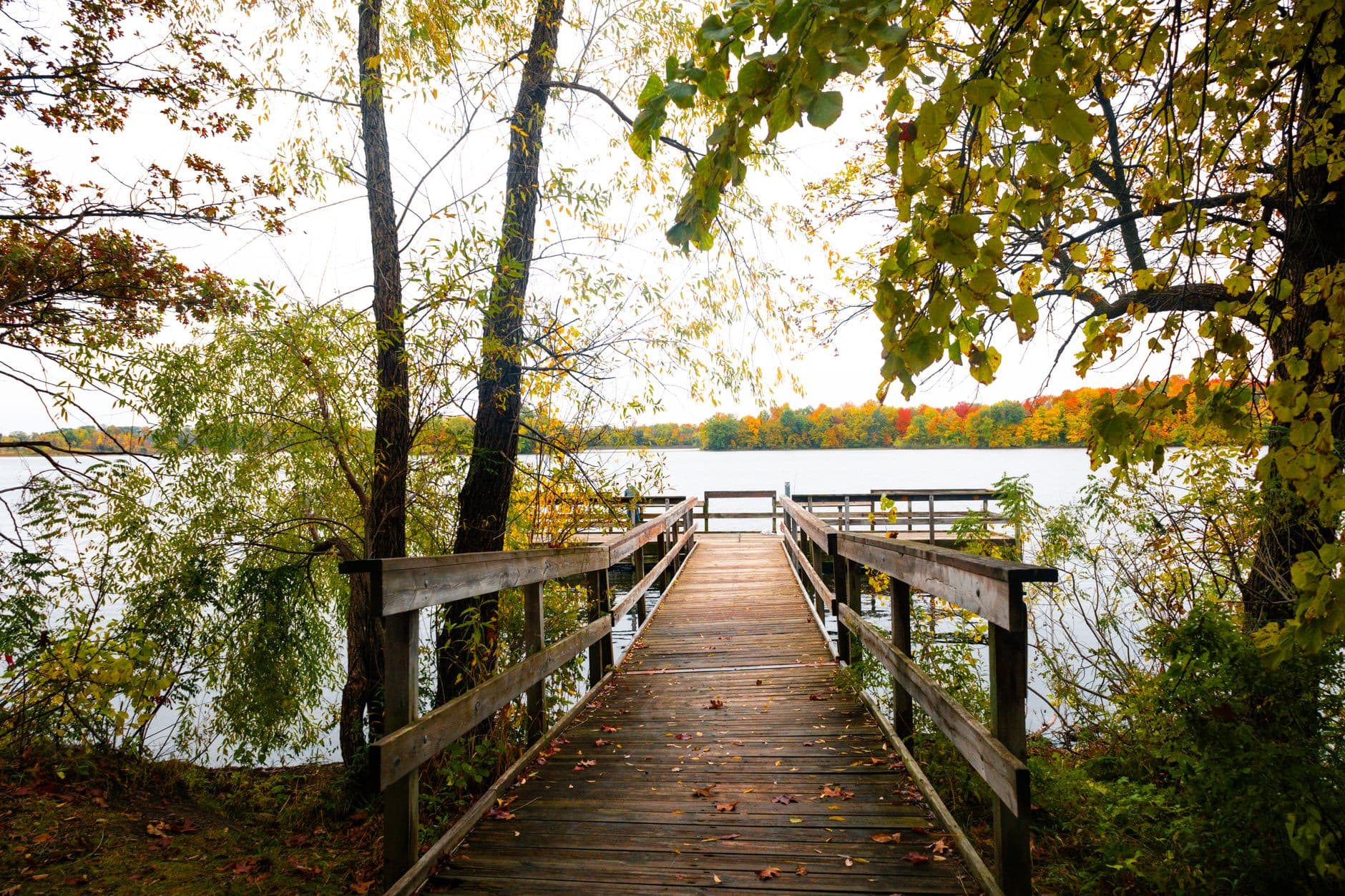
After a midday break, shift to something lighter and more contemplative: a shoreline loop where towering maples in crimson and gold mirror perfectly in still water, broken only by the occasional loon call. This is the park's most photogenic stretch and a natural place to slow down and just sit for a while β€” a rare, quiet luxury for a solo traveler with no schedule to keep.

Itasca Lake Loop Trail & Scenic Overlook
Photo by Virooshan Theva on Pexels
The eastern peninsula viewpoint is best near sunset for reflected color, but the north shore overlook works well any time after 2 PM.
Uneven trail with sparse benches; allow extra time if mobility is a concern.
Lunch
Jersey Mike's Subs $
Sandwich Β· Near Wilderness Drive
Quick, satisfying, and easy to grab between the drive and the trail β€” good for a solo traveler on the move.
Dinner
Sake Sushi $$
Sushi Β· Near Wilderness Drive
An unexpected but welcome change of pace after a day of trail food β€” counter seating is a good spot for a solo diner to unwind.
Optional detour: Ozawindib Trail junction turnout β€” After Wilderness Drive and before Schoolcraft Trail
A quick, easy pull-over for layered forest photography without committing to a full hike. Skip if: Skip if you're short on time or already planning the full Schoolcraft Trail hike, which covers similar terrain in more depth.
If it rains: If rain sets in, Wilderness Drive remains passable and even moody in mist, but heavy rain should send you back to the Visitor Center exhibits from Day 1, or shorten the Schoolcraft Trail hike and skip the lake loop for another day.

Get an early start on Wilderness Drive while the gravel is quiet and mist still clings to the pines β€” this is the kind of solitary, unhurried driving that rewards patience, with turnouts inviting you to stop wherever the light catches the canopy just right.

Swap the car for your boots on the Schoolcraft Trail, tracing old-growth forest thick with moss and sudden color. After lunch, ease into a lighter, more reflective pace at the Itasca Lake Loop, where still water doubles the surrounding fall canopy and benches (however sparse) invite a long, quiet sit.

Reward the day's miles with sushi at Sake Sushi β€” a welcome contrast to trail food β€” and let the evening wind down early. Cool temperatures and early sunsets make a warm dinner and an unhurried retreat to your lodging the natural close to the day.

Reflection & Farewell Light

Day 3: Golden Hour & Departure

A lighter final day of roughly 2–3 miles revisiting the headwaters at a quieter hour and closing with a scenic overlook before departure.

Wear
Warm layers for a cold final morning, waterproof boots if the ground is damp from prior rain, and a hat for wind off the lake.
Budget
$25–40 (breakfast, lunch, small purchases)
7:00 AM - 8:00 AM
Mississippi Headwaters Β· morning Β· 60 min Β· Mississippi Headwaters

Return to the headwaters one more time, now familiar rather than new β€” the same cool air, the same quiet lap of water, but a different kind of attention this time, less about seeing it for the first time and more about saying goodbye. Early light at this hour is the best of the whole trip for photography, with almost no one else around.

Mississippi Headwaters
United States. Army. Corps of Engineers. St. Paul District / wikimedia (Public domain)
The outlet stream where the river begins its journey south is worth a slow, deliberate shot in this early light.
Uneven paths and sparse benches remain; allow extra time for a slower pace.
12 min drive β€” A short, familiar drive back along roads you've now traveled twice β€” the forest feels a little more like home.
9:00 AM - 10:30 AM
Itasca Lake Loop Trail & Scenic Overlook Β· midday Β· 90 min Β· Wilderness Drive & Old Growth Forest

A final, shorter walk along the shoreline loop, this time in full morning light rather than the golden hour glow of Day 2 β€” a different mood, crisper and quieter, ideal for a reflective solo close to the trip. The south-facing cove where water mirrors the forest canopy is a fitting last stop before the drive out.

Itasca Lake Loop Trail & Scenic Overlook
Photo by Virooshan Theva on Pexels
The south-facing cove offers the calmest water for reflections mid-morning, before any wind picks up.
Uneven trail; choose the shorter loop segment if time or mobility is limited.
Breakfast
Caribou Coffee $
Cafe/Coffee Β· Near Wilderness Drive
A warm, easy breakfast stop to fuel the last morning of hiking before departure.
Lunch
Jersey Mike's Subs $
Sandwich Β· Near Wilderness Drive
A quick, portable option if you're eating on the way out of the park.
Optional detour: Itasca State Park Visitor Center β€” After Mississippi Headwaters and before Itasca Lake Loop Trail
A last chance to browse exhibits or pick up any park literature if you missed something on Day 1. Skip if: Skip if you've already covered it thoroughly and want to maximize outdoor time on your final morning.
If it rains: If the morning turns wet, shorten the Lake Loop walk and retreat to the Visitor Center for a dry, reflective final stop before departure.

One last early rise for the headwaters β€” quieter now, more personal, the kind of morning that sticks with you long after the drive home. The light here in the final hour before crowds arrive is the best photography window of the entire trip.

Close the trip with a shorter walk along the lake loop in crisp morning light, a fitting bookend to the golden-hour version from Day 2. There's no rush β€” let the pace be as unhurried as the rest of the solo trip has been.

With the drive out ahead, keep things simple: grab a portable lunch and start the journey south, carrying the quiet of the headwaters with you.

Want to tweak this trip?

Our AI planner can customize this itinerary to your exact dates, interests, and travel style.

Customize This Itinerary
Good to Know

Restaurant details (hours, menus, availability) change frequently, especially in a seasonal park destination. Check current hours before visiting.

Dietary compatibility tags are general guidance. If you have severe allergies, confirm directly with the restaurant.

Travel tips are general guidance, not professional safety advice. Check government advisories and park conditions for the latest information before visiting.

All prices are approximate and may vary seasonally.
We use cookies to improve your experience and analyze site usage. Essential cookies are always active. You can customize your preferences or accept all cookies. Cookie Policy