Bitterroot Valley (Hamilton, Darby), Montana
3-Day Itinerary for Active Retirees
“Peaks, Water & Quiet Places: 3 Winter Days in the Bitterroot Valley”
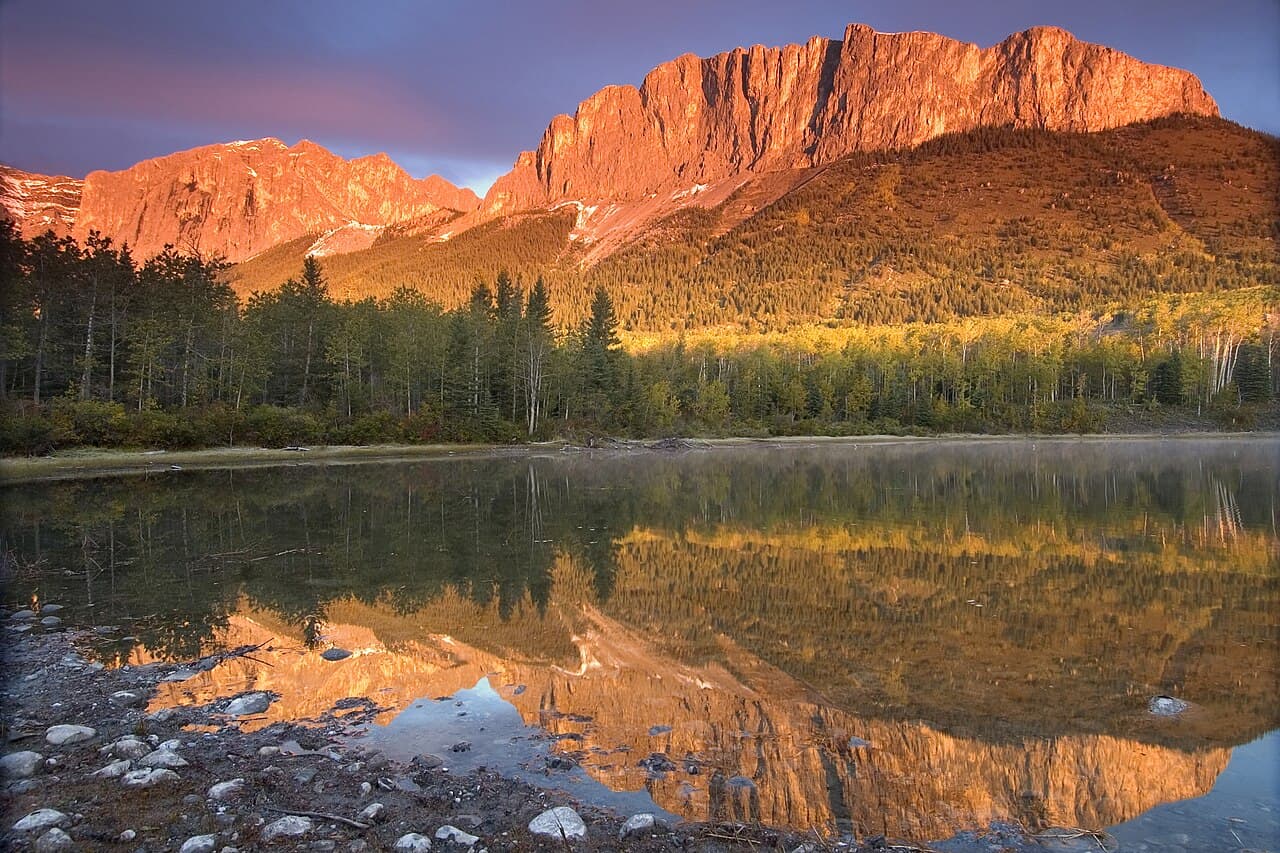
Winter settles over the Bitterroot like a held breath — frost on the willows, elk moving low along the valley floor, peaks gone white against a pale sky. This is a season for slow mornings, short outings in good light, and long lunches where the woodstove does most of the talking.
At a Glance
Highlights
- Frozen hush of Lake Como's north shore at sunrise
- Historic Hamilton main street dusted in snow
- Sandhill cranes and eagles over the Lee Metcalf wetlands
- Golden-hour peaks from a Bitterroot NF scenic pullout
- Hearty valley cooking after cold-weather walks
- Flat, bench-friendly paths suited to relaxed pacing
Day-by-Day Plan
Day 1: Arrival & the Quiet Shore of Lake Como
A light arrival day centered on Hamilton's walkable main street and a short, flat visit to Lake Como's snow-quiet shoreline — under a mile of easy walking total.
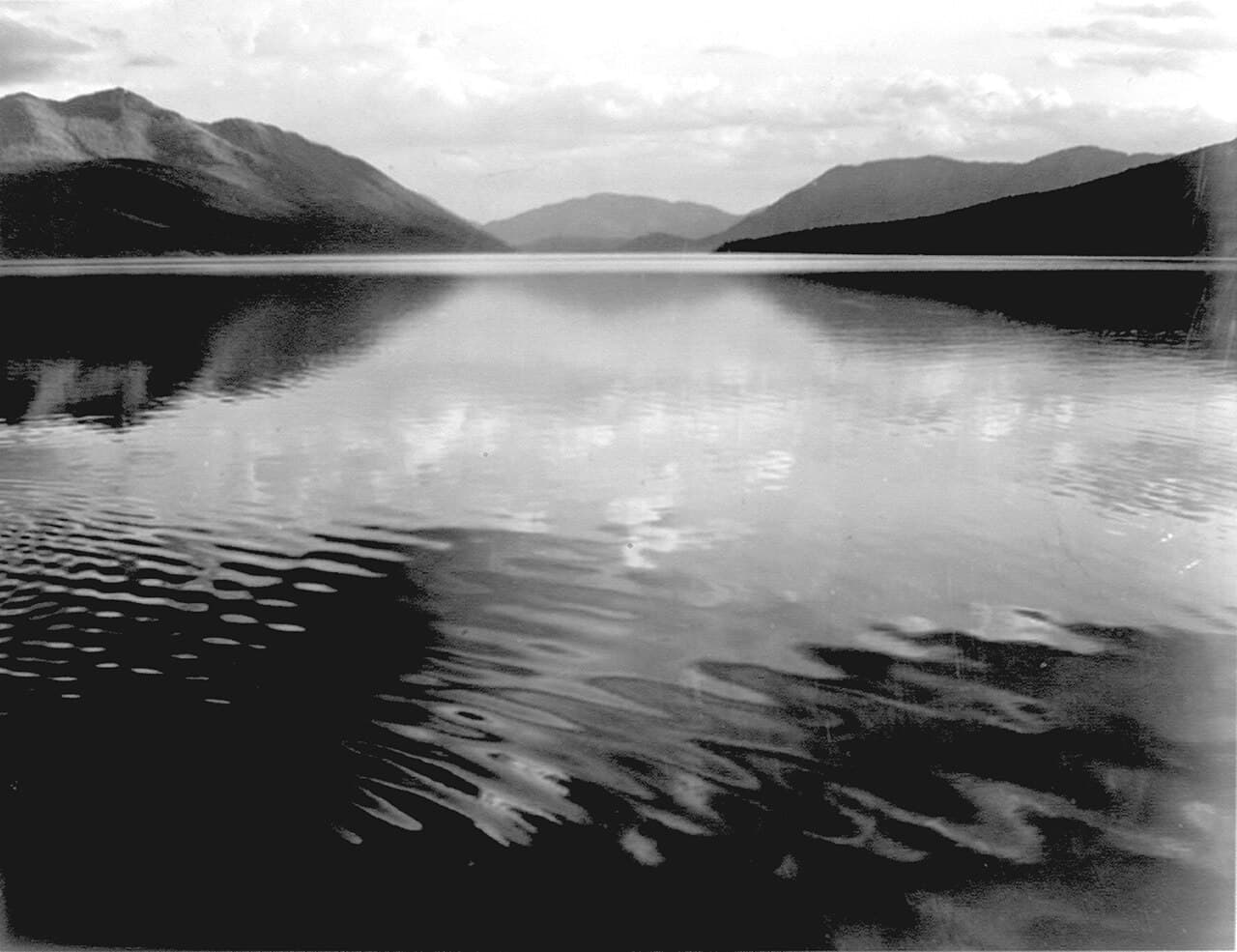
In winter the lake goes still and pale, its surface sometimes rimmed with ice, the granite peaks behind it dusted white and sharp against a low sky. Arrive by 10am and the north shore is likely yours alone — no boats, no chatter, just the occasional creak of ice and the hush of snow underfoot. The flat lakeside path makes this an easy, unhurried first outing after travel.
Settling into the valley starts gently, with a short drive out to Lake Como under a sky still deciding what kind of day it will be. The lake in winter has a stripped-down beauty — ice at the edges, granite peaks rising sharp and pale, and a silence that seems to amplify every small sound: a raven's call, the crunch of boots on packed snow. There's no rush here; the flat shoreline path invites slow steps and long pauses, which suits a first day of travel perfectly.
Back in Hamilton, the afternoon is loose and unscheduled — a chance to walk the historic main street at whatever pace feels right, duck into a gallery or shop for warmth, and let the body catch up with the day. The town's brick storefronts and mountain backdrop make for an easy, low-effort second half of the day, with plenty of places to sit and warm up between stops.
Dinner tonight is best kept simple and early, given the valley's early-closing rhythm — settle into wherever feels warm and unhurried, and let the first day close quietly. Tomorrow's outings ask a bit more of the legs and the camera, so tonight is for rest, warmth, and letting the mountain air do its work.
Day 2: Wetlands, Wings, and Winter Light
A moderate day centered on Lee Metcalf NWR's flat wetland trails and viewing platforms, with a scenic midday pause — total walking kept under 1.5 miles.
Winter mornings here carry a particular hush — cattails rattling stiff with frost, the distant honk of geese, and eagles more visible now against bare cottonwoods than they are in summer's green density. Arrive by 9:30am for the quietest wildlife viewing and softest light on the mountains framing the wetlands. The auto tour viewing platforms offer flat, accessible vantage points without demanding much walking, which suits a relaxed winter pace well.

The drive south toward Darby narrows the valley pleasantly, mountains pressing closer on either side, and the refuge itself opens into a hushed winter landscape of frosted reeds and still water. Sandhill cranes may have moved on by deep winter, but eagles and other raptors are often easier to spot against the bare branches, and the flat viewing platforms make this an easy, contemplative morning without much walking required.
The pace eases further after the refuge — this is a good afternoon for a slow lunch and, weather permitting, a brief scenic drive toward the edge of Bitterroot National Forest for the peak views alone, without any hiking commitment. The light in winter afternoons here turns golden early, catching the high snowfields in a way that rewards patience more than effort.
With the valley's early dining rhythm in mind, an early dinner reservation makes sense tonight — somewhere warm, unhurried, and close to wherever you're staying. The cold outside makes the contrast of a heated dining room and hearty food feel especially earned after a day spent watching birds and mountains.
Day 3: Main Street Mornings & Mountain Farewell
A light final day combining a relaxed walk through Hamilton's historic downtown with a short return visit to Lake Como for a farewell look at the peaks — well under a mile of walking.
A second, shorter visit to the lake in different light closes the trip well — mornings often bring a stillness here that's hard to overstate, the water like glass or ice, the peaks doubled in reflection when conditions allow. Arriving by 9am all but guarantees solitude, and the short, flat walk asks little of tired legs on a departure day.
The valley offers one more quiet look before departure — Lake Como again, but softer this time, the morning light low and forgiving, the mountains holding their shape against a sky that's often clearer in the day's first hours. It's a short outing, deliberately so, designed to close the trip gently rather than add one more demanding stop.
The remainder of the day stays loose and unhurried, built around Hamilton's main street — a last coffee, a last look at gallery windows, time to let the trip settle before the drive back toward Missoula. Nothing here demands much of the legs; the town's brick sidewalks are flat and forgiving, punctuated by benches and warm doorways.
With travel ahead, an early dinner or a light meal before departure suits the day's low-key close — the valley's early-closing rhythm makes this an easy decision rather than a compromise. As the peaks fade in the rearview mirror, the quiet of these three winter days lingers a little longer than expected.
Want to tweak this trip?
Our AI planner can customize this itinerary to your exact dates, interests, and travel style.
Customize This ItineraryRestaurant details (hours, menus, availability) change frequently, especially in small seasonal towns. Check current hours before visiting.
Dietary compatibility tags are general guidance. If you have severe allergies, confirm directly with the restaurant.
Travel tips are general guidance, not professional safety advice. Check government advisories and local road condition reports for the latest information, especially in winter.
All prices are approximate and may vary seasonally.