Bitterroot Valley (Hamilton, Darby), Montana
5-Day Itinerary for Active Retirees
“Winter Stillness in the Bitterroot: Five Slow Days Among Peaks and Wetlands”
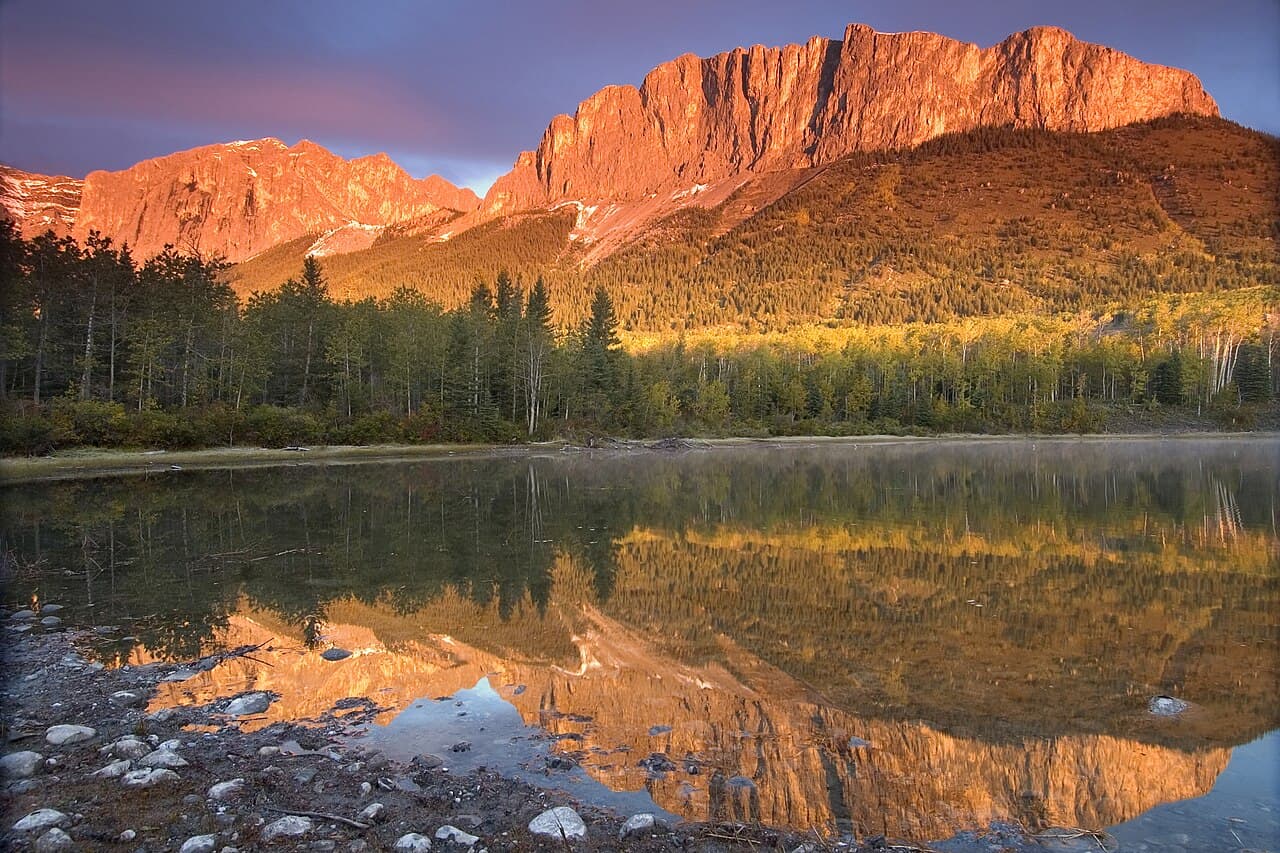
Snow settles over the Bitterroot like a held breath, softening the valley floor while the peaks above stand sharp and white against a low winter sun. This is a season for slow mornings, steaming mugs at fogged windows, and short, deeply satisfying outings between two mountain ranges that rarely see a crowd.
At a Glance
Highlights
- Frozen hush over Lake Como's granite-rimmed shoreline
- Golden winter light on the Bitterroot high country
- Sandhill cranes and eagles over the frost-tipped wetlands of Lee Metcalf
- Quiet forest pullouts with views of the Main Bitterroot divide
- Unhurried valley drives with mountains framing every window
- Hearty, farm-rooted comfort food in cozy Hamilton dining rooms
- Early-morning solitude at every stop, long before any crowd could form
Day-by-Day Plan
Day 1: Arrival and the Valley's Quiet Winter Light
A gentle arrival day with a single easy stop at Lake Como's frozen shoreline, under a mile of flat walking and low physical demand.
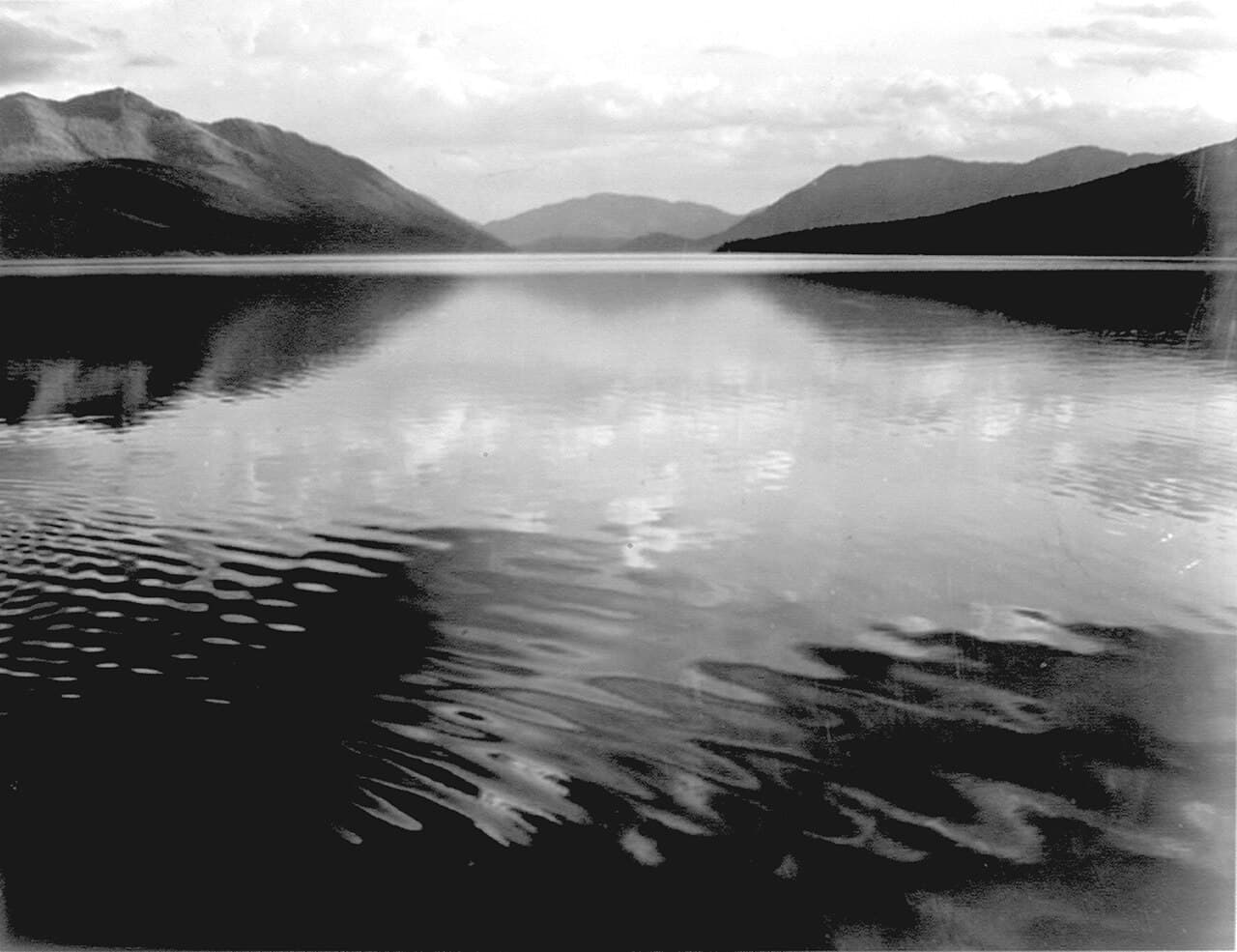
In winter, Lake Como turns still and pale, its granite peaks dusted white and mirrored faintly in whatever open water remains unfrozen near the shore. The air carries a mineral cold and the hush of snow-muffled pine, and after a travel day, an hour of slow, flat walking along the accessible shoreline is exactly the right amount of exertion. Arrive by early afternoon while the light is soft and the trailhead lot is empty — this is not a summer crowd season, and you may have the entire shoreline to yourselves.
Travel day: settle into lodging in Hamilton, unpack layers, and let the body adjust to elevation and the crisp mountain cold before any outdoor activity.
A short, easy visit to Lake Como offers a first taste of the valley's winter stillness — granite peaks rising sharply over quiet water, with plenty of benches-free but flat walking to stretch travel-stiff legs without overexertion.
With no mapped dining data for this specific stop, plan dinner in Hamilton proper this evening; ask your lodging host for their current favorite spot, and aim for an early table since most valley restaurants wind down by 8–9pm.
Day 2: Hamilton's Winter Hush and the Lake in Full Morning Light
A relaxed full day returning to Lake Como at the day's best light, followed by unstructured time to rest, totaling under 2 miles of walking.
Arrive by 8:30am and the lake belongs entirely to you — the only sounds are wind combing through lodgepole pines and the occasional crack of ice settling along the shore. Morning light in winter comes low and golden, striking the eastern granite outcrop first and gradually warming the whole basin, making this the finest hour for slow photography and unhurried appreciation. Take the extra time here; the flat lakeside path allows for frequent pauses without strain, and there's no reason to rush a view this rewarding.
Return to Lake Como for its best winter light — a slow, contemplative hour or two along the flat shoreline path, with the mountains glowing gently as the sun climbs.
With the morning's main activity complete, the afternoon opens up for rest, a slow lunch, or simply enjoying the warmth of indoor spaces in Hamilton; no further mapped stops are scheduled today to keep pacing gentle.
Dinner in Hamilton this evening — since no specific dining data is mapped for Lake Como itself, plan your meal in town and aim for an early seating, as most kitchens wind down by 8–9pm in the off-season.
Day 3: Into the High Country's Winter Silence
A scenic, low-exertion visit to the edges of Bitterroot National Forest focused on accessible pullouts and valley views rather than deep hiking, roughly 1–1.5 miles total walking.
In winter, the high alpine routes here are best left to experienced backcountry travelers, but the scenic pullouts and lower riverside stretches of Bitterroot National Forest still deliver the valley's most dramatic winter scenery — jagged peaks rising over snow-laden lodgepole pine, with a silence so complete you can hear individual snowflakes land. This is a 1–2 hour outing focused on the accessible flat riverside walks and scenic drive stops rather than summit trails; the forest's true backcountry stays closed to casual visitors this time of year. Bundle heavily, as temperatures at elevation run noticeably colder than in Hamilton.
A slow, scenic morning tracing the lower edges of Bitterroot National Forest — no summit push, just quiet pullouts, riverside views, and the profound stillness that only a snow-covered forest offers.
Descend back toward Hamilton by early afternoon while roads are still clear and light is good; use the remaining hours to warm up indoors and rest legs after the uneven, colder terrain of the morning.
With no specific dining data mapped near the forest itself, plan an early dinner back in Hamilton town, ideally by 6–6:30pm, since most kitchens here close by 8–9pm even on weekends.
Day 4: Wetlands, Wings, and the Valley's Wide Winter Sky
A moderate, rewarding morning at Lee Metcalf National Wildlife Refuge near Darby, with easy pacing and under 2 miles of walking on uneven but manageable terrain.
Arrive close to opening light and the refuge feels suspended in cold quiet — cattails rimmed with frost, the distant call of a sandhill crane carrying clean across still air, and the Bitterroot Mountains standing sharp against a pale winter sky. Wildlife is often more visible in overcast or snowy conditions, so even a gray morning here rewards patient watching from the auto tour viewing platforms. The trail underfoot can be muddy or icy in patches, so a slower, cane-assisted pace works well, and frequent pauses at the viewing platforms offer natural resting points.

A quiet, moderate-paced morning at Lee Metcalf NWR, watching cranes and eagles move across a wetland softened by frost, with mountains framing every open view across the water.
After the refuge, ease back toward Hamilton for a slower afternoon — a good day to rest legs after uneven trail terrain and enjoy a warm, unhurried lunch indoors.
No specific dining data is mapped near the refuge itself, so plan an early dinner back toward Hamilton, allowing a comfortable buffer before most kitchens close for the night.
Day 5: Last Light Over the Valley
A gentle closing day returning once more to Lake Como for a final quiet look at the valley before departure, with minimal walking.
A final, unhurried visit to Lake Como closes the trip the same way it began — with quiet water, snow-capped granite, and the particular stillness of a Montana winter morning. This late in the trip, the goal is simply presence: a slow walk along the familiar flat shoreline, one last look at the peaks, and time to let the valley's rhythm settle in before the drive back toward Missoula.
One last peaceful visit to Lake Como, tracing the same flat shoreline path as earlier in the trip, watching morning light settle over granite peaks before beginning the journey home.
With travel logistics ahead, keep the remainder of the day light and unstructured — a relaxed lunch and time to repack before departure from the valley.
No further mapped stops remain for this trip; use the evening for travel or a quiet, early meal near your point of departure, honoring the valley's early-closing rhythm one last time.
Want to tweak this trip?
Our AI planner can customize this itinerary to your exact dates, interests, and travel style.
Customize This ItineraryRestaurant details (hours, menus, availability) change frequently, especially in small seasonal towns. Check current hours before visiting, particularly in winter when many kitchens close early.
Dietary compatibility tags are general guidance. If you have severe allergies, confirm directly with the restaurant.
Travel tips are general guidance, not professional safety advice. Check current Montana road conditions and government advisories before winter travel.
All prices are approximate and may vary seasonally.