Bitterroot Valley (Hamilton, Darby), Montana
5-Day Itinerary for Solo Traveler
“Snow, Solitude, and Peaks: 5 Days Alone in the Bitterroot Valley”
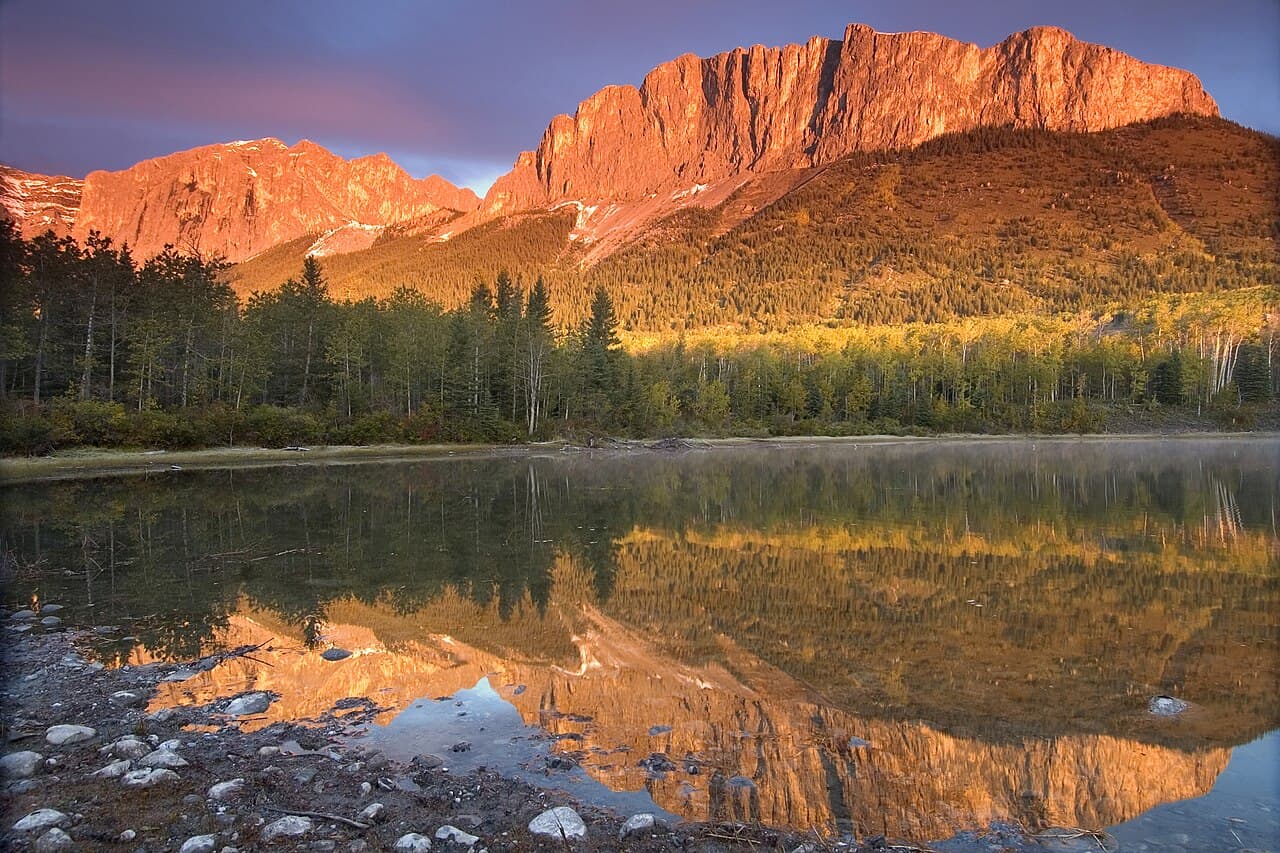
Winter strips the Bitterroot Valley down to its bones — bare cottonwoods along the river, breath fogging in 20-degree air, peaks gone white and sharp against a pale sky. This is a trip for travelers who want silence they can hear, small-town warmth after cold days outside, and a valley that asks nothing of you but presence.
At a Glance
Highlights
- Frozen hush over Lake Como's shoreline at first light
- Snow-draped lodgepole corridors in Bitterroot National Forest
- Sandhill cranes and eagles over frost-rimmed wetlands at Lee Metcalf
- Historic Hamilton main street glowing under string lights in early dark
- Slow solo mornings with almost no other visitors in sight
- Mountain-pass driving with sweeping views of the Bitterroot and Sapphire ranges
- Hearty comfort food and easy conversation at local counters
Day-by-Day Plan
Day 1: Arrival and the Valley's Quiet Edge
A light arrival day with one easy stop at Lake Como and a slow walk through downtown Hamilton — under 2 miles total, low energy.
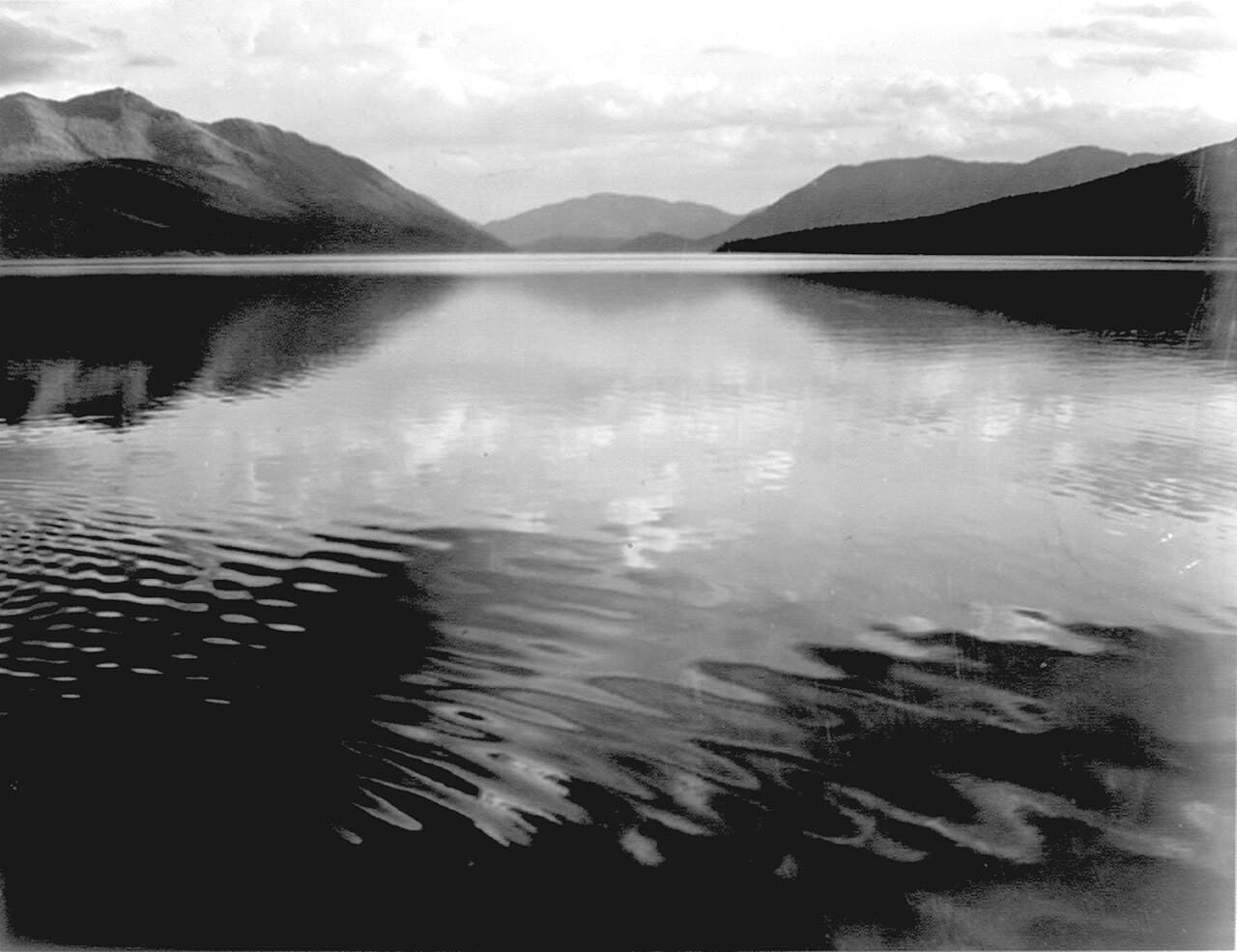
In winter, Lake Como turns still and silvery, its usual summer crowds entirely gone — you may have the shoreline completely to yourself, snow squeaking underfoot and the granite peaks behind it dusted white. It's a gentle first outing after travel: flat, short, and quietly spectacular, the kind of place where the cold feels clean rather than harsh. Bundle up and give yourself time to just stand at the water's edge and let the drive settle out of your shoulders.
Travel day: settle into your lodging, unpack layers, and let the drive down US-93 from Missoula sink in — the valley opens up slowly, mountains rising on both sides as the road narrows toward Hamilton.
Head to Lake Como for a short, low-effort walk along the shoreline. Winter here is hushed and mostly empty — a good, easy way to shake off travel fatigue and get your first real look at the Bitterroot range up close.
Ease into Hamilton's early winter rhythm: wander the historic main street as shop lights come on in the early dark, then find a warm spot for dinner before the town quiets down for the night around 9pm.
Day 2: Hamilton's Historic Heart
A relaxed full day centered on downtown Hamilton and a return visit to Lake Como at a different hour, walking roughly 3 miles total at an easy pace.
Arrive at first light and the lake is yours alone — frost on the grass, mist rising faintly off open water where it hasn't fully iced, and the eastern peaks catching the first sun. This is the morning-edge advantage: by midday even in winter a few other visitors may wander through, but at 7:30am the silence is total. Take the extra time here for photography; the low winter light does more work than you will.
Return to Lake Como at first light for the quietest version of the lake you'll see all trip — frost, stillness, and mountains just catching the sun. Spend a full 90 minutes here without rushing.
Head back into Hamilton for a slower, wandering afternoon through the historic downtown — galleries, local shops, and a chance to warm up indoors between stops. This is an easy, low-mileage stretch after the cold morning.
Settle into an early dinner in town before the 9–10pm close, then take a short evening walk past the lit-up storefronts — Hamilton's version of nightlife in winter is quiet, warm, and unhurried.
Day 3: Deep into Bitterroot National Forest
The trip's high-energy day: a long morning and early afternoon in Bitterroot National Forest with scenic winter driving, roughly 3–5 miles of walking depending on snow depth.
Winter turns this 1.6-million-acre forest into something closer to true wilderness silence — lodgepole pines heavy with snow, creeks half-frozen but still audible under the ice, and a stillness that feels enormous. Higher alpine routes are best avoided this time of year, so stick to lower-elevation forest trails and scenic pullouts, which stay passable and offer sweeping views of the snow-covered Bitterroot divide. Arrive early: trailhead parking is easy in winter, but daylight is short, so you'll want to be moving by mid-morning to make the most of the light.
Drive south into Bitterroot National Forest for a long morning of lower-elevation forest trails and scenic pullouts. The cold is sharp but the silence is the real reward — few if any other people, snow-laden pines, and views of peaks too high and icy to attempt this season.
By early afternoon, begin the drive back toward Hamilton as daylight starts to shorten. Use any remaining light for a final pullout stop or photo break before the forest road empties out.
Back in town, warm up properly before dinner — a big, hearty meal suits the day's effort. Turn in a bit earlier tonight; the cold and the miles add up even on a moderate winter hike.
Day 4: Wetlands, Wings, and the South Valley
A moderate-energy day centered on Lee Metcalf National Wildlife Refuge near Darby, with light walking (around 2–3 miles) and long stretches of quiet observation.
Winter mornings at Lee Metcalf are cold and hushed, the wetlands rimmed in frost and the mountains standing sharp behind them in the thin early light. This is quieter even than its usual quiet self — expect eagles perched along the tree line and, if you're lucky, elk moving along the valley floor. Arrive at opening light for the best wildlife activity; animals tend to be more visible in the cold, overcast hours before midday.

Head south to Lee Metcalf National Wildlife Refuge for a cold, still morning of wetland and mountain views. Take your time at the viewing platforms — this is a day built around patience and quiet observation rather than mileage.
After the refuge, drift into nearby Darby for a slower afternoon — a smaller, more remote outpost than Hamilton, with a rustic, backcountry feel. Use this time to warm up, eat, and simply take in a different corner of the valley's character.
Head back north toward your lodging as the light fades early. Keep the evening low-key — a warm meal, an early night, and a chance to reflect on five days of a valley that rewards slowing down.
Day 5: Last Light on the Valley
A gentle closing day revisiting Hamilton's downtown and Lake Como one final time before departure, roughly 2 miles of easy walking.
One last early visit to the lake, and it feels different again — the same water, the same peaks, but a quieter kind of familiarity now. Morning light is at its most forgiving this time of year, soft and low, good for a final unhurried look before the drive out. There's no rush here; let this be the slow close to a trip built on solitude.
Return once more to Lake Como for a final, unhurried morning — no new ground to cover, just a last quiet look at the water and peaks that have anchored much of the trip.
Spend the remaining hours in downtown Hamilton, picking up any last local goods and having a final relaxed lunch before beginning the drive back toward Missoula.
Depending on flight timing, use the early evening for the drive north on US-93 — give yourself extra buffer time for winter road conditions and the scenic, winding stretch back to the airport.
Want to tweak this trip?
Our AI planner can customize this itinerary to your exact dates, interests, and travel style.
Customize This ItineraryRestaurant details (hours, menus, availability) change frequently. Check current hours before visiting, especially in seasonal destinations.
Dietary compatibility tags are general guidance. If you have severe allergies, confirm directly with the restaurant.
Travel tips are general guidance, not professional safety advice. Check government advisories and local road condition reports for the latest information, especially in winter.
All prices are approximate and may vary seasonally.