Bitterroot Valley (Hamilton, Darby), Montana
5-Day Itinerary for Solo Traveler
“Peaks, Wetlands & Wide-Open Quiet: 5 Days Solo in the Bitterroot Valley”
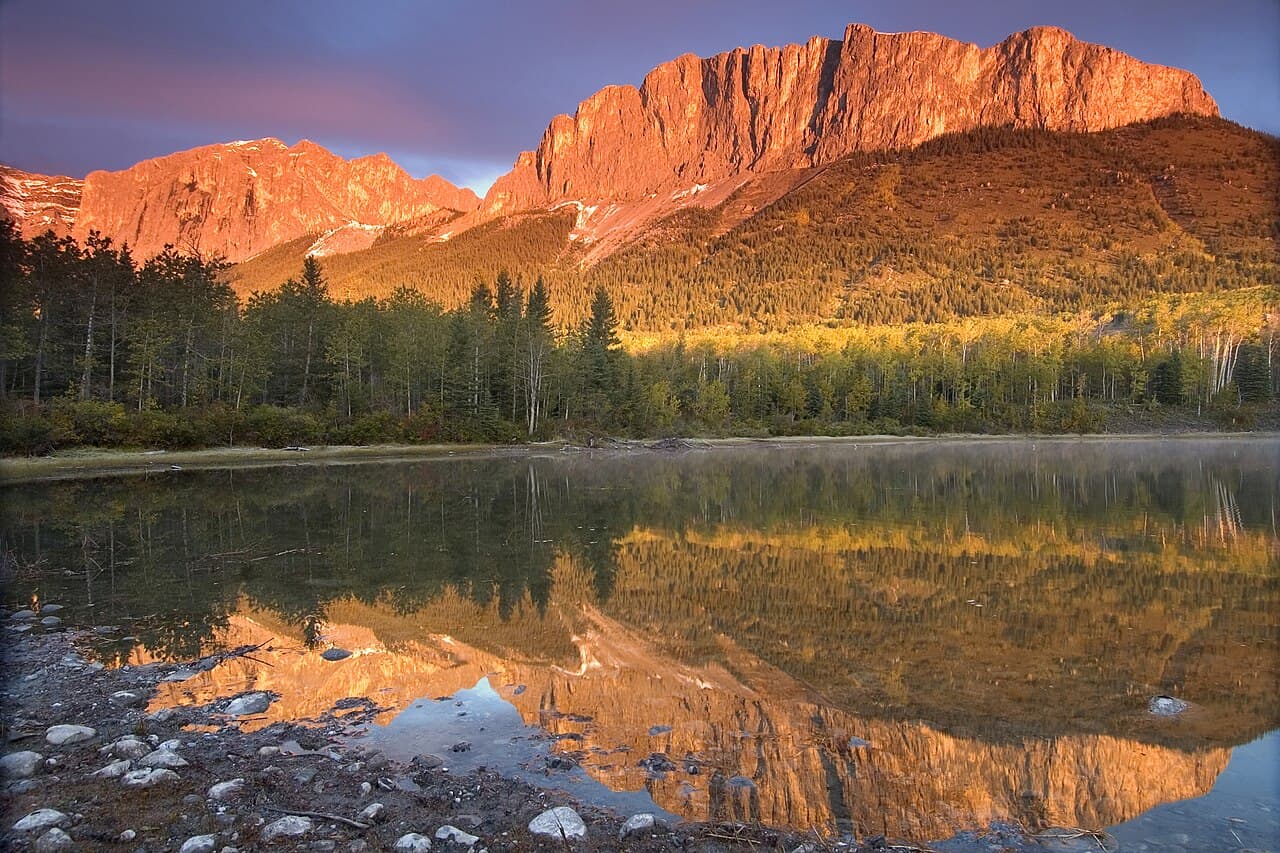
Between the jagged wall of the Bitterroots and the gentler Sapphires, this valley moves at the pace of a fly line unspooling — unhurried, deliberate, worth watching closely. Come summer, the light stretches long past 9pm and the high trails finally shake off snow, making this the season to go deep into the wild heart of southwestern Montana on your own terms.
At a Glance
Highlights
- Sunrise stillness at Lake Como before the first paddleboard hits the water
- A full day chasing switchbacks and granite views deep in Bitterroot National Forest
- Sandhill crane calls drifting over the wetlands of Lee Metcalf Refuge
- Hamilton's walkable main street — galleries, saloons, and easy conversation with locals
- Golden hour on the West Fork valley, cliffs lit up like struck matches
- Solo-friendly bar seating and communal tables built for meeting fellow travelers
- Genuine solitude — trailheads and shorelines where you might not see another soul before 9am
Day-by-Day Plan
Day 1: Arrival & First Light on Still Water
A gentle half-day easing into valley time with a quiet lakeside afternoon, roughly 1-2 miles of easy walking and low physical exertion.
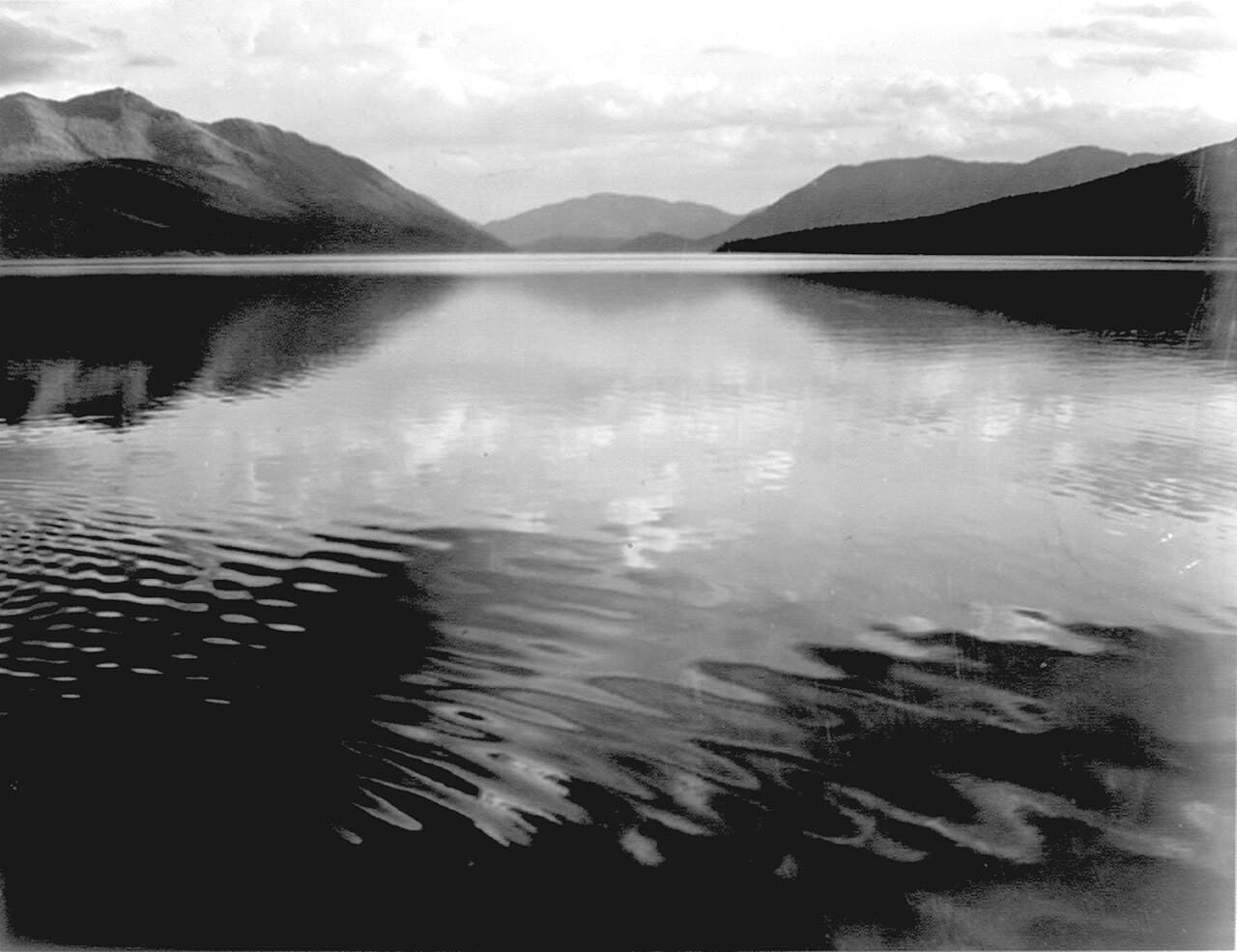
After the drive in, this is the soft landing — granite peaks doubled in glass-still water, the air smelling of pine and sun-warmed sage. Walk the flat north shore path at an unhurried pace; there are benches if you want to just sit and let the travel day settle out of your shoulders. Arrive after 2pm and the morning paddleboard crowd will have thinned, leaving long stretches of shoreline to yourself.
Day one has no fixed morning agenda by design — this is travel time, whether you're driving down from Missoula International Airport or settling into your lodging in Hamilton or Darby. Let the valley reveal itself slowly through the windshield: hayfields, split-rail fences, and the Bitterroots rising sudden and sharp to the west.
By early afternoon, head to Lake Como for a low-key introduction to the valley's alpine character. The water here is famously clear, cold, and quiet on a weekday — a good place to stretch your legs after travel without committing to anything strenuous. Take it slow; there's no itinerary pressure today.
With no specific dining data pinned to this cluster for tonight, plan your first meal around wherever you're staying — Hamilton's downtown has a walkable concentration of casual local spots, and asking your host or innkeeper for their go-to order is a good icebreaker if you're eager for local conversation on night one. Turn in early; tomorrow is a full mountain day.
Day 2: Into the Bitterroot Wilderness
A full high-energy day deep in Bitterroot National Forest with an estimated 5-6 miles of trail walking depending on route choice.
Arrive by 7am and the trailhead lot is nearly empty — by mid-morning in peak season it fills fast. This is 1.6 million acres of genuine wilderness: lodgepole pine corridors giving way to granite basins, creeks running loud with snowmelt, and a silence so complete you'll hear your own footsteps. Solo hikers should stick to well-marked lower and mid-elevation trails, carry bear spray, and check in with a ranger station or your lodging about current conditions before heading up toward Trapper Peak territory.

After a trailside lunch break, continue exploring via the scenic driving loop or a lower-elevation trail segment — a good way to cover more ground without repeating the morning's exertion. The forest's mood shifts through the day: midday sun flattens the light but opens up long sightlines across the divide, and afternoon thunderclouds often build dramatically over the peaks by early afternoon.
Set an early alarm — this is the day to be at the trailhead by 7am, coffee in hand, while the forest is still cool and empty. The drive south from Hamilton winds through ranch country before the road narrows and the peaks close in. Once on trail, the scale of the place becomes obvious fast: dense lodgepole corridors opening onto granite basins, creeks running fast and cold, and a silence broken only by wind moving through the trees.
After refueling with a packed lunch trailside, shift into a lower-key mode — a scenic drive segment or gentler trail section lets you keep exploring without pushing your legs further than they should go. Watch the sky; Bitterroot summer afternoons build thunderheads quickly over the divide, and it's worth timing your descent before they break.
By the time you're back in Hamilton or Darby, the day's mileage will have caught up with you — an early, simple dinner and an early night make sense here, especially with another active day ahead. This is also a good night to strike up conversation with fellow travelers at your lodging, many of whom likely spent the day on the same trails.
Day 3: Wetlands, Wingbeats & Wide Skies
A moderate-energy day exploring Lee Metcalf Refuge's wetland trails, roughly 2-3 miles of easy-to-moderate walking with plenty of stationary observation time.
Come early and the refuge belongs to the sandhill cranes — their calls carry across the wetlands in the cool morning air long before other visitors arrive. Cattails rustle, mud pulls at your boots on the auto tour route, and the Bitterroots stand sharp against the sky in every direction. This is a rewarding slow-looking kind of stop for a solo traveler — no rush, just patience and a good pair of eyes.

Extend the visit with the ridge trail for elevated vistas — mountains framing wetlands from a slightly higher vantage, with fewer people this deep into the refuge. By midmarker the bird activity slows as the day warms, but the scenery itself keeps rewarding unhurried photography and quiet reflection.
Head south toward Darby while the light is still low and gold, aiming to be at the refuge entrance by 7:30am. This is prime time for sandhill cranes and other wetland birds, and the quiet at this hour feels almost private — just you, the cattails, and the distant mountains holding the whole scene together.
After the ridge trail loop, ease into a lighter afternoon — this is a good day to keep things low-key given yesterday's exertion. Consider driving into Darby itself for a slower look at the town, or heading back toward Hamilton with time to spare before dinner.
With the day's pace gentler than yesterday's forest push, an early dinner in Hamilton followed by a walk down main street feels right — a chance to browse galleries still open in the evening light and enjoy the town's easy, unhurried character before another early start tomorrow.
Day 4: Hamilton's Main Street & Second Wind in the Forest
A mixed-pace day blending an easy town morning with an afternoon return to Bitterroot NF, roughly 3-4 miles of walking overall.
One more early visit here rewards patience — arrive by 7:30am and the lake is glassy and near-empty, granite peaks doubled perfectly in the water before any wind stirs it. This is a good slow morning after several active days, a chance to sit on a quiet stretch of shore with coffee and just watch the light change.
Return to the forest for a shorter, lower-elevation session — this time favoring a gentler trail or the scenic driving loop rather than a full alpine push. The midday light flattens the granite peaks but opens the valley views wide, and having already learned the terrain yesterday, today's visit can move at a more contemplative pace.
Ease into the day with one more visit to Lake Como before the town wakes up fully — this is your quietest window of the whole trip, ideal for reflection after three active days. Sit lakeside as long as you like; there's nowhere else you need to be until early afternoon.
Head back into Bitterroot NF, but this time with lighter ambitions — a shorter trail or the scenic loop rather than a full summit push. The forest feels different on a second visit, more familiar, less demanding, and still every bit as beautiful in the shifting midday light.
Back in Hamilton by early evening, this is a good night to seek out bar seating or a communal table if you're craving conversation — solo travelers who've spent days on quiet trails often find themselves ready to talk by now, and locals here are generally happy to share trail recommendations or valley history over a meal.
Day 5: Last Light on the Valley
A lighter final day revisiting a favorite cluster at your own pace before departure, with minimal walking and maximum flexibility.
A final unhurried morning at the water's edge feels like the right way to close out the trip — the same cool air, the same mirrored peaks, but with the accumulated familiarity of having spent days in this valley now. Early arrival keeps it peaceful, a last quiet moment before the drive back toward Missoula.
Spend the last morning back at Lake Como, letting the trip's pace slow all the way down to stillness. There's no agenda here beyond watching the light move across the water one more time and letting the valley's quiet sink in before the drive north.
With travel logistics likely occupying the rest of the day, use any remaining time in Hamilton for last-minute browsing along main street or a final stop at the refuge if the schedule allows — otherwise, begin the scenic drive back toward Missoula International Airport, giving yourself buffer time for the winding mountain roads.
Departure timing will vary, but if there's time for one more meal in the valley, keep it simple and unhurried — a fitting close to five days spent mostly outdoors, mostly alone, and mostly in some of Montana's quietest, most rewarding corners.
Want to tweak this trip?
Our AI planner can customize this itinerary to your exact dates, interests, and travel style.
Customize This ItineraryRestaurant details (hours, menus, availability) change frequently. Check current hours before visiting, especially in seasonal destinations.
Dietary compatibility tags are general guidance. If you have severe allergies, confirm directly with the restaurant.
Travel tips are general guidance, not professional safety advice. Check government advisories for latest information.
All prices are approximate and may vary seasonally.