4 DaysSolo Traveler9 Stops

Bitterroot Valley (Hamilton, Darby), Montana

4-Day Itinerary for Solo Traveler

“Peaks, Wetlands & Wide Sky: 4 Days Solo in the Bitterroot Valley”
Peaks, Wetlands & Wide Sky: 4 Days Solo in the Bitterroot Valley

Here, the Bitterroot and Sapphire ranges hold the valley floor like two cupped hands, and the light changes by the hour — sharp and gold on granite peaks by morning, soft and long across wetland grasses by evening. This is a place built for solo travelers who want solitude that never feels lonely: quiet trailheads, communal diner counters, and a landscape that rewards early risers.

At a Glance

Climate & Weather
Summer in the Bitterroot Valley runs warm and dry, with July afternoons near 73°F and cooler mornings in the 40s–50s. Pack layers, sun protection (hat, sunscreen, sunglasses), and a light rain shell for sudden afternoon thunderstorms common at elevation.
Getting Around
A car is essential — distances between clusters range from 20 minutes to over an hour, and there is no public transit in the valley. Roads are well-paved in summer, though mountain routes like Skalkaho Pass involve winding curves; drive with headlights on and watch for wildlife at dawn and dusk.
Budget
Budget roughly $60–90/day for a solo traveler covering meals, refuge/forest access, and incidentals — this is unpretentious ranch-country dining and low-cost outdoor recreation, not a high-spend destination.
Safety
This is genuinely wild country — carry bear spray on any forest or refuge hike, make noise on trails to avoid surprising wildlife, and let someone know your route and expected return time. Solo hikers should stick to well-traveled trails during peak season and turn back well before dark; cell coverage is unreliable in the backcountry.
Connectivity
Cell service is reliable in Hamilton and Darby but drops out significantly inside Bitterroot National Forest and parts of the refuge — download offline maps before heading out and treat any signal in the backcountry as a bonus, not a guarantee.
Local Tips
Arrive at trailheads and Lake Como before 8am in July and August — lots fill and solitude evaporates by mid-morning. Restaurants close early (9–10pm), so plan dinner reservations or arrivals accordingly. Bar seating and counter spots in Hamilton are genuinely easy places to strike up conversation with locals and fellow travelers.

Highlights

  • Sunrise stillness on Lake Como before the crowds arrive
  • A full day deep in Bitterroot National Forest's alpine wilderness
  • Wildlife-watching at dawn among the wetlands of Lee Metcalf Refuge
  • Hamilton's walkable historic main street and easy solo dining
  • Golden-hour photography across granite peaks and quiet water
  • Backcountry solitude balanced with small-town hospitality

Day-by-Day Plan

Settling In

Day 1: Arrival & First Light on Lake Como

A gentle arrival day centered on Hamilton's walkable main street and a low-energy lake visit, covering under 2 miles on foot.

Wear
Comfortable walking shoes, a light layer for cool mountain mornings, sun hat and sunscreen for midday.
Budget
$50–70 (casual meals, coffee, incidentals)
3:00 PM - 4:30 PM
Lake Como · afternoon · 90 min · Hamilton Downtown & Lake Como

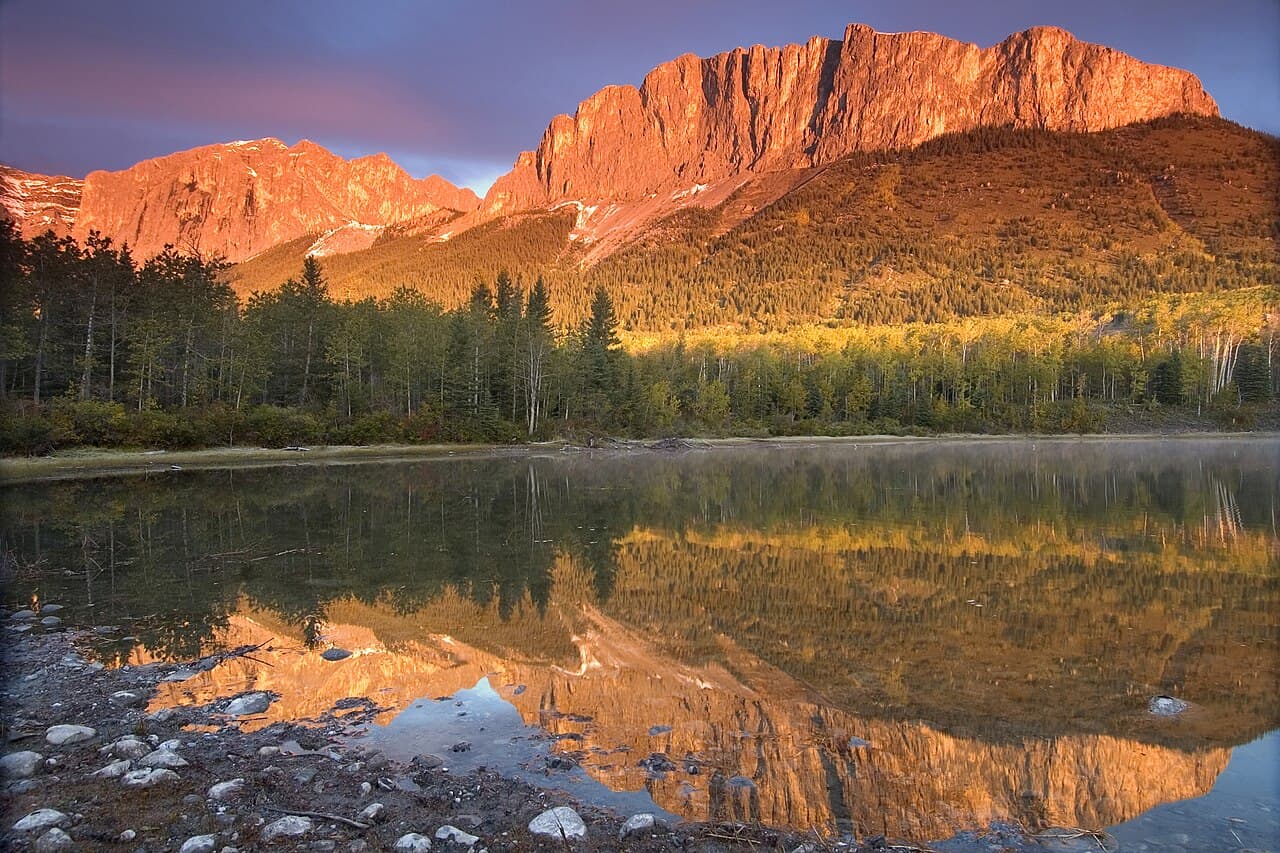
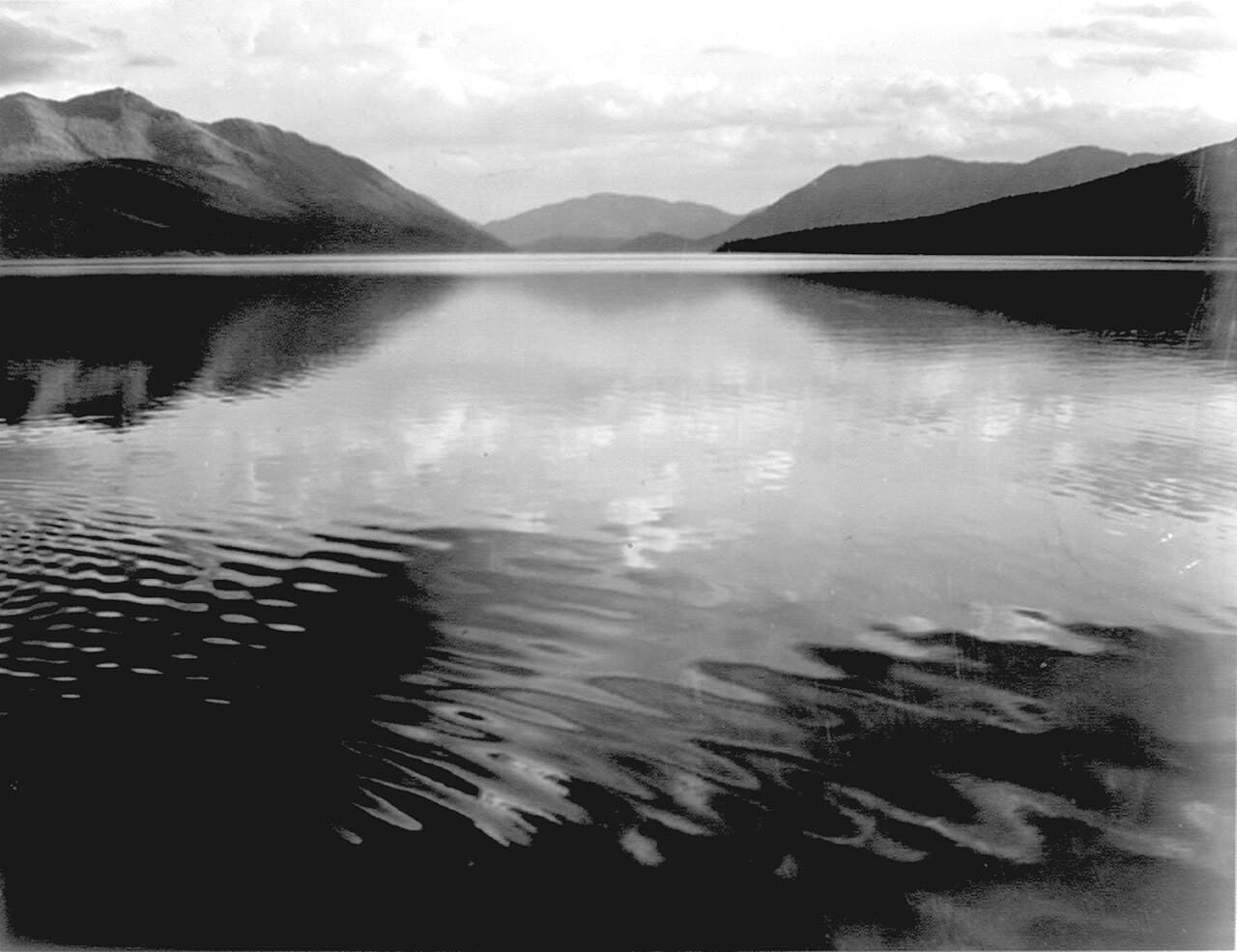
After settling in, ease into the trip with a slow lap around Lake Como's accessible shoreline — the water sits blue-green and still, mirroring granite peaks that seem to rise straight from the shallows. This is an easy, low-stakes introduction to the valley's scale: no strenuous trail, just cool pine-scented air and the soft lap of water against the shore.

Lake Como
Chuck Szmurlo (talk · contribs) / wikimedia (CC BY 3.0)
Head to the north shore tree line for a still-water reflection shot; the light softens nicely in late afternoon.
Flat, wheelchair-accessible path along much of the shoreline; benches are sparse, so bring a portable seat if you plan to linger.
5 min walk — A short stroll along the same shoreline path, now nearly empty as day visitors head out.
5:00 PM - 5:30 PM
Lake Como · evening · 30 min · Hamilton Downtown & Lake Como

Linger a little longer as the crowds thin and the light turns golden across the water — a quiet close to a travel day, with the peaks catching the day's last warm color.

Lake Como
Chuck Szmurlo (talk · contribs) / wikimedia (CC BY 3.0)
The west-facing shoreline is the spot for dusk peak silhouettes — arrive by 5pm for the best color.
Same flat, accessible path as earlier in the day.
If it rains: If afternoon storms roll in, cut the lake visit short and spend the extra time exploring Hamilton's walkable historic main street on foot instead.

Travel and arrival occupy the morning — settle into lodging, get oriented on the valley's layout, and take it slow after the drive down from Missoula or Bozeman.

Head to Lake Como for an easy, low-energy first outing. The gentle shoreline path and accessible terrain make it a perfect low-pressure way to acclimate to the valley's alpine air and open sky, without pushing the pace on day one.

Stay at the lake a little longer as the crowds clear and the light goes gold, then head back into Hamilton to settle in for the night — an early one, since restaurants and the town's rhythm both wind down by 9 or 10pm.

Alpine Wilderness

Day 2: Into the Wild Heart of Bitterroot National Forest

A full, high-energy day deep in Bitterroot National Forest with significant hiking — plan for up to 6 miles on variable terrain.

Wear
Sturdy hiking boots, moisture-wicking layers, a warm mid-layer for higher elevation, rain shell, sun protection, and a hat.
Budget
$40–60 (packed meals/snacks, minimal on-site spending)
45 min drive — A winding drive south from Hamilton into the forest, windows down, the valley narrowing as peaks close in on either side.
6:30 AM - 10:30 AM
Bitterroot NF · morning · 240 min · Bitterroot National Forest & High Country

Arrive at the trailhead by 6:30am and the forest belongs almost entirely to you — crisp alpine air, the sound of wind moving through lodgepole pines, and jagged peaks emerging from morning shadow. This is the day's centerpiece: 1.6 million acres of genuine remoteness, ideal for a solo traveler seeking solitude without sacrificing safety on well-marked trails. Carry bear spray, make noise on blind corners, and expect the trailhead lot to fill by mid-morning in peak summer season.
Bitterroot NF
Host, John R Schlieter, Joyce A Forestry Sciences Laboratory (Missoula, Mont.) 1n / wikimedia (Public domain)
If your route includes Trapper Peak or the West Fork valley, aim for early morning light — the granite cliffs backlight beautifully at sunrise before haze builds later in the day.
Trails here are unpaved and uneven with no wheelchair access; choose lower-elevation loops if mobility is a concern.
5 min walk — A short walk back toward the trailhead or a nearby overlook for a proper break in the shade.
10:30 AM - 12:00 PM
Bitterroot NF · midday · 90 min · Bitterroot National Forest & High Country

Break for a trailside lunch and rest at a scenic pullout or creekside spot — the rushing sound of a mountain creek is the only real company you'll need. Take time here to refill water, check your route back, and simply sit with the scale of the landscape.

Bitterroot NF
Host, John R Schlieter, Joyce A Forestry Sciences Laboratory (Missoula, Mont.) 1n / wikimedia (Public domain)
Midday light is flat for distance shots, but close-up creek and forest-floor textures photograph beautifully now.
Look for flatter riverside pullouts if you need an easier midday rest spot.
15 min drive — A short drive between trailhead areas or scenic pullouts, gravel crunching under tires.
12:30 PM - 3:00 PM
Bitterroot NF · afternoon · 150 min · Bitterroot National Forest & High Country

Continue exploring — whether that means pushing further along a scenic driving loop or tackling a second, shorter trail — while the afternoon sun sharpens the ridgelines. This is prime time to watch for wildlife at forest edges, though keep a respectful distance and bear spray at hand.

Bitterroot NF
Host, John R Schlieter, Joyce A Forestry Sciences Laboratory (Missoula, Mont.) 1n / wikimedia (Public domain)
Overlooks along the driving loop offer wide valley shots — pull over rather than shooting from the road.
Scenic pullouts along the drive offer forest views without requiring a hike, a good option if energy is fading.
Optional detour: Lake Como — After Bitterroot NF afternoon session and before returning to Hamilton for the evening
A calm, low-energy stop to decompress after a physically demanding day, with easy shoreline access. Skip if: Skip if the day's hiking has run long or storms are building — better to head straight back and rest.
If it rains: If storms move in, retreat to lower-elevation forest trails which stay passable in light rain, or pivot entirely to the scenic Skalkaho Pass driving loop as a safer, lower-exposure alternative to alpine routes.

Rise early and drive south into Bitterroot National Forest while the light is still low and cool. The trailhead is quiet at this hour — genuine solitude among lodgepole pines and granite peaks, with the day's real physical effort concentrated in these first hours before heat and crowds build.

After a trailside lunch, shift into a second gear — either a shorter loop trail or a scenic drive further into the high country, watching ridgelines sharpen under stronger afternoon light. Energy should still be moderate to high here; save true winding-down for evening.

Head back into Hamilton as the light softens, muscles tired in the good way that a full day outdoors leaves behind. Keep dinner simple and early — the valley's rhythm favors rest after a day like this, and restaurants close early regardless.

Wildlife & Wetlands

Day 3: Wetlands, Wings, and Wide Valley Light

A moderate-energy day exploring Lee Metcalf National Wildlife Refuge near Darby, with an easy 3-4 mile walking total.

Wear
Waterproof or sturdy walking shoes (trails get muddy), a brimmed hat, binoculars if you have them, and light layers for cool refuge mornings.
Budget
$30–50 (light meals, minimal activity costs)
30 min drive — A quiet morning drive south toward Darby, valley floor opening wide on both sides of the road.
7:00 AM - 9:00 AM
Lee Metcalf NWR · morning · 120 min · Lee Metcalf Refuge & South Valley

Arrive at the refuge by 7am, when sandhill crane calls carry across still wetland air and the mountains stand sharp against a low sun. This is the quietest, most rewarding window for wildlife viewing — eagles, waterfowl, and the occasional deer move through the cattails while the day is still cool. Solo travelers will find this an easy, contemplative stop: flat-ish trails, few people, and no real physical demand after yesterday's forest push.

Lee Metcalf NWR
U.S. National Park Service, restoration/cleanup by National Park Maps (https://npmaps.com) / wikimedia (Public domain)
The auto tour viewing platforms overlooking the main wetland pools are the best bet for wide shots with mountains in the background — come at sunrise for the softest light.
Trails are unpaved and can be muddy underfoot; the auto tour route offers viewing without requiring a full walk.
10 min walk — A short walk from the viewing platforms to the ridge trailhead, cattails rustling underfoot on the breeze.
9:15 AM - 10:45 PM
Lee Metcalf NWR · midday · 90 min · Lee Metcalf Refuge & South Valley

Push further along the ridge trail for wider vistas — mountains framing the wetlands from a slightly elevated vantage — before the midday heat and any weekend crowds build. Bring water; there's little shade along this stretch.

Lee Metcalf NWR
U.S. National Park Service, restoration/cleanup by National Park Maps (https://npmaps.com) / wikimedia (Public domain)
The ridge trail vistas work well mid-morning, once the sun has cleared the eastern peaks but before the light turns flat and white at noon.
This section is less flat than the auto tour route; those with mobility concerns should stick to the lower viewing platforms instead.
Optional detour: Lake Como — After Lee Metcalf NWR and before returning to Hamilton for the evening
A convenient, familiar stop to unwind by the water on the drive back north if energy allows. Skip if: Skip if you already visited on Day 1 and prefer to spend the afternoon resting in town or exploring Hamilton's shops instead.
If it rains: The refuge remains accessible in rain — trails get muddy but wildlife activity often increases in overcast conditions, so don't cancel outright; just bring waterproof boots and a rain shell.

Drive south toward Darby while the valley is still cool and quiet, arriving at Lee Metcalf National Wildlife Refuge for the best wildlife-watching window of the day. Sandhill cranes, eagles, and waterfowl move through the wetlands as the sun climbs, and the pace here is deliberately gentle after yesterday's forest exertion.

Extend the morning's momentum with a walk along the ridge trail for elevated valley views before the heat sets in, then ease back toward Hamilton for a slower afternoon — browsing the town's galleries and shops, or simply resting after two active days.

Keep the evening low-key: an early dinner in Hamilton and a quiet walk through the historic main street as shops close up for the night, the mountains fading to silhouette behind the rooftops.

Departure & Reflection

Day 4: Last Light on the Valley

A light, low-mileage final day revisiting favorite moments in Hamilton and Lake Como before departure, under 2 miles total.

Wear
Comfortable travel clothes, a light layer, and sun protection for a final outdoor stop.
Budget
$40–60 (final meals, any last souvenirs)
7:30 AM - 9:00 AM
Lake Como · morning · 90 min · Hamilton Downtown & Lake Como

Return to Lake Como one last time — arrive by 7:30am and it's nearly silent, just the granite peaks holding their reflection in glassy water. This is the perfect bookend to the trip: the same low-energy, high-beauty stop that opened the journey, now colored by four days of context and familiarity with the valley.

Lake Como
Chuck Szmurlo (talk · contribs) / wikimedia (CC BY 3.0)
Morning light on the eastern granite outcrop is especially striking — arrive before 8am for stillest water and best reflections.
Flat, accessible shoreline path, ideal for an easy final outing before travel.
If it rains: If rain moves in, skip the lake and spend the final morning in Hamilton's downtown shops and galleries instead, staying dry until departure.

Spend one last quiet hour at Lake Como while the morning is still cool and the lot is empty — a fitting close to a trip built around solitude, alpine air, and wide Montana sky.

Use the remaining time for a final walk through Hamilton's historic main street, picking up any last essentials or gifts before the drive back toward Missoula, Bozeman, or Butte.

Depending on flight or drive timing, plan for an early departure — the valley's rhythm and long drive out reward leaving with daylight to spare rather than rushing at dusk.

Want to tweak this trip?

Our AI planner can customize this itinerary to your exact dates, interests, and travel style.

Customize This Itinerary
Good to Know

Restaurant details (hours, menus, availability) change frequently. Check current hours before visiting, especially in seasonal destinations.

Dietary compatibility tags are general guidance. If you have severe allergies, confirm directly with the restaurant.

Travel tips are general guidance, not professional safety advice. Check government advisories for latest information.

All prices are approximate and may vary seasonally.
We use cookies to improve your experience and analyze site usage. Essential cookies are always active. You can customize your preferences or accept all cookies. Cookie Policy