3 DaysSolo Traveler8 Stops

Little Bighorn Battlefield, Montana

3-Day Itinerary for Solo Traveler

“Grass, Wind, and Memory: 3 Days at Little Bighorn”

Grass, Wind, and Memory: 3 Days at Little Bighorn

The grass here holds its breath. Out on this stretch of southeastern Montana, wind moves through native prairie the way it must have on June 25, 1876, and white headstones catch the morning light exactly where men fell. This is a three-day solo pilgrimage paced for reflection — not a checklist, but a slow unfolding of one of America's most consequential and least understood stories.

At a Glance

Climate & Weather
Spring brings mild days, chilly mornings, and unpredictable rain squalls that roll in fast across the open plains. Wildflowers are just emerging in the native grass. Pack layers — a warm base layer, a packable rain jacket, and sturdy shoes that can handle both pavement and uneven prairie ground.
Getting Around
A car is essential — this is a self-drive destination with no public transit. The park road connects Last Stand Hill to the Reno-Benteen site (about 4.5 miles), and most POIs within the Battlefield Core cluster are a short drive or walk apart. Roads are well-maintained but exposed to wind.
Budget
Budget roughly $60–90/day for a solo traveler — entrance fees, a couple of casual meals, coffee, and gas. Lodging in Hardin runs affordable ($$); dining is simple and inexpensive.
Safety
The battlefield is very safe, but it's remote — cell service is spotty to nonexistent in the outer trail sections. Tell your motel or a family member your rough daily plan, especially before walking the Reno-Benteen Trail alone. Watch for sudden weather shifts; thunderheads can build quickly even in spring, and the open terrain offers little shelter.
Connectivity
Expect weak to no signal once off US-212 and within the monument boundary; the visitor center has limited WiFi. Download maps and audio guide content in Hardin or Billings before heading out.
Local Tips
Arrive at opening to have Last Stand Hill nearly to yourself — by mid-morning, tour buses fill the lot. Approach the entire site with the reverence due a sacred space for the Crow and Cheyenne Nations; this is not a battlefield 'attraction' but a place of mourning and memory. Local restaurants close early, so plan dinner before 8pm.

Highlights

  • Sunrise alone on Last Stand Hill before the tour buses arrive
  • Tracing the Reno-Benteen ridge where the wind never stops
  • Standing before the Indian Memorial's honest, dual telling of the battle
  • Wildflowers threading through Monument Grove's headstones in spring bloom
  • Deep-dive museum hours in the visitor center on a rainy afternoon
  • Quiet evenings in Hardin, where small-town Montana still moves at its own pace

Day-by-Day Plan

Settling In, Solemn Welcome

Day 1: Arrival & First Orientation on Sacred Ground

A gentle first day easing into the site's weight — about 2 miles of walking, moderate pace, mostly indoor and flat-path stops to orient before deeper exploration.

Wear
Layered clothing — light jacket, long pants, closed-toe walking shoes, and a packable rain shell in case spring showers roll through.
Budget
$40–55 (entrance fee, casual lunch, coffee, dinner)
9:00 AM - 11:00 AM
Little Bighorn Battlefield National Monument Visitor Center · morning · 120 min · Battlefield Core

Start here — it's the softest possible entry into a heavy place. The exhibits lay out both the Army and Native perspectives with unusual honesty, and the rangers, many with deep ties to the Crow and Cheyenne communities, are generous with context you won't get from a placard alone. Arrive at opening (9am) and you'll have the exhibit halls nearly to yourself before the first tour buses roll in.

Little Bighorn Battlefield National Monument Visitor Center
Photo by MikeDobe on Pixabay
Interior lighting is even and diffuse — good for detail shots of artifacts anytime, but skip the windows until midday when glare fades.
Fully wheelchair accessible, flat paths, frequent benches — the easiest stop of the trip physically.
5 min walk — A short uphill walk on a paved path connecting the visitor center to the hill — you'll feel the wind pick up as you crest the rise.
11:15 AM - 12:30 PM
Last Stand Hill · midday · 75 min · Battlefield Core

Walk up from the visitor center and the ground itself starts talking — white marble markers scattered across a grassy rise, each one noting where a soldier fell. It's a moderate, mostly paved climb, and the wind up here rarely stops. Take it slow; this isn't a photo-op summit, it's a place to stand still for a while.

Last Stand Hill
Scott, Robert Falcon, 1868-1912 Huxley, Leonard, 1860-1933 / wikimedia (Public domain)
Midday light is flat here; if you want the dramatic version, plan a return at golden hour on Day 2.
Wheelchair accessible with paved, flat main paths.
8 min walk — A gentle walk along the ridge trail connecting the two memorials, prairie grass brushing your ankles.
1:30 PM - 2:15 PM
Indian Memorial · afternoon · 45 min · Battlefield Core

A short walk from Last Stand Hill brings you to the memorial honoring the Lakota, Cheyenne, and Arapaho warriors — a necessary counterbalance to the Custer-centric monuments nearby. The circular design and etched narrative panels tell a story the battlefield spent over a century without. Spend real time reading the inscriptions; this is where the site's honesty comes through clearest.

Indian Memorial
Photo by Game_of_pics on Pixabay
Late afternoon sun catches the stone warmly and throws long shadows across the native grasses in the foreground.
Wheelchair accessible with flat paved paths, though benches are sparse — bring water if you plan to linger.
Lunch
KFC $
Fast food/chicken · Near Custer Battlefield / Battlefield Core cluster
Not glamorous, but it's the closest reliable hot meal near the battlefield core and a practical stop between morning and afternoon exploration.
If it rains: Spend extra time in the visitor center — the exhibits are fully indoors and climate-controlled, and rangers often extend informal talks on slow, rainy days.

Ease into the site slowly. The visitor center is the gentlest possible introduction — warm, dry, and unhurried, with exhibits that lay out both sides of the story before you ever set foot on the grass itself. Arriving right at opening means quiet galleries and rangers with time to talk.

After lunch, the pace shifts outdoors. Last Stand Hill demands a slower gait — both physically, on its paved incline, and emotionally, as the scattered gravestones come into view. From there, a short walk to the Indian Memorial completes the day's arc: from military history to the fuller, harder truth of what happened here.

Head back to Hardin as the light softens — small-town motels, modest diners, and an early night. Nothing about this destination rewards a late evening; let the day's weight settle before tomorrow's deeper walk.

Deep Immersion, Physical Walking

Day 2: Ridge Lines and River Wind

The most physically active day — roughly 3.5 miles across the Reno-Benteen Trail and Custer Battlefield grounds, moderate energy, best tackled with an early start.

Wear
Sturdy walking shoes with grip (trail sections can be uneven), a warm layer for the exposed ridge wind, and rain gear — spring showers can move in with little warning.
Budget
$35–50 (breakfast supplies, lunch, gas)
7:30 AM - 9:30 AM
Custer Battlefield · morning · 120 min · Battlefield Core

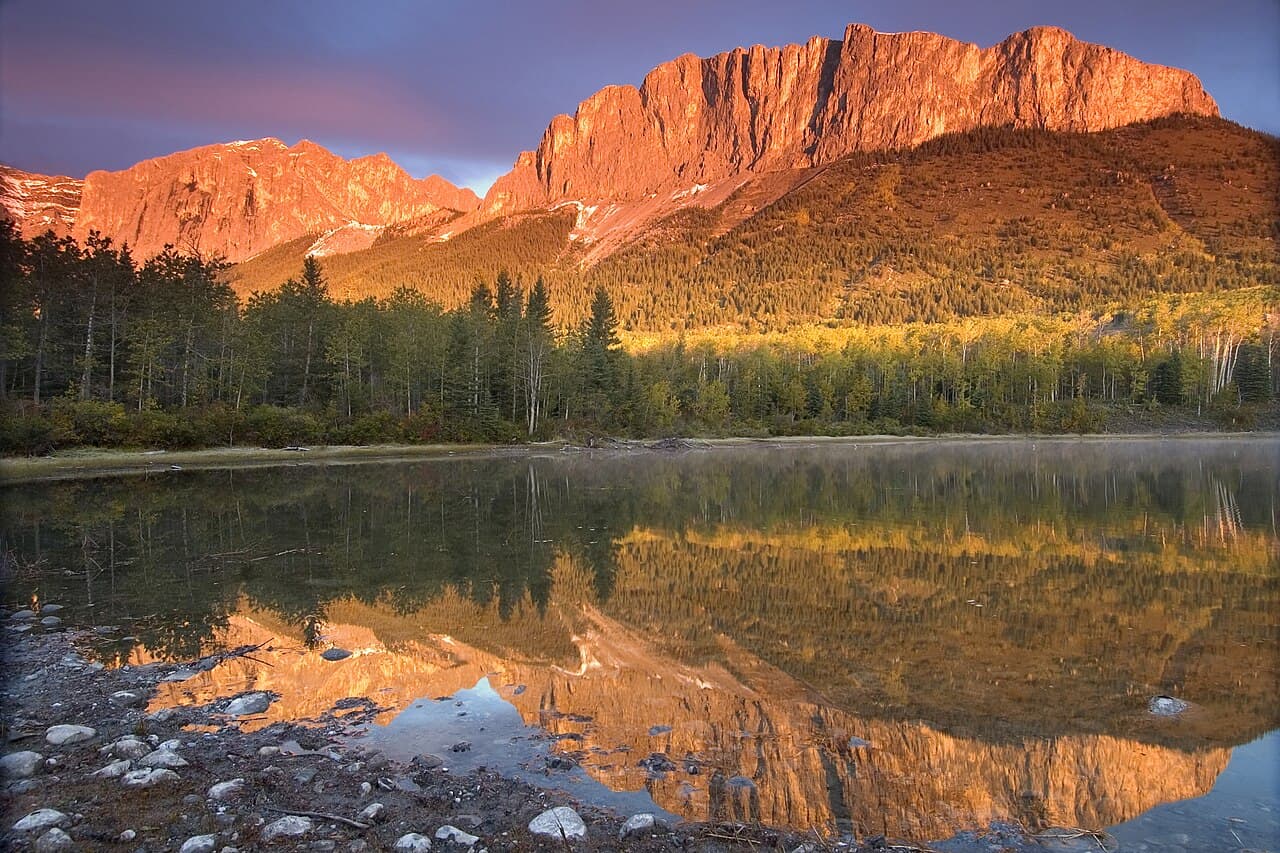
Arrive by 7:30am and the whole hillside is yours — no shuttle buses, no crowds, just wind-rippled grass and the faint hum of an audio guide if you choose one. This is the fuller battlefield experience: interpretive markers trace troop movements across the terrain, and standing here at dawn, with sage on the air, you get a visceral sense of how exposed and vast this ground really was.
Custer Battlefield
Myrick, Herbert, b. 1860 Barry, D. F. (David Francis), 1854-1934 Atwood, K. C Deming, Edward W Fangel, Henry Moorhouse, Lee Walker, W. G Schreyvogel, Charles, 1861-1912 / wikimedia (Public domain)
Sunrise here is the single best photo window of the whole trip — soft gold light raking across the grass and headstones.
Uneven, unpaved sections in places — sturdy shoes recommended; not fully wheelchair accessible.
15 min drive — A short drive along the monument's interior road, prairie rolling by on both sides, with pullouts if you want to stop for a photo of the valley.
10:15 AM - 11:45 AM
Reno-Benteen Battlefield Trail · midday · 90 min · Battlefield Core

A scenic drive along the park road brings you to the southern end of the monument, where the Reno-Benteen Trail traces the ridge where a separate desperate stand played out. It's quieter here — most visitors never make it this far south — and the views over the Little Bighorn River valley are sweeping and a little haunting. The bronze plaques, worn smooth by decades of hands, mark exactly where soldiers dug in.
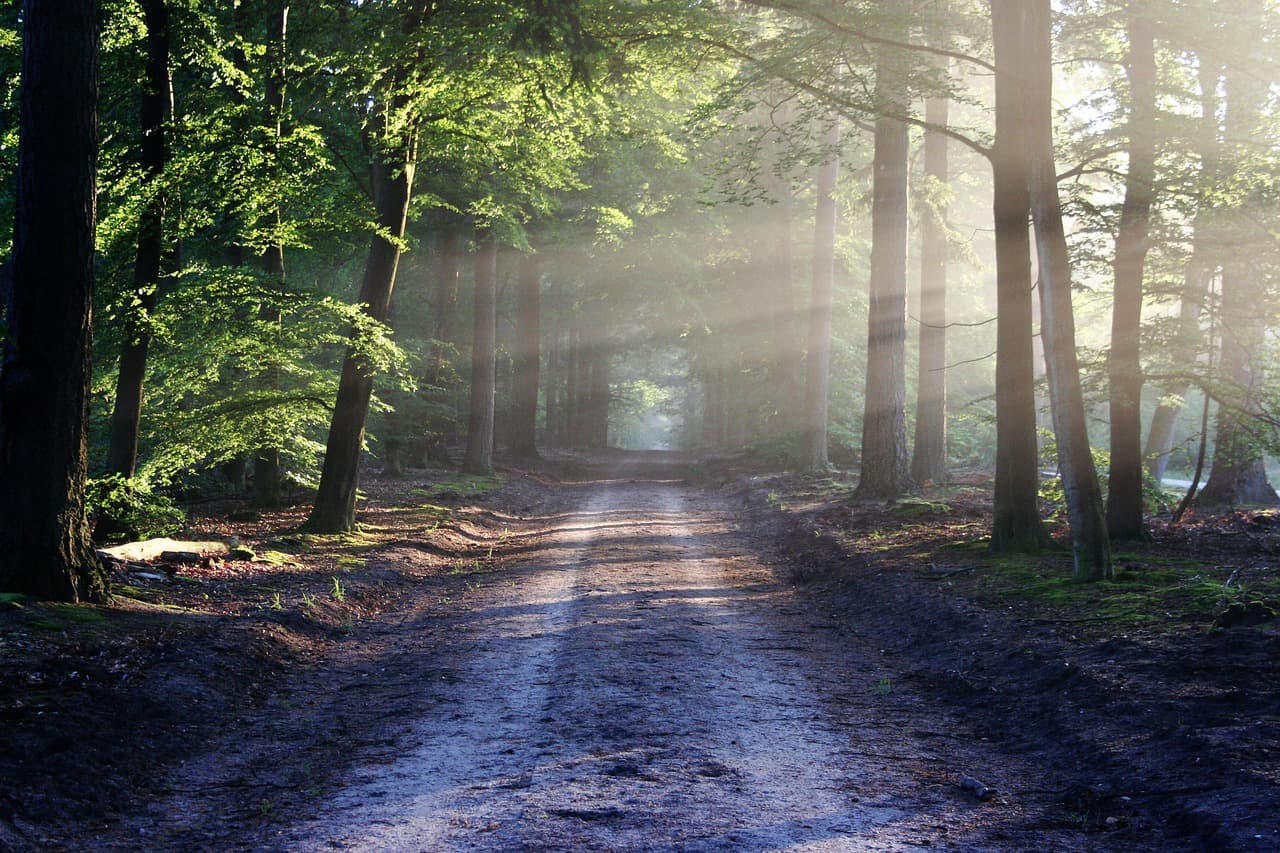
Reno-Benteen Battlefield Trail
Photo by bertvthul on Pixabay
Late morning light works well here for the panoramic vista point near Benteen's position — clear sightlines down to the river bend.
Not wheelchair accessible; trail is unpaved and uneven, with sparse benches — pace yourself and bring water.
15 min drive — Back north along the same park road, retracing the morning's route in reverse as the sun climbs higher.
1:00 PM - 2:30 PM
Little Bighorn Battlefield National Monument Visitor Center · afternoon · 90 min · Battlefield Core

Return to the visitor center for a second, deeper pass now that you've walked the ground itself — the exhibits land differently after a morning on the ridges. It's also simply a good place to rest your legs, warm up if the wind's been biting, and ask rangers questions that occurred to you out on the trail.

Little Bighorn Battlefield National Monument Visitor Center
Photo by MikeDobe on Pixabay
Skip photos here in the afternoon glare through the windows; save your camera for outdoor light instead.
Fully wheelchair accessible, flat paths, frequent benches — a good recovery stop after trail walking.
Breakfast
KFC $
Fast food/chicken · Near Custer Battlefield / Battlefield Core cluster
Limited options this early near the site — consider grabbing coffee and a quick bite in Hardin before heading out, or pack simple trail snacks.
Lunch
KFC $
Fast food/chicken · Near Custer Battlefield / Battlefield Core cluster
A reliable, unfussy refuel point between trail walking and the afternoon visitor center visit.
Optional detour: Last Stand Hill — After Reno-Benteen Battlefield Trail and before returning to the visitor center
A second visit at a different time of day reveals how dramatically the light and mood shift on the hill — worth it if you have energy left. Skip if: If your legs are tired from the Reno-Benteen Trail, skip the repeat visit and save your energy for tomorrow's golden-hour return.
If it rains: If weather turns, shorten or skip the Reno-Benteen Trail (it becomes muddy and slippery) and spend the extra time in the visitor center's covered exhibits instead — a fully indoor, unhurried alternative.

Set an early alarm — the reward is a version of Custer Battlefield almost no one else sees, wind moving through empty grass under a rising sun. This is the day's physical and emotional core, best absorbed slowly and without rushing toward the next stop.

After a scenic drive south, the Reno-Benteen Trail offers a quieter, more solitary walk along a wind-scoured ridge — fewer markers, fewer people, more room to think. By midday, tired legs and a need to warm up make the visitor center's benches and exhibits a welcome recovery stop.

Head back toward Hardin for an early, simple dinner and rest — tomorrow's final day closes the loop with golden-hour photography and a slower, more reflective pace.

Reflection, Farewell

Day 3: Golden Light and Departure

A lighter final day built around golden-hour photography and quiet reflection — under 2 miles of walking, easy pace, timed to flow into departure.

Wear
Warm layers for a cool morning, comfortable shoes, and a rain jacket just in case spring weather shifts before you leave.
Budget
$25–40 (breakfast, coffee, gas for departure)
7:00 AM - 8:15 AM
Last Stand Hill · morning · 75 min · Battlefield Core

Return at first light for the photograph this trip has been building toward — the monument and flagpole catching sunrise gold, the grass and headstones glowing amber, and, most likely, no one else around. After two days of context, standing here one last time feels different: less overwhelming, more like a quiet goodbye.

Last Stand Hill
Scott, Robert Falcon, 1868-1912 Huxley, Leonard, 1860-1933 / wikimedia (Public domain)
This is the golden-hour window the site's photographers wait for — soft raking light across the hilltop crest and monument.
Wheelchair accessible, paved main paths, though morning dew can make edges slick.
8 min walk — The same ridge path from Day 1, but the low morning sun changes everything about how it feels.
8:30 AM - 9:15 AM
Indian Memorial · morning · 45 min · Battlefield Core

One final stop before departure — the memorial in early light, with dew still on the native grasses and the morning quiet enough to actually hear the wind. It's a fitting last note: not the Custer legend, but the fuller, harder history that this whole visit has been circling toward.

Indian Memorial
Photo by Game_of_pics on Pixabay
Sunrise approach shots work best here, with distant ridgelines catching the first light.
Wheelchair accessible, flat paved paths, sparse benches.
Breakfast
KFC $
Fast food/chicken · Near Custer Battlefield / Battlefield Core cluster
Not a destination breakfast, but a practical, fast option if you're eating near the site before an early departure — otherwise, grab something in Hardin before driving out.
Optional detour: Custer Battlefield — After Last Stand Hill and before Indian Memorial, if time allows
A third pass here, this time purely for reflection rather than information, can deepen the sense of closure before leaving. Skip if: If you're on a tight departure schedule, this is the easiest stop to cut since you've already covered it thoroughly on Day 2.
If it rains: If rain rolls in before sunrise, head straight to the visitor center for a final, unhurried look at the exhibits before departure — the golden-hour photos can't be replicated, but the reflection still holds.

Set one more early alarm — this is the payoff morning, with Last Stand Hill bathed in gold and almost entirely silent. From there, a short walk to the Indian Memorial closes the visit on its most honest note, the site's dual history fully absorbed by now.

With the morning's reflection complete, the rest of the day is logistics — a final coffee, a last look back at the ridgeline in the rearview mirror, and the long, scenic drive out via US-212 and I-90 toward Billings or wherever the next leg begins.

However far the day's drive stretches, let the battlefield's stillness travel with you — this isn't a place that wraps up neatly, and it isn't meant to. It's meant to stay with you.

Want to tweak this trip?

Our AI planner can customize this itinerary to your exact dates, interests, and travel style.

Customize This Itinerary
Good to Know

Restaurant details (hours, menus, availability) change frequently. Check current hours before visiting, especially in seasonal destinations.

Dietary compatibility tags are general guidance. If you have severe allergies, confirm directly with the restaurant.

Travel tips are general guidance, not professional safety advice. Check government advisories for latest information.

All prices are approximate and may vary seasonally.
We use cookies to improve your experience and analyze site usage. Essential cookies are always active. You can customize your preferences or accept all cookies. Cookie Policy