3 DaysActive Retirees6 Stops

White Mountains (North/South), New Hampshire

3-Day Itinerary for Active Retirees

Notches & Waterfalls: A Gentle Winter Passage Through the White Mountains

Notches & Waterfalls: A Gentle Winter Passage Through the White Mountains

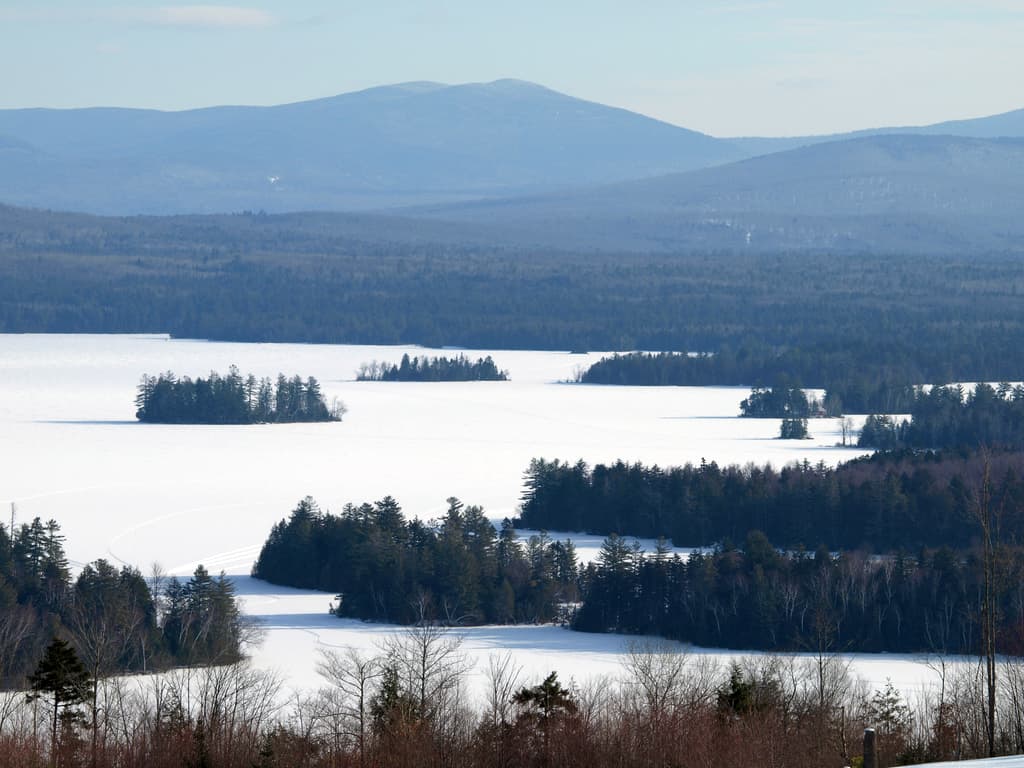
Winter strips the White Mountains down to essentials: granite walls dusted white, rivers running dark and fast beneath ice-lace, and a hush that falls over the notches once the leaf-peepers go home. This is the season to drive slow, stop often, and let the mountains do the talking.

At a Glance

Climate & Weather
Winter in the White Mountains is genuinely cold and can be severe—expect daytime highs in the teens to low 30s°F, heavy snow accumulation (70+ cm monthly Jan–Mar), and icy roads, especially through notch passes. Pack insulated layers, waterproof boots with good tread, a warm hat and gloves, and a windproof outer shell; car should carry an emergency kit and blanket.
Getting Around
A personal or rental car is essential—there is no public transit connecting these clusters, and each day's driving stays within one or two adjoining scenic corridors to avoid backtracking. Roads are generally two-lane and winding; allow extra travel time in winter and never rush blind curves near overlooks.
Budget
Budget roughly $80–120 per person per day for meals and modest activities (parking fees, gorge admission if open seasonally, coffee and pastries)—dining is the main expense here, as most winter scenery is free to view from roadside pullouts.
Safety
Notch roads (Franconia, Crawford, and the Kancamagus) can turn icy quickly in winter—drive slowly, use headlights in low light, and check NH DOT road conditions each morning before departing. Mount Washington's summit and any high-elevation trail are extremely dangerous in winter and are not part of this itinerary's plan; admire the peak from safe, lower vantage points only. Days are short (sunset around 4:30–5pm), so plan outdoor time accordingly and carry a phone with offline maps in case of weak signal in the notches.
Connectivity
Cell coverage is spotty to nonexistent inside the deeper notches (Franconia and Crawford in particular)—download offline maps and let someone know your rough plan for the day. Coverage returns reliably in North Conway, Lincoln, and Woodstock village centers, where most lodging also offers WiFi.
Local Tips
Arrive at any major overlook by 8am and you'll likely have it entirely to yourself; by mid-morning even winter's thin crowds start trickling in. Many smaller cafes and shops reduce hours or close entirely on weekdays in deep winter, so call ahead rather than assume. Locals treat these mountains as backyard, not spectacle—dress like you mean it, move slowly on ice, and you'll fit right in.

Highlights

  • Sunrise stillness at Profile Lake in Franconia Notch
  • Steam rising off the Saco River against snow-covered cliffs in Crawford Notch
  • Golden-hour light raking across the Kancamagus Highway's frozen pullouts
  • Relaxed pace with flat-path options and bench-friendly overlooks
  • Hearty New England dining after each day's mountain air
  • Low winter crowds mean nearly private viewpoints before 9am
  • Three iconic mountain passes without a single rushed moment

Day-by-Day Plan

Arrival & Alpine Stillness

Day 1: First Light in Franconia Notch

A gentle orientation day within Franconia Notch, with two low-exertion viewpoint stops and an easy pace to settle into the mountain rhythm; total walking under 1 mile.

Wear
Insulated waterproof boots, thermal base layers, windproof coat, warm hat and gloves—roadside stops mean standing still in cold wind longer than you'd expect.
Budget
$70–90 per person (meals and coffee; no paid attractions today)
8:00 AM - 9:30 AM
Franconia Notch · morning · 90 min · Franconia Notch & The Flume

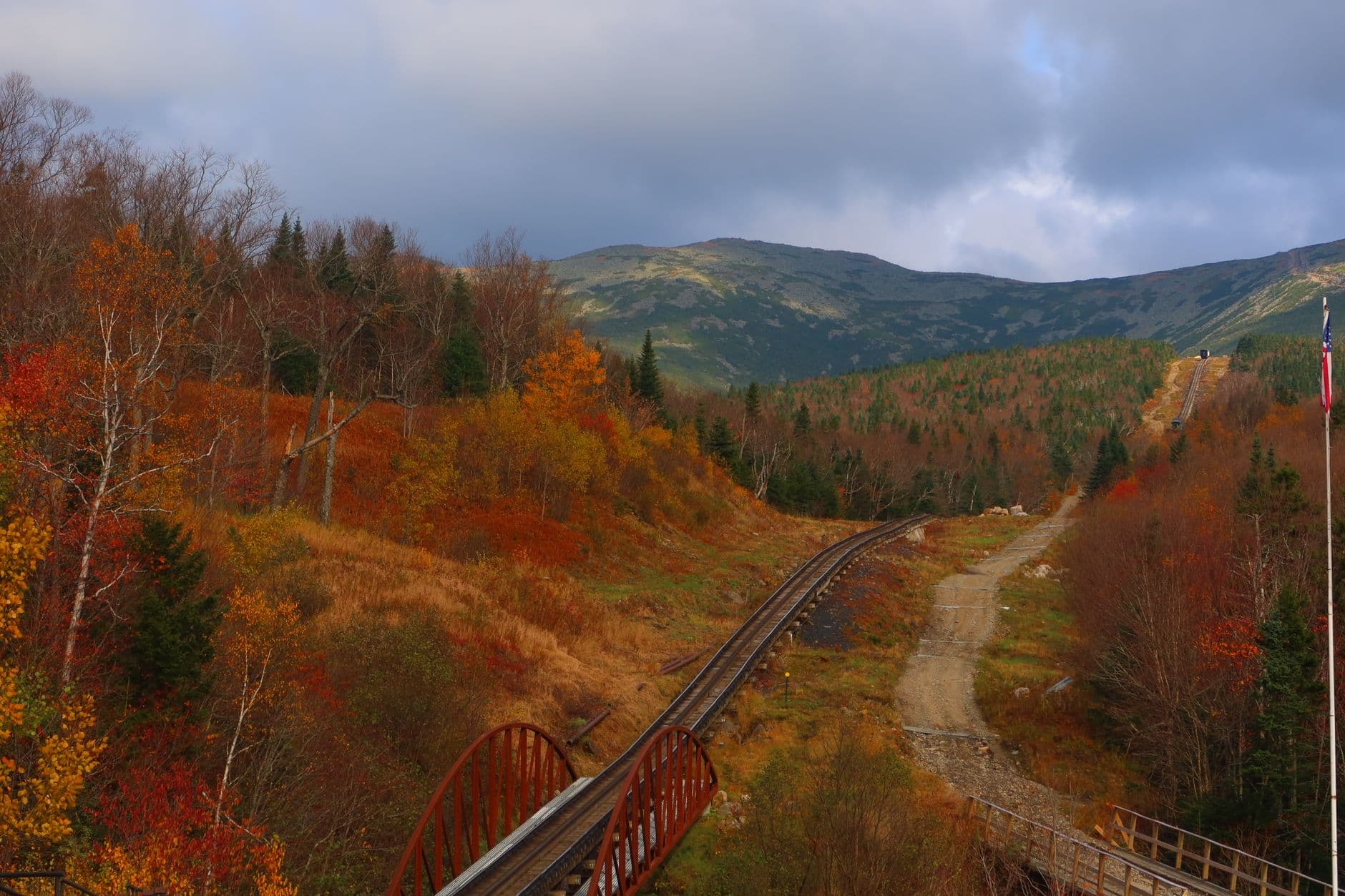
Arrive by 8am and the notch is yours—no traffic hum yet, just cold air tinged with balsam fir and the granite walls holding their night shadows a little longer. Profile Lake's shoreline offers a flat, short stroll to the water's edge where, ice permitting, Cannon Mountain's cliffs mirror back in perfect stillness. This is the softest possible introduction to the region: no strenuous walking, just scale and quiet doing the work.

Franconia Notch
Paleontological Research Institution (Ithaca, N.Y.) Columbia University / wikimedia (Public domain)
Shoot Profile Lake just after sunrise when the water is glassy and the light hits the eastern ridge—by 10am the wind usually picks up and ripples the reflection.
Profile Lake shoreline path is flat but can be icy in winter; sturdy, gripped footwear is essential, and benches are sparse—plan a shorter visit if standing for long periods is uncomfortable.
10 min driveA slow crawl along the Parkway with Cannon's cliffs looming closer through the windshield with each curve.
10:00 AM - 11:00 AM
Franconia Notch · midday · 60 min · Franconia Notch & The Flume

A short drive further along the Parkway brings you to the pullouts near Cannon Mountain's cliffs, where the vertical rock faces catch a different angle of late-morning light. This second stop within the same cluster keeps the day unhurried—no new terrain to learn, just a change of vantage point and a chance to warm up in the car between short walks to the railings.

Franconia Notch
Paleontological Research Institution (Ithaca, N.Y.) Columbia University / wikimedia (Public domain)
Afternoon light rakes across the cliff faces here, but even at midday in winter the low sun angle gives dramatic shadow lines—worth the stop regardless of hour.
Roadside pullouts have uneven, sometimes icy footing; short visits from the car window are entirely reasonable if mobility is a concern.
Optional detour: Echo Lake scenic overlookAfter Profile Lake and before the Cannon Mountain cliff pullouts
An east-facing view of Franconia Ridge with a chance at a still reflection if the lake isn't fully frozen adds a second, quieter perspective on the same mountains. Skip if: If the morning cold is biting or time is short, this is easily folded into tomorrow's drive instead—the ridge view repeats from other notch vantage points.
If it rains: If snow or freezing rain moves in, the Parkway itself remains driveable and still scenic through the windshield; consider the Cannon Mountain ski lodge visitor center for a warm indoor pause with mountain views, or explore Lincoln's shops and cafés until conditions clear.

The first morning asks nothing strenuous of you—just an early arrival at Profile Lake while the notch still holds its overnight hush. Cold air carries the scent of fir, the water lies still enough to mirror the cliffs above, and there's no rush to move on. This is orientation, not exertion: a chance to feel the scale of the place before the itinerary asks more of you.

After a second, easy stop at the Cannon Mountain cliff pullouts, the early afternoon opens up for settling into lodging, a slow lunch in town, and simply adjusting to mountain time. Keep expectations low today—arrival days are for acclimating, not achieving.

As the short winter daylight fades by mid-afternoon, retreat indoors well before dusk. Evening in North Conway, Lincoln, or wherever you've based yourself is quiet this time of year—an early dinner and a warm room are the entire agenda, with tomorrow's Crawford Notch drive waiting patiently.

Notch Drama & River Song

Day 2: Steam, Stone, and the Saco River

A moderate day centered on Crawford Notch's dramatic overlooks, viewing Mount Washington safely from below rather than ascending—total walking under 1 mile with several seated rest points.

Wear
Layered winter gear as before, plus sunglasses for glare off snow and ice; bring a thermos of something warm for the overlooks, where wind can cut sharply even on clear days.
Budget
$80–100 per person (meals plus fuel for the longer drive)
50 min driveRoute 302 winds south and east through quieter forest, with occasional glimpses of frozen streams flashing past the treeline—a good midpoint stretch to break up the drive is any of the Saco River pulloffs south of the height of the notch.
8:30 AM - 9:30 AM
Crawford Notch · morning · 60 min · Crawford Notch & Mount Washington

Arrive by 8:30am and the notch overlook near Crawford Depot is silent but for the Saco River threading its way over ice-rimmed boulders below. Steep granite walls rise on both sides, dusted white, holding the morning's blue shadow longer than the valley floor. This is a drive-through-with-stops kind of morning—no trail required, just a handful of roadside pauses where the drama of the landscape does all the work.

Crawford Notch
Shipp, John Edgar Dawson, 1858- [from old catalog] / wikimedia (Public domain)
The Crawford Depot overlook composition—cliff and river together—works best in the flat light of mid-morning, when snow glare is softened but shadows haven't fully retreated.
Roadside pulloffs along Route 302 are accessible by car with short, sometimes icy walks to the railing; benches are sparse, so plan brief stops rather than lingering.
15 min driveA short hop further along Route 302, the road opening up to wider valley views as the peak comes into sight ahead.
10:00 AM - 11:00 AM
Mount Washington · midday · 60 min · Crawford Notch & Mount Washington

Rather than attempting any ascent—rightly out of season and out of scope for this pace—this stop is about viewing New England's highest peak safely from a lower vantage within the same cluster, its summit often wreathed in cloud or blowing snow even when the valley is calm. It's a chance to appreciate the mountain's reputation for extremes without any of the risk, and a natural pairing with the morning's notch views rather than a full separate excursion.

Mount Washington
Photo by Austin Sullivan on Pexels
If the summit is visible at all in winter, it's usually clearest in the hour after sunrise or before sunset—midday often brings cloud buildup, so treat any clear view as a bonus.
This is a viewing stop only, appropriate for all mobility levels since no trail or ascent is involved; simply pull off safely where sightlines allow.
Optional detour: Saco Lake viewpointAfter the Crawford Depot overlook and before the Mount Washington viewing stop
On a clear day, Saco Lake can offer a rare still reflection of Mount Washington itself, tying the morning's two stops together visually. Skip if: If the lake is fully iced over and overcast skies erase the reflection, this stop adds little beyond what's already seen at Crawford Depot—skip without regret.
If it rains: If snow intensifies or visibility drops, the notch drive itself remains passable at reduced speed—mist and light snow can actually intensify the drama around Arethusa Falls (visible from a distance in winter conditions), but if roads feel unsafe, retreat to Lincoln or North Conway for an indoor afternoon rather than pushing forward.

Morning in Crawford Notch is about sound as much as sight—the Saco River doesn't quiet down for winter, and its rush against ice-crusted stone fills the narrow pass even when the wind is still. Stops are brief and unhurried, timed to avoid standing too long in the cold, with the drive itself doing much of the sightseeing.

By late morning, shift attention toward Mount Washington's presence rather than its trails—a respectful, ground-level appreciation of a mountain that has claimed lives even in summer. This is followed by a relaxed lunch back toward town, giving the body a chance to warm up properly after two cold-air stops.

With daylight fading fast this time of year, plan to be off the notch roads well before dusk. A warm dinner and an early evening indoors suits the day's rhythm—tomorrow's Kancamagus drive is gentler still, and there's no need to push the pace tonight.

Forest Canopy & Farewell Light

Day 3: The Long Golden Drive Home

The lightest day of the trip, a leisurely drive along the Kancamagus Highway with a single relaxed stop, ideal for a slow farewell to the mountains before departure; total walking under half a mile.

Wear
Same winter layering as prior days, though slightly less exposure to wind expected since forest cover shelters much of the route; comfortable low-traction-risk footwear for brief pullout stops.
Budget
$60–80 per person (breakfast, lunch, and fuel)
45 min driveA calm morning drive west and south, the road narrowing into denser forest as the previous day's notch views give way to unbroken tree cover.
9:00 AM - 11:00 AM
Kancamagus Highway · morning · 120 min · Kancamagus Highway Loop

Arrive by 9am for a highway that, in winter, feels almost entirely reclaimed by forest and silence—spruce and birch flank the road in white-shouldered ranks, and pullouts that overflow with cars in foliage season sit empty now. This is the most relaxed stop of the whole trip: no urgency, no crowds, just a slow procession of valley overlooks and the scent of cold pine each time you step out of the car.

Kancamagus Highway
United States. Department of Agriculture. Office of Information / wikimedia (Public domain)
The scenic overlooks between mile 20–25 catch wide valley light best in mid-morning, when low winter sun slants across the ridgelines without the harsh glare of midday.
Pullouts along the highway are roadside and generally flat near the guardrails, though snow accumulation may narrow safe standing room—check footing before lingering.
Optional detour: Sabbaday Falls overlook pulloutPartway through the Kancamagus Highway drive, roughly mile 16–17
Even without a full hike to the falls themselves, the overlook offers a satisfying pause and a sense of the forest's deeper character. Skip if: If road conditions are icy or the group prefers to keep the drive continuous and unhurried, this can be skipped in favor of simply enjoying the drive itself.
If it rains: If snow or rain limits visibility, the highway remains driveable at a slower pace—mist tends to soften the forest into a moody, atmospheric scene rather than ruining the experience, though foliage-season vibrancy won't be present in winter regardless.

The final morning is deliberately unhurried—Kancamagus Highway in winter asks nothing of you but to drive slowly and look. Forest closes in on both sides, hushed under snow, and each pullout offers a few quiet minutes before continuing on.

With no second major stop scheduled, the early afternoon is left open for a relaxed lunch in Lincoln or North Conway and time to pack at a comfortable pace before departure—there's no benefit to rushing on a day meant to close the trip gently.

Departure timing will depend on travel plans, but if there's time for one last look before leaving, a final pass along any notch road at golden hour makes a fitting farewell—the mountains holding their color a little longer than expected, then fading to blue as the drive turns toward home.

Want to tweak this trip?

Our AI planner can customize this itinerary to your exact dates, interests, and travel style.

Customize This Itinerary
Good to Know

Restaurant details (hours, menus, availability) change frequently, especially in winter when many establishments reduce hours or close entirely. Check current hours before visiting.

Dietary compatibility tags are general guidance. If you have severe allergies, confirm directly with the restaurant before dining.

Travel tips are general guidance, not professional safety advice. Mountain weather changes rapidly—check current road and trail conditions and government advisories before any outdoor activity.

All prices are approximate and may vary seasonally, especially around holiday periods and winter storm surges in demand.
We use cookies to improve your experience and analyze site usage. Essential cookies are always active. You can customize your preferences or accept all cookies. Cookie Policy