Pine Barrens (East/Central), New Jersey
2-Day Itinerary for Solo Traveler
“Sandy Roads & Dark Water: Two Days in the Pine Barrens”
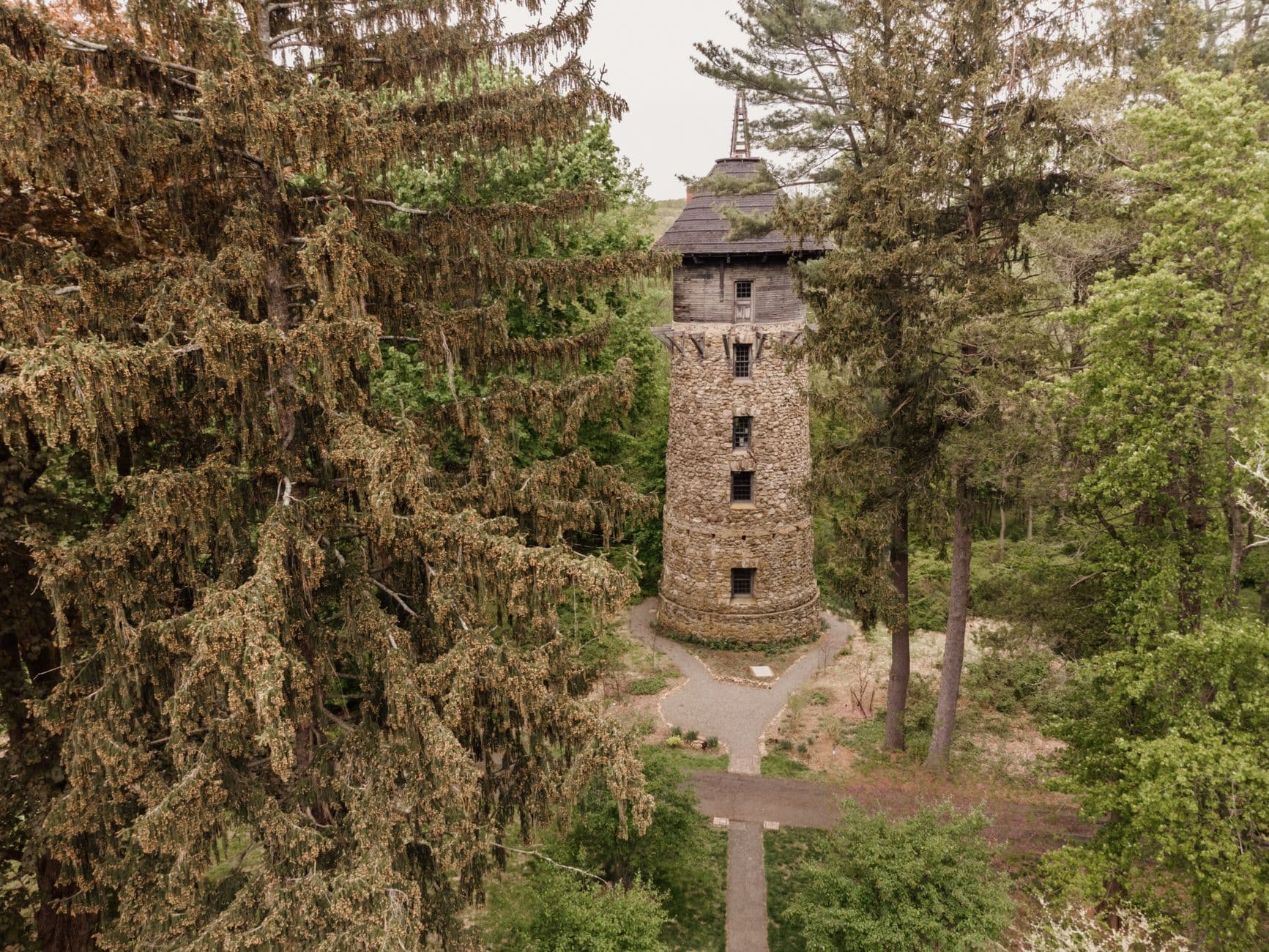
Somewhere past the last strip mall, the pines close in and the road turns to sand — this is the Pine Barrens, a million-acre wilderness where cedar water runs the color of strong tea and ghost towns dissolve back into the forest. Spring here means wildflowers pushing through last year's needles, mist rising off cranberry bogs at dawn, and just enough solitude to hear yourself think.
At a Glance
Highlights
- Wander the frozen-in-time ironworks village of Batsto at golden hour
- Paddle the tannin-dark Oswego River through cedar swamp silence
- Search out the crumbling foundations of the legendary Ong's Hat ghost town
- Watch mist lift off Wharton State Forest's bogs in the early morning
- Taste cranberry-driven farm fare on the region's agricultural edge
- Photograph pitch pines backlit against big open Pinelands sky
Day-by-Day Plan
Day 1: Arrival and the Ironworks Village
A gentle first day easing into Barrens time with a slow walk through Batsto Village and a light forest introduction, covering roughly 2–3 miles on flat, easy terrain.
Arrive by 8:30 and the village belongs to you — gravel crunching underfoot, the mansion's brick facade catching low gold light, no tour groups yet to crowd the porches. Wander the restored ironworks buildings at your own pace, step into the cool hush of the mansion interior, and let the birdsong and distant lake fill in the quiet; by 10am the parking lot starts filling and the spell thins a little.
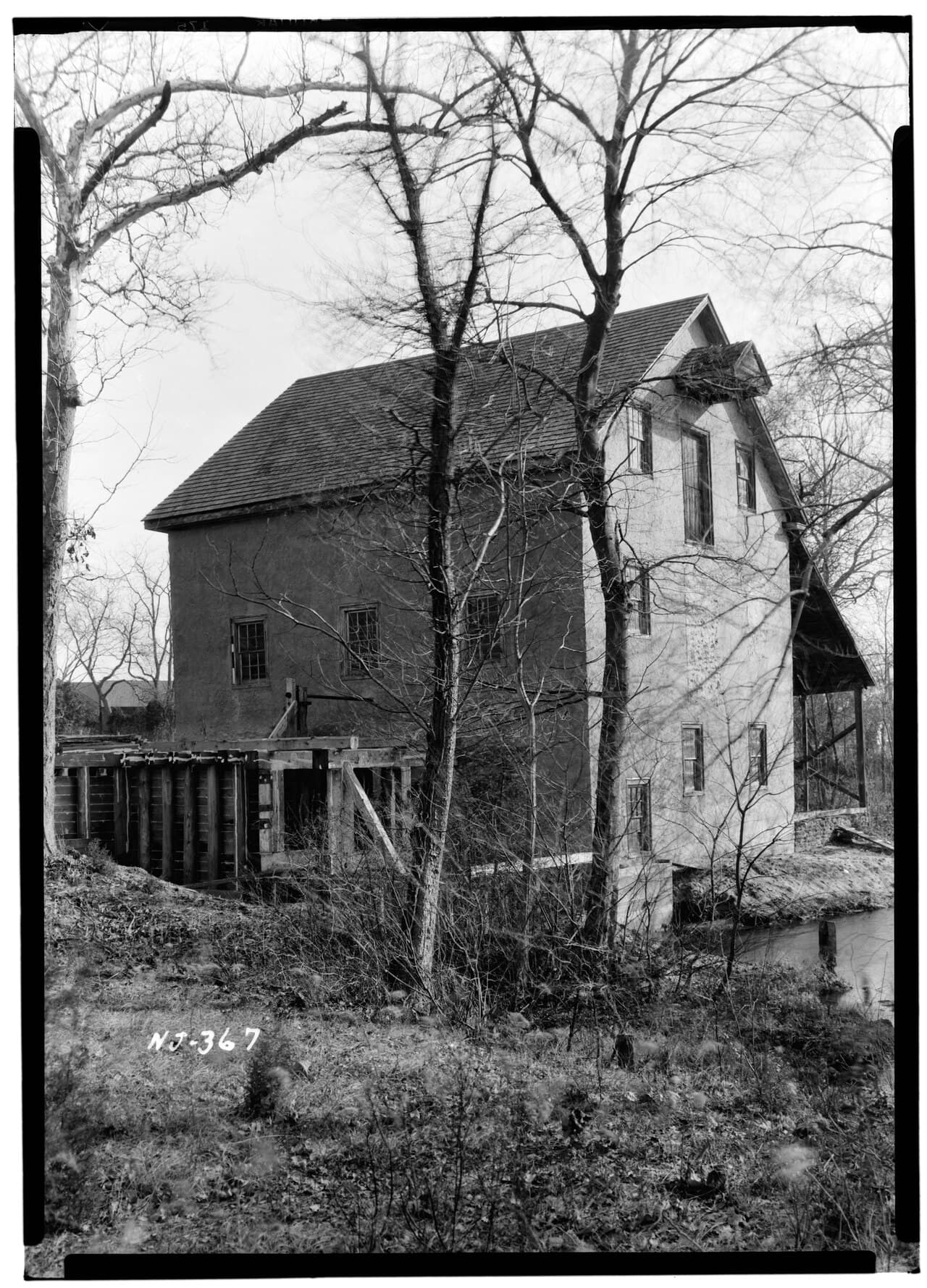
Loop out toward the lake and cemetery rise for the second half of the visit — quieter corners of the site where the crowd thins even on a busy day. The lake holds the sky like a dark mirror, and the view back toward the village from the rise puts the whole scene — mansion, forest, water — into one frame.
The day opens slow and easy, easing a solo traveler into Barrens rhythm without rushing anywhere. Arrive at Batsto Village early — the light is soft, the gravel paths are empty, and the restored 18th-century ironworks community feels almost suspended in time. This is a low-effort, high-reward start: no strenuous walking, just the quiet pleasure of exploring at your own pace.
Midday stays gentle and unhurried. After finishing the loop around the lake and cemetery rise, there's room to simply sit by the water, journal, or people-watch as the crowd slowly builds through late morning. Consider packing a light picnic to enjoy lakeside, since dining options directly on-site are limited — plan any hot meals around Hammonton a short drive away instead.
Head toward Hammonton or your lodging as afternoon light softens, giving the body and mind a full rest before tomorrow's more active day in Wharton State Forest. Since options directly in the Barrens are sparse after dark, settle into wherever you're staying — a cabin, campground, or a room on Hammonton's edge — and let the evening be as quiet as the forest itself. Turn in early; tomorrow starts before sunrise.
Day 2: Deep Woods and Dark Water
A fuller, moderately active day covering roughly 4–5 miles between forest trails and canoe distance, moving deeper into Wharton State Forest's backcountry.
Enter before 7:30am and the forest is doing its quietest, most private work — mist still clinging to the bogs, red-tailed hawks calling overhead, the sandy road unspooling ahead with almost no one else on it. This early window is when the cedar swamps look most otherworldly, dark water threading between twisted trunks, and it's the best chance for solitude before weekend paddlers and day-trippers arrive.

Almost no one comes here, which is exactly the point — brick foundations sink into vines, pine needles blanket the ground in total silence, and the ghost-town legends feel entirely believable in the dappled shade. This is an ideal solo-traveler stop: eerie, contemplative, and safe in daylight, though it rewards slow, careful footing over uneven ground.
Slide the canoe into water so dark and still it mirrors the cedar canopy overhead, paddle strokes swallowed by an almost total hush broken only by the occasional heron lifting off the bank. Weekday midday keeps the trail nearly empty, and this stretch of river is one of the most solitary, meditative experiences in the entire region — a genuine highlight for a solo traveler seeking quiet over company.

Set an early alarm for this one — the forest at dawn is a different place entirely, mist hanging over the bogs and almost no other visitors on the sandy roads. After the quiet immersion of Wharton's early trails, the short detour to Ong's Hat rewards curiosity with genuine ghost-town atmosphere, brick foundations swallowed by vines in total silence.
The pace shifts from walking to paddling as the day's energy peaks on the Oswego River — a slower, more physical but deeply calming stretch on dark tannin water beneath overhanging cedars. Since dining options inside the forest interior are sparse, it's worth planning to eat before entering or after exiting rather than expecting anything on-site; pack water and snacks for the paddle itself.
By the time the canoe comes out of the water, fatigue will be good and earned — plan the drive back toward Hammonton or lodging while there's still daylight, since sandy roads are easier to navigate before dusk. Let the evening wind down slowly, the day's silence still settling in, and consider an early night after two full days moving at the Barrens' own unhurried pace.
Want to tweak this trip?
Our AI planner can customize this itinerary to your exact dates, interests, and travel style.
Customize This ItineraryRestaurant and vendor details change frequently, especially in remote or seasonal areas like the Pine Barrens. Confirm current hours and availability before relying on any specific location for meals.
Dietary compatibility information is general guidance only. Travelers with severe allergies or specific dietary needs should confirm directly with any food vendor before ordering.
Safety notes are general guidance, not professional advice. Check current New Jersey state park advisories, hunting season dates, and weather conditions before heading into the Pine Barrens.
All prices are approximate estimates and may vary seasonally or by vendor availability.