Wichita Mountains National Wildlife Refuge, Oklahoma
2-Day Itinerary for Solo Traveler
“Granite, Grass & Solitude: Two Days Alone in the Wichitas”
Granite domes rise suddenly out of the Oklahoma grassland like something ancient surfacing for air, and in spring the prairie around them erupts in wildflowers while bison move through the bluestem like slow weather. This is solo travel at its most restorative: wide-open trails, no itinerary to coordinate with anyone else, and the kind of silence that makes you hear your own footsteps.
At a Glance
Highlights
- Sunrise summit of Mount Scott with the prairie unrolling in every direction
- Walking distance from grazing bison herds on the Bison Prairie Trail
- Granite monoliths mirrored in Quanah Parker Lake at golden hour
- The surreal biblical architecture of Holy City rising from the scrub oak
- Wildflower-strewn trails and mild spring air, minus the summer crowds
- Solo-friendly pacing with flexible mornings and plenty of photography time
What do 2 days in Wichita Mountains National Wildlife Refuge look like for solo travelers?
5 stops across 2 days, about 7 hours of sightseeing in all. The rest is yours for long lunches and unplanned detours.
| Day | Stop | Area | Suggested time | Typical visit |
|---|---|---|---|---|
| Day 1 | Mount Scott | Mount Scott & Eastern Ridges | 7:00 AM - 8:30 AM | 1 hr 30 min |
| Day 1 | Wichita Mountains Wildlife Refuge Visitor Center | Mount Scott & Eastern Ridges | 9:00 AM - 10:00 AM | 1 hr |
| Day 1 | Bison Prairie Trail | Mount Scott & Eastern Ridges | 11:00 AM - 12:15 PM | 1 hr 15 min |
| Day 2 | Holy City | Holy City & Western Wilderness | 8:30 AM - 10:30 AM | 2 hr |
| Day 2 | Quanah Parker Lake & Scenic Drive | Holy City & Western Wilderness | 12:30 PM - 1:15 PM | 45 min |
Each day opens as a route in Google Maps; the map file drops every stop into Google My Maps or an offline map app.
Day-by-Day Plan
Day 1: First Light on Granite: Mount Scott & the Bison Range
A gentle-paced orientation day covering roughly 3.5 miles on foot, anchored by a sunrise summit and an easy prairie walk among bison, with low cognitive load to ease into the trip.
Arrive while the air still holds its overnight chill and the summit road is nearly empty—by 7am you'll likely share the paved ascent with just a handful of other early risers, if anyone at all. At the top, granite stretches out under your boots as the sun climbs over a 360-degree sweep of sage-brush flats and distant peaks, the wind cutting clean across the exposed ridge. This is the kind of solitary vista that rewards solo travelers especially: no one to rush, just you, the rock, and the long view.
After the exertion of the summit, ease into the cool, air-conditioned calm of the visitor center, where panoramic windows frame the same granite ridges you just stood atop. Rangers here are a great resource for solo travelers—ask about current trail conditions, recent bison sightings, and any weather concerns before heading further into the refuge. It's also a natural spot to strike up conversation with fellow visitors comparing notes on the morning's hike.
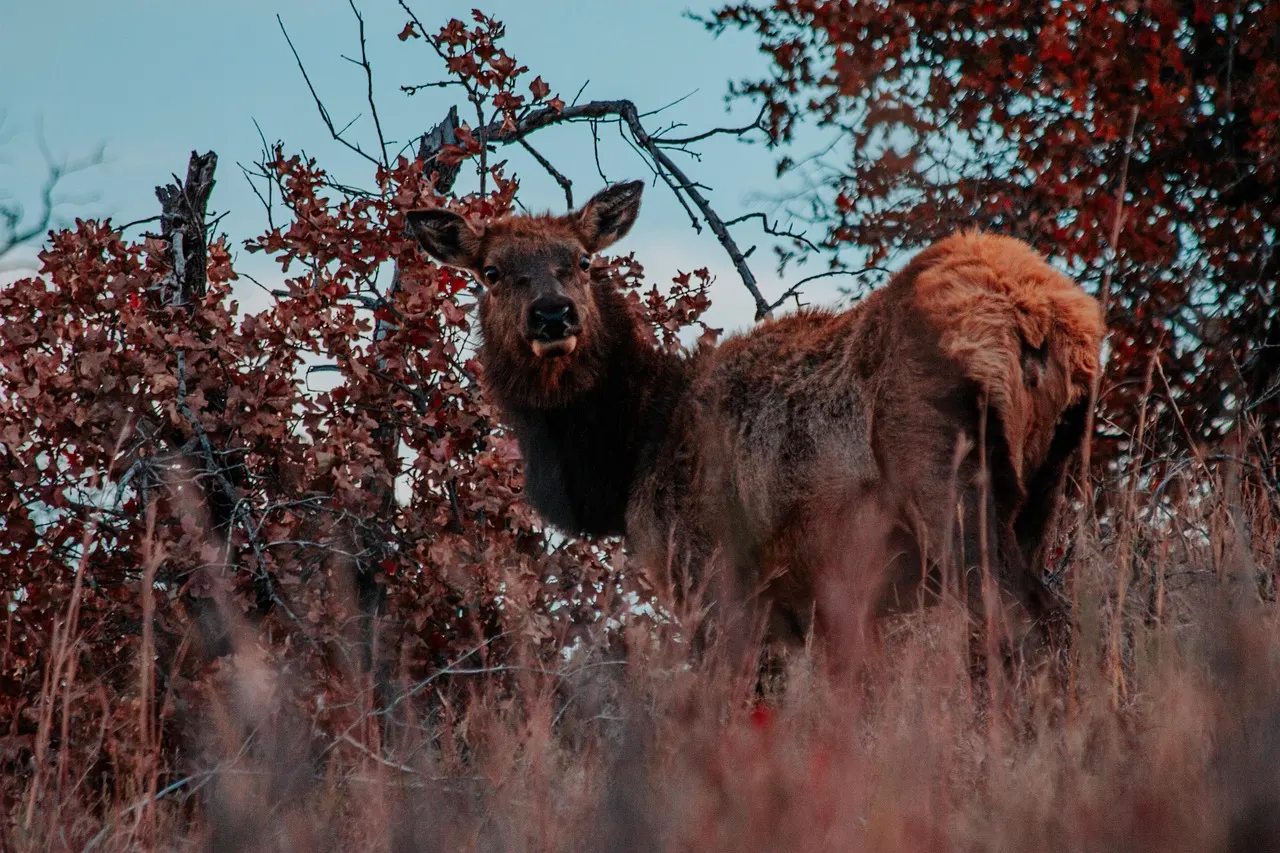
The trail unspools across open grassland where dark shapes of bison often dot the horizon, grazing with unhurried indifference to your presence. Wind moves constantly here, rustling through spring wildflowers and carrying the scent of sun-warmed earth—it's a meditative, solitary walk perfectly suited to a solo pace, with no need to match anyone else's stride. Keep a respectful distance from any bison you spot; their size is deceptive and they can move fast.
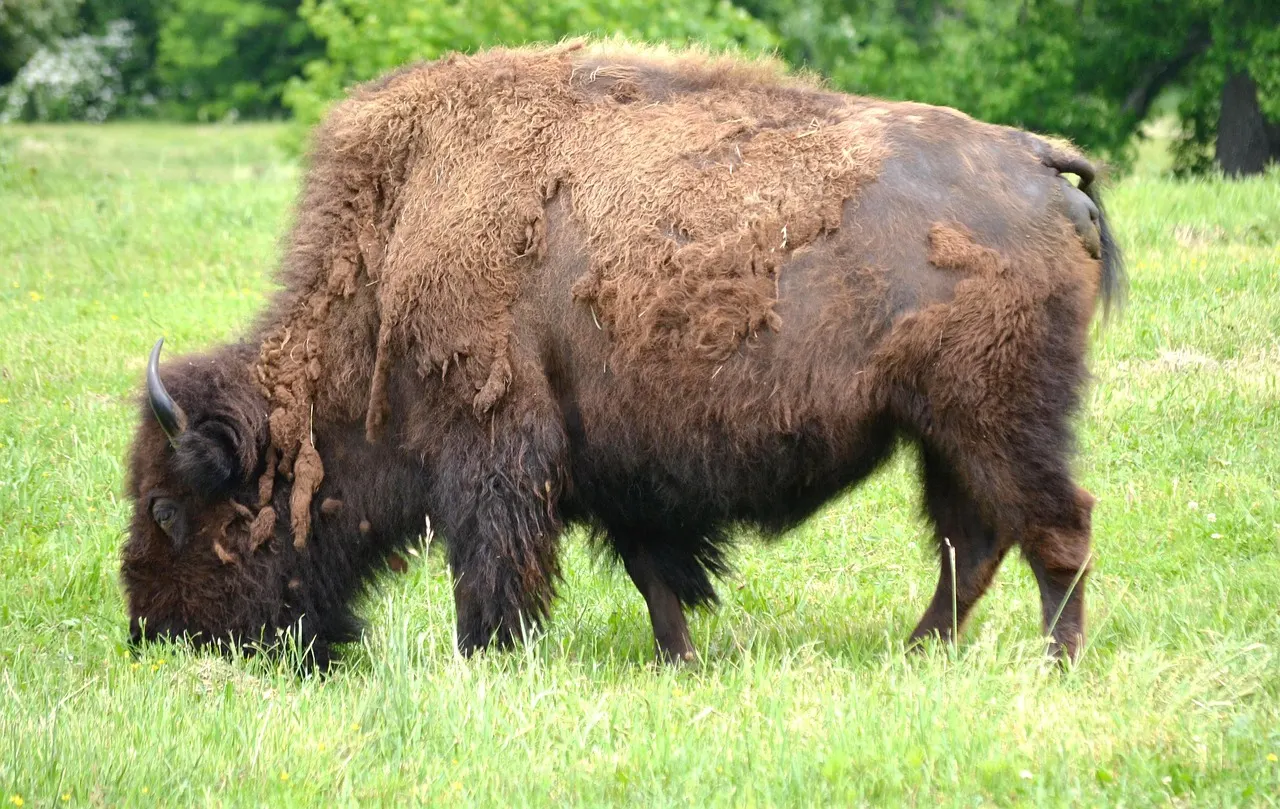
The day begins in near-darkness, with the drive up Mount Scott quiet and the paved road still cool underfoot. Arriving before 8am means the summit is yours alone or nearly so—wind sweeping across granite, the first sunlight catching the prairie below in long gold streaks. It's a solitary, grounding way to start a solo trip, no crowds to navigate, just space to breathe and take it all in.
After a brief, informative stop at the visitor center to get oriented and chat with rangers, the pace shifts to something slower and more contemplative on the Bison Prairie Trail. The open grassland and scattered herds create a sense of scale that's hard to process quickly—this is a walk to be alone with, wind in the grass the only soundtrack. Midday light flattens the landscape a bit, but the solitude more than makes up for it.
With no dining facilities inside the refuge, plan to head back toward Lawton or Meers for an evening meal and to settle into lodging before dark, since the refuge operates dawn to dusk with no services after hours. Use the drive out as a chance to decompress from the day's exertion, and consider an early night—tomorrow's exploration of Holy City and Quanah Parker Lake benefits from a well-rested start.
Day 2: Stone Pilgrims and Mirror Water: The Western Wilderness
A moderately paced day covering about 2.5 miles across two stops, balancing the architectural wonder of Holy City with the quiet, low-exertion beauty of Quanah Parker Lake.
Arrive early enough and you'll likely have this strange, striking landscape of biblical stone architecture nearly to yourself—warm granite under your palms, the whistle of wind through stone watchtowers, a hush that feels almost reverent even if you're not religious. It's an unusual stop for solo travelers, equal parts geological curiosity and spiritual quiet, with plenty of room to wander at your own pace and sit with the silence. The outdoor amphitheater and World Chapel offer some of the most photogenic, least crowded corners of the entire refuge outside of Easter season.
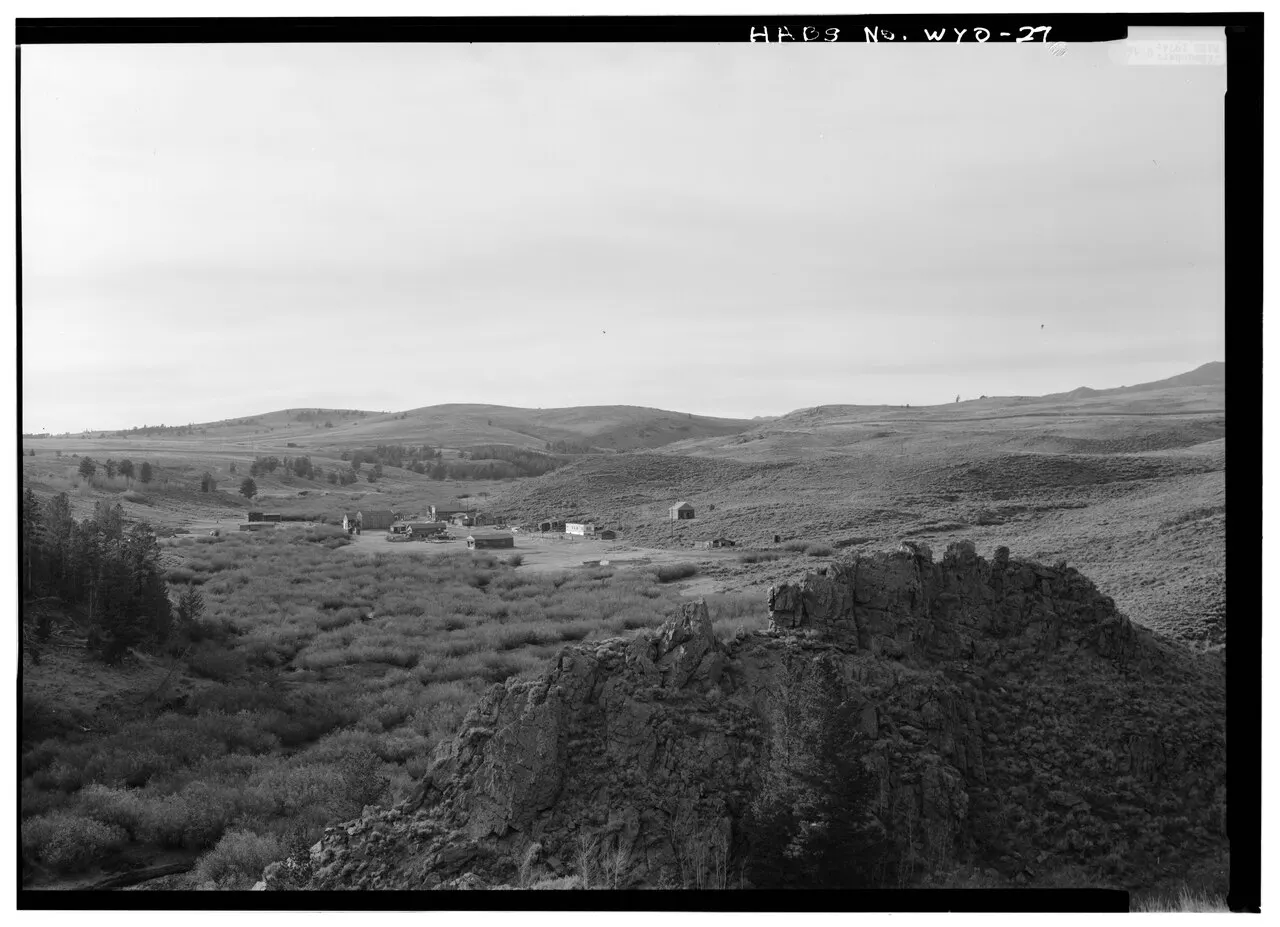
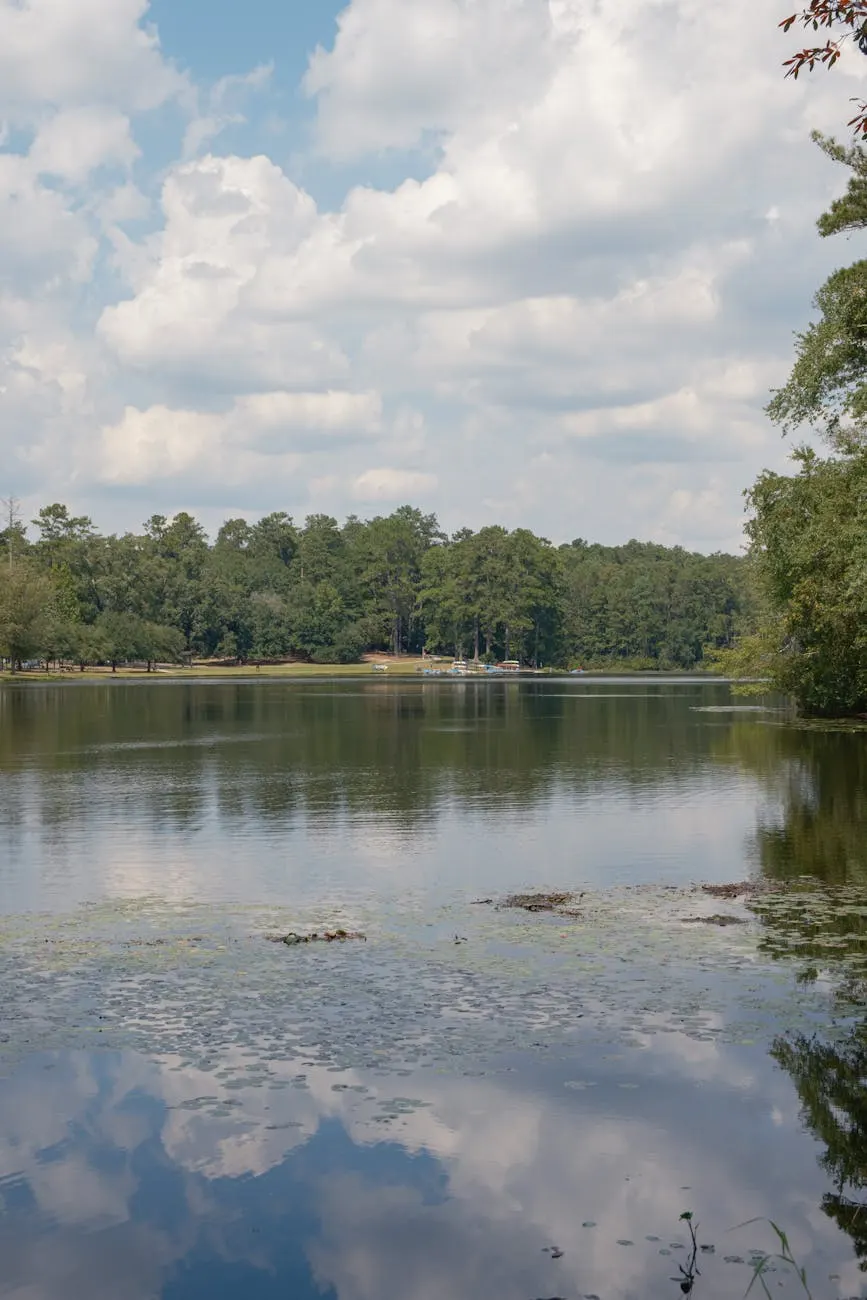
After the stone intensity of Holy City, the scenic drive around Quanah Parker Lake offers a lower-key, low-exertion close to the trip—granite monoliths rising sharply from glassy water, their reflections rippled only by the occasional waterfowl. It's an easy, contemplative stop well-suited to a solo traveler winding down, with multiple pull-outs for unhurried photography and quiet moments by the shoreline. The 500-million-year-old peaks feel almost otherworldly reflected in still water.
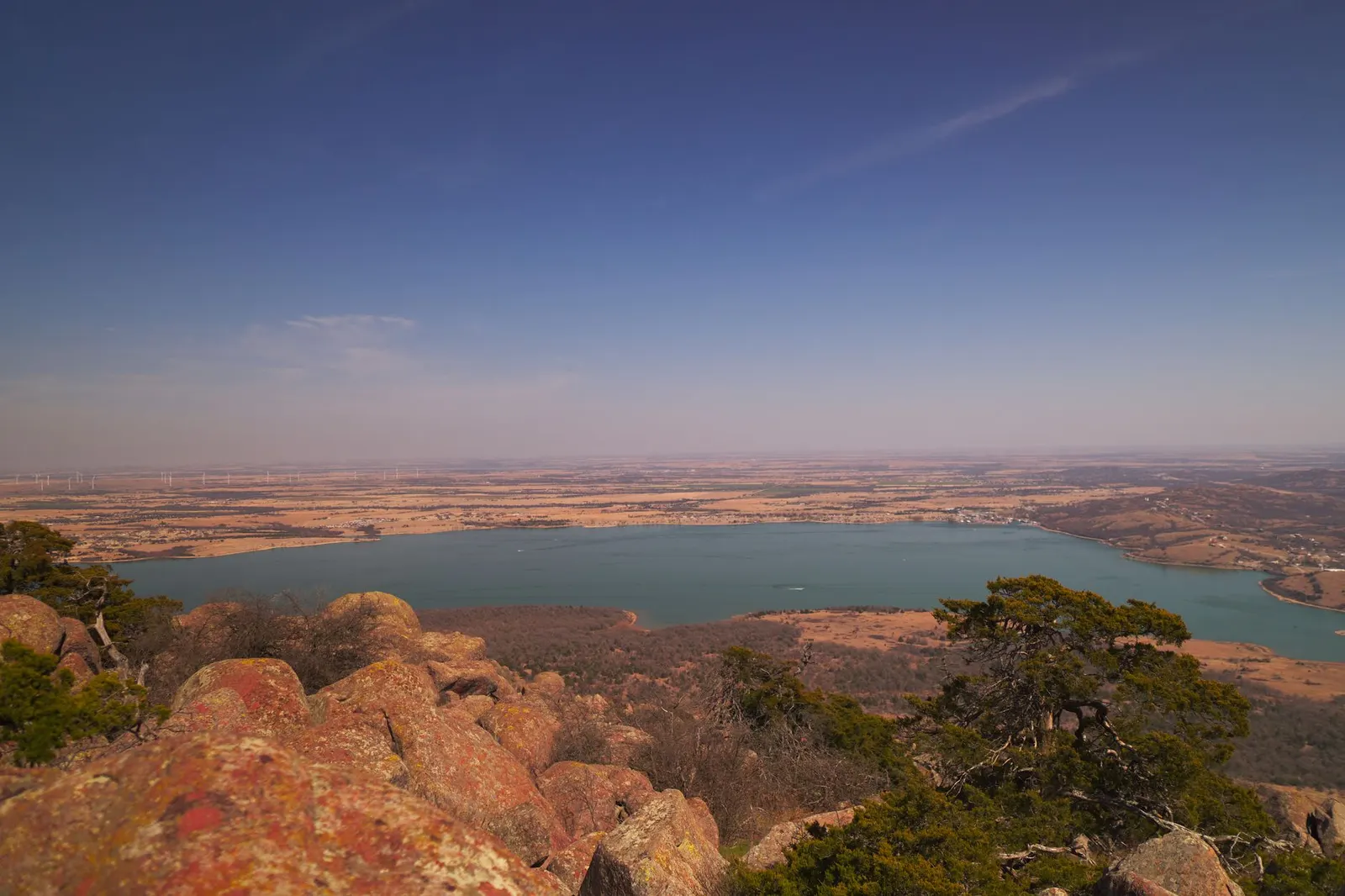
The morning unfolds slowly at Holy City, where stone structures catch the early light and the grounds remain mostly empty until mid-morning. It's a strange, quiet place to explore alone—part historic pageant site, part accidental ruin—and the solitude lets you linger at the amphitheater or chapel without feeling rushed. By 10am, a few more visitors begin to trickle in, but the morning hours belong largely to early arrivals.
The pace eases further at Quanah Parker Lake, where the scenic drive requires little physical effort but delivers some of the most striking reflective views in the refuge. This is a good moment to simply sit at one of the pull-outs, let the quiet settle in, and reflect on two days spent largely in solitude among granite and grass. The lake's stillness makes for a fitting, unhurried close to the refuge portion of the trip.
With the refuge closing at dusk and no services inside, plan to drive back toward Lawton or Meers for a final evening meal—Meers in particular offers a classic slice of Old West character worth experiencing before departure. Use the evening to reflect on the trip's rhythm: dawn summits, prairie solitude, mystic stone, and mirrored water, all absorbed at your own unhurried solo pace.
Planning the nights, too?
Compare places to stay around Wichita Mountains National Wildlife Refuge, or browse tours and tickets to slot between the stops above.
Itinara may earn a commission when you book through these links, at no extra cost to you.
Want to tweak this trip?
Our AI planner can customize this itinerary to your exact dates, interests, and travel style.
Customize This ItineraryRestaurant details (hours, menus, availability) change frequently. Check current hours before visiting, especially in seasonal destinations.
Dietary compatibility tags are general guidance. If you have severe allergies, confirm directly with the restaurant.
Travel tips are general guidance, not professional safety advice. Check government advisories for latest information.
All prices are approximate and may vary seasonally.