3 DaysActive Retirees4 Stops

Pennsylvania Wilds, Pennsylvania

3-Day Itinerary for Active Retirees

Ridgelines and Starlight: 3 Days in the Pennsylvania Wilds

Ridgelines and Starlight: 3 Days in the Pennsylvania Wilds

Here, the forest closes over the road like a green cathedral and the nights are dark enough to see the Milky Way spill across the sky in full color. This is a landscape built for slow mornings and long, unhurried looks at ridgelines rolling toward the horizon—no rushing required.

At a Glance

Climate & Weather
Summer days are warm and humid with afternoon thunderstorms common; mornings are cool and pleasant. Pack breathable layers, a light rain jacket, and a warmer layer for stargazing after dark when temperatures drop noticeably.
Getting Around
A car is essential; distances between clusters can take 45–90 minutes on winding mountain roads. Drive cautiously at dawn and dusk when wildlife is most active, and fuel up before heading into remote stretches.
Budget
Expect to spend roughly $60–100 per day per person on meals and modest park fees—dining here is hearty and affordable, and most outdoor attractions are free or low-cost.
Safety
This is a low-crime, rural region, but black bears are present in the forests—store food properly and make noise on trails. Weather can shift quickly in summer with sudden storms, so check forecasts before heading to exposed viewpoints or the bridge.
Connectivity
Cell coverage is patchy to nonexistent in much of the region, especially near Cherry Springs and deep forest roads. Download offline maps in advance and let someone know your general plans for the day.
Local Tips
Arrive at outdoor attractions before 9am in summer to beat both heat and crowds. Most restaurants close by 8–9pm, so plan dinner earlier than you might elsewhere. Bring your own snacks and water for remote stops, as dining options thin out significantly outside small towns.

Highlights

  • Stargazing at one of the East Coast's darkest skies at Cherry Springs
  • Standing on the weathered remains of the Kinzua Viaduct with valley views below
  • Sweeping ridge-to-ridge panoramas from Denton Hill's mountain vista
  • Slow mornings and golden-hour light with minimal crowds
  • Easy, bench-friendly viewpoints suited to relaxed exploration
  • Hearty regional comfort food after full days outdoors
  • Genuine solitude—only 4% of the state's population shares this quarter of its land

Day-by-Day Plan

Orientation and easy wonder

Day 1: Arrival and the Long Bridge Over the Valley

A gentle first day centered on the Kinzua Bridge cluster, with light walking (under 1 mile) and low physical demand to ease into the region's slower rhythm.

Wear
Comfortable walking shoes with good grip, a light layer for cool morning air, and a hat for sun exposure on the open overlook areas.
Budget
$50–70 per person for meals and incidentals
9:00 AM - 9:45 AM
Kinzua Bridge · morning · 45 min · Kinzua Bridge & McKean County Highlands

Arrive by 9am and the weathered wood planking is nearly yours alone—cool creek air rises from the gorge below as wind whistles through the skeletal metal arches left standing after the 2003 tornado. The rust-red fragments catch soft morning light, and the sheer scale of what remains gives a quiet, almost reverent feeling standing where the structure once soared unbroken across the valley.

Kinzua Bridge
Historic American Buildings Survey, Heritage Documentation Programs, a division of the U.S. National Park Service / wikimedia (Public domain)
The center span viewing platform works best in the soft morning light before 10am, when the rust-red steel glows warmly against the green valley.
The main viewing platform is reachable via a short paved path, though the terrain has some unevenness; benches are sparse, so pace yourself and rest as needed.
Optional detour: Denton Hill State Park Scenic VistaAfter Kinzua Bridge and before evening rest
A low-energy, high-reward stop with sweeping ridge views and sparse benches for a restful pause. Skip if: Skip if fog or haze is forecast, as visibility can drop dramatically and the drive may not be worth the reduced view.
If it rains: Light rain is fine for visiting the bridge itself, but if storms roll in, the Allegheny National Forest visitor center offers an indoor alternative with regional exhibits and a dry place to wait out the weather.

The first morning is intentionally unhurried—arrive at Kinzua Bridge by 9am to catch the quiet before day-trippers arrive, and take time simply standing at the edge of the remaining span, letting the scale of the gorge sink in. The air is cool and carries the scent of the forest below, a gentle welcome to the region's wilder rhythms.

With just one substantive stop planned for today, the afternoon is left open for rest, settling into lodging, and adjusting to the slower pace of the Wilds. This is the lightest day of the trip by design, allowing legs and minds to acclimate before more walking tomorrow.

Dinner should happen early, in keeping with local rhythms where most kitchens close by 8–9pm. Consider a relaxed evening near your lodging, perhaps with a short walk to watch the light fade over the ridgelines before an early night—tomorrow's stargazing requires patience and late hours.

Mountain vistas and cosmic wonder

Day 2: Ridgelines by Day, Stars by Night

A full but relaxed day combining an easy mountain viewpoint with an evening dedicated to stargazing at Cherry Springs; total walking stays under 1.5 miles.

Wear
Layers are essential—warm days give way to cold nights at elevation; bring a fleece or jacket, a headlamp with red-light mode, and a blanket or portable chair for stargazing comfort.
Budget
$60–90 per person for meals, gas, and any park donations
40 min driveA winding mountain drive through dense forest corridors, with occasional breaks in the trees offering teaser glimpses of the valley below.
9:30 AM - 10:15 AM
Denton Hill State Park Scenic Vista · morning · 45 min · Kinzua Bridge & McKean County Highlands

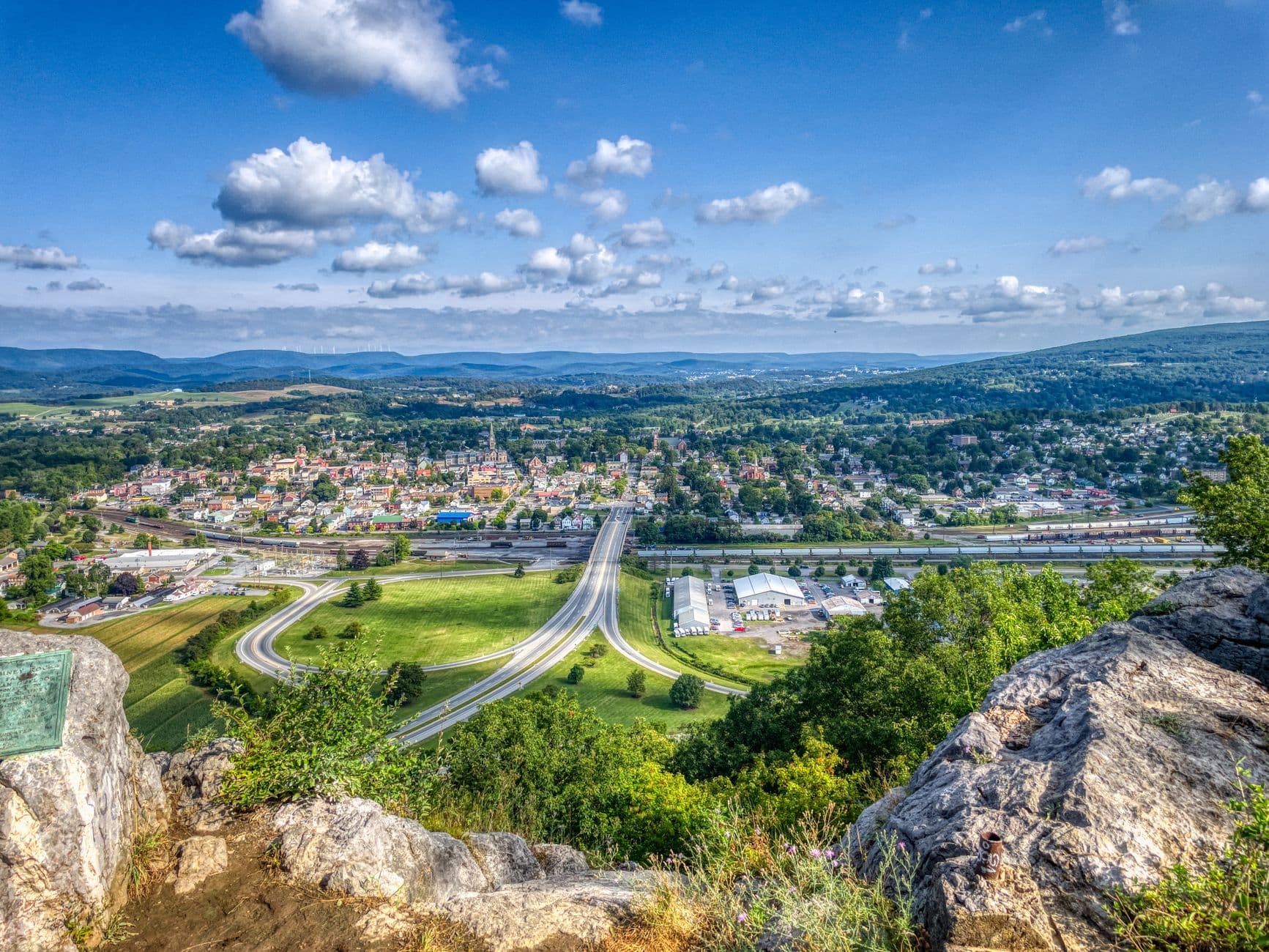
Cool mountain air carries the scent of balsam as ridge after ridge rolls toward the horizon in soft atmospheric haze. Arriving mid-morning avoids both the early chill and the weekend crowds that build later in the day, leaving the overlook platform calm enough to simply breathe and take in the view without jostling for space.

Denton Hill State Park Scenic Vista
Photo by Jessica Lewis 🦋 thepaintedsquare on Pexels
The main overlook platform is best in mid-morning light, when haze softens the ridgelines into layered blues without the harsh glare of midday sun.
The vista point has a short walk from the parking area over uneven ground; benches are sparse, so those needing frequent rest should pace the approach slowly.
Optional detour: Old Logger's Path TrailNot recommended as a stop between Denton Hill and Cherry Springs
For very active hikers, a short out-and-back on the lower trail sections offers ancient hemlock scenery. Skip if: At 480 minutes typical time and intense energy demand with no flat paths, this trail is not suited to relaxed pacing or accessibility needs—best skipped entirely for this demographic.
If it rains: If skies are heavily overcast or rain is forecast, stargazing at Cherry Springs won't be worthwhile—consider an early dinner and relaxed evening near lodging instead, saving the dark-sky visit for a clearer night if your schedule allows flexibility.

The morning unfolds slowly at Denton Hill, where the vista rewards patience rather than exertion—simply standing at the overlook, watching haze drift across distant ridgelines, is the entire point. This is contemplation dressed as sightseeing, ideal for a relaxed pace.

The afternoon is left deliberately open for rest and an early dinner, since tonight's stargazing at Cherry Springs requires energy reserves for late hours. Use this time to nap, stroll gently near your lodging, or simply enjoy the quiet of the surrounding forest.

As dusk falls, head to Cherry Springs State Park, arriving well before full darkness to let your eyes adjust gradually. The crisp night air smells of pine and earth, and by the time true darkness settles in, an overwhelming tapestry of stars stretches horizon to horizon—a rare sight increasingly hard to find elsewhere. Bring a chair, a blanket, and patience; the reward is a sky unlike almost anywhere else on the East Coast.

Reflection and gentle departure

Day 3: Stars Fade, Stillness Remains

A quiet closing day built around a final visit to Cherry Springs in daylight for a different perspective, with minimal walking and low exertion.

Wear
Comfortable layers for variable summer weather; a light jacket for any lingering morning cool.
Budget
$40–60 per person for meals and any final incidentals
50 min driveA quiet morning drive back through forested corridors, with low mist sometimes clinging to the valleys in early light.
9:00 AM - 10:30 AM
Cherry Springs State Park (Dark Sky) · morning · 90 min · Cherry Springs Dark Sky Park

By daylight, the eastern meadow that dazzles with stars at night reveals itself as a peaceful clearing ringed by pine, the kind of quiet, open space that invites a slow walk and reflection on the previous night's sky. Arriving by 9am means the park is nearly empty, with only the occasional rustle of nocturnal creatures settling in for the day breaking the silence.

Cherry Springs State Park (Dark Sky)
[Chicago, Rock Island and Pacific railway company] [from old catalog] / wikimedia (Public domain)
The pine-framed clearings photograph beautifully in soft morning light, offering a gentler counterpart to the dramatic night sky images from the evening before.
Terrain is uneven and unpaved with sparse benches; a slow, flat-preferring approach along the meadow's edge is more comfortable than venturing into rougher sections.
If it rains: If rain moves in, this daytime visit to Cherry Springs is still worthwhile for a shorter walk under the pines, as light rain doesn't significantly diminish the meadow's tranquil character—though heavier storms may call for cutting the visit short.

The final morning offers a gentle bookend to the trip—returning to Cherry Springs in daylight transforms the experience entirely, trading cosmic wonder for quiet, grounded stillness among the pines. It's a fitting way to close out a trip built on slowing down.

With travel and departure logistics likely filling the afternoon, keep plans light—perhaps a final relaxed meal before the drive home, giving time to reflect on the trip's blend of vast skies and quiet ridgelines.

As the region's rhythm dictates, plan any final dinner early, before evening settles in and small-town kitchens begin closing their doors for the night. This is a fitting close to a trip defined by unhurried mornings, dramatic skies, and the rare gift of genuine quiet.

Want to tweak this trip?

Our AI planner can customize this itinerary to your exact dates, interests, and travel style.

Customize This Itinerary
Good to Know

Restaurant details (hours, menus, availability) change frequently. Check current hours before visiting, especially in seasonal destinations.

Dietary compatibility tags are general guidance. If you have severe allergies, confirm directly with the restaurant.

Travel tips are general guidance, not professional safety advice. Check government advisories for latest information.

All prices are approximate and may vary seasonally.

We use cookies to improve your experience and analyze site usage. Essential cookies are always active. You can customize your preferences or accept all cookies. Cookie Policy