3 DaysActive Retirees5 Stops

Lowcountry (Charleston, Beaufort), South Carolina

3-Day Itinerary for Active Retirees

β€œMoss, Marsh, and Memory: Three Days in the Lowcountry”
Moss, Marsh, and Memory: Three Days in the Lowcountry

Live oaks lean low with the weight of centuries, salt marsh stretches gold to the horizon, and the Lowcountry asks only that you slow down to meet it. This three-day route moves gently between Charleston's cobblestones, Edisto's wild shoreline, and Saint Helena's sacred ground β€” a rhythm built for lingering, not rushing.

At a Glance

Climate & Weather
Fall (September–October) brings the Lowcountry's sweet spot: warm days easing into cool evenings, lower humidity, and manageable rainfall, though hurricane risk peaks in this window so keep an eye on forecasts. Pack light layers β€” a breathable shirt for midday sun, a light jacket for morning and evening breezes, plus a hat and sunscreen for open marsh and beach areas.
Getting Around
A rental car is the most practical way to move between Charleston, Edisto, and Saint Helena Island, with driving times of 45 minutes to just over an hour between clusters. Within downtown Charleston, walking covers most sights comfortably; Fort Sumter requires a short harbor ferry.
Budget
Expect roughly $90–130 per person per day for meals and activities, including a couple of sit-down Lowcountry meals, the Fort Sumter ferry ticket, and modest park or site admission fees.
Safety
This is a comfortable, low-stress region for older travelers, with flat historic districts and well-marked trails. The main wildlife caution is alligators near marshes and waterways β€” admire from a distance and never feed them. Watch footing on shell-strewn or boardwalk paths at Botany Bay, which are less accessible than the paved routes elsewhere.
Connectivity
Cell coverage is reliable in Charleston and Beaufort's town centers but grows spotty on Edisto's beaches and the more remote stretches of Botany Bay β€” download maps and confirm reservations before heading out to the islands.
Local Tips
Arrive at Angel Oak and Fort Sumter's early ferry before 9am to beat tour groups; aim for an early dinner seating (5:30–6:30pm) since Beaufort and island towns often close by 9pm; and treat Sunday mornings with extra patience, as many local establishments open later out of respect for church time.

Highlights

  • Stand beneath the 400-year canopy of the Angel Oak at first light
  • Cross Charleston Harbor by ferry to Fort Sumter's weathered ramparts
  • Wander tabby ruins and shell rings at Botany Bay's quiet edge
  • Walk barefoot on Edisto's unhurried, undeveloped beach
  • Trace the birthplace of African-American education at Penn Center
  • Savor she-crab soup and shrimp and grits at an unhurried Lowcountry pace
  • Fall's thinner crowds and cooler air make every stop feel like your own

Day-by-Day Plan

Arrival & Orientation

Day 1: Settling In Beneath Old Oaks and Harbor Light

A gentle first day pairing a short nature excursion with a harbor crossing to Fort Sumter, totaling under a mile of easy walking.

Wear
Comfortable walking shoes, a light layer for the harbor breeze, sun hat, and sunscreen β€” the ferry deck can be breezy even on a warm fall day.
Budget
$95–120 per person, including Fort Sumter ferry tickets and two casual meals
8:00 AM - 8:45 AM
Angel Oak Β· morning Β· 45 min Β· Historic Charleston & Johns Island

Arrive by 8am and the park is nearly silent β€” just birdsong and the occasional creak of ancient limbs settling into the morning light. This 400-year-old live oak spreads its canopy like a cathedral roof, and the paved paths and frequent benches make it an easy, unhurried first stop to shake off travel stiffness.

Angel Oak
Ken Lund / openverse (by-sa)
Stand at the southwest corner of the park looking northeast for a side-lit profile of the canopy in early morning light.
Fully paved, flat paths with benches spaced throughout β€” one of the most accessible nature stops in the region.
35 min drive β€” A 35-minute drive back toward downtown Charleston, oak-lined roads giving way to harbor views as you approach the ferry dock.
10:30 AM - 12:30 PM
Fort Sumter National Monument Β· midday Β· 120 min Β· Historic Charleston & Johns Island

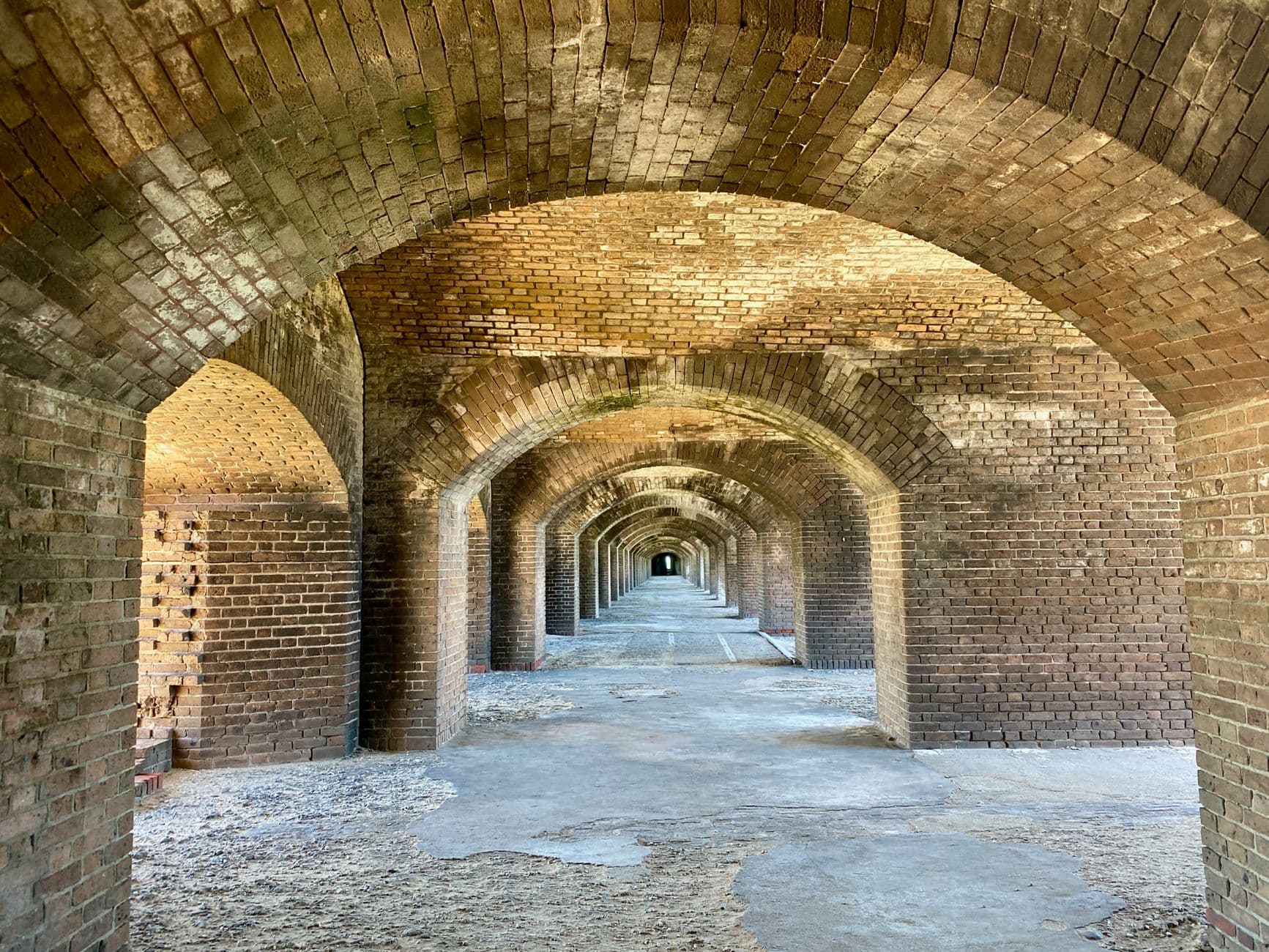
The ferry ride itself is part of the experience β€” a gentle rock across Charleston Harbor with gulls trailing overhead and the city skyline receding behind you. On the fort's brick ramparts, history feels close enough to touch; well-placed benches and paved walkways make this a comfortable two hours even for those who prefer a slower museum pace.

Fort Sumter National Monument
Photo by Colon Freld on Pexels
Climb to the top of the ramparts in early afternoon for a golden-tinged shot of the Charleston skyline across the water.
Wheelchair accessible with flat paths and frequent benches; the ferry has covered seating for those sensitive to sun or wind.
Lunch
El Mercadito & Taqueria $
Mexican Β· Near Angel Oak
A relaxed, unpretentious spot near Angel Oak for a light lunch before the harbor crossing.
If it rains: If rain moves in, Fort Sumter's museum exhibits and covered casemates offer indoor shelter, and the ferry still runs β€” though visibility and photo opportunities will be diminished. Consider shifting Angel Oak to a later, drier day if storms are heavy.

The day begins gently, with the Angel Oak's cool shade and dappled light easing you into Lowcountry time. There's no rush here β€” just the scent of rich earth, Spanish moss overhead, and the profound quiet of a place that has stood for centuries.

By midday, the pace shifts toward the water. The ferry crossing to Fort Sumter offers a breezy, scenic interlude before the fort's weathered brick and harbor views ground you in Civil War history, with ample benches for resting between exhibits.

With travel fatigue in mind, keep the evening unstructured β€” a quiet dinner downtown and an early turn-in will set the tone for the more active days ahead.

Nature & Ruins

Day 2: Wild Marsh and Shoreline Solitude on Edisto

A full day exploring Edisto Island's untamed marshes, tabby ruins, and quiet beaches, with roughly 1.5 miles of walking across uneven and flat terrain combined.

Wear
Sturdy closed-toe shoes for uneven shell paths at Botany Bay, a swimsuit or sandals for the beach, and a brimmed hat β€” shade is sparse in open marsh areas.
Budget
$80–110 per person, including a relaxed lunch and light beach-side snacks
9:00 AM - 11:00 AM
Botany Bay Β· morning Β· 120 min Β· Edisto Island & Botany Bay

Arrive by 9am for the most solitude β€” the shell-lined paths crunch underfoot as you wander among tabby ruins and prehistoric shell rings, the air thick with salt and old earth. This is a place best taken slowly; benches are sparse, so plan rest stops and take the shorter loop if uneven ground is a concern.

Botany Bay
Alix Lee / pexels (Pexels License)
The Bleak Hall outbuildings glow beautifully at sunset, but morning light through the oak canopy offers a softer, quieter alternative for photos.
Paths are unpaved and can be uneven or muddy; not fully wheelchair accessible, so those with mobility concerns may prefer the shorter, flatter sections near the entrance.
15 min drive β€” A short 15-minute drive along quiet island roads, marsh grass rippling gold on either side.
12:30 PM - 3:30 PM
Edisto Island Β· afternoon Β· 180 min Β· Edisto Island & Botany Bay

The mood softens here β€” wide, flat beach, the rhythmic hush of waves, and far fewer crowds than in summer. A relaxed three hours allows time for a slow beach walk, a rest on the pier, and lunch nearby without feeling rushed; low tide brings out the rich scent of pluff mud and the cries of shorebirds overhead.

Edisto Island
Ammodramus / openverse (cc0)
The Edisto Beach State Park pier is especially striking at sunset, with fall's earlier evenings making a 6pm arrival ideal for golden light.
Beach access points near the state park are flat and wheelchair-friendly, with benches available along the boardwalk.
Optional detour: Edisto Island β€” After Botany Bay and before a longer beach rest
Combining the ruins visit with beach time in one cluster keeps the day's driving minimal and the pace unhurried. Skip if: Those preferring a lighter day could skip the beach walk and instead extend rest time at Botany Bay or return to lodging early.
If it rains: If heavy rain sets in, Botany Bay's trails become muddy and best avoided β€” instead, spend the day exploring Beaufort's historic district or nearby indoor museums, saving the beach and ruins for clearer skies.

Morning at Botany Bay feels suspended in time β€” moss-draped oaks, weathered tabby walls, and the distant call of herons across the marsh. It rewards patience and slow footsteps rather than ambitious ground-covering.

The afternoon opens into wide sky and open water at Edisto Island's beach, a welcome contrast after the shaded ruins. The pace here is entirely your own β€” walk as far as feels comfortable, then settle onto the pier or a bench to watch the tide.

With the shorter fall daylight in mind, plan an early dinner back toward Charleston or Beaufort, allowing the golden hour on the pier to be your last stop of the day before winding down.

Gullah Heritage

Day 3: Ground Sacred with History on Saint Helena Island

A quieter final day centered on Penn Center's cultural and educational legacy, with under a mile of flat, accessible walking.

Wear
Comfortable walking shoes, a light jacket for cooler fall mornings, and a camera for the oak-lined grounds.
Budget
$60–90 per person, including museum admission and a leisurely lunch
60 min drive β€” A little over an hour's drive south from Charleston or Edisto, crossing marsh causeways where egrets often stand motionless in the shallows β€” worth a brief pullover if one catches your eye.
9:30 AM - 11:00 AM
Penn Center Β· morning Β· 90 min Β· Saint Helena Island & Penn Center

Arrive mid-morning when the campus is quiet and light filters softly through the live oaks β€” this is the birthplace of African-American education in the South, and the hush of the grounds invites reflection rather than rushing. The museum and archival buildings are indoors and fully accessible, ideal for a slower, contemplative pace with plenty of shaded benches outside.

Penn Center
Ken Lund / openverse (by-sa)
Darrah Hall framed by Spanish moss is especially photogenic in soft morning light, before midday sun flattens the scene.
Flat, paved paths throughout the campus with frequent benches; museum spaces are wheelchair accessible.
If it rains: Penn Center's museum and archival buildings are indoors, making this an ideal rainy-day stop regardless of weather β€” no backup needed.

The morning unfolds slowly at Penn Center, where shell-lined paths and moss-heavy oaks set a reverent tone. This is a place for reading plaques fully, sitting with the history, and letting the significance settle rather than checking off a sight.

With just one substantive stop planned for the day, the afternoon is left open for a relaxed lunch in Beaufort's historic district and a slow walk along its tree-lined squares β€” a fitting, low-key close to the trip.

An early, easy dinner in Beaufort or back in Charleston rounds out the visit, with plenty of time before the 8pm cutoff to enjoy dessert and reflect on three unhurried days of marsh, moss, and memory.

Want to tweak this trip?

Our AI planner can customize this itinerary to your exact dates, interests, and travel style.

Customize This Itinerary
Good to Know

Restaurant details (hours, menus, availability) change frequently. Check current hours before visiting, especially in seasonal destinations.

Dietary compatibility tags are general guidance. If you have severe allergies, confirm directly with the restaurant.

Travel tips are general guidance, not professional safety advice. Check government advisories for latest information.

All prices are approximate and may vary seasonally.

We use cookies to improve your experience and analyze site usage. Essential cookies are always active. You can customize your preferences or accept all cookies. Cookie Policy