3 DaysSolo Traveler5 Stops

Lowcountry (Charleston, Beaufort), South Carolina

3-Day Itinerary for Solo Traveler

Marsh Light & Old Brick: 3 Days Solo in the Lowcountry

Marsh Light & Old Brick: 3 Days Solo in the Lowcountry

The Lowcountry doesn't rush you — it unspools slowly, like Spanish moss unwinding from a live oak branch. Over three fall days you'll move from Charleston's cobblestones to Edisto's wild shell-strewn shoreline to Saint Helena's hushed oak canopies, alone but rarely lonely, with plenty of counter seats and communal tables along the way.

At a Glance

Climate & Weather
Fall (September–October) brings warm days in the 70s–80s°F, cooler mornings, and lower humidity than summer — ideal walking weather, though hurricane risk peaks this season. Pack light layers, a light rain shell, comfortable walking shoes, and a hat for sun on exposed marsh trails.
Getting Around
A rental car is essential for this itinerary — Angel Oak, Edisto, and Saint Helena Island are all beyond easy walking or rideshare range from downtown Charleston. Charleston's historic district itself is best explored on foot once parked.
Budget
Budget roughly $90–130/day for a solo traveler covering meals, Fort Sumter ferry tickets, and incidental park fees — Charleston dining runs pricier than Edisto or Beaufort's casual spots.
Safety
Solo travelers will find Charleston's historic core, Edisto, and Beaufort-area sites very safe during daytime hours; use standard city awareness after dark downtown. Near marshes and Botany Bay's tidal edges, keep distance from alligators and never feed wildlife. Hurricane season (through November) means checking forecasts before island day trips.
Connectivity
Cell coverage is strong in Charleston and Beaufort; expect spotty signal on Edisto's more remote beaches and inside Botany Bay's interior trails. Most cafes and inns offer WiFi.
Local Tips
Arrive at Angel Oak and Fort Sumter's ferry dock early — by mid-morning both fill with tour groups. Sundays move slowly island-wide, so plan lighter itineraries and expect earlier closures. Communal tables at oyster houses are the easiest way to strike up conversation as a solo diner.

Highlights

  • Standing alone beneath the 400-year-old canopy of Angel Oak at first light
  • Ferrying across Charleston Harbor to the brick ramparts of Fort Sumter
  • Wandering tabby ruins and shell rings at Botany Bay with barely another footprint in sight
  • Barefoot hours on Edisto's untouched barrier-island beach
  • Tracing Gullah Geechee history through the oak-shaded paths of Penn Center
  • Solo-friendly bar seats and communal tables for easy conversation over she-crab soup and oysters
  • Fall's thinning crowds and cooling air making every stop feel unhurried

Day-by-Day Plan

Arrival & orientation

Day 1: Roots and Ramparts: Charleston's Oak and Harbor

A gentle first day pairing an ancient oak with a harbor-bound Civil War fort, covering roughly 2 miles of walking at an easy pace.

Wear
Comfortable walking shoes, light layers for cooling fall mornings, a hat and sunscreen for the exposed ferry ride and fort ramparts.
Budget
$95 (ferry ticket, lunch, dinner, incidentals)
8:00 AM - 8:45 AM
Angel Oak · morning · 45 min · Historic Charleston & Johns Island

Arrive right at opening and the grounds are nearly empty — just you, 400 years of gnarled branches, and the hush of Spanish moss swaying overhead. The paved paths make this an easy, unhurried start after travel, a chance to breathe before the day's pace picks up. By 9:30am tour buses roll in; you'll have already had your quiet moment.

Angel Oak
Ken Lund / openverse (by-sa)
Stand beneath the largest branch canopy looking straight up for a cathedral-like shot; the southwest corner offers a side-lit profile if you linger for better morning light.
Flat, paved paths with frequent benches make this an easy, low-energy stop.
35 min driveA relaxed drive back toward downtown and the ferry terminal, live oaks giving way to harbor views as you near the water.
10:30 AM - 12:30 PM
Fort Sumter National Monument · midday · 120 min · Historic Charleston & Johns Island

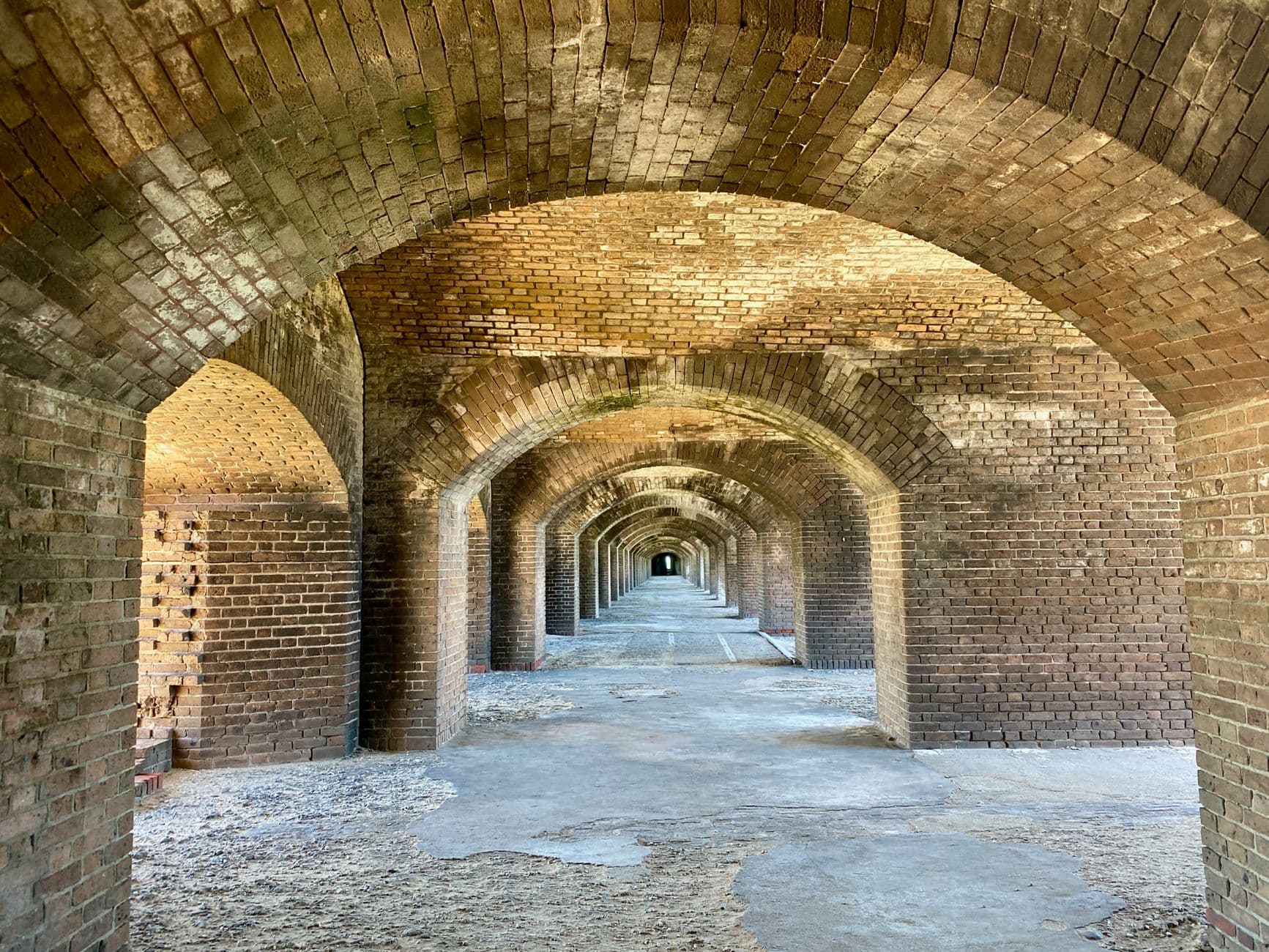
The ferry ride itself is part of the experience — harbor spray, gulls trailing the wake, downtown Charleston shrinking behind you. Once ashore, weathered brick casemates and harbor-facing gun batteries hold the weight of where the Civil War's first shots were fired. Solo travelers often find good conversation on the ferry deck or in the small museum room, where rangers give informal talks throughout the day.

Fort Sumter National Monument
Photo by Colon Freld on Pexels
Top of the ramparts with the Charleston skyline behind you works best on the return ferry leg, when the afternoon sun is at your back.
Wheelchair-accessible with flat paths and frequent benches; ferry boarding has assistance available.
Lunch
El Mercadito & Taqueria $
Mexican · Near Angel Oak
A casual, low-key spot near Angel Oak good for a quick, satisfying lunch before or after the drive out to Johns Island.
If it rains: If rain moves in, the Fort Sumter museum spaces and ferry cabin are covered, but consider shifting the visit later in the day and spending a wet morning in downtown Charleston's indoor shops and cafes near the ferry terminal instead of lingering at Angel Oak.

The day opens slow and green — arriving at Angel Oak before the crowds means the massive limbs and dappled light belong to you alone for a while, a gentle reintroduction to the Lowcountry's pace after travel.

Midday shifts from earth to water: the drive back toward downtown, then a harbor crossing by ferry to Fort Sumter, where brick ramparts and salt air replace the oak canopy's stillness with something more charged and historic.

Back on solid ground downtown, ease into the evening with an unhurried dinner — settle at a bar or communal table where solo diners are welcome, and let the first day's pace catch up with you before an early night.

Wild nature & solitude

Day 2: Marsh, Shell, and Shoreline: A Day on Edisto

A nature-forward day covering roughly 4 miles between Botany Bay's trails and Edisto's open beach, at a moderate walking pace.

Wear
Sturdy walking shoes or sandals for uneven shell-strewn trails, swimwear or rolled pants for the beach, sun protection, and a light jacket for cooler fall breezes off the water.
Budget
$70 (lunch, snacks, incidentals)
50 min driveThe drive southwest toward Edisto crosses marsh causeways and quiet two-lane roads — worth a pulloff or two if the morning light hits the wetlands just right.
8:30 AM - 10:30 AM
Botany Bay · morning · 120 min · Edisto Island & Botany Bay

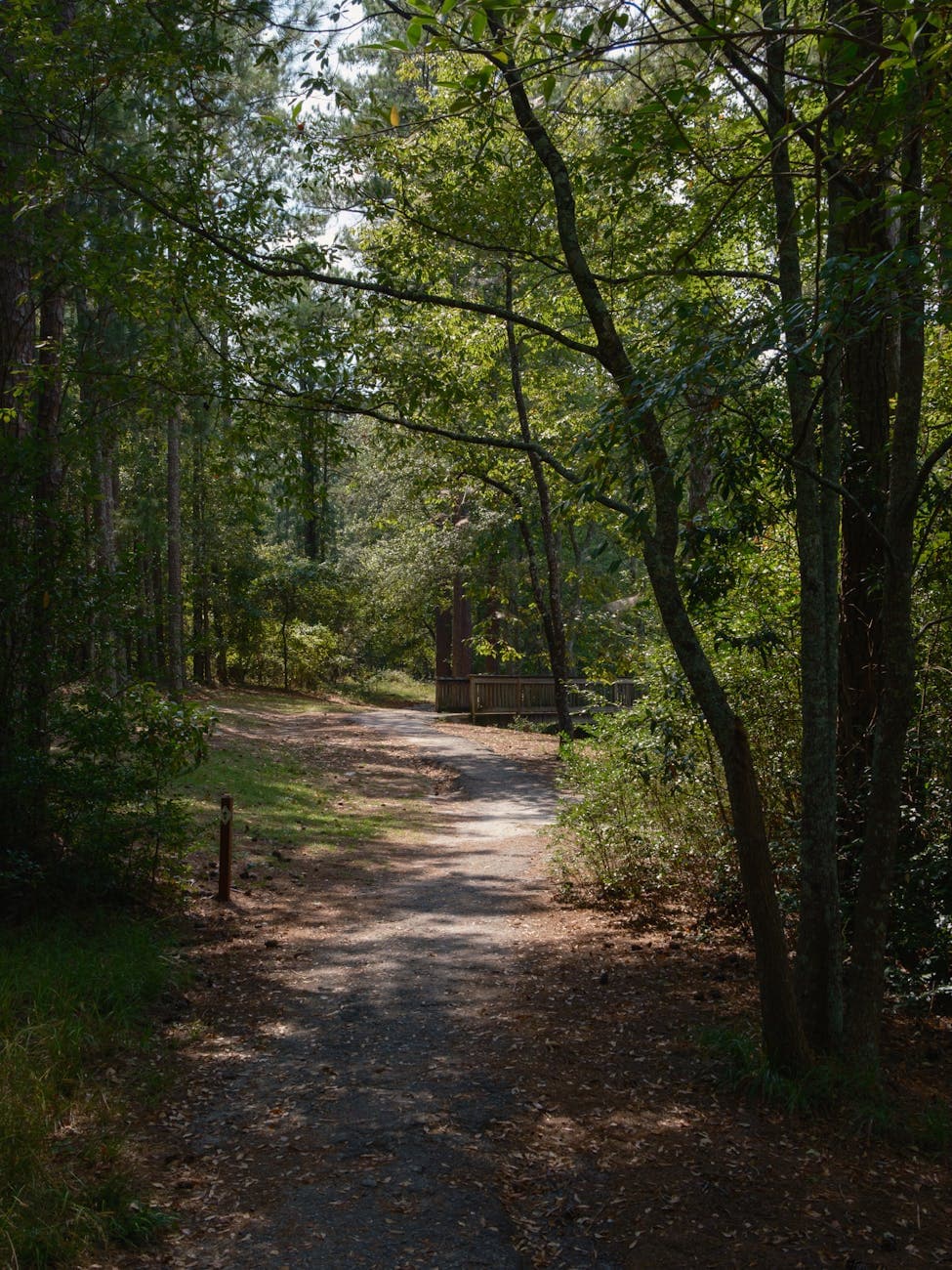
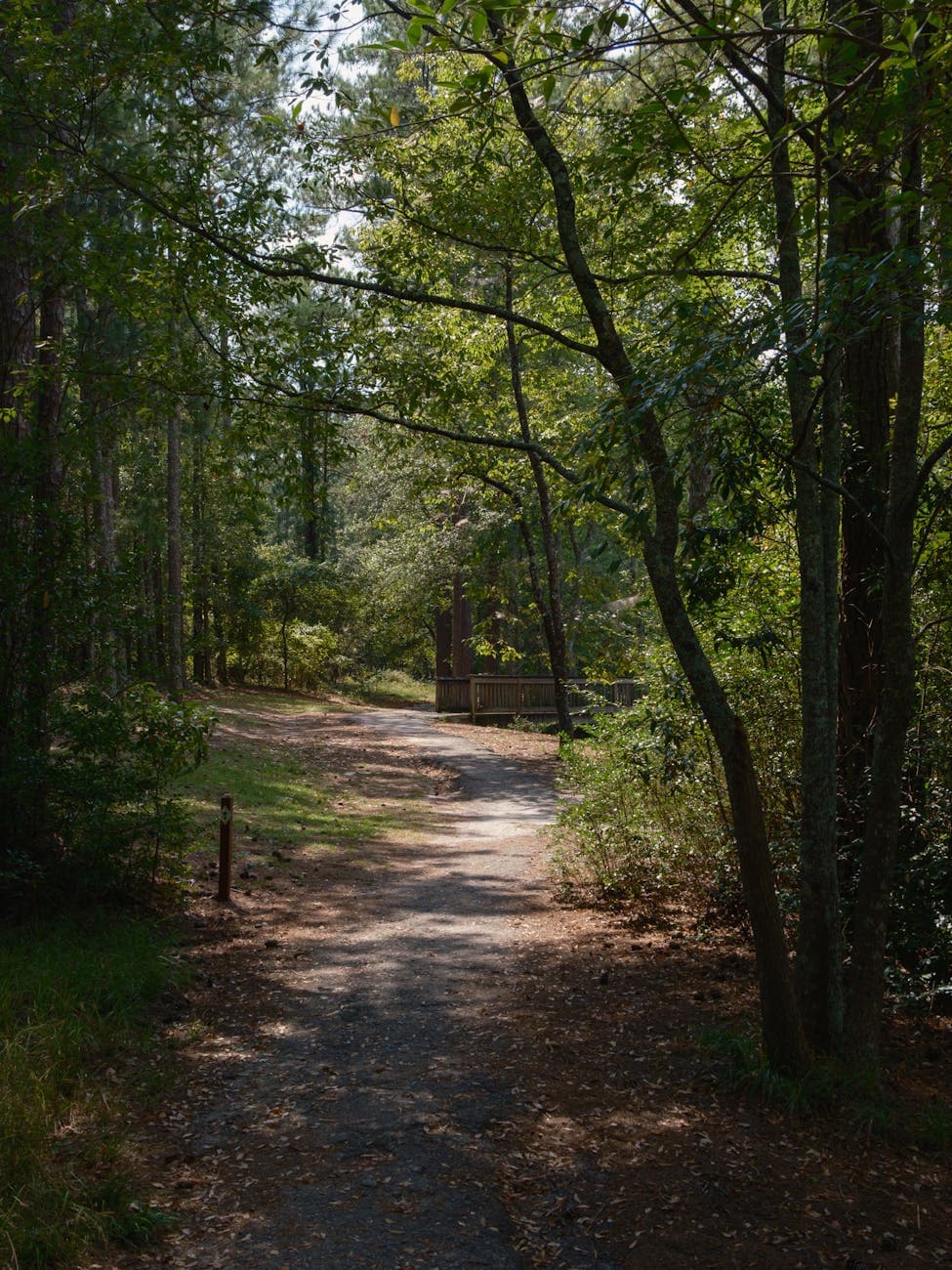
Early morning is when Botany Bay gives up its secrets most generously — oyster shell paths crunching underfoot, herons calling from the marsh, and the tabby ruins of Bleak Hall standing skeletal beneath moss-heavy oaks. Solo travelers will find this one of the most meditative stops of the trip; weekday mornings especially, you may not see another soul for stretches of trail.

Botany Bay
Alix Lee / pexels (Pexels License)
Bleak Hall's outbuildings photograph best in early morning side light; the shell rings on Fig Island are a quieter, textural alternative shot.
Trails here are uneven and unpaved — not wheelchair accessible, and benches are sparse, so pace yourself.
15 min driveA short hop from Botany Bay's entrance to the public beach access, marsh views giving way to open water.
12:30 PM - 4:00 PM
Edisto Island · afternoon · 210 min · Edisto Island & Botany Bay

After the marsh's hush, Edisto's beach opens wide and easy — flat sand, low crowds in fall, and enough space to walk for an hour without seeing another set of footprints. This is a good stretch to slow down entirely: read, wade, or simply watch shorebirds work the tideline. The maritime forest trails nearby offer a shaded midday break if the sun gets strong.

Edisto Island
Ammodramus / openverse (cc0)
The ghost forest at the eastern end glows best at golden hour, roughly an hour before sunset — worth timing your walk to end there.
Edisto Beach State Park sections are flat and wheelchair accessible with frequent benches, unlike Botany Bay's trails.
Optional detour: Edisto IslandAfter Botany Bay and before returning to lodging
Extending beach time into golden hour rewards you with the ghost forest's best light and a quieter, more solitary stretch of shoreline. Skip if: If the fall afternoon turns windy or cool faster than expected, cutting beach time short and heading back early is a reasonable trade.
If it rains: Heavy rain turns Botany Bay's trails muddy and slick — on a wet day, shift toward Beaufort's historic district or a nearby indoor museum instead, saving the marsh walk for clearer skies.

Morning belongs to Botany Bay's ruins and shell paths — a slow, solitary wander through tabby remnants and oak-shaded quiet that rewards patience and an early start.

The pace loosens further at Edisto's beach, where marsh gives way to open sand and the only agenda is watching tide and light shift over several unhurried hours.

As golden hour settles over the ghost forest, wind down the day watching the light fade over the water before heading back to rest, muscles pleasantly tired from a full day outdoors.

Gullah heritage

Day 3: Oak Shade and Living History: Saint Helena Island

A quieter, reflective day centered on Penn Center's cultural grounds, with roughly 1–2 miles of easy walking.

Wear
Comfortable shoes for shaded paths, a light layer for cool fall mornings, and modest, respectful attire appropriate for visiting a historic educational and cultural site.
Budget
$50 (lunch, small donations/admission, incidentals)
9:00 AM - 10:30 AM
Penn Center · morning · 90 min · Saint Helena Island & Penn Center

Arrive as the campus opens and soft morning light filters through live oaks heavy with Spanish moss — this is when Penn Center feels most like what it is: a place that has quietly witnessed profound change. Wander the shell-lined paths past Darrah Hall and the Brick Baptist Church, and take time in the museum spaces to absorb the story of the first school for freed African Americans in the South. Solo travelers often find the docents and small visitor groups here genuinely open to conversation.

Penn Center
Ken Lund / openverse (by-sa)
Darrah Hall framed by live oaks catches beautiful early light; the Brick Baptist Church grounds are best photographed before mid-morning crowds arrive.
Wheelchair accessible with flat paths and frequent benches throughout the main campus.
Optional detour: Penn CenterExtend within the same visit
The museum and archival spaces reward a longer, unhurried visit if you're drawn into the history — budget up to 2.5 hours if so. Skip if: If time is tight before heading back, the core grounds and main exhibits can be covered meaningfully in the shorter 90-minute window.
If it rains: Most of Penn Center's buildings are indoors, making this a naturally rain-friendly day — the museum and archival spaces remain fully open and worthwhile even in a downpour.

The final morning slows to Penn Center's unhurried rhythm — oak-shaded paths, shell crunching underfoot, and a campus that holds its history with quiet dignity rather than spectacle.

With the morning's reflection settled, the afternoon opens for a relaxed departure or extended wandering through Beaufort's nearby quiet squares before the trip winds down.

As the last Lowcountry light fades over oak canopies, there's little left to do but sit with the trip's slower rhythms — three days that moved, fittingly, at the pace of the tide.

Want to tweak this trip?

Our AI planner can customize this itinerary to your exact dates, interests, and travel style.

Customize This Itinerary
Good to Know

Restaurant details (hours, menus, availability) change frequently. Check current hours before visiting, especially in seasonal destinations.

Dietary compatibility tags are general guidance. If you have severe allergies, confirm directly with the restaurant.

Travel tips are general guidance, not professional safety advice. Check government advisories for latest information.

All prices are approximate and may vary seasonally.

We use cookies to improve your experience and analyze site usage. Essential cookies are always active. You can customize your preferences or accept all cookies. Cookie Policy