Nine Mile Canyon (near Price), Utah
3-Day Itinerary for Active Retirees
“Ancient Stone, Autumn Light: 3 Days in Nine Mile Canyon”
The canyon walls hold their stories in ochre and rust, thousands of years of Fremont and Ute hands pressed into stone, waiting quietly for anyone willing to slow down and look. In fall, the light softens, the crowds thin to almost nothing, and the 40-mile drive through this red-rock corridor becomes a meditation rather than an errand.
At a Glance
Highlights
- Trace petroglyph panels older than most written history
- Drive the world's longest art gallery at an unhurried pace
- Watch autumn light shift across canyon walls in real time
- Explore remote Fort Bottom ruins above the Green River
- Experience near-total solitude at Rochester Panel
- Take in Cottonwood Canyon's dramatic rock towers
- Settle into small-town Price for hearty evening meals
Day-by-Day Plan
Day 1: First Light on the Canyon Floor
A gentle introduction to the canyon's main rock art corridor, with minimal walking and generous rest time, covering roughly 1.5 miles total.
The canyon opens slowly, red and tan walls rising on either side as the road narrows, and within the first few miles you'll spot faint humanoid figures and spiral motifs pressed into the stone by hands centuries gone. Arrive by 8:30am and the silence is complete — no other vehicles, just wind through sagebrush and the occasional raven overhead. This is a driving-and-short-walk experience rather than a hike, so take it slow, pulling off at marked panels and giving yourself time to simply look.

A quieter, more intimate stop than the main corridor — the Rochester Panel rewards a slower look, with anthropomorphic figures carved into warm red sandstone that catches afternoon light beautifully. Benches aren't available, but the walk from the pullout is short and the pace here is unhurried; this is cultural depth over adventure, exactly the kind of stop that lingers in memory rather than the itinerary.

The drive into Nine Mile Canyon feels like stepping backward in time — the road narrows, canyon walls rise, and the first rock art panels appear almost without warning. Arriving early means the canyon belongs entirely to you, the light still soft and low, the silence unbroken by other vehicles.
After a slower stop at the Rochester Panel, the pace eases further. There's no rush to move on; the canyon rewards lingering, and this demographic's preference for depth over distance fits perfectly with an afternoon spent simply absorbing the scale and quiet of the place.
With the canyon road behind you, the return to Price brings the comfort of solid ground and familiar small-town rhythm. Settle in for the evening, resting up for another day among ancient stone.
Day 2: Ruins Above the River
A moderate day covering the canyon's more remote archaeological sites, with roughly 2 miles of walking across uneven terrain at a relaxed pace.
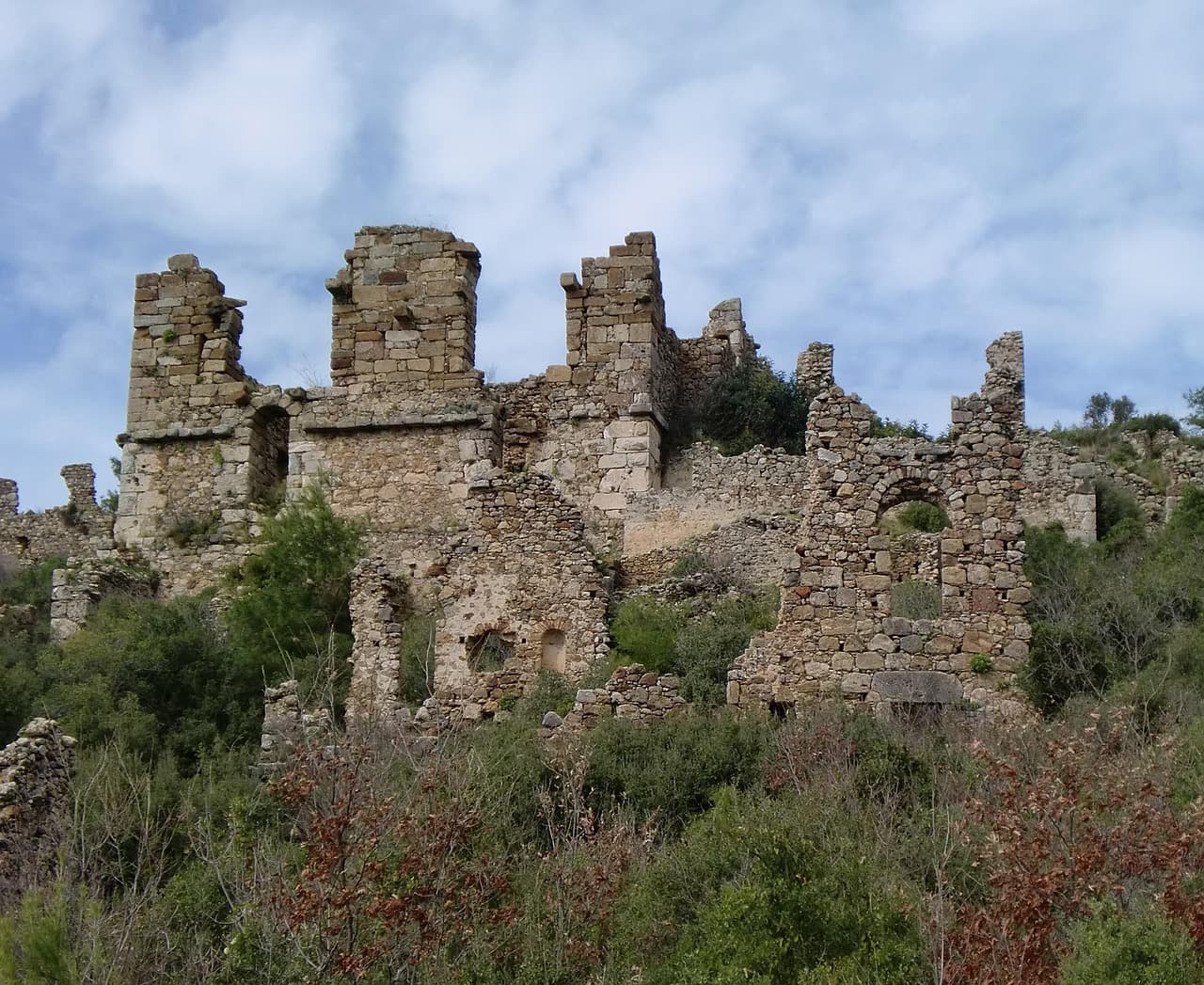
Stone granaries rise amber and weathered against a deep blue sky, perched where the Fremont once stored their harvest, with the Green River murmuring far below. This is one of the quietest sites in the canyon — even in peak season, you're unlikely to encounter more than a handful of other visitors, and arriving by 9am nearly guarantees solitude. The walk in is uneven but manageable at a relaxed pace, with frequent stops to take in the scale of the canyon.
A moderate walk leads to sweeping views where canyon ridges stretch to the horizon and the Green River traces a distant silver line below. Mid-morning tends to bring the most foot traffic, but by late morning to early afternoon the trail quiets considerably. Take this one slowly — there's no need to reach every viewpoint, and the desert silence itself is the reward.
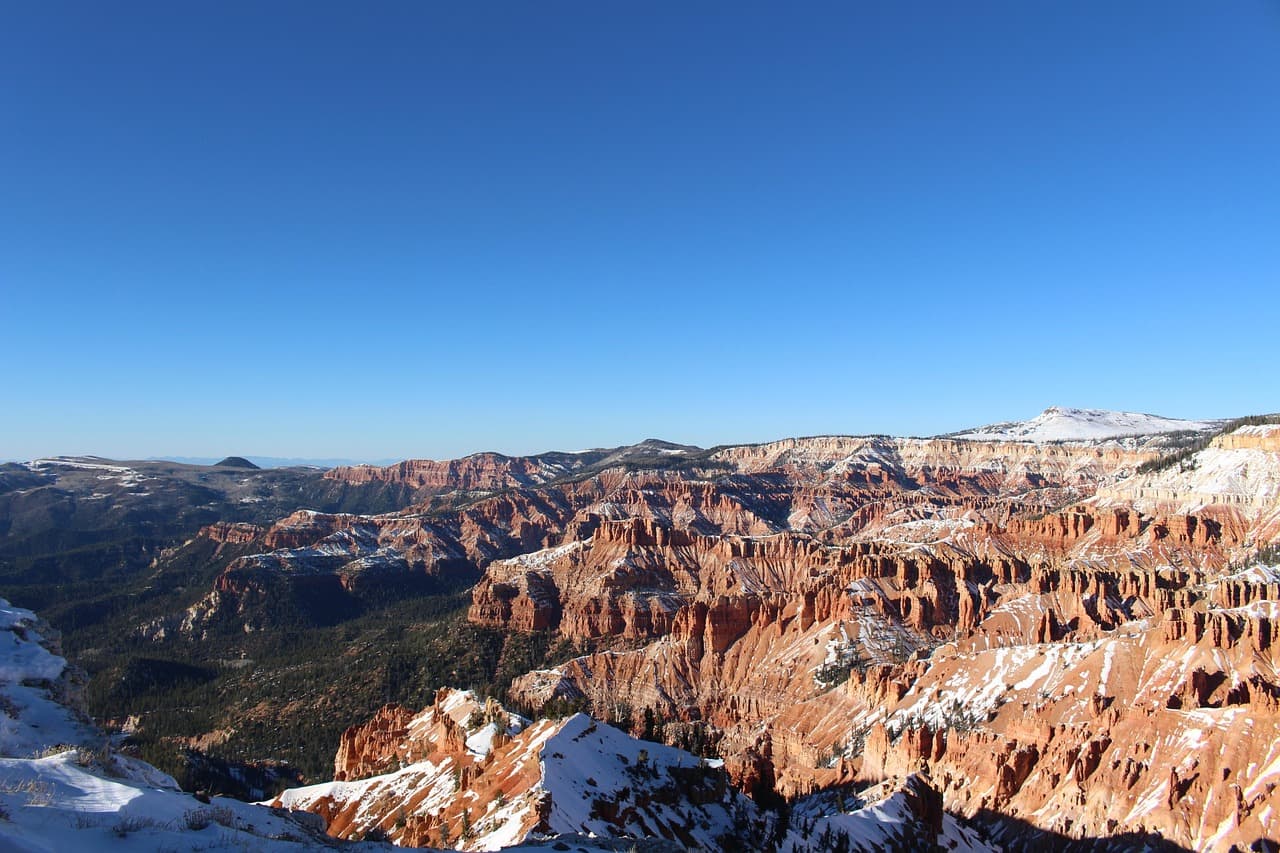
Fort Bottom Ruins ask for patience — the drive in is slow, the walk uneven, but the reward is a rare kind of solitude among stone structures that have stood since long before recorded history. The Green River hums somewhere below, a constant reminder of why this location was chosen so long ago.
The Green River Overlook Trail offers a change of pace — less archaeological, more purely scenic, with wide views that let the eyes rest after the morning's closer study of ruins. The pace remains gentle throughout, with plenty of opportunities to sit and take in the vista.
Return to Price as the light softens, the day's walking behind you and an evening of rest ahead. The canyon's silence gives way to the low hum of small-town life, a welcome contrast after a day spent in such remote country.
Day 3: Canyon Walls and Quiet Farewell
A lighter final day exploring Cottonwood Canyon's dramatic rock formations, with about 1.5 miles of easy walking at a relaxed pace.
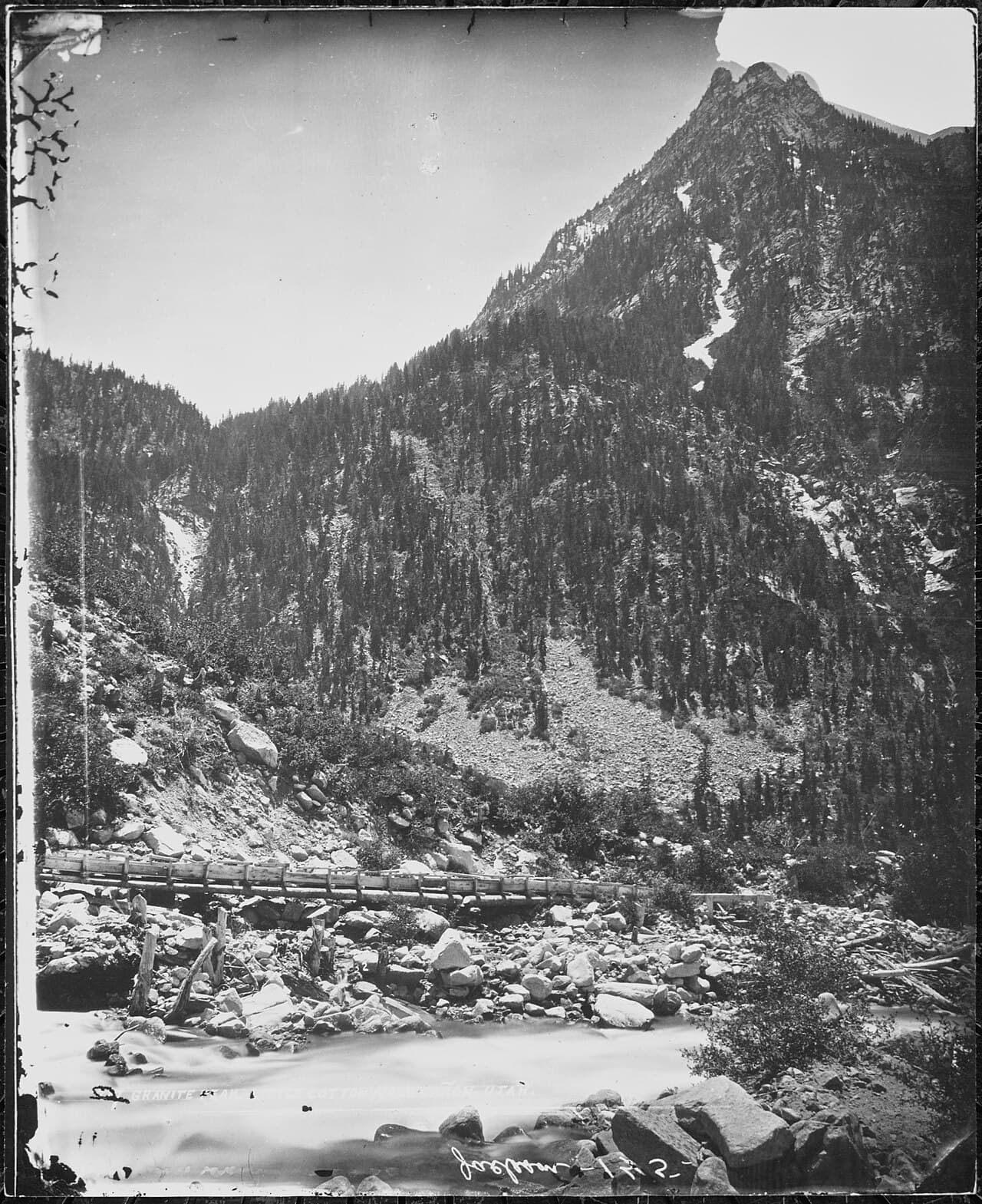
Red and tan stone towers rise overhead as the canyon narrows, cool shade settling across your shoulders even as the sun climbs. Weekday mornings in fall are notably quiet compared to summer weekends, and arriving early means the canyon floor and streambed bends are yours to explore without company. This is the day's main event — take it slowly, resting at any flat spots along the canyon floor, and let the scale of the place set the pace rather than a clock.
Cottonwood Canyon closes out the trip with its most dramatic scenery — towering red walls, cool shaded stretches, and a sense of raw canyon power that contrasts with the quieter, more intimate rock art sites of the previous two days. The pace stays gentle, with frequent pauses simply to look up.
With the morning's exploration complete, the remaining hours ease toward departure — time to retrace the canyon road back toward Price, taking in the scenery one last time without the pressure of a full itinerary ahead.
The final evening offers a quiet close to the trip, a chance to reflect on three days spent among some of the oldest human markings in the region, before the drive back toward Salt Lake City and onward journeys.
Want to tweak this trip?
Our AI planner can customize this itinerary to your exact dates, interests, and travel style.
Customize This ItineraryRestaurant and dining details, including hours and availability, change frequently and were limited for this remote area — always confirm options in Price before departing for the canyon each day.
Dietary compatibility tags are general guidance. If you have severe allergies, confirm directly with any restaurant you visit.
Travel tips are general guidance, not professional safety advice. Check road and weather conditions before entering the canyon, and consult current government advisories for the latest information.
All prices are approximate and may vary seasonally.