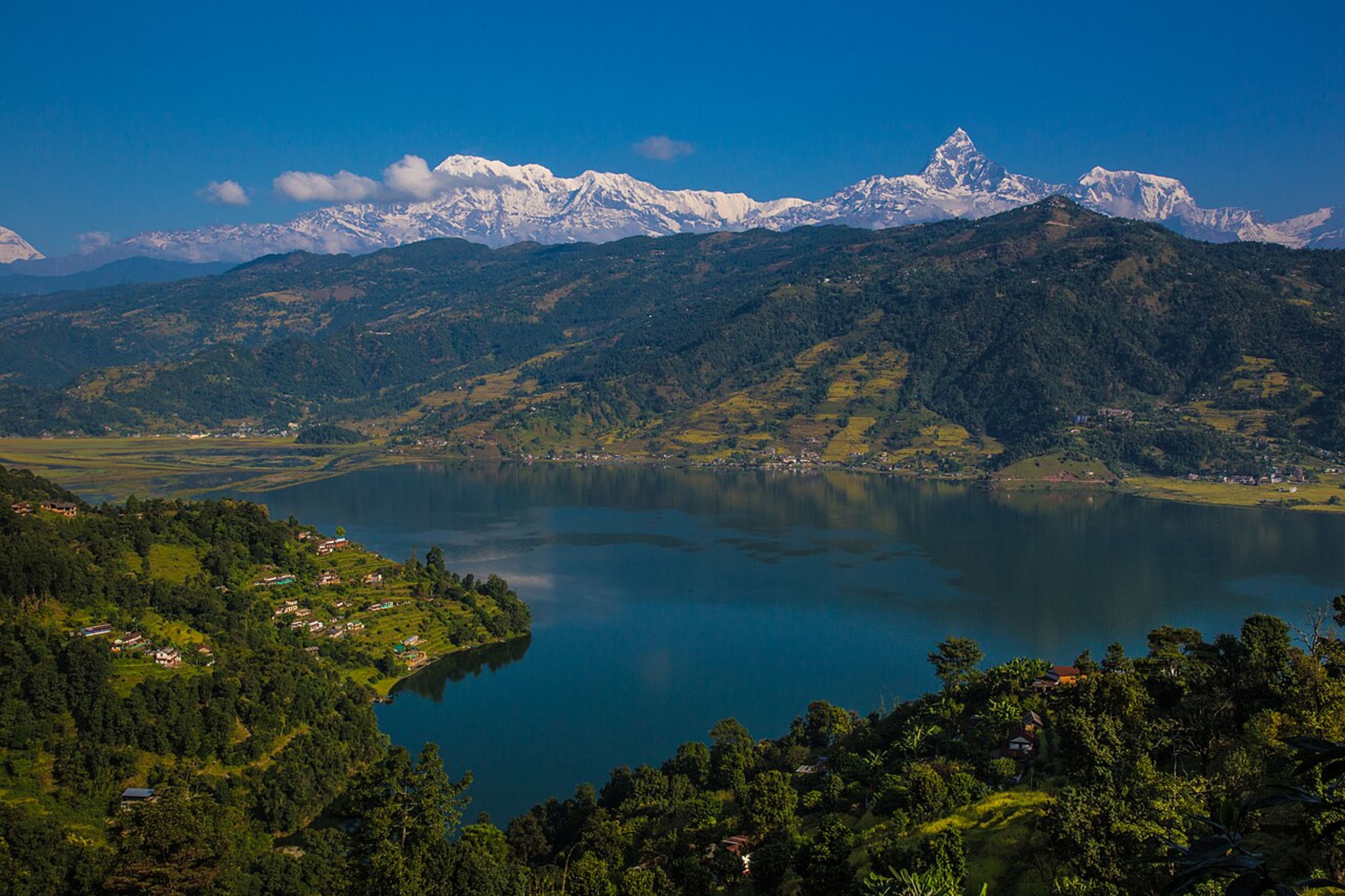
Kathmandu, Nepal
5-Day Itinerary for Active Retirees
“Golden Spires & Garden Hours: 5 Days in Kathmandu”

Bells drift over the valley at dawn while prayer flags stir in a breeze still carrying the chill of the Himalaya. Kathmandu in spring unfolds slowly here — courtyards warm in patches of sun, marigold garlands perfume the air, and there's always a bench in view of something extraordinary.
At a Glance
Highlights
- Sunrise stillness at Boudhanath's great stupa
- Marble quiet of the Garden of Dreams
- Wood-carved courtyards of Patan's Durbar Square
- Medieval streets of Bhaktapur at golden hour
- Himalayan panorama from Nagarkot's ridge
- Royal relics inside the National Museum
- Slow mornings before Thamel wakes
Day-by-Day Plan
Day 1: Arrival and the Slow Unfolding of Kathmandu Central
A light introduction to Kathmandu Central's royal squares and museums, with under a mile of flat walking and generous rest between stops.
Arrive as the doors open at 10am, when the galleries are nearly empty and the cool, climate-controlled quiet feels like a gentle landing after a long flight. Centuries of Nepali sculpture, thangka painting, and royal artifacts are arranged with scholarly calm — no crowds, no rush, just soft light on old stone and bronze. Benches are plentiful in the courtyard between wings, ideal for pacing yourself.

A five-minute stroll brings you to this hushed, intimate museum — one of the city's least crowded — where personal letters and royal memorabilia sit behind glass in near silence. It's a gentle contrast to the National Museum's grandeur: smaller in scale, easier on the legs, and rich with quiet human detail.
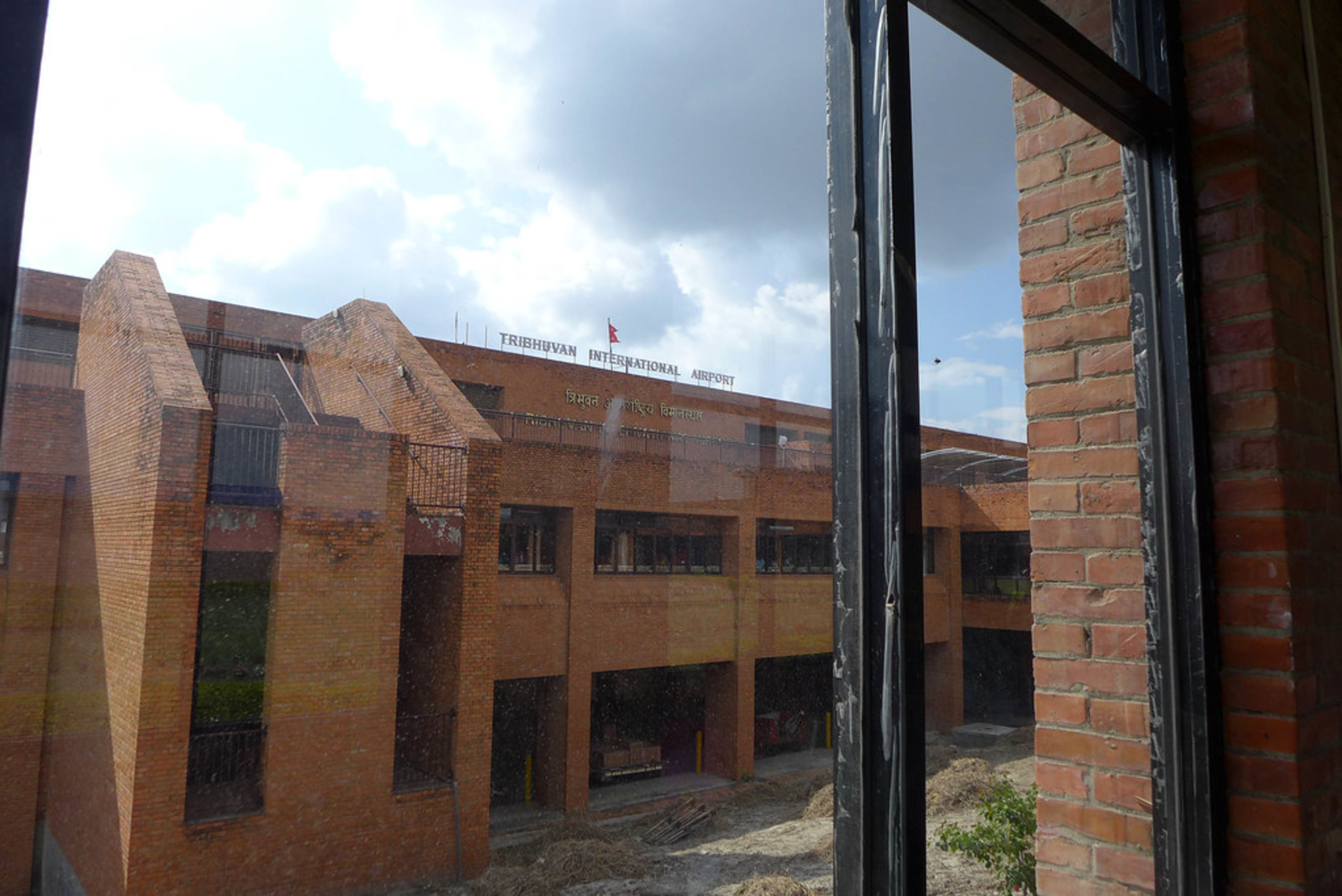
The day begins gently, with no early alarm — a late-morning arrival at the National Museum lets travel fatigue settle before stepping into cool, quiet galleries filled with centuries of Nepali artistry. Benches abound, air is climate-controlled, and there's no pressure to see everything.
A short, flat walk leads to the intimate Tribhuvan Museum, where the pace slows further still — glass cases of royal letters and photographs offer a quieter, more personal counterpoint to the morning's grandeur, all within an easy five-minute stroll.
Dinner at Global Cafe offers familiar comfort food in a relaxed setting, an easy way to close a light first day before an early night to recover from travel.
Day 2: Squares, Spires, and the Garden of Dreams
A half-day exploring Kathmandu Durbar Square's carved temples followed by a tranquil afternoon in the Garden of Dreams, roughly 1.5 miles of walking total.
Arrive by 7:30am and the square belongs almost entirely to pigeons, sweepers, and a handful of early worshippers — by 9:30 the crowds and tour groups arrive in force. Wander slowly among towering wooden temples, their carved eaves telling stories of gods and earthquakes alike; marigold garlands drape old stone, and bells ring out unpredictably from unseen courtyards. Benches and temple platforms offer plenty of places to sit and simply watch the square wake up.

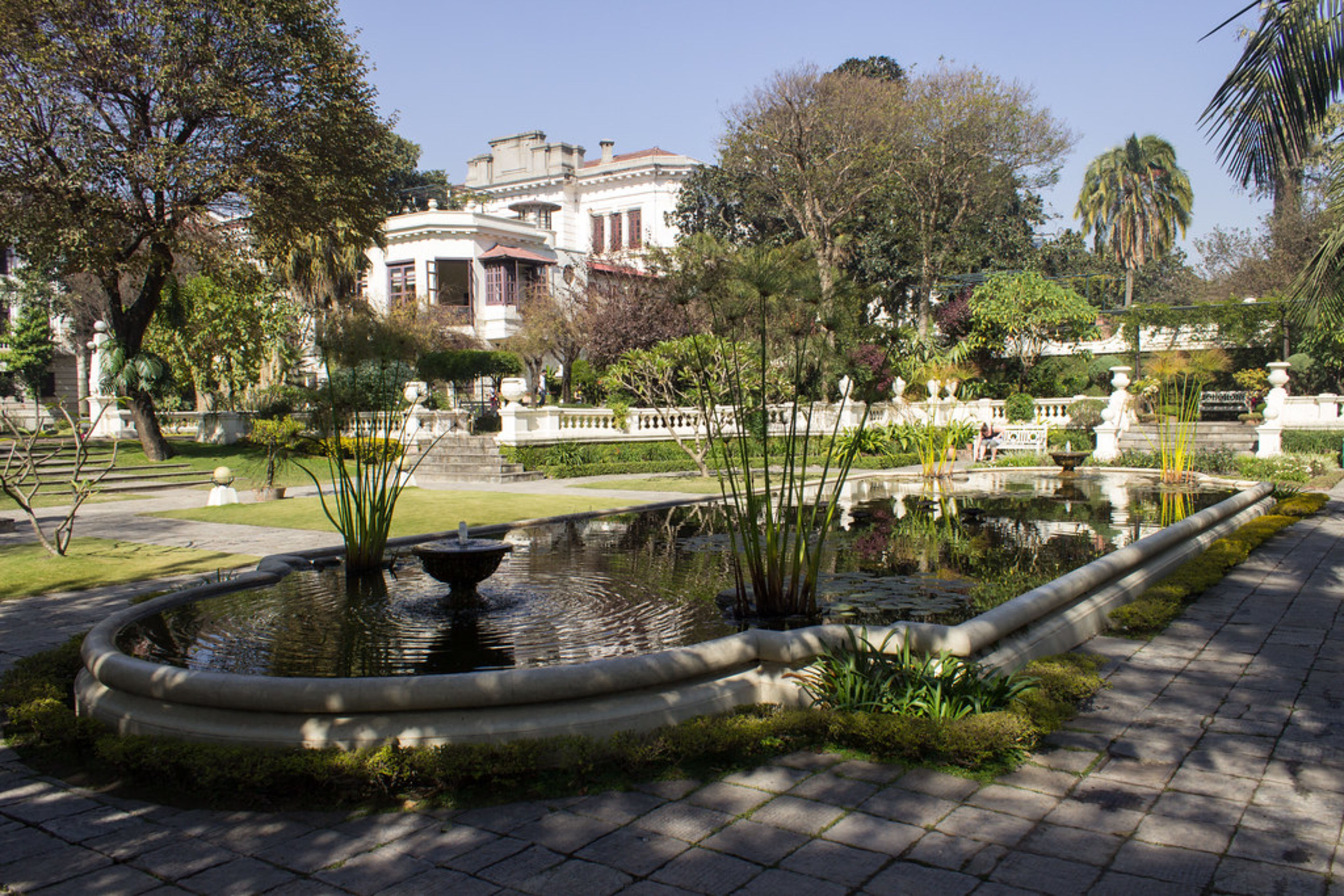
After a leisurely lunch, retreat into this walled Edwardian garden where fountains trickle, birdsong replaces traffic noise, and manicured lawns invite unhurried sitting. It's rated a perfect fit for this pace of travel — cool marble pavilions, shaded benches, and blooming spring flowers make it an ideal antidote to the morning's crowds.
An early, unhurried start rewards the effort — Kathmandu Durbar Square at 7:30am is calm enough to actually notice the carved details on centuries-old temples, with only the occasional bell or sweeping broom breaking the silence before the day's crowds descend.
Lunch settles into something slower and more social, then the pace shifts entirely at the Garden of Dreams — a walled sanctuary of trickling fountains and birdsong where the noise of the city disappears almost entirely behind old brick walls.
Dinner near the garden offers a relaxed close to the day, with comfortable seating and no need to rush before an early return to rest.
Day 3: Patan's Artisan Quiet
A single-cluster day centered on Patan Durbar Square's temples and metalworking courtyards, with minimal walking and long pauses for people-watching.
Arriving by 7am means having much of this UNESCO square to yourself — coppersmiths haven't yet started their hammering, and the light falls softly on carved wooden struts and brick courtyards. By mid-morning the square fills with both worshippers and tour groups, so this early window is precious. Take time to sit on stone plinths and simply watch artisans set up their stalls, the scent of incense mixing with metal dust.

The square wakes slowly, and arriving before 7am means watching Patan come to life — metalworkers setting up shop, temple caretakers sweeping courtyards, the light gradually warming carved wooden facades that have stood for centuries.
With just one cluster on today's agenda, the afternoon is left open for a long, unhurried lunch near the square, giving legs and mind a full rest before tomorrow's excursion further afield.
An early, quiet evening back at the hotel or nearby lets the day's walking settle — no evening activity is scheduled, honoring the day's gentler rhythm.
Day 4: Bhaktapur's Medieval Hush and Sacred Boudhanath
A day split between Bhaktapur's preserved medieval square in the morning and the meditative calm of Boudhanath Stupa in the late afternoon, with roughly 1.5 miles of gentle walking.
Bhaktapur rewards an early arrival more than almost anywhere else in the valley — by 7am, the square is nearly empty save for artisans setting up pottery wheels and the rhythmic scrape of wood carvers' chisels. The scent of clay dust and the hollow ring of temple gongs create an atmosphere unchanged for centuries. This is the valley's most authentic medieval streetscape, best absorbed slowly with frequent pauses on temple steps.

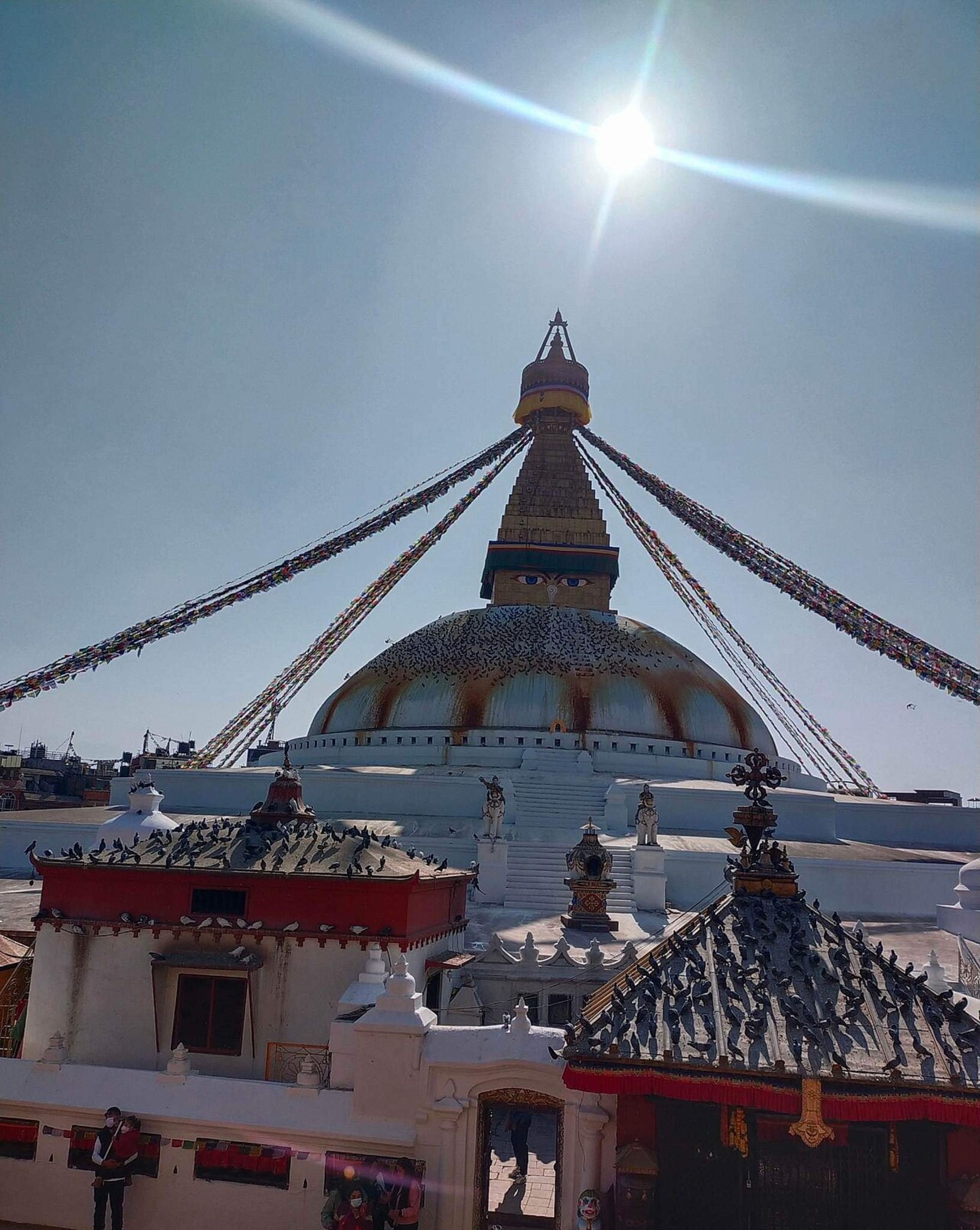
As afternoon light softens toward evening, the crowds thin and the stupa's golden spire catches the last sun of the day — this is rated one of the best-suited sacred sites for this pace, with a wide, flat circumambulation path perfect for slow walking. Butter lamps begin to flicker, low chanting drifts from surrounding monasteries, and the worn prayer wheels feel cool and smooth underhand. Staying past 7pm reveals the stupa at its most peaceful, as evening circumambulation begins.
Bhaktapur at dawn feels like stepping into another century — potters spin wheels in open courtyards, carvers work wood by hand, and the square's ancient temples cast long shadows as the town wakes slowly around its visitors.
A scenic drive back toward the city leads to Boudhanath as the afternoon light softens, the day's second half unfolding at an even gentler pace along the stupa's wide, flat circumambulation path.
As lamps flicker to life around the stupa and chanting rises from nearby monasteries, dinner nearby offers a peaceful close to one of the trip's richest, calmest days.
Day 5: Sunrise Over the Himalaya at Nagarkot
An early excursion to Nagarkot's ridge for sunrise views, followed by a relaxed return and light final afternoon in the city, covering minimal walking distance.
The pre-dawn drive up to Nagarkot rewards patience with one of the valley's most extraordinary sights: a 200-kilometer sweep of snow-capped peaks slowly catching first light. Arriving by 5am secures a quiet, unhurried spot before the sunrise rush fills the ridge; by 8am the crowds clear and haze begins to soften the view. Warm tea at a nearby lodge afterward is a welcome ritual as fingers thaw.
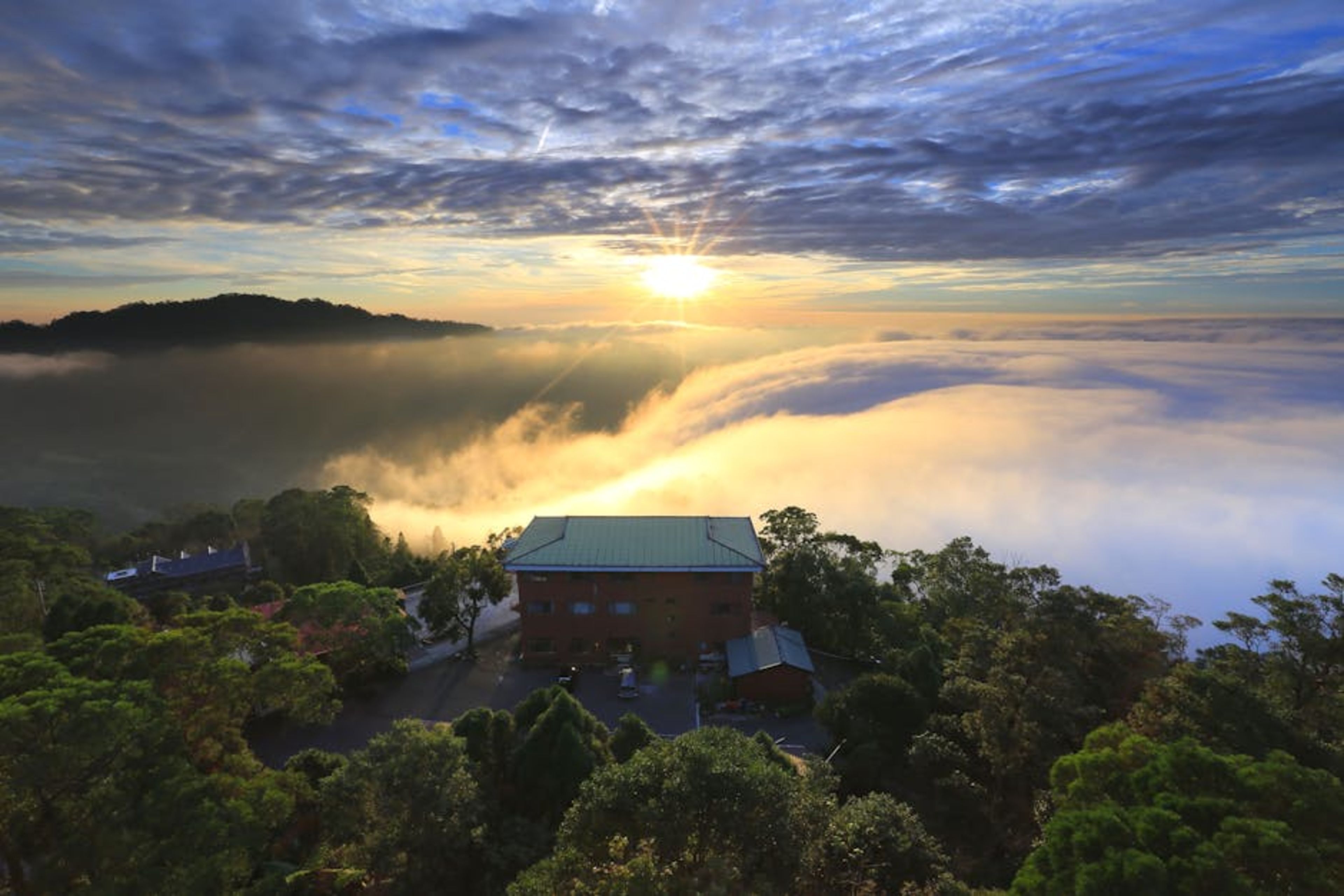
Bundled against pre-dawn chill, the drive up to Nagarkot's ridge culminates in a hushed, collective wait as darkness gives way to the Himalaya emerging peak by peak — an unforgettable, unhurried close to the trip's mountain chapter.
With the sunrise complete and the crowds cleared by mid-morning, the return drive to the city allows for rest, and the afternoon is left open for packing, reflection, or a final gentle stroll near the hotel.
A quiet final evening in Kathmandu closes the trip gently, with no scheduled activity — simply time to savor the last light over the valley before departure.
Want to tweak this trip?
Our AI planner can customize this itinerary to your exact dates, interests, and travel style.
Customize This ItineraryRestaurant details (hours, menus, availability) change frequently. Check current hours before visiting, especially in seasonal destinations.
Dietary compatibility tags are general guidance. If you have severe allergies, confirm directly with the restaurant.
Travel tips are general guidance, not professional safety advice. Check government advisories for latest information.
All prices are approximate and may vary seasonally.