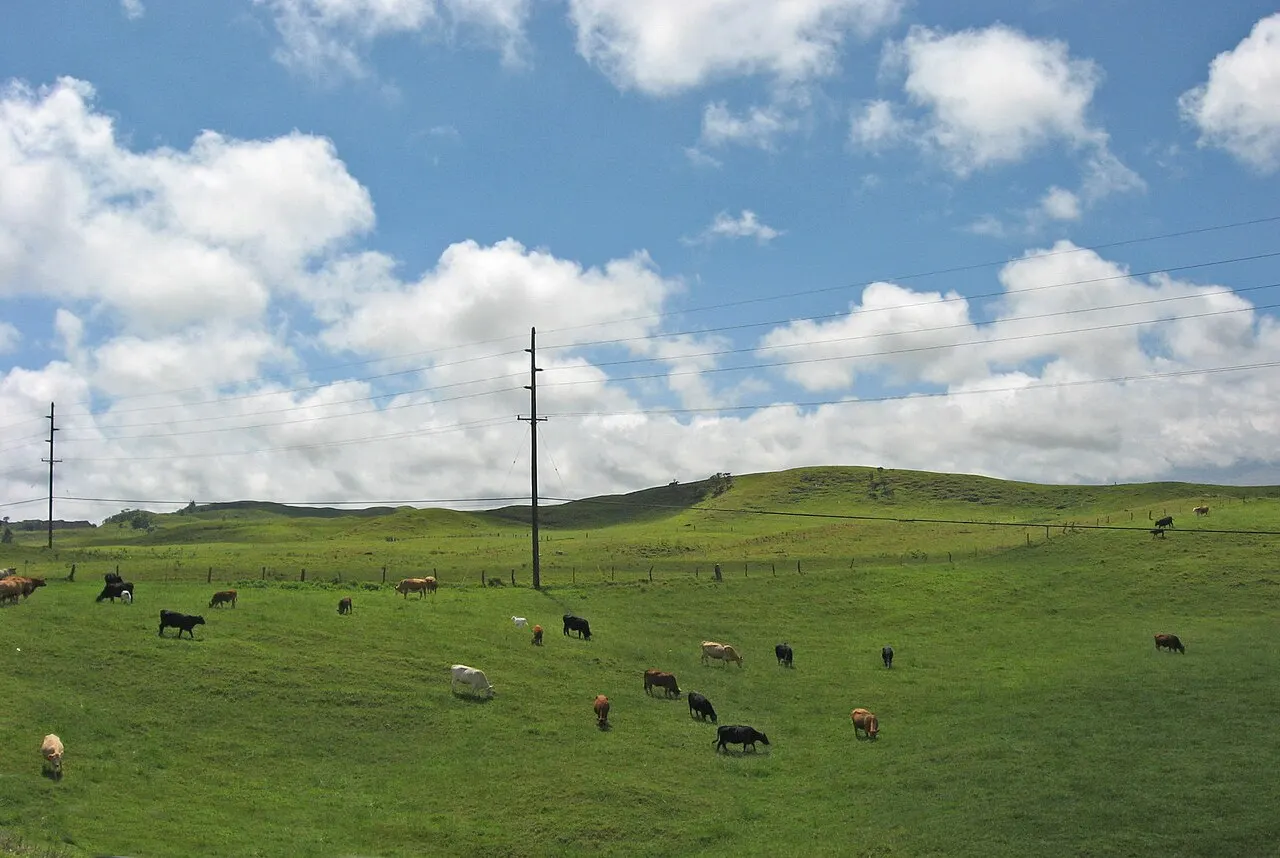
Molokai (quiet, east side), Hawaii
2-Day Itinerary for Active Retirees
“Windward Hush: Two Days of Cliffs, Blooms, and Falling Water on Molokai's East End”
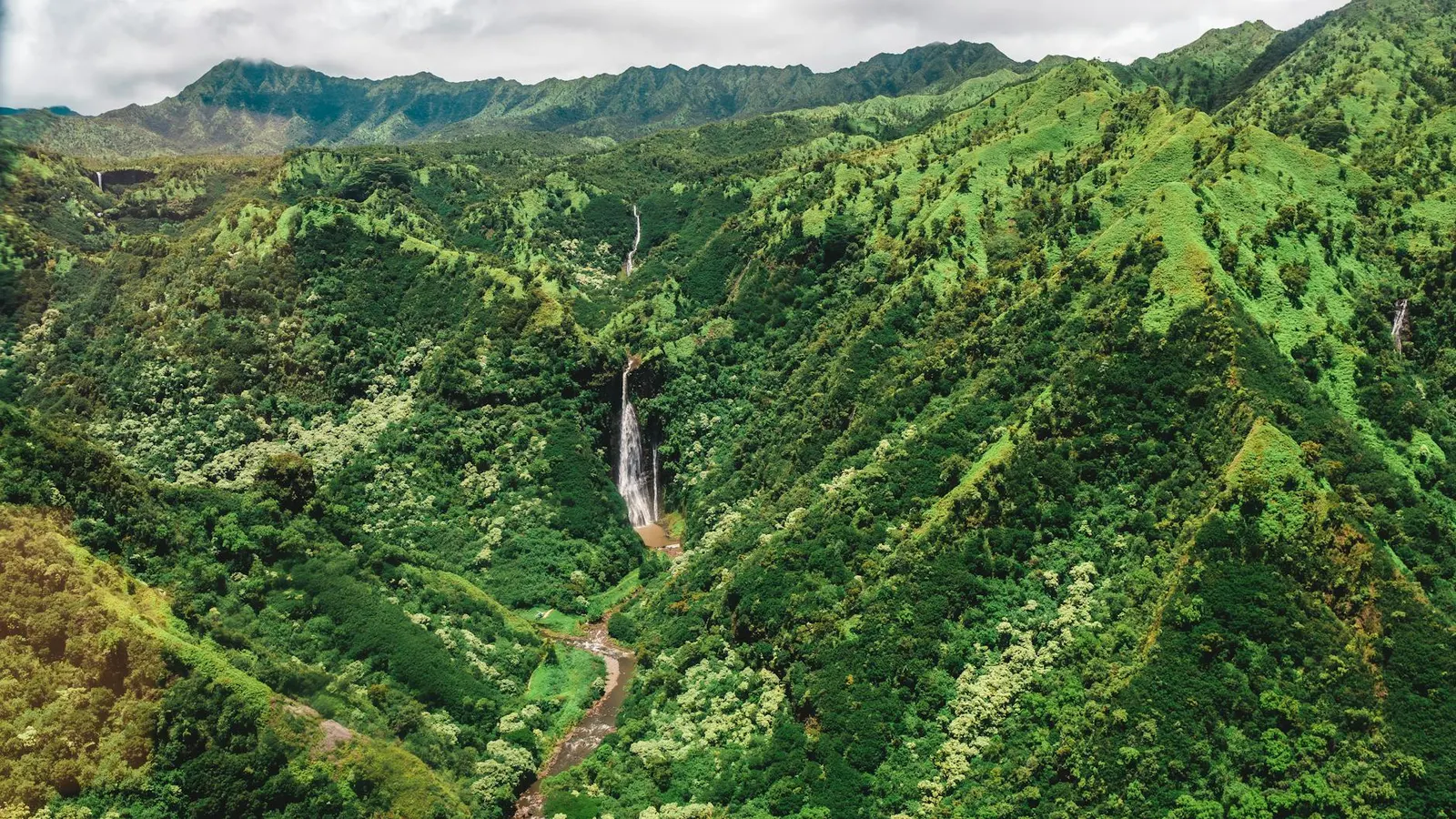
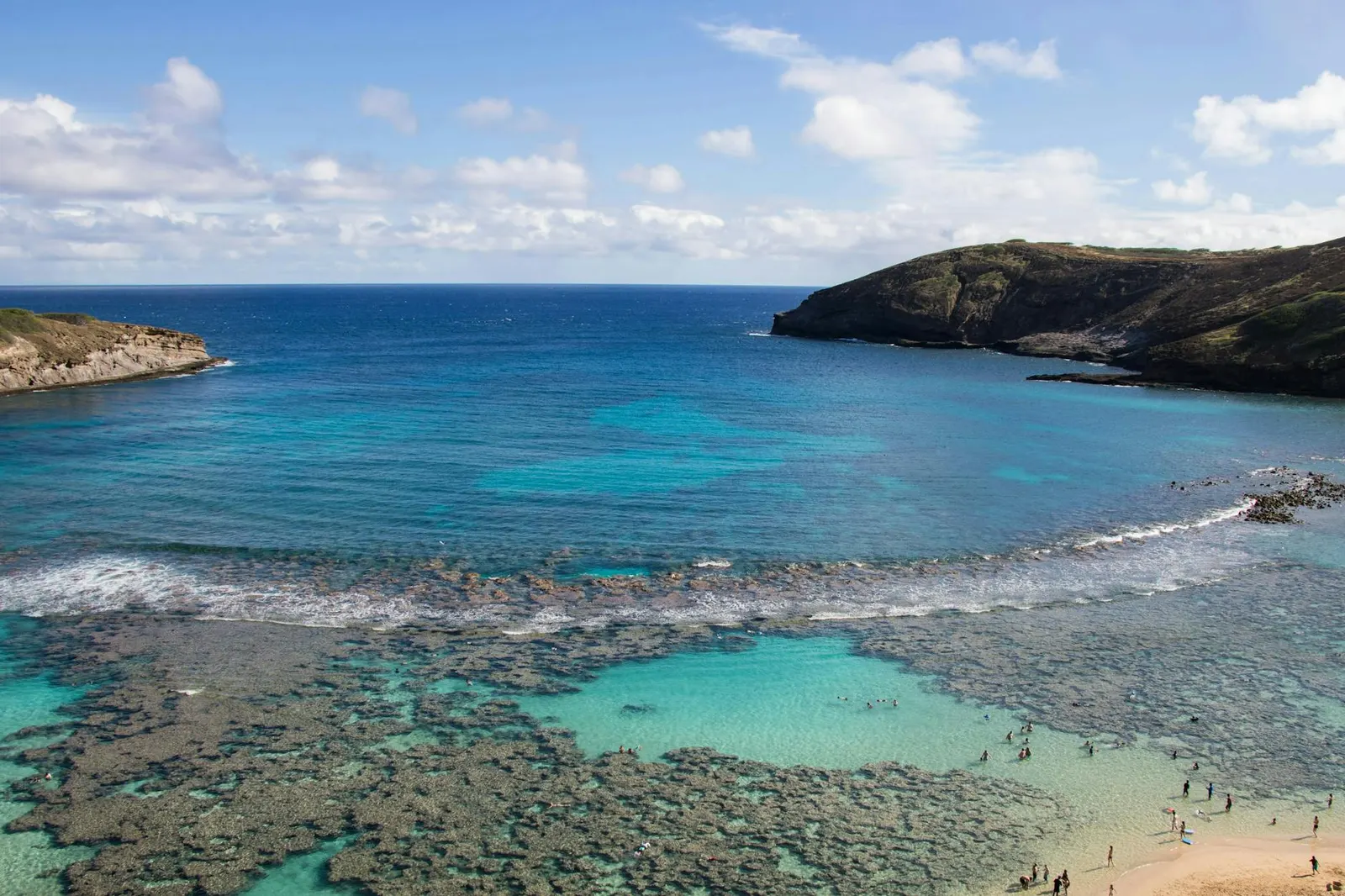
Out here, the pavement narrows, the trade wind carries the scent of plumeria and salt, and the loudest sound most mornings is surf against black rock. This is Molokai's east side — unhurried, uncrowded, and built for travelers who want depth over density, and a bench in the shade over a line at the ticket counter.
At a Glance
Highlights
- Dawn stillness at the Kalaupapa cliff overlooks, nearly 2,000 feet above a peninsula frozen in time
- Sweet plumeria groves and quiet artisan tables on a working flower farm
- A gentle, valley-floor introduction to Halawa's waterfall country, paced for comfort
- Golden-hour light raking across the sea cliffs of the East End Scenic Loop
- Wildflowers and rain-washed greenery typical of Molokai's spring shoulder season
- Long, unhurried lunches with real ocean views instead of resort buffets
- A genuine, undeveloped slice of old Hawaii — no high-rises, no cruise crowds
What do 2 days in Molokai (quiet, east side) look like for active retirees?
4 stops across 2 days, about 5 hours of sightseeing in all. The rest is yours for long lunches and unplanned detours.
| Day | Stop | Area | Suggested time | Typical visit |
|---|---|---|---|---|
| Day 1 | Kalaupapa Overlook Viewpoint | East End Scenic Loop | 8:00 AM - 8:45 AM | 45 min |
| Day 1 | Molokai Plumeria Farm | East End Scenic Loop | 10:00 AM - 11:00 AM | 1 hr |
| Day 1 | Kalaupapa National Historical Park | East End Scenic Loop | 1:00 PM - 1:30 PM | 30 min |
| Day 2 | Halawa Valley (waterfall hike) | Halawa Valley | 8:00 AM - 11:00 AM | 3 hr |
Each day opens as a route in Google Maps; the map file drops every stop into Google My Maps or an offline map app.
Day-by-Day Plan
Day 1: First Light on the Pali
A light, low-exertion day along the East End Scenic Loop with flat, accessible stops totaling under a mile of walking — ideal for settling into island time.
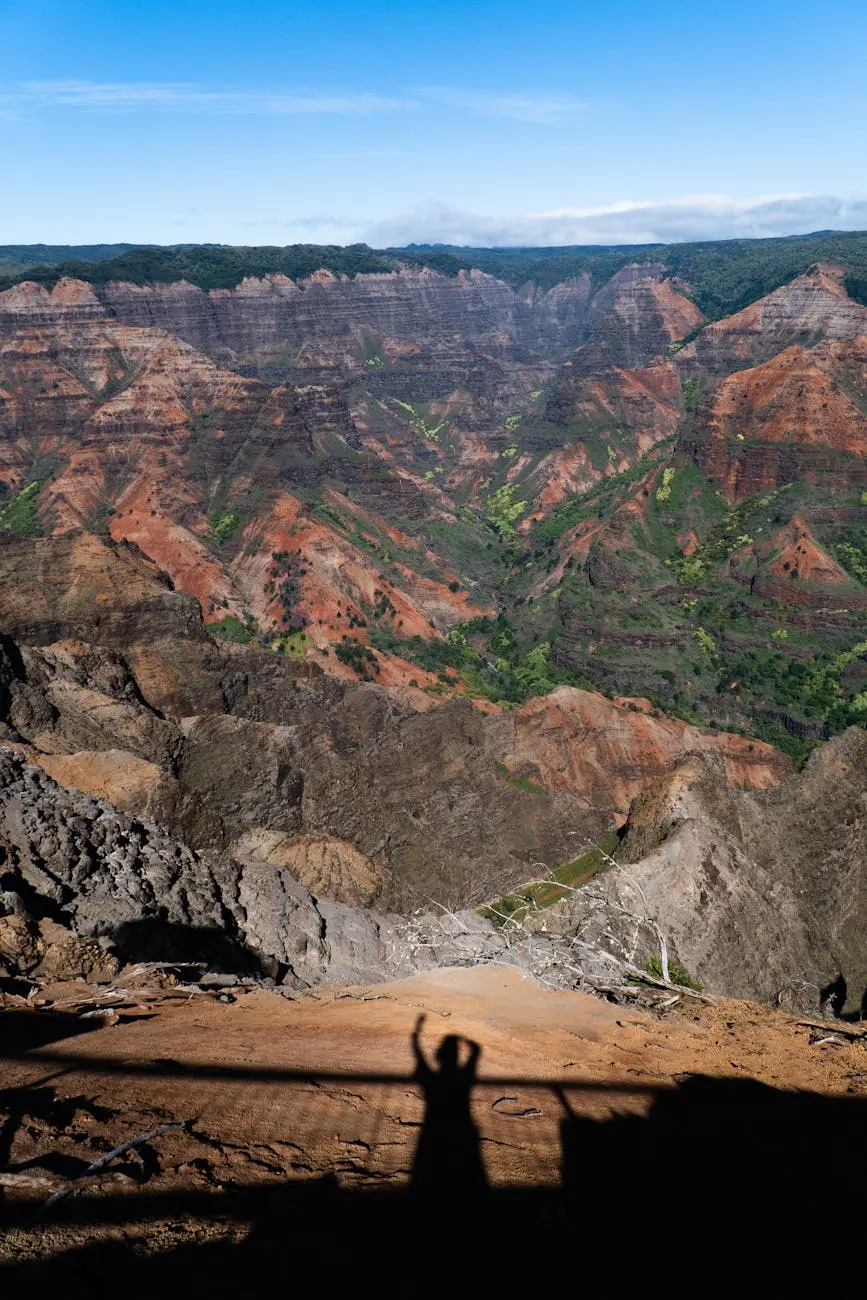
Arrive while the morning air still holds last night's cool and the cloud layer hasn't yet crept in — by 8am the railing is often yours alone. Nearly 2,000 feet below, the Kalaupapa peninsula sits improbably green against the sea, and the wind carries the distant cry of tropicbirds up the cliff face. Take it slow here; there's no rush, and the light is softest in these early hours.
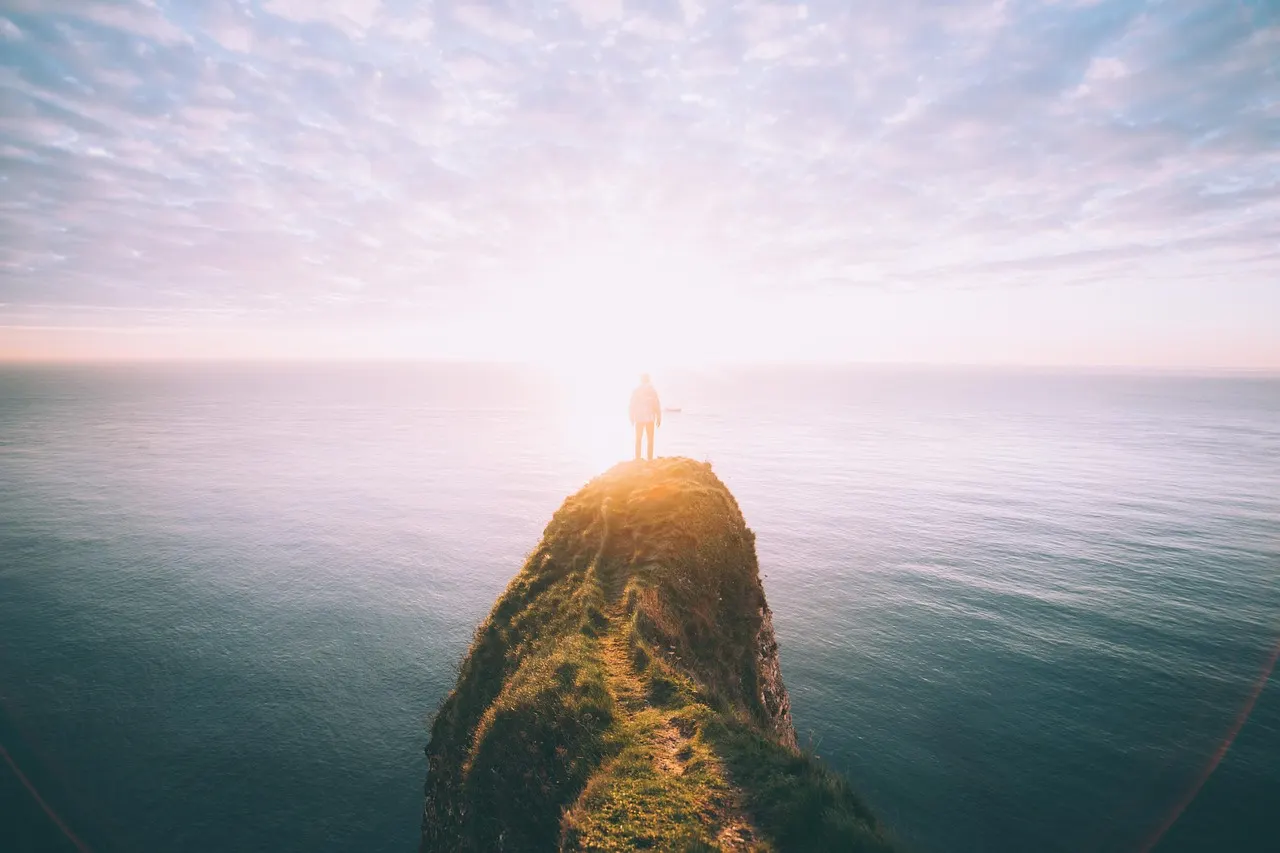
The drive down from the overlook trades wind-scoured cliffs for something sweeter — rows of plumeria trees heavy with pink, white, and yellow blossoms, their fragrance thickening the air before you've even parked. Wander the grove at an easy pace, pause on a bench near the artisan tables, and watch handmade leis take shape if a craftsperson is working that morning. It's a gentle, low-stimulation stop, perfect for lingering rather than rushing through.
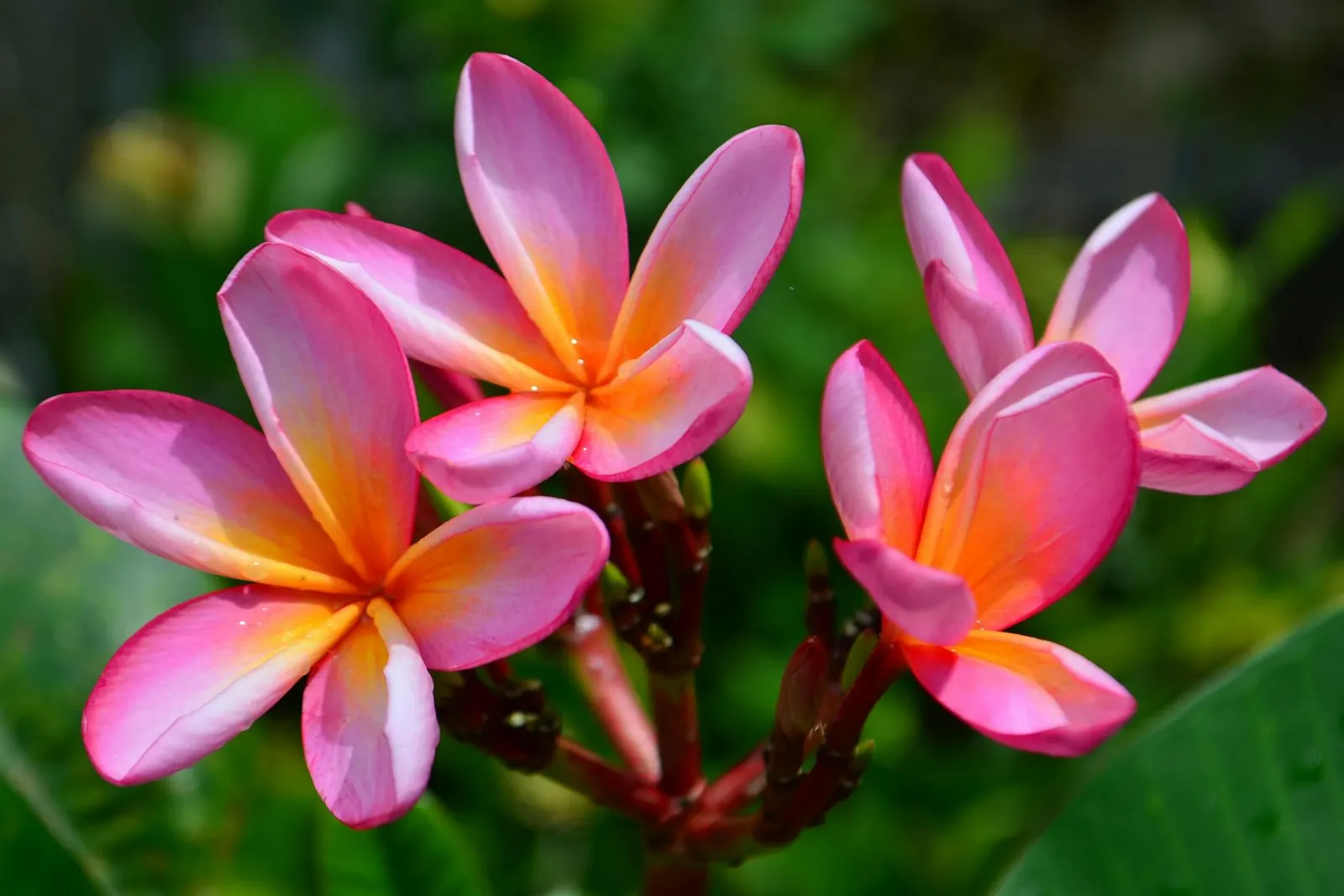
A second, slightly different vantage on the same remarkable peninsula — this lookout offers a wider profile of the pali and a quieter corner to sit with the history of the place. Hansen's disease patients once lived in near-total isolation on the green shelf below; the stillness up here invites a few minutes of simple reflection rather than hurried photography.
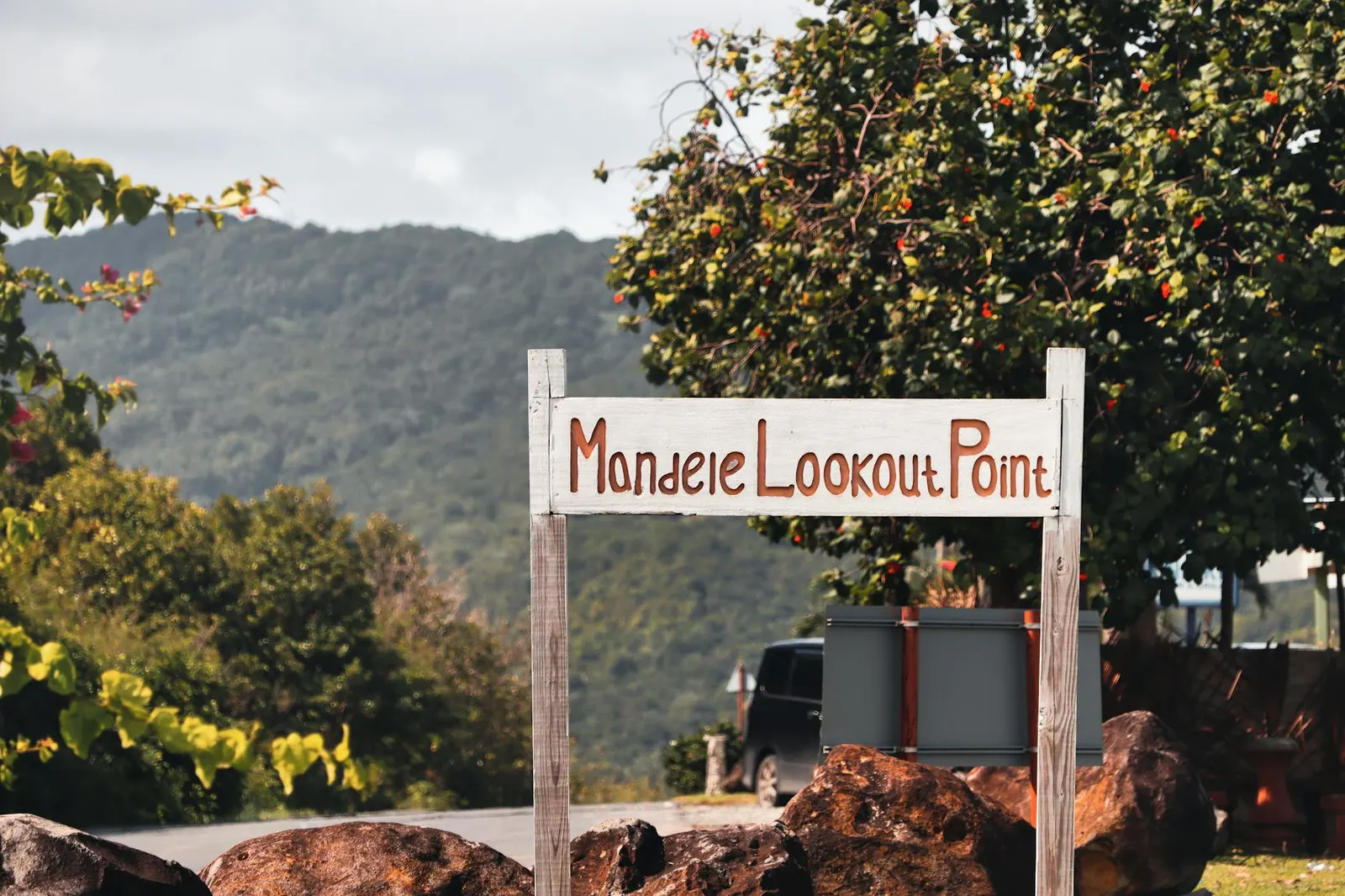
The day begins gently, with the overlook nearly empty in the cool early light and nothing but wind and distant birdsong for company. There's no itinerary pressure here — just the slow unveiling of one of Hawaii's most haunting landscapes, best absorbed standing still rather than rushing for the next photo.
The pace eases further after lunch, with a second, quieter look at the Kalaupapa cliffs from a different angle. Clouds often build by early afternoon, softening the view but adding a moody, contemplative quality — a fitting end to a day meant for settling in, not sightseeing at speed.
With no stops scheduled past midafternoon, the evening is left open for an early, unhurried dinner near your lodging and a full night's rest — a wise choice after a travel day, and good preparation for the slightly more active morning ahead in Halawa Valley.
Day 2: Into the Green Cathedral
A single, generously paced excursion into Halawa Valley's lower trail, with a long lunch and open afternoon — total walking kept modest and well within comfortable limits.
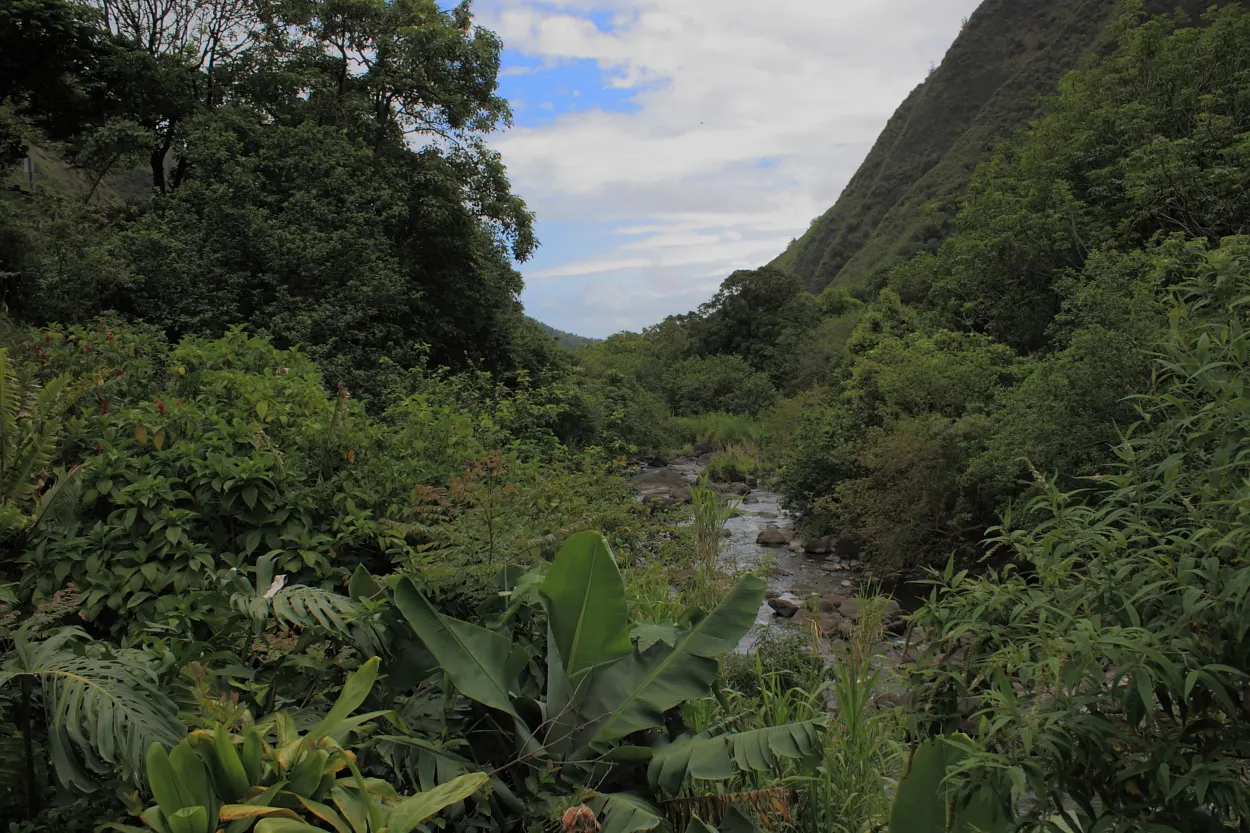
This is Molokai's most dramatic landscape, and while the full hike is rated strenuous, the lower valley floor itself — reached before the steepest climbing begins — offers a rich, immersive taste of the experience: mist drifting off wet rock faces, birdsong echoing between cliff walls, and cool mountain water underfoot. Go at your own pace, turn back whenever comfortable, and treat this as a contemplative walk through sacred ground rather than a summit push. Arriving by 8am means the trail is at its quietest, with most other hikers not yet arrived.
The drive out to Halawa unspools slowly along the coast, each bend revealing another stretch of empty, glittering shoreline before the road finally climbs into the valley's green hush. On the valley floor, the air turns cool and mineral-scented, mist curling off the rock while the sound of moving water replaces the wind — a walk meant to be felt more than photographed, taken at whatever pace feels comfortable.
After the valley, the afternoon opens up entirely — a long, unhurried lunch is the priority, followed by whatever rest or light activity suits the day's energy level. For those wanting one more gentle stop, a return to the Kalaupapa Overlook offers quiet, low-effort scenery to close the loop.
With no evening activities scheduled, the final hours are best spent somewhere comfortable with a view — an early dinner, a slow walk if energy allows, and a last look at the stars over the East End before the trip winds down. This is Molokai's gift: permission to simply stop moving and let the place settle in.
Planning the nights, too?
Compare places to stay around Molokai (quiet, east side), or browse tours and tickets to slot between the stops above.
Itinara may earn a commission when you book through these links, at no extra cost to you.
Want to tweak this trip?
Our AI planner can customize this itinerary to your exact dates, interests, and travel style.
Customize This ItineraryRestaurant details (hours, menus, availability) change frequently, and dining options on Molokai's east side are limited — confirm current hours before visiting and consider packing snacks as a backup.
Dietary compatibility tags are general guidance. If you have severe allergies, confirm directly with any dining venue before ordering.
Travel tips are general guidance, not professional safety advice. Check current trail, weather, and government advisories before any hike or water activity.
All prices are approximate and may vary seasonally.