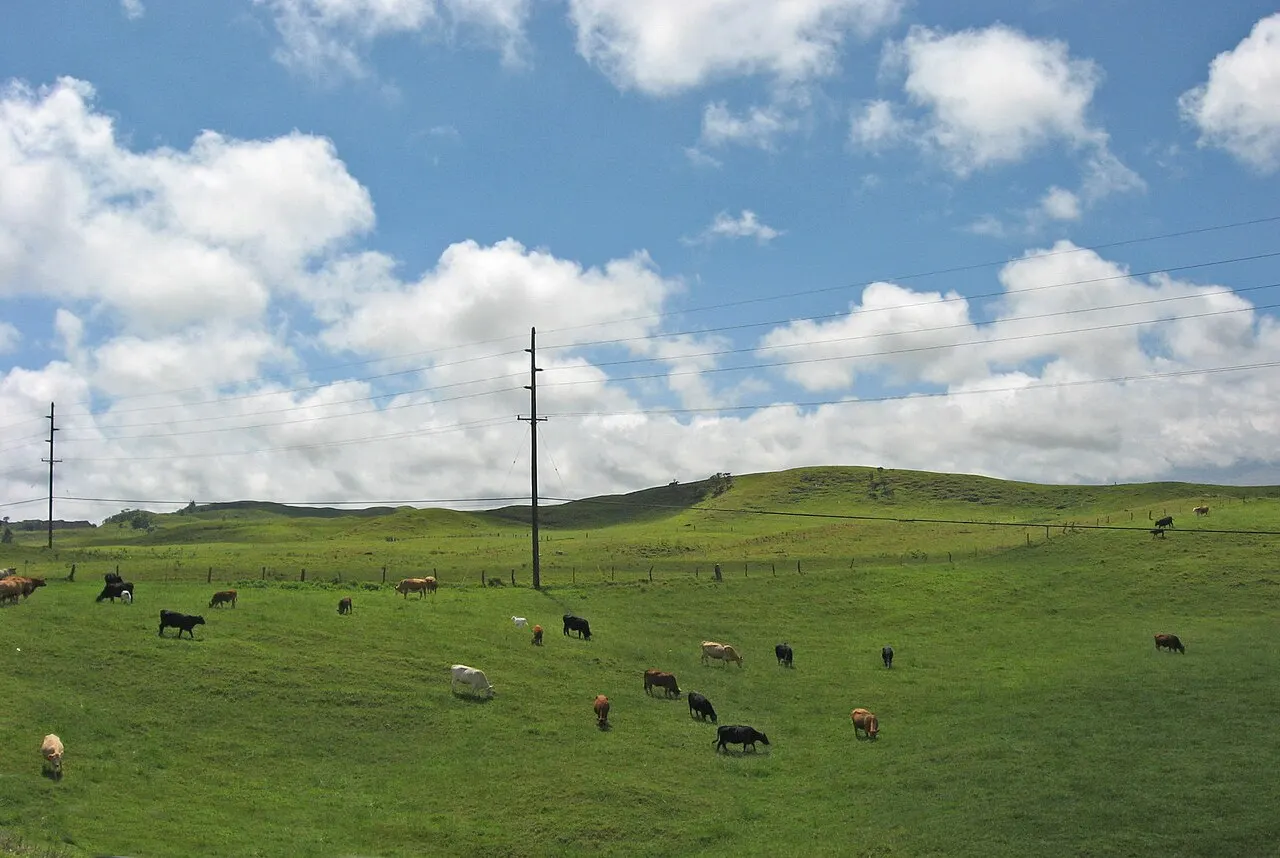
Molokai (quiet, east side), Hawaii
3-Day Itinerary for Teen Families
“Cliffs, Plumeria & the Valley of Falls: 3 Days on Molokai's Wild East Side”
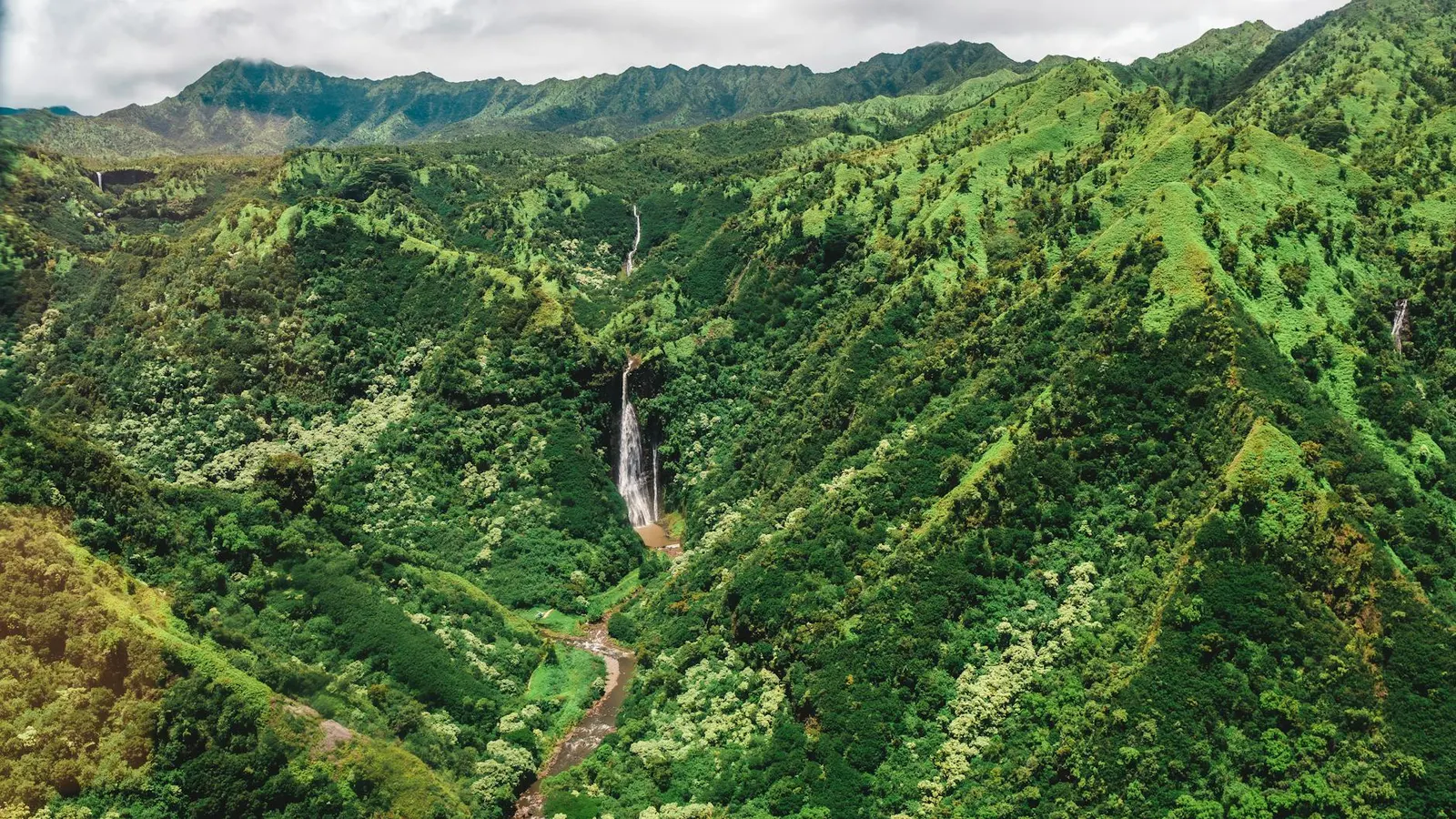
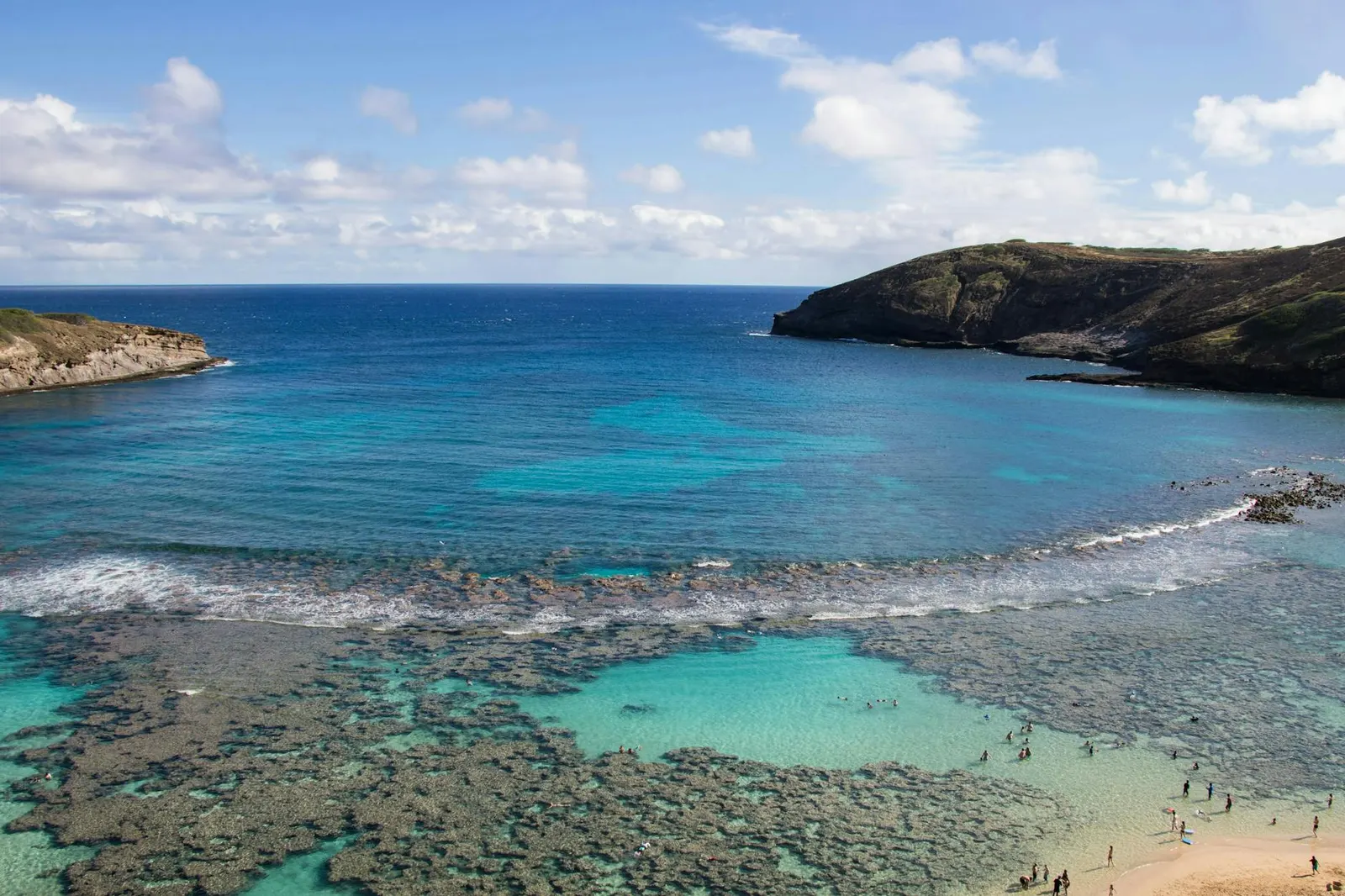
Out here, the road narrows to one lane and the island stops performing for anyone. The East End unspools in green switchbacks above a cobalt sea, plumeria perfume drifts across dirt parking lots, and at the end of the pavement, a valley thunders with a waterfall that's been falling since long before anyone thought to visit it.
At a Glance
Highlights
- Dawn-quiet overlook above the Kalaupapa peninsula, nearly 2,000 feet of cliff beneath your feet
- Barefoot wandering through a working plumeria farm that smells like the inside of a lei
- A real jungle waterfall hike in Halawa Valley, cold pools and all
- Golden-hour light raking across sea cliffs with almost no one else around
- Teen-friendly pacing — no forced marches, plenty of room to explore solo stretches of trail
- Spring wildflowers scattered along the coastal drive
- A slow, unhurried island rhythm that forces everyone to actually exhale
What do 3 days in Molokai (quiet, east side) look like for families with teens?
5 stops across 3 days, about 6 hours of sightseeing in all. The rest is yours for long lunches and unplanned detours.
| Day | Stop | Area | Suggested time | Typical visit |
|---|---|---|---|---|
| Day 1 | Kalaupapa Overlook Viewpoint | East End Scenic Loop | 9:30 AM - 10:15 AM | 45 min |
| Day 1 | Molokai Plumeria Farm | East End Scenic Loop | 11:00 AM - 12:00 PM | 45 min |
| Day 2 | Halawa Valley (waterfall hike) | Halawa Valley | 7:30 AM - 10:30 AM | 3 hr |
| Day 3 | Kalaupapa National Historical Park | East End Scenic Loop | 8:30 AM - 9:00 AM | 20 min |
| Day 3 | Kalaupapa Overlook Viewpoint | East End Scenic Loop | 9:30 AM - 10:15 AM | 45 min |
Each day opens as a route in Google Maps; the map file drops every stop into Google My Maps or an offline map app.
Day-by-Day Plan
Day 1: Arrival & the Long Exhale Above the Pali
A deliberately light first day — settle in, then ease into the island with two low-effort, high-reward stops along the East End Scenic Loop, totaling under 2 miles of walking.
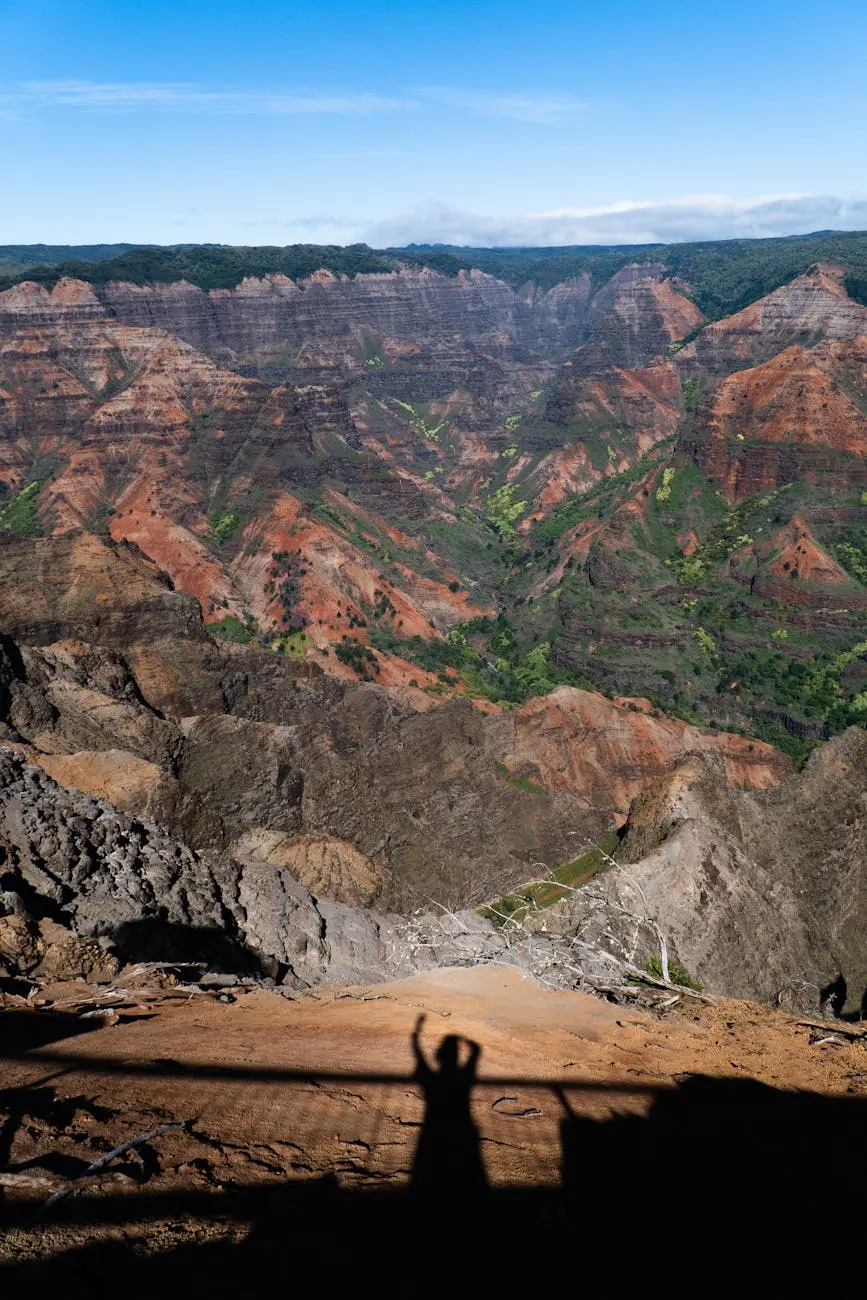
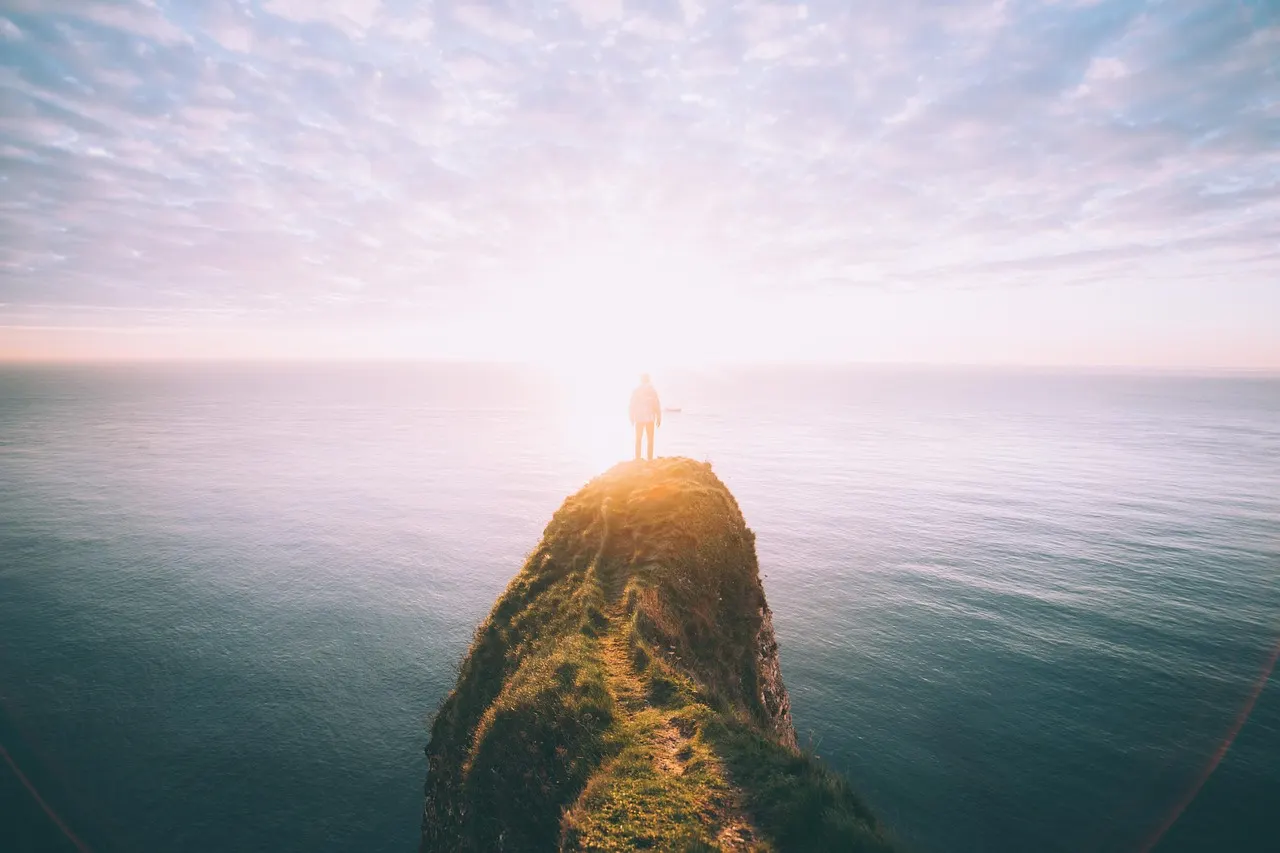
After the flight and the long, winding drive out, this is the right place to simply stand still. The wind comes off the Pacific in long gusts, tropicbirds wheel below the railing, and nearly 2,000 feet down sits the Kalaupapa peninsula — a place that once held an entire exiled community, now impossibly green and quiet. Arrive before 10 AM and you'll likely have the railing to yourselves; by midday a few more cars trickle in.
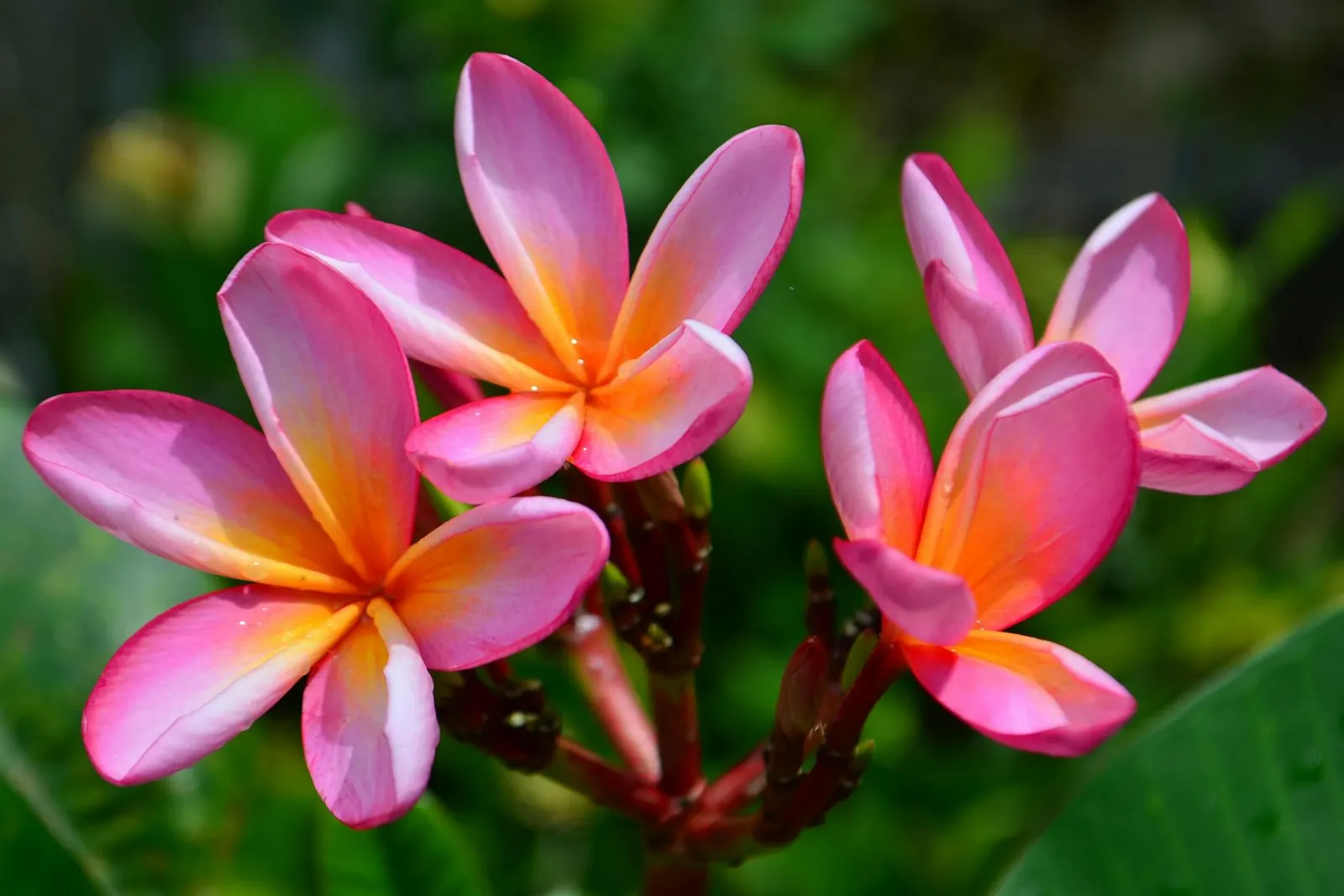
The drive down from the overlook drops you into warmer, stiller air thick with plumeria scent — especially heady if it's rained recently, which spring tends to deliver. Wander the grove at your own pace; teens tend to loosen up here, snapping photos among the blossoms while parents chat with the growers about the handmade lei laid out on weathered tables. It's unhurried, low-stakes, and a gentle landing after travel.
Day one is about landing softly. After settling into the east side, the first stop is the Kalaupapa Overlook — no hike required, just a short walk to a railing and one of the most humbling views in Hawaii. The wind is bracing, the scale is vertigo-inducing in the best way, and there's no rush to move on.
From the cliffs, the road curls down into warmer air and the Molokai Plumeria Farm, where the pace drops even further. This is a wander-and-smell kind of stop — no itinerary pressure, just flowers, shade, and a chance to let travel fatigue settle out of everyone's shoulders before dinner.
Keep the evening unstructured: settle into lodging, let teens have some downtime to recharge devices and decompress, and turn in early. Tomorrow's valley hike asks more of everyone, so an early, easy night pays off.
Day 2: Into Halawa — Mist, Stone, and the Sound of Falling Water
The adventure day — a substantial guided hike into Halawa Valley to a waterfall and swimming pool, roughly 3-4 miles round trip with moderate elevation and stream crossings.
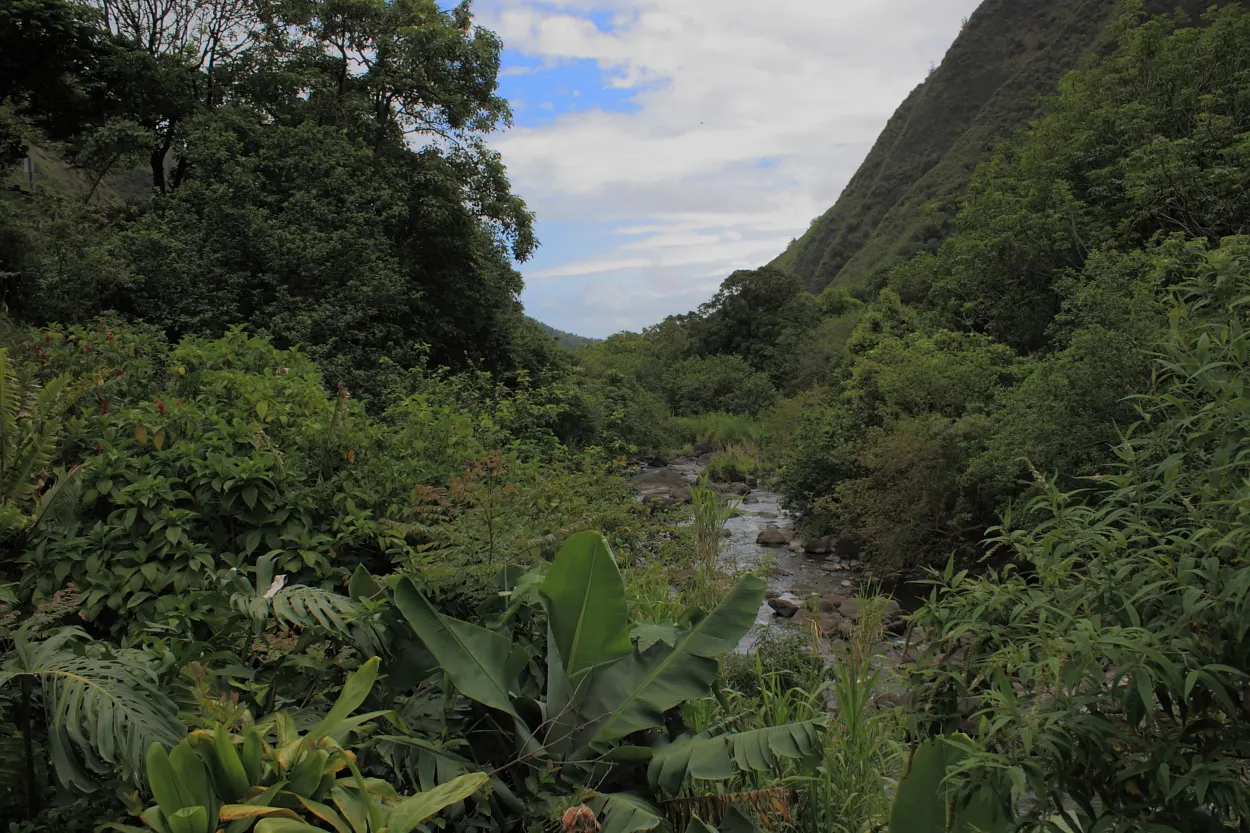
This is the heart of the trip. The trail pushes into a valley so lush it feels prehistoric — mist clinging to rock faces, birdsong bouncing between cliff walls, cold stream water splashing over bare feet at every crossing. Arrive by 7:30 AM and the trail is yours and a handful of early hikers; by 9 AM groups start arriving. Teens generally love the scramble-and-swim nature of it — there's real adventure here without it being technically dangerous — while the valley's cultural significance (ask your guide about it) gives parents something substantial to anchor the day's conversation around.
The day starts early and deliberately — an early departure puts you on the Halawa trail before the heat and the crowds arrive. The hike itself is immersive: thick ferns, cool mist, the valley narrowing around you as the sound of the waterfall grows louder with every bend. Pack a lunch to eat streamside or near the falls, since dining options are limited out here — plan proper meals around town rather than the trailhead.
By early afternoon, the group emerges from the valley tired but buzzing — this is usually the trip's highlight for teens especially. The drive back along the coast gives everyone a chance to decompress, windows down, salt air replacing jungle humidity. Keep the rest of the afternoon loose and low-key; muscles will be tired and that's fine.
Dinner should be simple and early tonight — bodies are worked, and the island's unlit roads make a slow, early return to lodging the smart call. Let the day's adventure be the story told over the meal.
Day 3: Last Light on the Loop
A relaxed closing day retracing the East End Scenic Loop at a different time of day, with golden-hour photography and unhurried wandering, under 2 miles of walking total.
One more look at the peninsula, this time with legs tired from yesterday's hike and a different kind of appreciation for how remote and dramatic this place really is. Early light here is softer and the wind usually calmer than midday — a good window for the group to simply stand and take it in one last time before heading home.
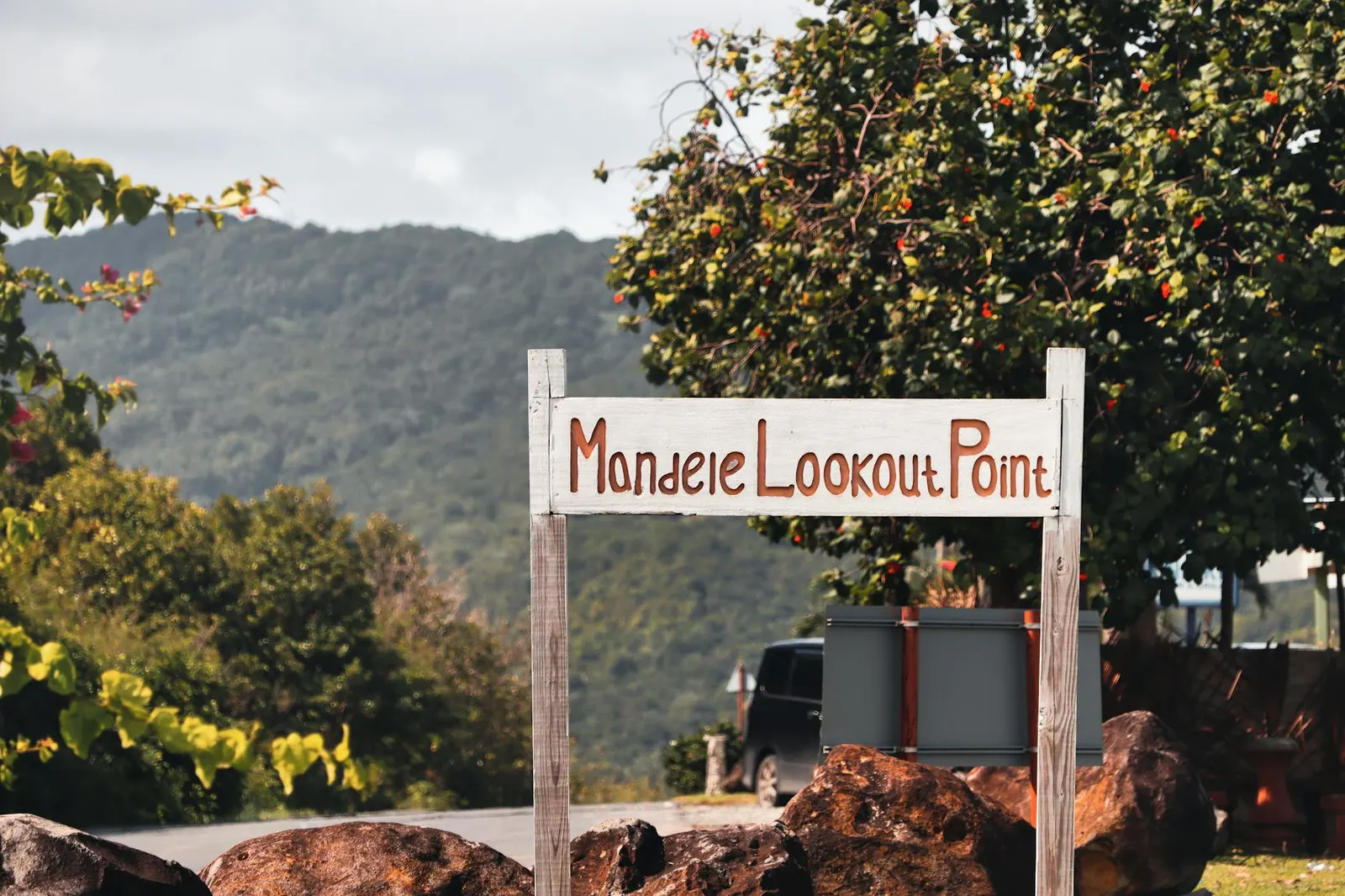
A second, closer look at the same vista from a slightly different vantage — this time there's room to really talk through what was seen at the valley and the overlooks, tying the trip's themes together. Give teens some autonomy here: let them wander along the railing at their own pace while parents linger over the view.
The final day eases back into the East End Scenic Loop, revisiting the overlooks at a calmer pace and in different light than Day 1. There's no pressure to see anything new — this is about closing the loop, literally and emotionally, on the trip's central image of those cliffs.
Keep the early afternoon unstructured — a last wander, a last photo, maybe a stop for a lei at the plumeria farm if time allows. This is the day to let the island's slow rhythm fully take over before the logistics of departure kick in.
With no rental cars and limited evening options on this side of the island, plan for an early, simple dinner and an unhurried return to lodging — the unlit roads reward leaving plenty of buffer time before dark.
Planning the nights, too?
Compare places to stay around Molokai (quiet, east side), or browse tours and tickets to slot between the stops above.
Itinara may earn a commission when you book through these links, at no extra cost to you.
Want to tweak this trip?
Our AI planner can customize this itinerary to your exact dates, interests, and travel style.
Customize This ItineraryRestaurant and vendor details change frequently, especially in a remote destination like this — confirm current hours and availability before visiting.
Dietary compatibility tags are general guidance only. If anyone in your group has a severe allergy, confirm directly with any food vendor before ordering.
These notes are general travel guidance, not professional safety advice. Always check current government and local advisories, trail conditions, and weather before hiking or swimming.
All prices are approximate estimates and may vary seasonally or by vendor.