Molokai (quiet, east side), Hawaii
3-Day Itinerary for Solo Traveler
“Windward Silence: 3 Days on Molokai's Wild East Side”
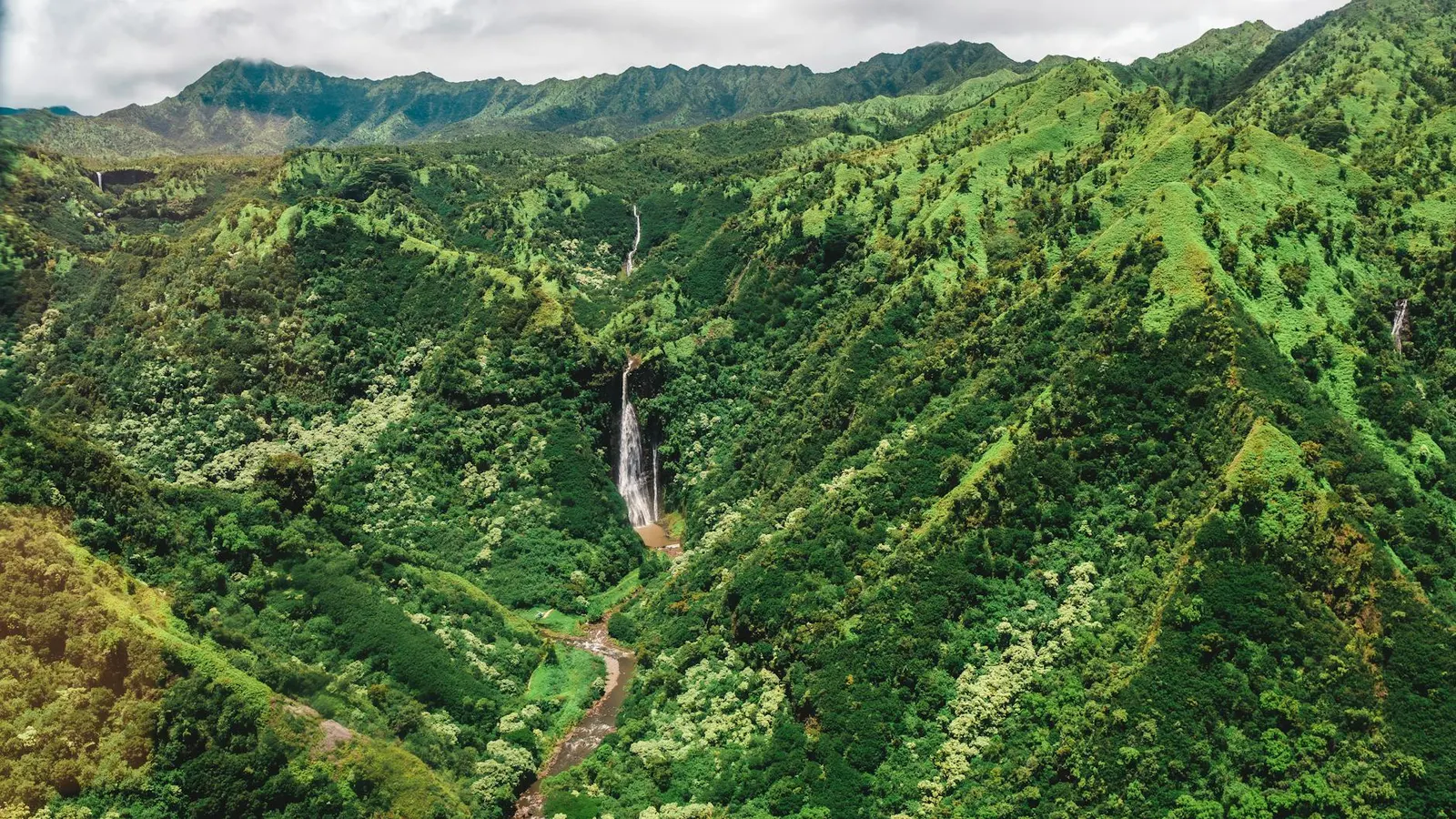
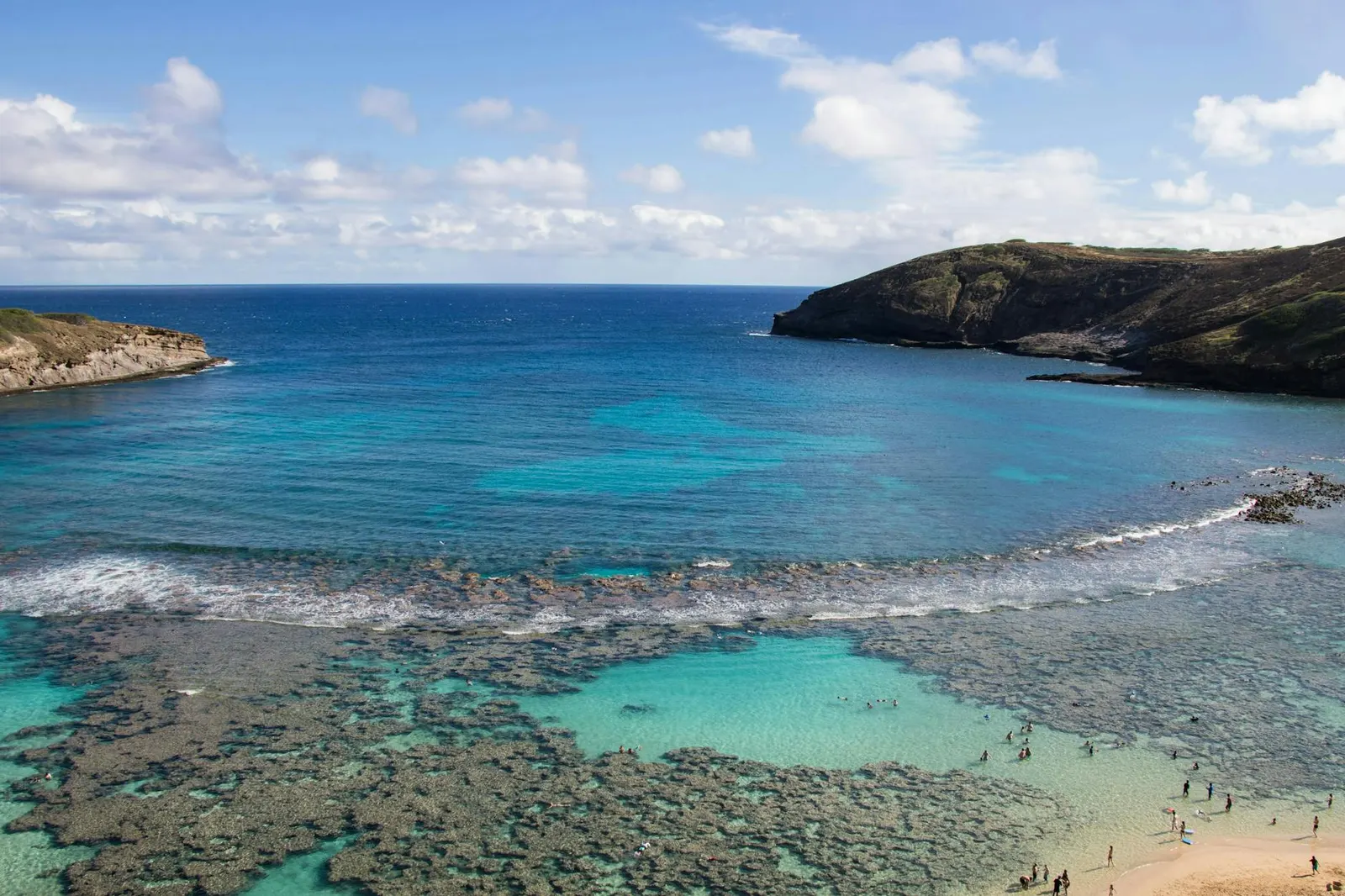
Out here, the pavement narrows to one lane and the ocean does most of the talking. Molokai's east side has no resorts, no stoplights, and no pretense—just cliffs that drop a thousand feet into mist, a valley that still remembers its first families, and enough silence to hear your own thoughts clearly for the first time in a while.
At a Glance
Highlights
- Standing alone at the Kalaupapa Overlook as clouds part over the peninsula below
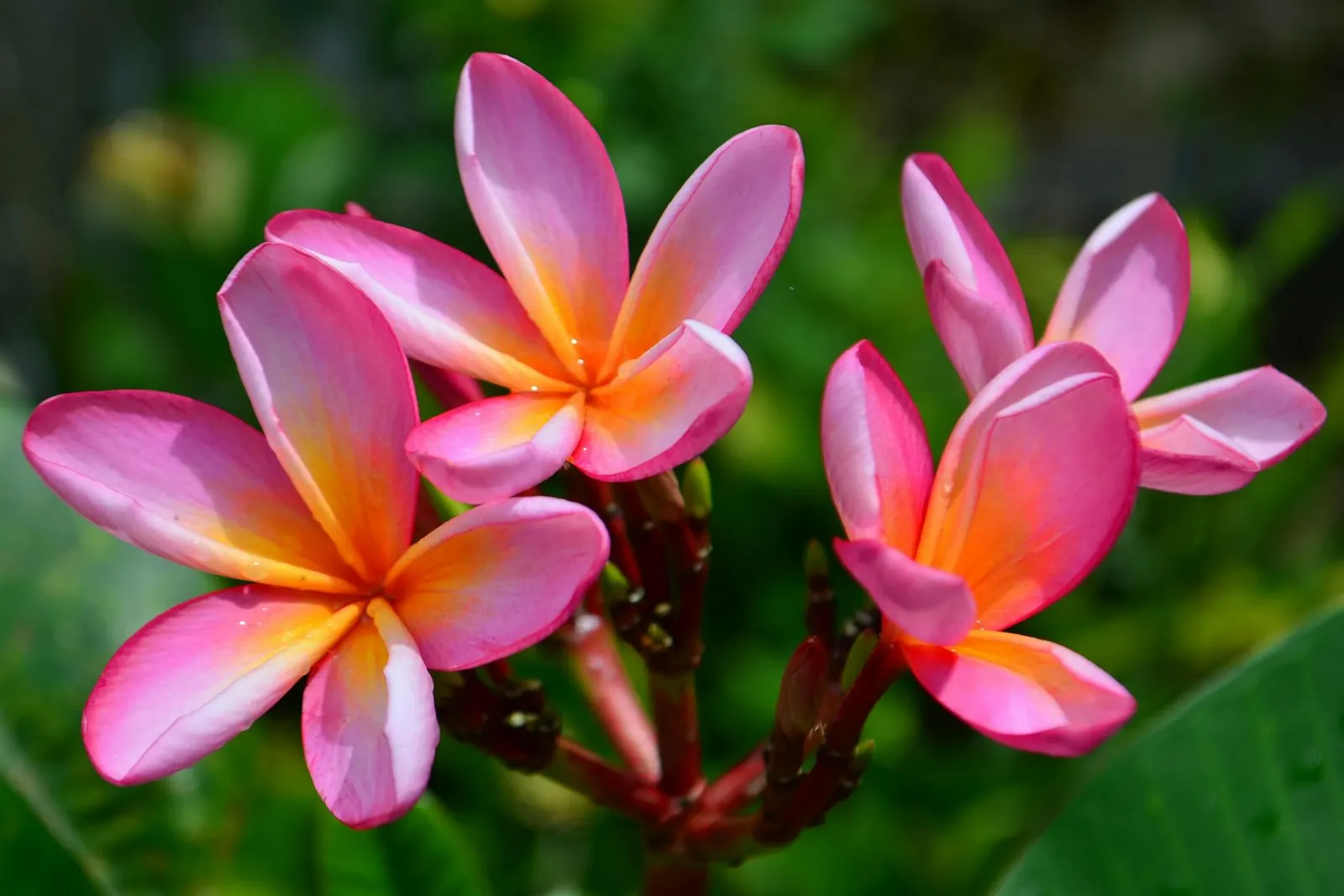
- Breathing in plumeria-scented air at a family-run flower farm
- Wading through cold mountain pools on the Halawa Valley waterfall trail
- Golden-hour light raking across sea cliffs with not another soul in sight
- Slow, unhurried days built around tide, light, and quiet conversation with locals
What do 3 days in Molokai (quiet, east side) look like for solo travelers?
6 stops across 3 days, about 8 hours of sightseeing in all. The rest is yours for long lunches and unplanned detours.
| Day | Stop | Area | Suggested time | Typical visit |
|---|---|---|---|---|
| Day 1 | Kalaupapa National Historical Park | East End Scenic Loop | 9:00 AM - 9:30 AM | 30 min |
| Day 1 | Molokai Plumeria Farm | East End Scenic Loop | 10:15 AM - 11:00 AM | 45 min |
| Day 1 | Kalaupapa Overlook Viewpoint | East End Scenic Loop | 3:30 PM - 4:15 PM | 45 min |
| Day 2 | Halawa Valley (waterfall hike) | Halawa Valley | 7:30 AM - 11:30 AM | 4 hr |
| Day 3 | Kalaupapa Overlook Viewpoint | East End Scenic Loop | 7:00 AM - 8:00 AM | 1 hr |
| Day 3 | Molokai Plumeria Farm | East End Scenic Loop | 9:30 AM - 10:15 AM | 45 min |
Each day opens as a route in Google Maps; the map file drops every stop into Google My Maps or an offline map app.
Day-by-Day Plan
Day 1: First Light on the Windward Cliffs
A gentle half-day of scenic driving and overlooks covering roughly 1 mile of easy walking, designed to ease into the island's slow rhythm after travel.
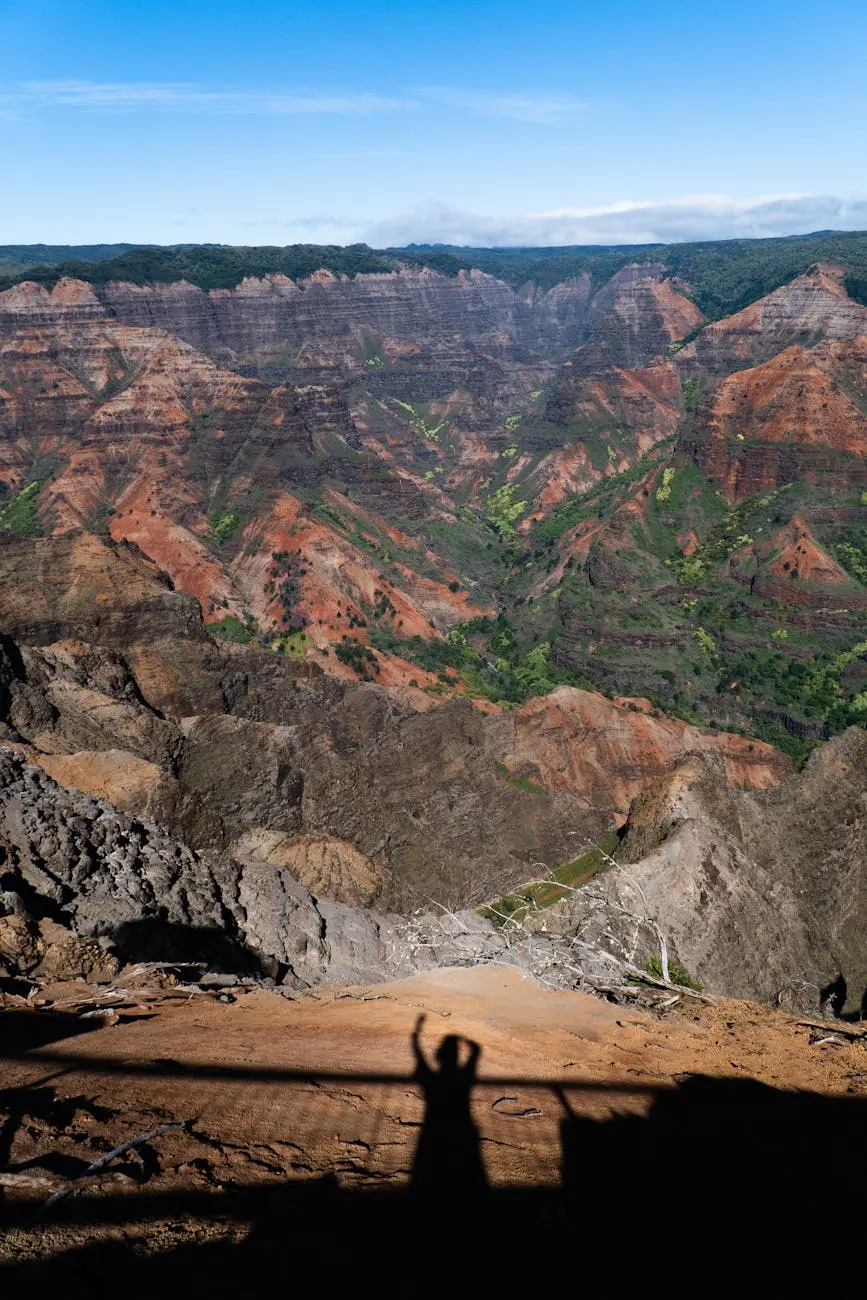
Trade winds hit you first—steady, briny, insistent—as you step to the edge and look nearly 2,000 feet down onto the Kalaupapa peninsula, a place once sealed off from the rest of the world. Arrive by 9am and you'll likely have the railing to yourself; the weight of the history here settles slowly, best absorbed without a crowd murmuring behind you.
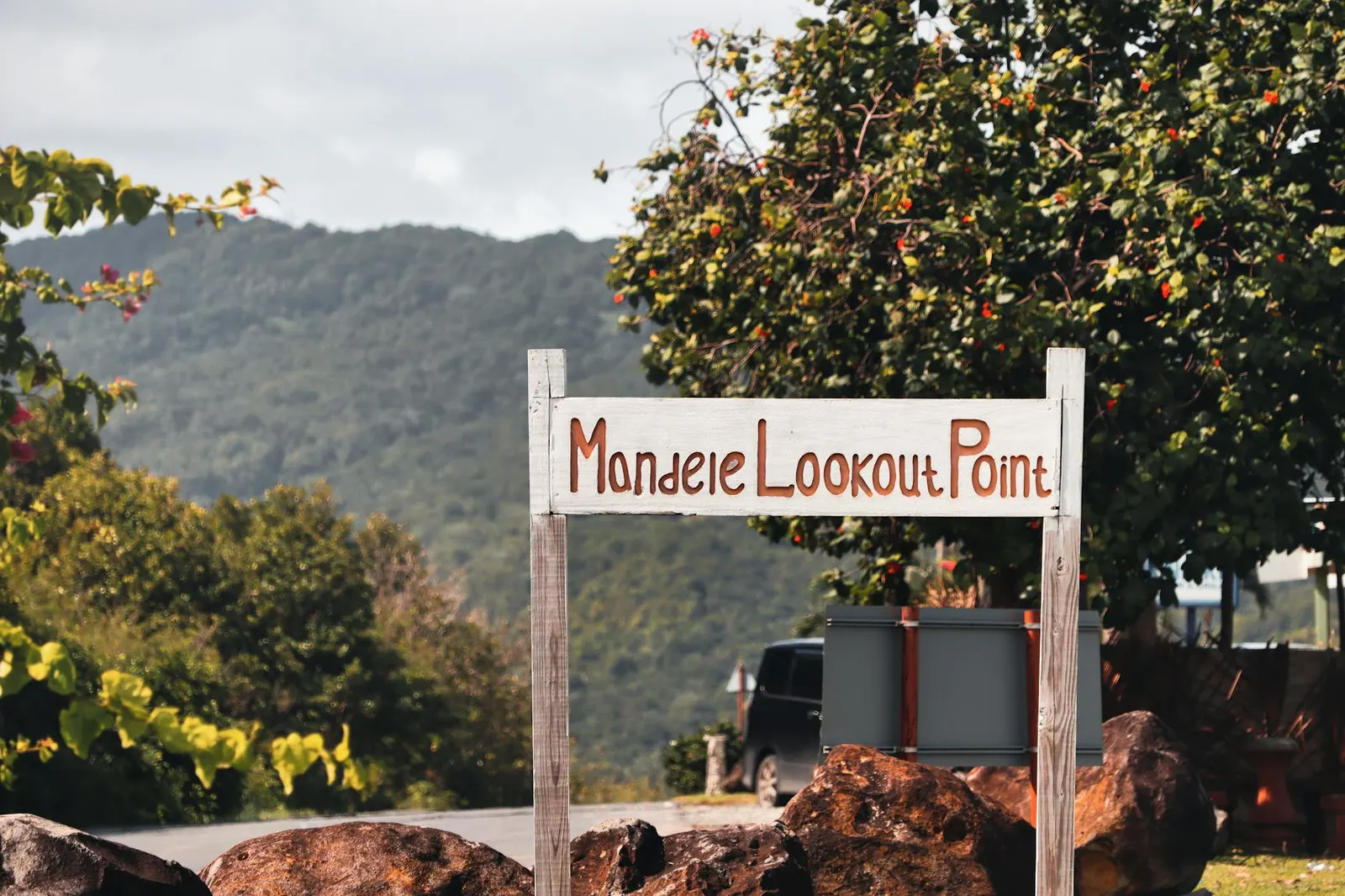
The scent hits before the sight does—sweet, almost dizzying plumeria perfume drifting across rows of pink, white, and butter-yellow blooms. This is a gentle, low-effort stop perfect for a travel-weary solo traveler: wander the grove, chat with the family running the stand (they're often happy to talk story), and maybe pick up a handmade lei as a quiet souvenir of day one.
Return here in the late afternoon when the crowds (what little there are) have thinned and the light turns the sea cliffs amber. The cry of tropicbirds carries up from the pali, and the whole scene—peninsula, ocean, impossible green cliffs—feels suspended in time. It's an ideal solo moment for quiet reflection, journaling, or simply standing still.
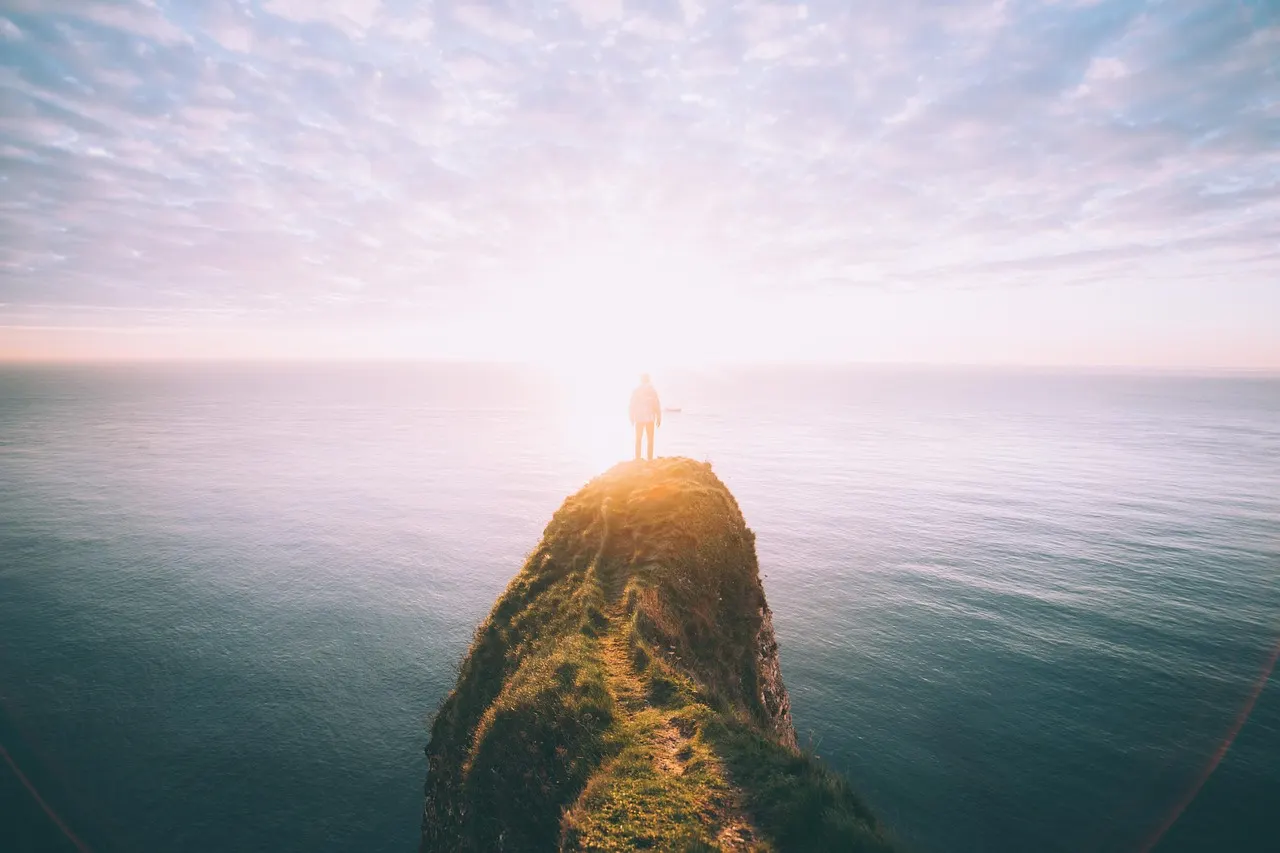
Ease into the island slowly. The drive out to the Kalaupapa overlook is short but the payoff is immediate: wind-whipped cliffs, a peninsula far below holding more history than its quiet green fields let on. There's no rush here—arrive early, let the scale of it sink in, and resist the urge to fill the morning with more than this one stop.
After a relaxed midday at the plumeria farm—equal parts sensory indulgence and gentle social contact—the afternoon opens up for rest or a slow return to the overlook as the light softens. This is the lightest day of the trip by design, honoring the jet-lag reality of island-hopping and the long, winding drive out to the east end.
With no formal dining data mapped for this remote stretch, plan your evening meal around Kaunakakai or wherever you're staying—ask your host or host family for their go-to spot, which is often the best way to find an unlisted local favorite. Settle in early; east side nights are dark, quiet, and made for long sleep.
Day 2: Into the Valley of Water and Memory
A full day centered on the Halawa Valley waterfall hike, covering approximately 4-5 miles of moderate trail walking with significant elevation and water crossings.
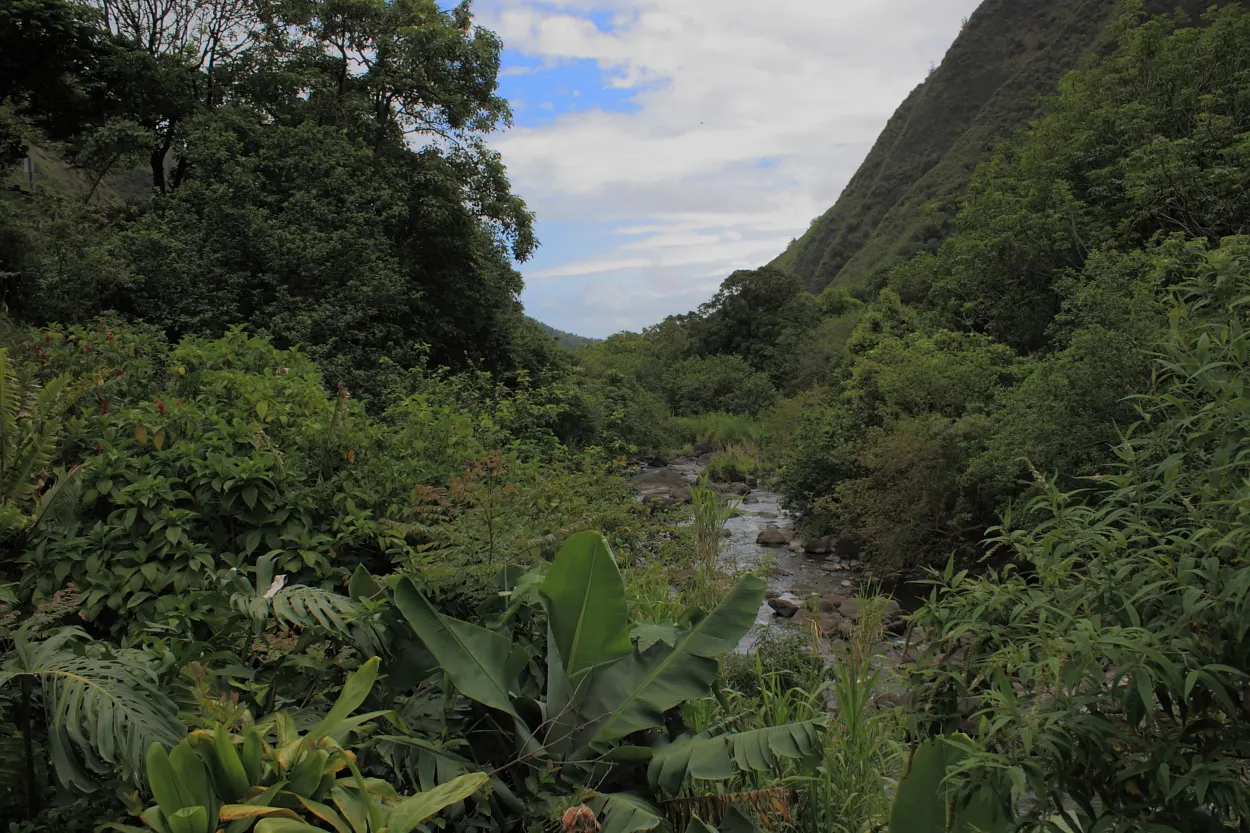
Arrive by 7:30am and the valley is nearly yours—mist still clinging to the rock faces, birdsong echoing off wet stone before the day's other hikers filter in. The trail into Halawa is Molokai's most dramatic natural experience: cold mountain pools to wade through, ferns brushing your shoulders, and a waterfall at the end that feels earned rather than handed to you. Going with a cultural guide (customary and often necessary for access) adds a layer of meaning—you'll learn the valley's history and its significance to Native Hawaiian families who've lived here for generations, and it's a natural way for a solo traveler to connect with others on the trail.
The drive out to Halawa alone resets your sense of scale—this is Molokai at its most primordial, valley walls closing in green and dripping. The hike itself asks for respect: wet rock, river crossings, and a slow, attentive pace. By the time you reach the base of the waterfall, mist in the air and cold water underfoot, the effort feels entirely worth it.
Expect the hike and its surrounding cultural context to fill most of the day—this is not a stop to rush. If energy remains after the return hike, use the afternoon to dry off, rest, and reflect on the valley's quiet intensity before it fades from memory.
As with the previous evening, no specific dining options are mapped to this remote cluster—plan your dinner back toward Kaunakakai or wherever you're based, and consider it a good opportunity to ask locals where they actually eat, since the best meals here often aren't the ones with signage.
Day 3: Slow Light, Last Looks
A light, flexible final day revisiting favorite east-side overlooks at optimal light, with minimal walking (under 2 miles) to allow for rest before departure.
One last sunrise visit, timed for when the overlook is at its most peaceful—just you, the wind, and the peninsula waking up below in soft early light. After two days of valley hikes and coastal drives, this final return feels less like sightseeing and more like saying goodbye to a place that's gotten under your skin.
A final, unhurried stop to pick up plumeria for the flight home or simply to sit a while in the fragrant grove. It's a gentle, low-key way to close out the trip—no pressure, no itinerary, just the scent of flowers and a last conversation with the farm's keepers before heading toward the airport.
The final morning is built for stillness: a last sunrise at the overlook, the island at its quietest and most contemplative. There's no rush to check things off—this day is about letting the trip settle before the flight out.
With the main experiences already behind you, the afternoon stays open and unscheduled—perfect for repacking, a slow coffee, or simply sitting somewhere with a view and letting the last hours stretch out before heading to Molokai Airport (MKK).
Departure timing will dictate the evening; if your flight is later in the day, consider a final quiet meal back in Kaunakakai, though no specific venues are mapped here—ask around, as the best last meal on Molokai is often found by word of mouth rather than a map pin.
Planning the nights, too?
Compare places to stay around Molokai (quiet, east side), or browse tours and tickets to slot between the stops above.
Itinara may earn a commission when you book through these links, at no extra cost to you.
Want to tweak this trip?
Our AI planner can customize this itinerary to your exact dates, interests, and travel style.
Customize This ItineraryRestaurant and vendor details change frequently, especially on remote islands like Molokai—confirm current hours and availability before visiting.
Dietary compatibility tags are general guidance. If you have severe allergies, confirm directly with vendors or guides.
Travel tips are general guidance, not professional safety advice. Check current government and local advisories, especially regarding trail and ocean conditions.
All prices are approximate estimates and may vary seasonally or by vendor.