Molokai (quiet, east side), Hawaii
2-Day Itinerary for Solo Traveler
“Cliffs, Plumeria & the Valley of Falling Water: 2 Days on Molokai's Quiet East End”
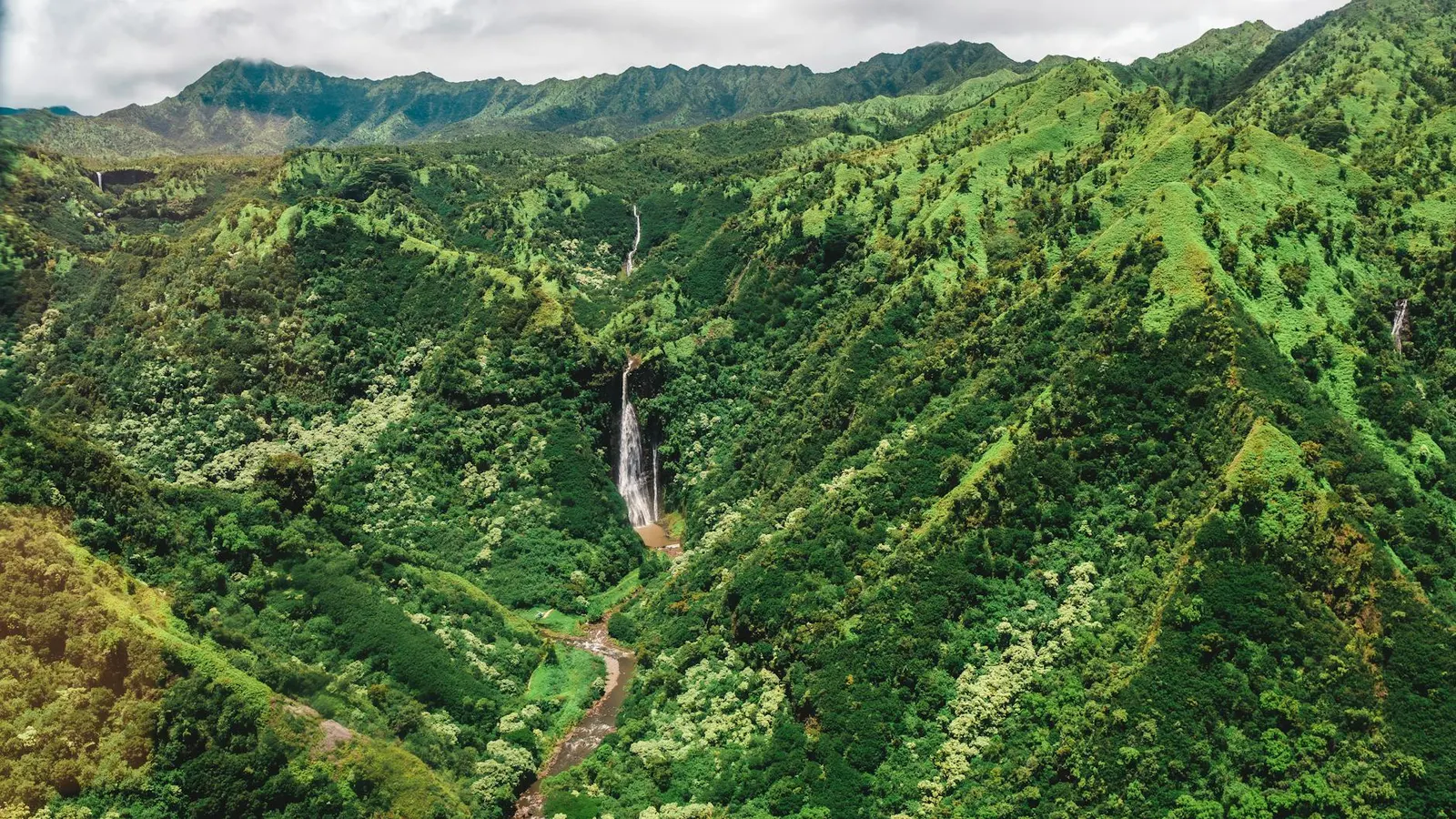
The east end of Molokai doesn't perform for visitors — it simply exists, the way it has for centuries, with trade winds combing the cliffs and valleys holding their waterfalls like secrets. This is a place to slow your pulse to island time, trade a packed itinerary for presence, and let a 2,000-foot sea cliff or a single plumeria bloom hold your full attention.
At a Glance
Highlights
- Dawn solitude at the Kalaupapa Overlook before the clouds roll in
- Fragrant wandering through a family-run plumeria farm
- A 3-4 hour waterfall hike into sacred Halawa Valley
- Windward coastal drives with barely another car in sight
- Golden-hour cliff photography at Hawaii's most poignant peninsula
- Genuine quiet — no resorts, no crowds, no itinerary pressure
What do 2 days in Molokai (quiet, east side) look like for solo travelers?
4 stops across 2 days, about 5 hours of sightseeing in all. The rest is yours for long lunches and unplanned detours.
| Day | Stop | Area | Suggested time | Typical visit |
|---|---|---|---|---|
| Day 1 | Kalaupapa Overlook Viewpoint | East End Scenic Loop | 7:30 AM - 8:15 AM | 45 min |
| Day 1 | Kalaupapa National Historical Park | East End Scenic Loop | 8:30 AM - 8:50 AM | 20 min |
| Day 1 | Molokai Plumeria Farm | East End Scenic Loop | 10:00 AM - 10:45 AM | 45 min |
| Day 2 | Halawa Valley (waterfall hike) | Halawa Valley | 7:30 AM - 10:30 AM | 3 hr |
Each day opens as a route in Google Maps; the map file drops every stop into Google My Maps or an offline map app.
Day-by-Day Plan
Day 1: Windward Light & Fragrant Stillness
A gentle first day tracing the East End Scenic Loop with easy overlooks and a fragrant farm stop — about 2 miles of easy walking, low physical exertion.
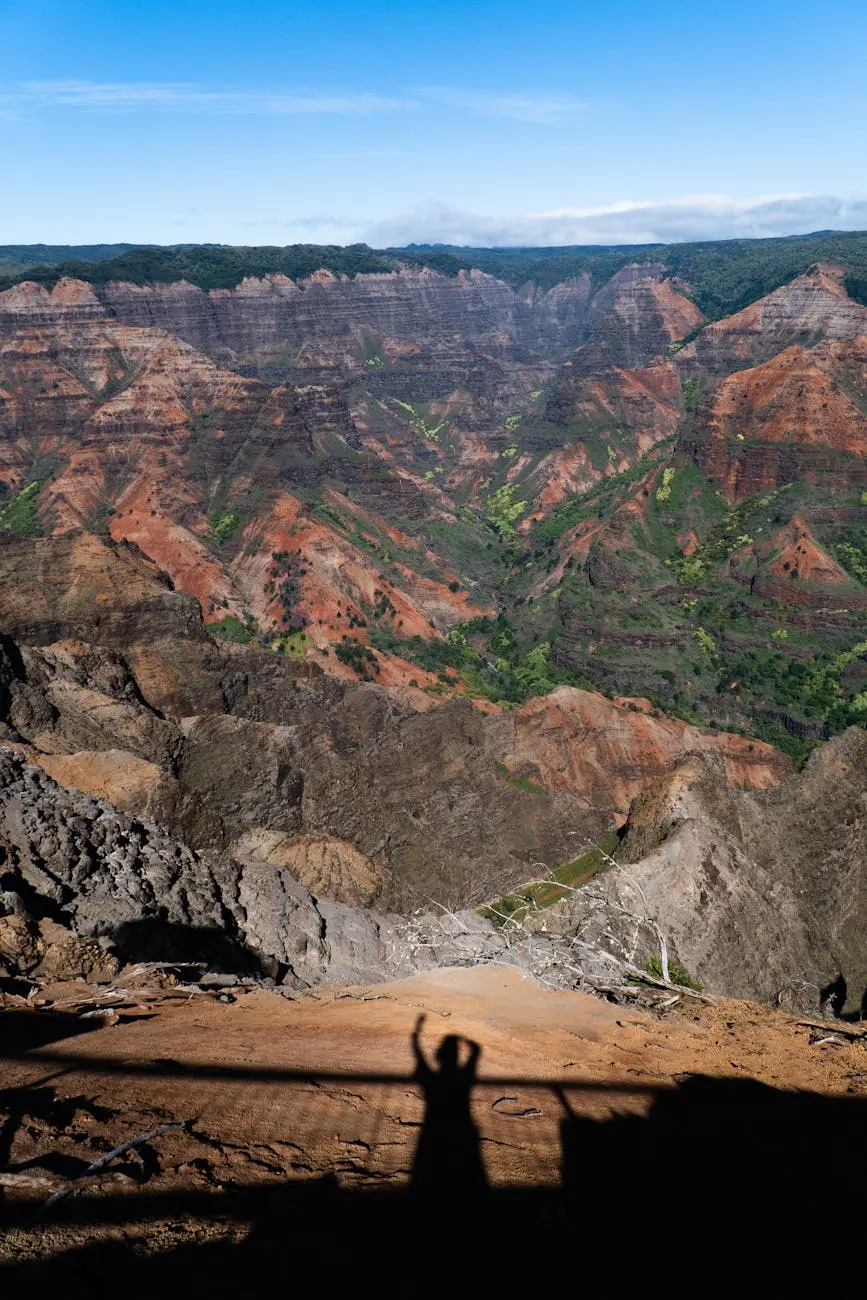
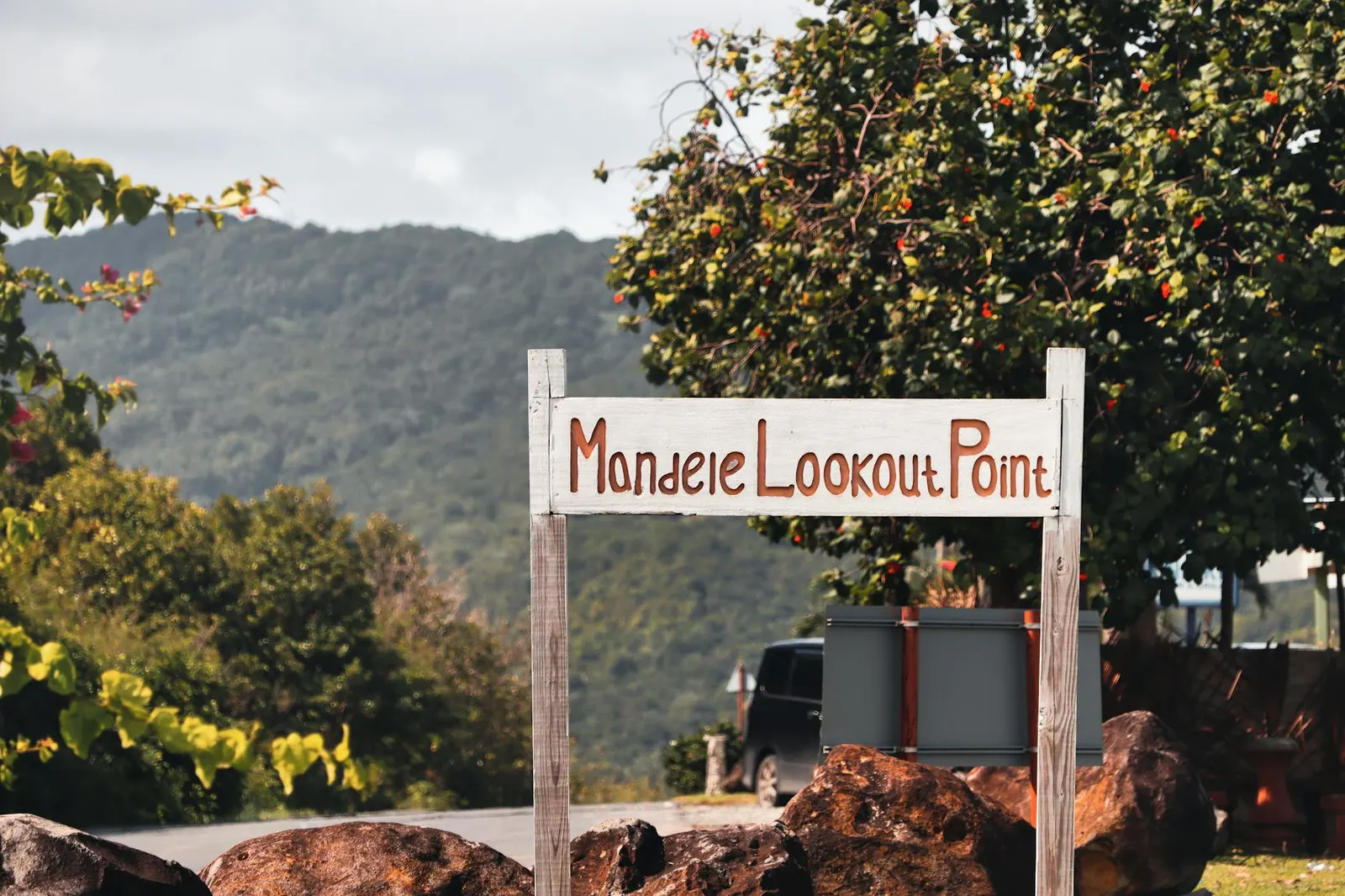
Arrive by 7:30am and the overlook is likely yours alone — just salt wind, the distant cry of tropicbirds, and nearly 2,000 feet of air between you and the green peninsula below. This is the kind of silence that resets a traveler's internal clock after a long flight; let it. Solo travelers often find this an easy, contemplative first stop — no crowds to navigate, just the landscape and your own thoughts.
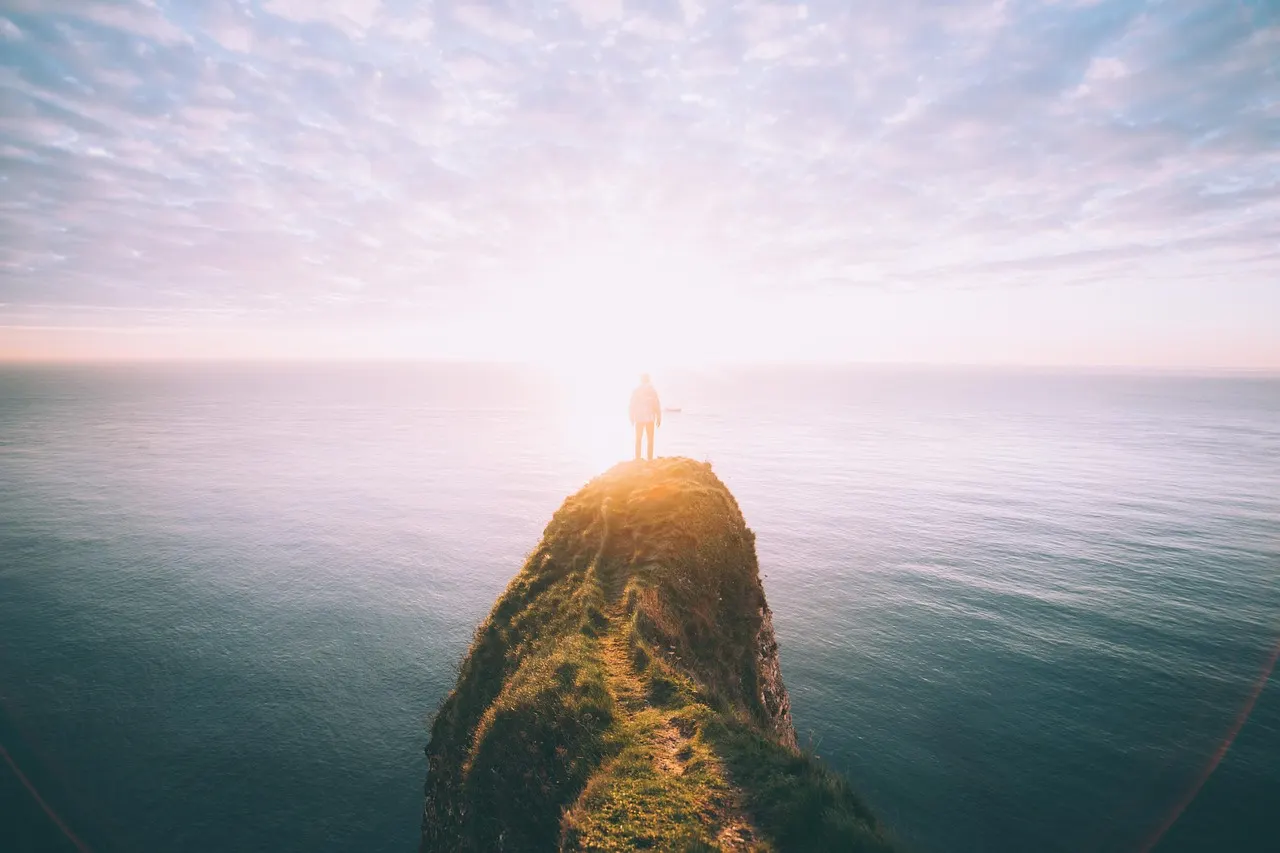
A short drive further along the loop brings a second, slightly different vantage on the same storied peninsula — the overlook here offers a wider profile of the pali, with tiny rooftops visible far below that once marked a forced exile settlement for Hansen's disease patients. It's a quietly heavy place; take a moment before moving on.
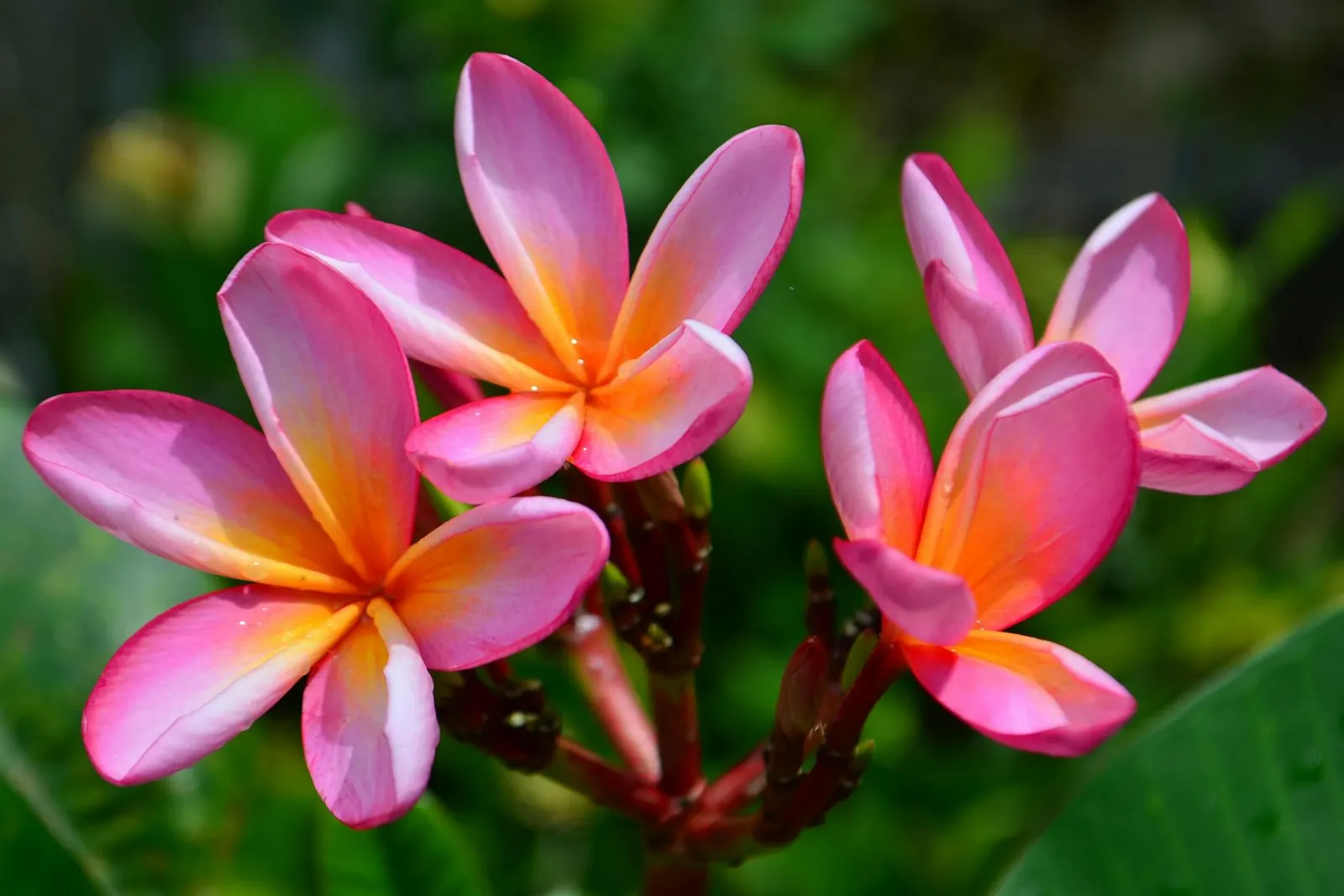
The scent hits before the sight does — sweet plumeria drifting on the breeze, pink and white blooms dappled in soft light. This is an easy, low-key stop to decompress after the emotional weight of the overlooks, and a nice social opportunity too, since the farm's keepers are often happy to chat about their craft with a solo traveler who lingers. Pick up a handmade lei or ask about the garden's history.
The day opens slow and quiet, with an early arrival at the Kalaupapa Overlook Viewpoint rewarding you with near-total solitude — just wind, distant birdcall, and the staggering scale of the pali dropping away below. A short drive brings a second, complementary vantage at the Kalaupapa NHP overlook, where the same peninsula reveals itself from a different angle, its history settling in quietly as you take in the view.
By mid-morning, the pace shifts from contemplative to sensory as you arrive at the Molokai Plumeria Farm, where fragrant blooms and friendly conversation offer an easy, social counterpoint to the morning's solemnity. Afternoon is left open and unhurried — ideal for revisiting an overlook in better light, relaxing near your lodging, or simply letting the slow island rhythm take over after a full but gentle first day.
As businesses on the east side wind down early, plan a relaxed evening near your lodging — pack a casual dinner or ask locally about current options, since formal dining options are limited this far from Kaunakakai. Let the first day's quiet set the tone: an early night, stars overhead, and the sound of surf in the distance preparing you for tomorrow's more physical adventure into Halawa Valley.
Day 2: Into the Valley of Falling Water
A full-day waterfall hike into Halawa Valley, Molokai's most dramatic natural feature — roughly 4-5 miles round trip over uneven terrain, high physical exertion.
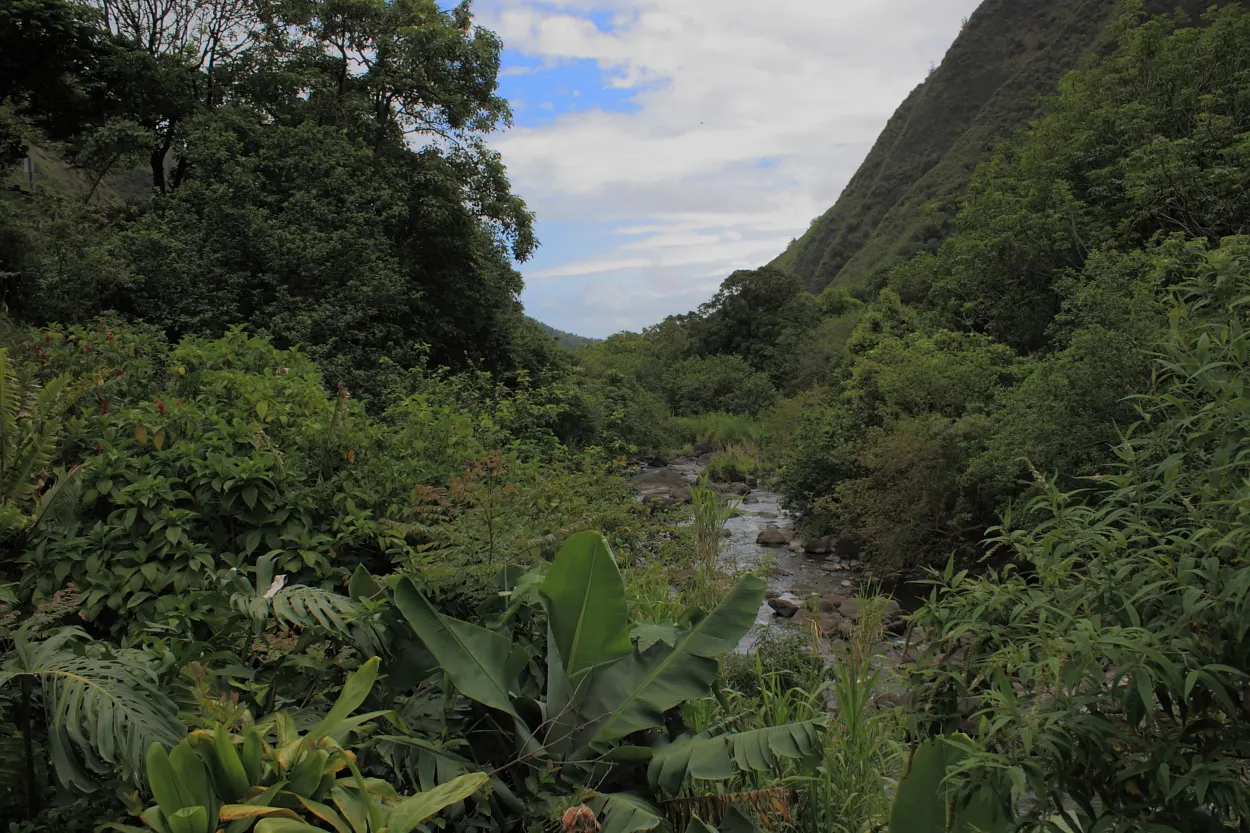
Arrive by 7:30am and you'll likely join a smaller morning group before the trail thins out further by midday — this is the island's most sacred and remote valley, and the hike in feels like stepping backward in time. Mist clings to volcanic rock faces, birdsong bounces between fern-draped walls, and your feet splash through cold mountain pools on the way to the base of the falls. Solo travelers should go with a local guide, both out of respect for cultural protocol and for safety on the sometimes-slippery terrain; it's also a built-in social opportunity, since small guided groups often share the trail and the post-hike swim.
The day begins early and purposefully, with a 40-minute coastal drive out to Molokai's easternmost point, windows down and the island's wild, undeveloped beauty unfolding mile by mile. Arriving at Halawa Valley by 7:30am means joining a smaller, quieter group for the hike in, where mist, birdsong, and cold mountain pools replace yesterday's contemplative stillness with full sensory immersion.
By early afternoon, the hike reaches its natural rhythm change — the push toward the waterfall base gives way to a well-earned swim in the cold pool beneath it, a moment solo travelers often describe as the trip's emotional high point. The return hike moves at an easier pace, legs tired but spirits lifted, with plenty of opportunity to chat with fellow hikers or your guide about the valley's deep cultural history.
Back at the trailhead by mid-afternoon, there's time to decompress before an early, casual dinner — plan meals around Kaunakakai or your lodging rather than expecting options near the remote trailhead itself. With businesses closing early across the east side, settle into a quiet last evening, sore legs and full senses marking a fitting close to two days spent at the rhythm of Molokai's wild, windward edge.
Planning the nights, too?
Compare places to stay around Molokai (quiet, east side), or browse tours and tickets to slot between the stops above.
Itinara may earn a commission when you book through these links, at no extra cost to you.
Want to tweak this trip?
Our AI planner can customize this itinerary to your exact dates, interests, and travel style.
Customize This ItineraryRestaurant and vendor details (hours, availability) change frequently on Molokai's remote east side — our sources list limited formal dining in this area, so plan meals around Kaunakakai or pack snacks for stops farther afield; this does not mean no options exist, just that they're sparse and best confirmed locally.
Dietary compatibility tags are general guidance. If you have severe allergies, confirm directly with any food vendor or farm stand before purchasing.
Travel tips are general guidance, not professional safety advice. Check government advisories and local conditions, especially regarding Halawa Valley trail access and weather, before you go.
All prices are approximate and may vary seasonally.