Clearwater River Region (Orofino, Kamiah), Idaho
3-Day Itinerary for Solo Traveler
“Winter Silence on the Clearwater: A Solo Journey Through Idaho's Backcountry Corridor”
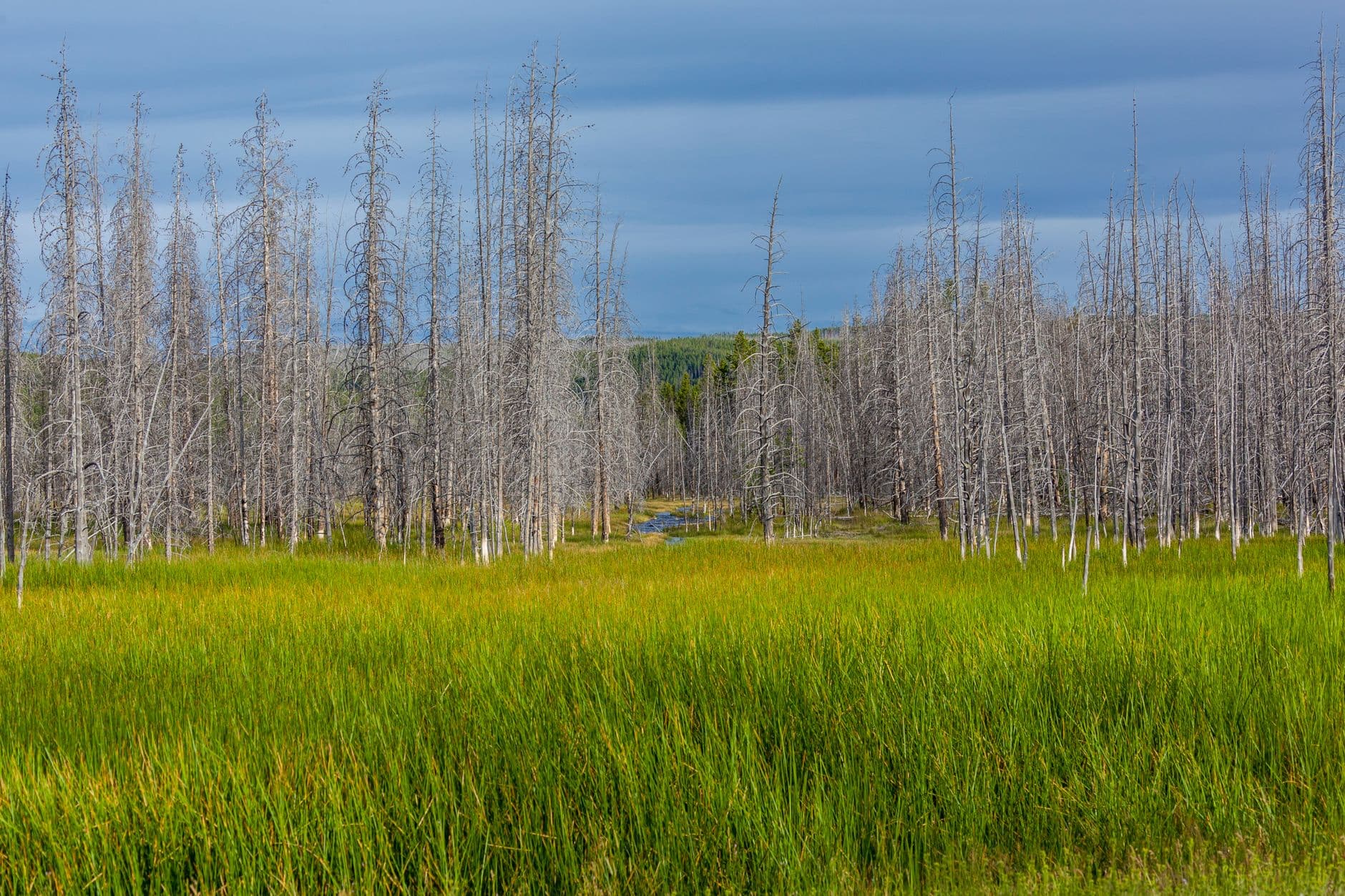
Winter strips the Clearwater River Region down to its bones — bare basalt canyons, steam rising off cold water, and a silence so complete you can hear snow settling on pine boughs. This is a solo traveler's season here: no crowds, no lines, just you, the river, and a landscape that rewards patience and layers.
At a Glance
Highlights
- Standing alone at the base of Idaho's tallest dam as mist freezes mid-air
- Tracing Nez Perce history through empty winter galleries
- Watching the Lochsa River churn wild and dark against snow-dusted granite
- Early-morning overlooks with zero other cars in the pullout
- Hearty small-town dinners where the bartender remembers your order by night two
Day-by-Day Plan
Day 1: Arrival & the Weight of Winter Water
A gentle first day easing into the region's scale, with one major stop at Dworshak Dam and light exploration of Orofino — roughly 2 miles of walking total, low-to-moderate energy.
Arrive before 9:30 and the overlook is entirely yours — no engine idling in the lot, no other footprints in the snow. The dam's gray face rises 717 feet against a canyon dusted white, and in winter the spillway mist freezes mid-drop, catching low sun in strange crystalline flickers. Solo travelers get a rare, meditative version of this place: just the rumble of water and your own breath fogging the air.
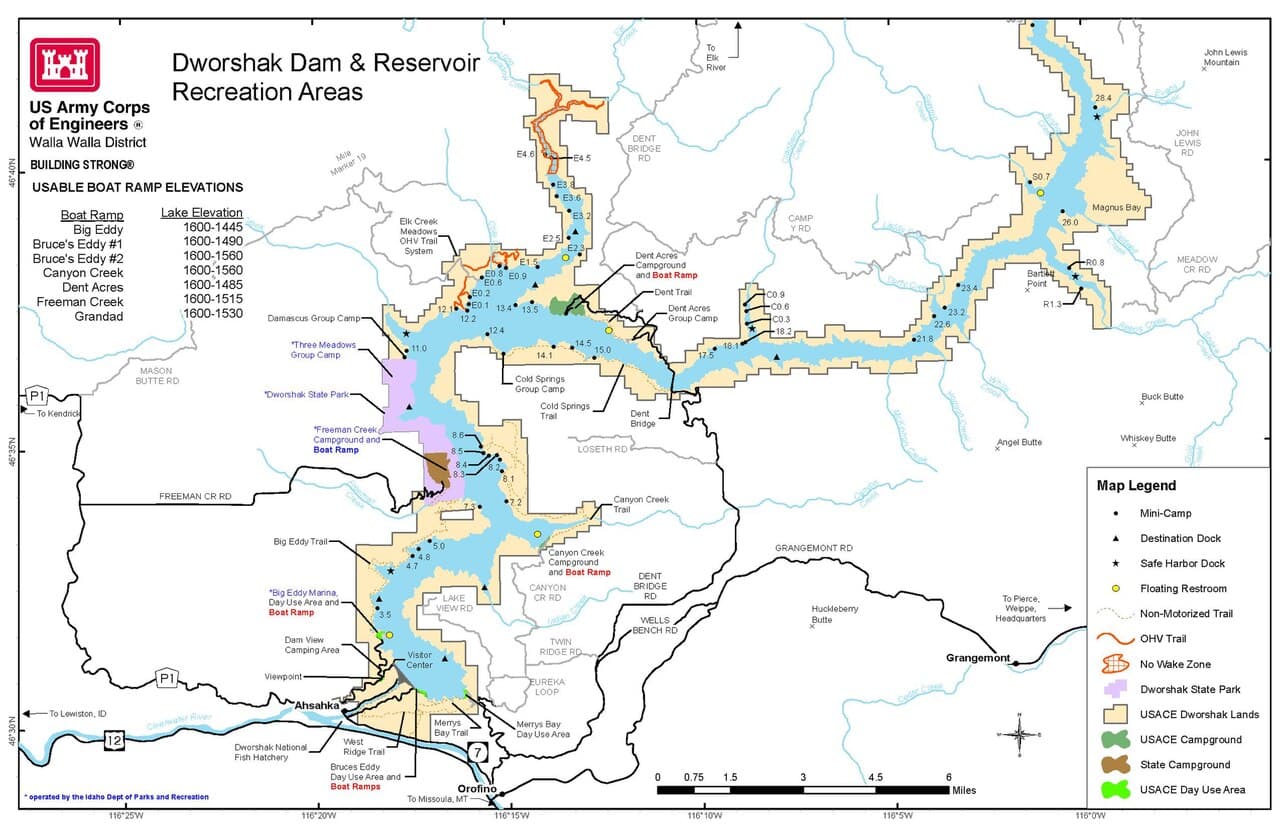
Ease into the region slowly — after settling into Orofino, head to Dworshak Dam while the morning light is still soft and the cold has kept everyone else indoors. The scale of the structure against the wintering canyon is disorienting in the best way; there's nothing else quite like standing beneath 717 feet of concrete with only wind and water for company.
Spend the afternoon in Orofino itself — a slow wander through the small riverside town, letting your body adjust to the altitude, cold, and quiet rhythm of a place that closes early and moves at its own pace. This is a low-key reset day; there's no need to rush toward the next big stop.
With most services closing by 6pm, plan an early dinner in town and an early night. Solo travelers will find counter seating at local diners the easiest way to strike up conversation with regulars — a good low-pressure way to get oriented before the more immersive days ahead.
Day 2: Ground Sacred and Silent: Nez Perce Country
A full day centered on the Nez Perce National Historical Park in the Kamiah Basin, with moderate walking (around 2–3 miles) and a shift from mechanical grandeur to human history.
Arrive right at opening — 9am in winter means you'll likely have the museum halls to yourself, footsteps echoing on quiet floors thick with reverence. Outside, the interpretive trail overlooks the river far below, snow softening every stone marker and cairn; the cold sharpens the silence rather than diminishing the experience. For a solo traveler, this is a place that rewards unhurried, contemplative pace — read every panel, sit on the frequent benches, let the history settle.
Head early into the Clearwater National Forest & Kamiah Basin, driving the scenic stretch of US-12 as the canyon narrows around you. The Nez Perce National Historical Park anchors the morning — plan for a full two-plus hours indoors and out, moving from museum reverence to the cold hush of the riverside trail.
Let the afternoon breathe — this is a good day to walk slowly through Kamiah itself, a smaller and quieter village than Orofino, immersed in Nez Perce culture and closer to the forest's edge. Solitude here feels earned rather than lonely; the shortened winter daylight means the light softens early, perfect for unhurried photography.
Dinner should happen early given local hours — look for a counter or communal table setup in town where conversation flows easily with other travelers or locals. Wind down with the awareness that tomorrow trades human history for raw river wilderness.
Day 3: Wild Water in Winter Quiet
A shorter, scenic-driving-focused day along the Lochsa River corridor with light walking at overlooks (under 2 miles total), suited to a moderate-energy final day before departure.
Winter empties this corridor almost entirely — where summer brings rafters and weekend crowds, you'll likely have every overlook to yourself. The river runs dark and fast against snow-rimmed granite, its roar softened by cold air but still primal, still commanding. This is a scenic-drive-and-short-stop day rather than a paddling day; pull over at marked overlooks, breathe in the acrid-clean scent of wild water and stone, and let the isolation feel restorative rather than remote.
Set out early along US-12 into the Lochsa River Scenic Corridor — winter has emptied this dramatic canyon almost completely, and the drive itself becomes part of the experience, water churning dark and wild alongside snow-dusted granite walls. Stop at the marked overlooks rather than attempting any paddling; this is a season for watching, not entering, the river.
With the primary activity complete by early afternoon, use remaining time for the drive back toward your departure point, allowing extra buffer for winter road conditions. This is a good stretch to reflect on the trip's quieter register — dam, history, river — each day building outward from engineered grandeur to human story to raw wilderness.
If timing allows an early dinner before departure, favor familiar counter-style local spots over anything rushed. Otherwise, plan for gas stations and services to close early — fuel up and eat well before dark falls fast on winter roads out of the region.
Want to tweak this trip?
Our AI planner can customize this itinerary to your exact dates, interests, and travel style.
Customize This ItineraryRestaurant details (hours, menus, availability) change frequently, especially in small towns with limited winter hours. Check current hours before visiting.
Dietary compatibility tags are general guidance. If you have severe allergies, confirm directly with the restaurant.
Travel tips are general guidance, not professional safety advice. Check road conditions and government advisories before winter travel in this region.
All prices are approximate and may vary seasonally.