Clearwater River Region (Orofino, Kamiah), Idaho
3-Day Itinerary for Teen Families
“Winter Silence: 3 Days Along the Clearwater”

Winter strips this wilderness down to its bones — the reservoir goes glassy and still, the canyon walls wear a dusting of snow, and the crowds simply vanish. This is the Clearwater Region without the noise: a slower, sharper version of Idaho's backcountry, built for families who'd rather stand at the edge of a 717-foot dam in silence than fight for a parking spot in July.
At a Glance
Highlights
- Stand beneath Idaho's tallest concrete dam with the spillway mist freezing in midair
- Walk sacred Nez Perce ground with almost no one else on the trail
- Drive the empty winter ribbon of US-12 along the wild Lochsa River
- Teens get real autonomy time exploring Orofino's small downtown
- Golden-hour canyon views with zero summer haze or crowds
- Hearty small-town comfort food after cold days outdoors
- A rare, genuinely quiet wilderness experience in peak off-season
Day-by-Day Plan
Day 1: Arrival & the Dam at Rest
A light, low-mileage first day (under 2 miles walking) centered on Orofino's dam and downtown, easing the family into the region's winter quiet.
After a slow start and a late winter sunrise, the dam appears almost suddenly — a gray concrete wall rising 717 feet out of a reservoir gone still and silver in the cold. Arrive by 9:30am and you'll likely have the overlook entirely to yourselves; the mist off the spillway hangs frozen-looking in the winter air, and the quiet is almost unsettling after the usual summer crowds. It's an easy, low-effort stop that still delivers scale and drama — good for shaking off travel fatigue without demanding much from tired legs.
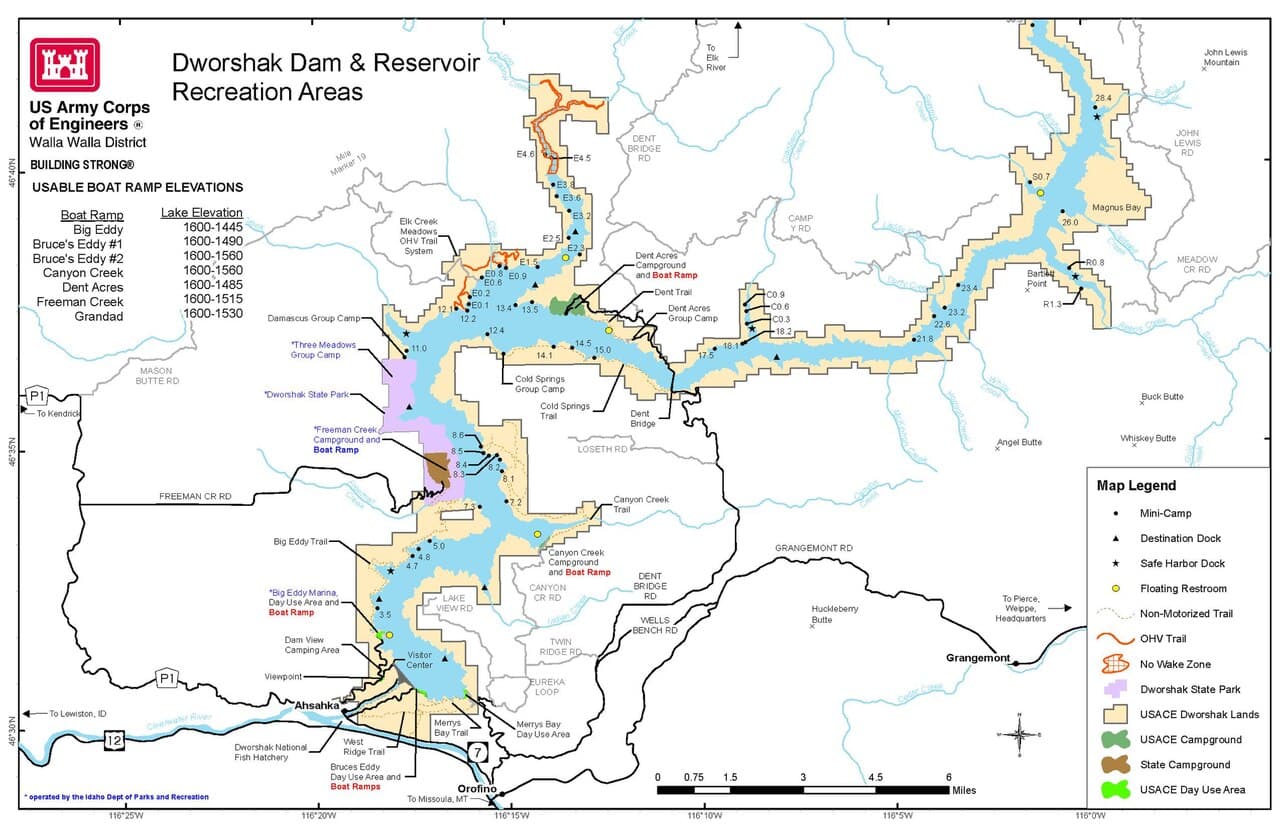
Ease into the trip with a late, unhurried start — winter's short daylight means there's no reason to rush. The drive to Dworshak Dam is brief, and the payoff is immediate: a towering concrete face against snow-dusted canyon walls, the reservoir below flat and silent. It's a gentle way to recalibrate after travel, with enough visual scale to keep teens interested without requiring any real exertion.
Spend the afternoon in downtown Orofino at an unstructured pace — this is built-in teen autonomy time, letting older kids wander a few blocks independently while parents grab coffee or run errands. With services closing early in winter, treat this as a wandering, low-pressure window rather than a checklist of sights; the town's small-scale, working character rewards slow looking rather than fast covering.
Dinner should happen early given the region's 6pm-ish closing rhythm — plan to eat by 5:30 or 6pm. Because specific restaurant data for Orofino wasn't available in our sources, ask locally for the current favorite spot for hearty comfort food; options are likely limited in winter, so consider calling ahead or building in a backup plan. Wind down early — day two asks more of everyone.
Day 2: Sacred Ground & Quiet Trails
A moderate day (roughly 2–3 miles walking) centered entirely in the Kamiah Basin, blending indoor history with a short, crowd-free outdoor walk.
Arrive by 9:30am and the museum feels almost private — no summer tour buses, no shuffling crowds, just the weight of Nez Perce history settling into quiet galleries. The air inside is still and reverent; outside, the interpretive trail sits blanketed in a thin layer of snow, with the river running distant and cold far below the canyon rim. For teens who might resist a 'history museum,' the outdoor markers and canyon views add a physical, sensory dimension that keeps the visit from feeling static — budget close to the full two hours since winter light makes the outdoor portion slower going.
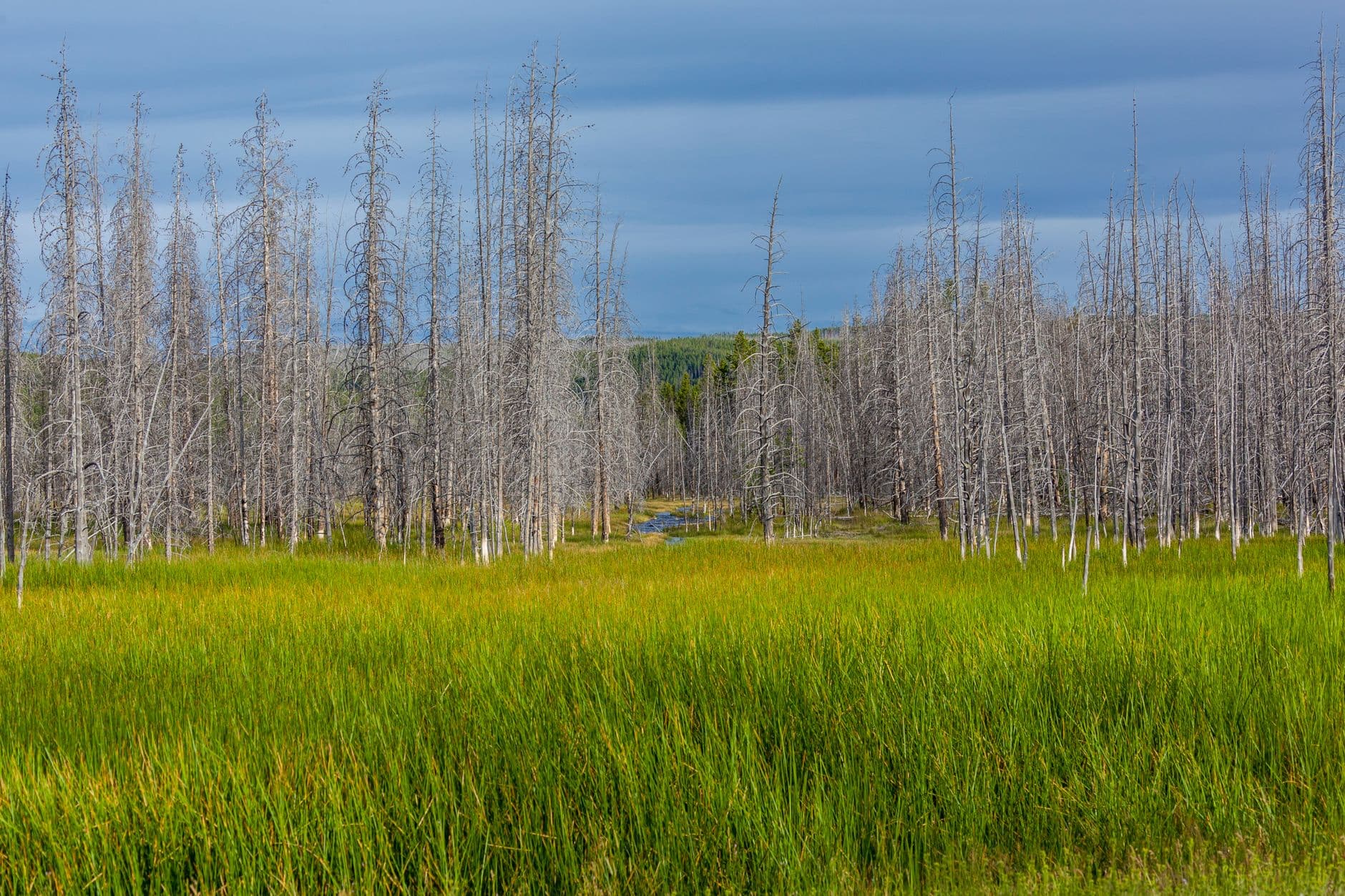
The morning belongs to Nez Perce National Historical Park — a slow, reverent walk through galleries that hold real historical weight, paired with an outdoor interpretive trail dusted in snow. Arriving early keeps the space nearly empty, letting the family move at its own pace rather than around other visitors. The contrast between hushed indoor exhibits and the cold, open canyon air outside gives the visit a natural rhythm shift that keeps younger and older family members equally engaged.
After the museum, ease into a lighter afternoon in Kamiah itself — a smaller, quieter village than Orofino, well suited to slow wandering rather than another major stop. This is a good window for teens to have some independent exploration time in the compact downtown, while parents decompress after the morning's heavier content. Keep expectations modest here; this is a rhythm day, not a checklist day.
Dinner in Kamiah should again be planned early, before the town's services wind down for the night. Specific dining options for this stop weren't available in our sources, so it's worth asking locally or checking ahead for current hours — plan meals around town rather than assuming late-night options will be available. An early night sets the family up for tomorrow's longer scenic drive.
Day 3: The Wild Lochsa in Winter Stillness
A driving-heavy but low-walking day (under 1 mile on foot) along the Lochsa River corridor, built around scenic overlooks rather than active rafting given winter closures.
In winter, the Lochsa trades its summer whitewater roar for something quieter and stranger — dark water moving fast between snow-dusted granite walls, steam rising faintly off sections where the current stays open. Guided rafting is closed for the season, so this becomes a scenic-drive-and-overlook experience: pull off at the US-12 mile marker 142 overlook for a canyon-wide vista that, in winter, you'll likely have completely to yourselves. It's a good stop for teens who want a moody, cinematic landscape moment without a long hike — budget time for a few short stops rather than one long stationary visit, since cold limits how long anyone wants to stand still outside.
The day opens with the longest drive of the trip, tracing US-12 into the Lochsa River Scenic Corridor. Winter transforms this from a whitewater destination into something more contemplative — a wild, mostly empty canyon drive punctuated by pullouts where the family can step out, breathe cold air thick with the scent of pine and stone, and take in a river that feels utterly untouched. This is less about covering ground on foot and more about absorbing scale and silence from a series of short stops.
With winter light fading by mid-afternoon, plan the return drive with real buffer time — roads here can ice over as temperatures drop, and there's no cell service to fall back on if plans change. Use any remaining daylight for one last short overlook stop rather than pushing further into the corridor; this is a day defined by restraint, not maximum mileage.
Head back toward Orofino or Kamiah for an early dinner, wrapping the trip on a quiet note that matches the whole visit's rhythm — no late nights, no rush, just a last hearty meal before the long, dark drive home. As with the region's other meals, specific restaurant names weren't available in our sources, so check locally for current options and plan to eat before services close for the evening.
Want to tweak this trip?
Our AI planner can customize this itinerary to your exact dates, interests, and travel style.
Customize This ItineraryRestaurant details (hours, menus, availability) change frequently, especially in winter in small towns. Check current hours before visiting.
Dietary compatibility tags are general guidance. If you have severe allergies, confirm directly with the restaurant.
Travel tips are general guidance, not professional safety advice. Check road conditions and government advisories before winter travel in this region.
All prices are approximate and may vary seasonally.