2 DaysActive Retirees4 Stops

Twin Falls area, Idaho

2-Day Itinerary for Active Retirees

β€œCanyon Light & Thundering Water: Two Easy Days Above the Snake River”
Canyon Light & Thundering Water: Two Easy Days Above the Snake River

The canyon opens beneath you without warning β€” one moment it's sagebrush and flat horizon, the next a 500-foot gorge with the Snake River glinting far below. This is a two-day amble along the rim, timed for cool mornings, easy footing, and long lunches, with nature's biggest waterfall show as the centerpiece.

At a Glance

Climate & Weather
Summer in Twin Falls is warm to hot and dry, with daytime highs often in the 85–95Β°F range and intense high-desert sun; mornings are cool and pleasant. Pack lightweight breathable layers, a wide-brimmed hat, sunscreen, and a light windbreaker for breezy canyon overlooks β€” evenings cool off comfortably.
Getting Around
A car is essential β€” clusters are connected by short, scenic drives (10–20 minutes) along canyon rim roads, and most parking areas offer close, level access to viewpoints.
Budget
Plan roughly $70–110 per person per day for meals and activities, including two sit-down meals, coffee, and minor park/parking fees.
Safety
Overlooks along the canyon rim and Perrine Bridge are largely unguarded in spots, so keep a comfortable distance from edges, especially in wind gusts; surfaces near waterfalls and dam areas can be slick with mist. Watch for rattlesnakes on warmer trail sections and carry water at all times given the dry summer heat.
Connectivity
Cell coverage is reliable throughout Twin Falls and at all major overlooks; free WiFi is available at most restaurants and hotels downtown.
Local Tips
Arrive at Shoshone Falls and Perrine Bridge before 9am to beat both the heat and the tour bus crowds; local restaurants often open by 6–7am, making an early breakfast easy; ask for a canyon-view table when dining downtown, since several spots offer them.

Highlights

  • Shoshone Falls thundering 212 feet at full summer flow
  • Watching BASE jumpers launch from Perrine Bridge into open air
  • Canyon rim overlooks with wide, flat viewing platforms
  • Golden-hour light on basalt walls at Snake River Canyon
  • Historic Milner Dam's stone-and-water engineering story
  • Unhurried mornings before the summer crowds and heat arrive

Day-by-Day Plan

Arrival & Orientation

Day 1: First Light on the Rim

A gentle first day focused on wide, flat canyon overlooks and the region's signature waterfall, with under a mile of easy walking total.

Wear
Comfortable walking shoes, a hat and sunglasses, light layers, and a windbreaker for breezy bridge and rim viewpoints.
Budget
$80-100 per person including lunch, dinner, and minor park fees
8:00 AM - 9:30 AM
Shoshone Falls (Niagara of the West) Β· morning Β· 90 min Β· Canyon Rim & Gorge Viewpoints

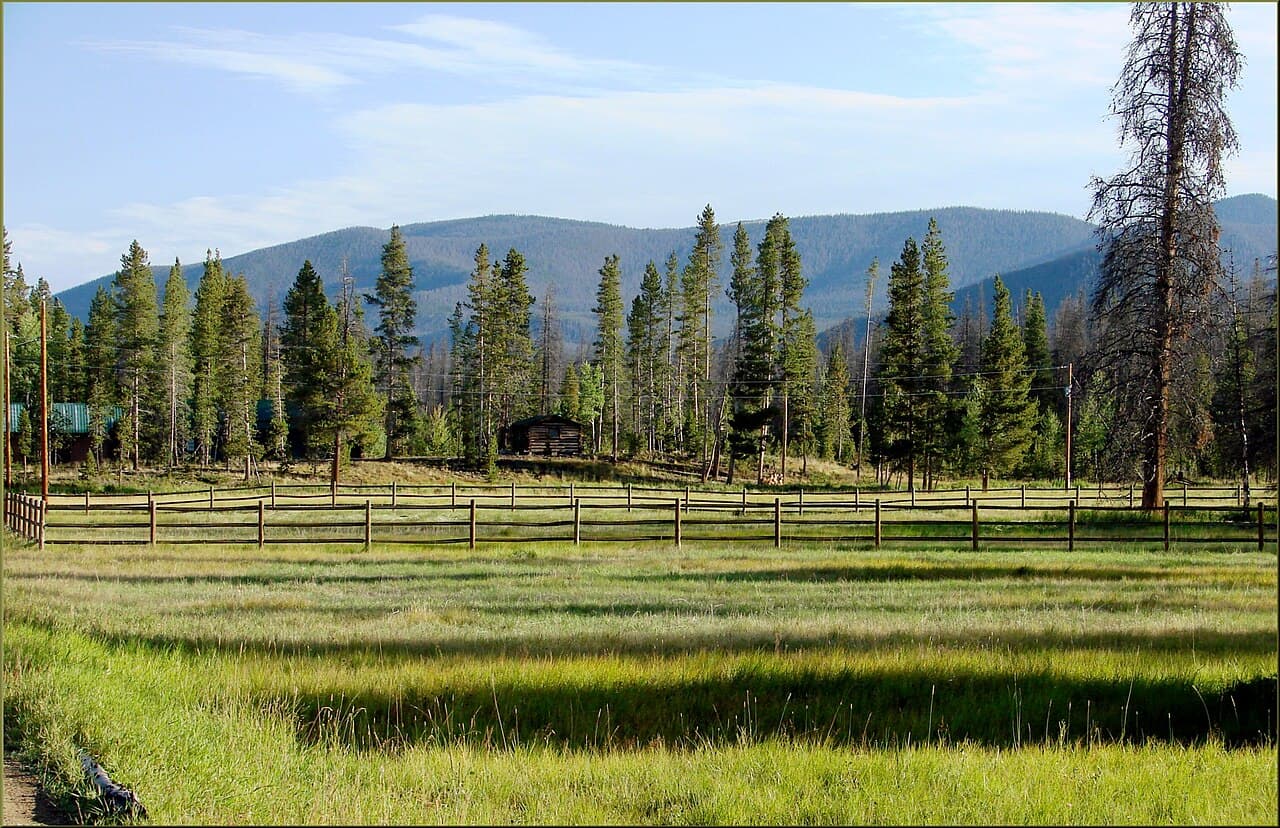
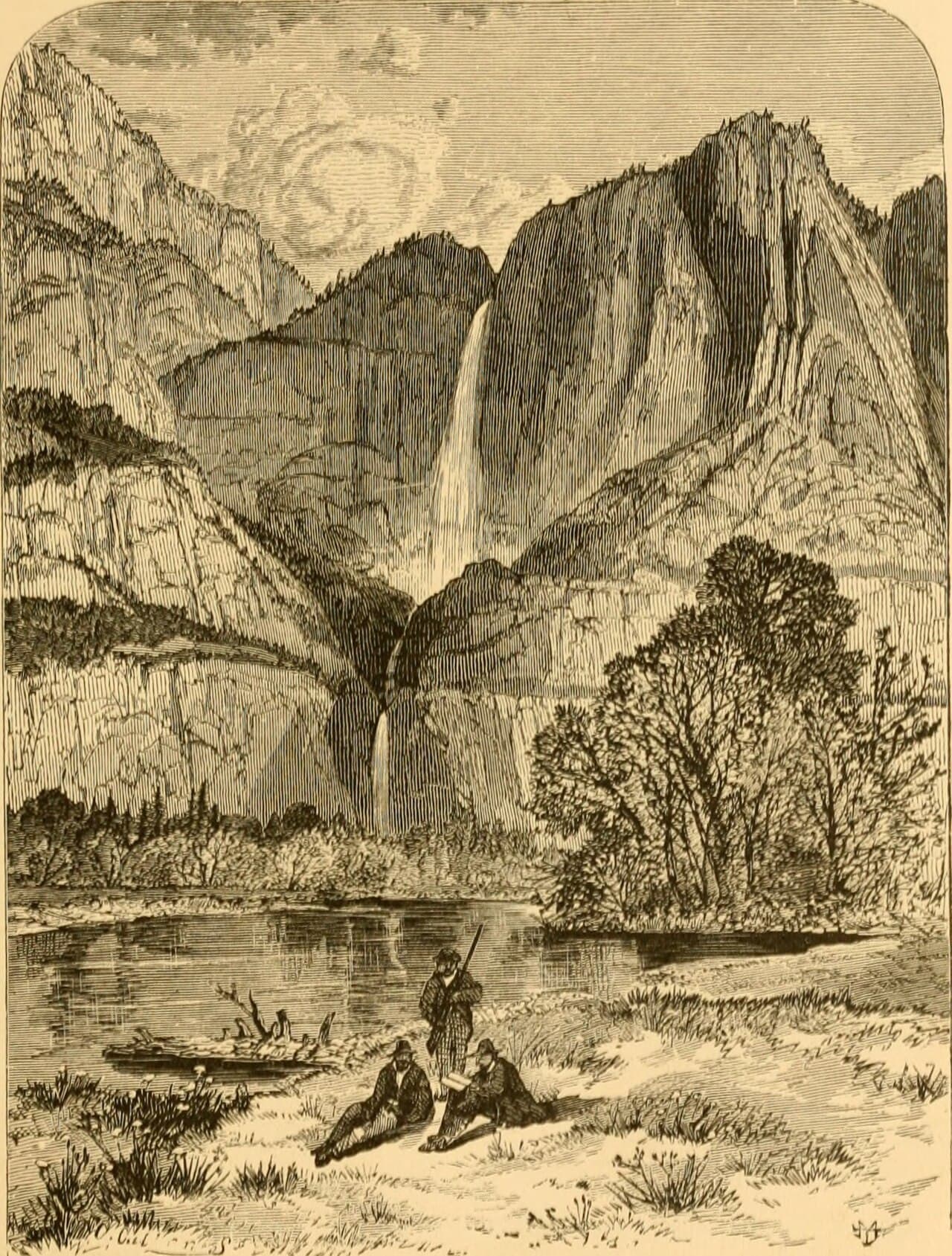
Arrive by 8am and the roar reaches you before the view does β€” 45,000 cubic feet of water a second dropping 212 feet into a canyon still cool with morning shadow. The main overlook is flat, paved, and lined with benches, making it easy to simply sit and let the mist drift over you without a single stair to climb. By mid-morning the parking lot fills and the hush gives way to a steady stream of visitors, so this early window is the quiet one.

Shoshone Falls (Niagara of the West)
Internet Archive Book Images / wikimedia (No restrictions)
Shoot from the main canyon-rim overlook in early morning light, when the basalt walls glow amber and the mist catches soft sun for a natural rainbow effect.
Fully wheelchair accessible with a flat paved path and frequent benches near the main overlook.
10 min drive β€” A short hop along the canyon rim road, with the gorge flashing into view through roadside gaps in the sage.
10:00 AM - 10:45 AM
Perrine Bridge (BASE jumping viewing) Β· midday Β· 45 min Β· Canyon Rim & Gorge Viewpoints

A short, scenic drive brings you to the bridge just as morning thermals are still favorable for jumpers, so there's a good chance of seeing a parachute bloom against the orange canyon walls. The north parking overlook offers an unobstructed, level view without needing to walk onto the bridge itself, ideal for a relaxed half hour of canyon-gazing and impromptu air show.

Perrine Bridge (BASE jumping viewing)
United States. Bureau of Land Management / wikimedia (Public domain)
Position at the north parking area overlook β€” late morning gives clean light on the canyon face and a good chance at catching a jumper mid-air.
The main overlook area near parking is level; the bridge walkway itself has uneven sections best avoided if mobility is a concern.
Optional detour: Snake River Canyon β€” After Perrine Bridge and before end of day
Offers additional rim pullouts and a broader sense of the canyon's scale if energy allows for one more easy stop. Skip if: The views overlap closely with Perrine Bridge and Shoshone Falls, so it can feel repetitive on a light arrival day.
If it rains: Light rain won't close Shoshone Falls β€” the mist and drizzle can actually enhance the drama and photography, though paths may be a bit slick, so wear sturdy shoes and take handrails slowly near the overlook.

The day begins gently, with the thunder of Shoshone Falls as the first real sensory jolt of the trip β€” cool spray on the skin, sage on the breeze, and a flat paved overlook that asks nothing of tired travel legs. Arriving early means near-solitude at one of the West's most photographed waterfalls, with benches to rest on and no rush to move along.

After lunch, the pace stays easy with a short drive to Perrine Bridge, where the mood shifts from waterfall roar to open-sky drama β€” watching parachutes catch the wind against sheer canyon walls. It's a low-effort, high-reward stop, perfect for settling into the rhythm of the region without overtaxing a first day.

With the afternoon heat easing, the evening is left open for a relaxed dinner in Twin Falls and an early wind-down β€” a gentle close to a day that traded ambition for atmosphere.

Canyon Depth & Engineering

Day 2: Water, Stone, and Sky

A slightly fuller day exploring the canyon's engineering history and dramatic rim views, with roughly 1.5 miles of easy, mostly flat walking.

Wear
Breathable layers, closed-toe walking shoes for uneven dam-area terrain, sun hat, and a light jacket for canyon wind.
Budget
$85-110 per person including lunch, dinner, and minor fees
8:00 AM - 9:30 AM
Snake River Canyon Β· morning Β· 90 min Β· Canyon Rim & Gorge Viewpoints

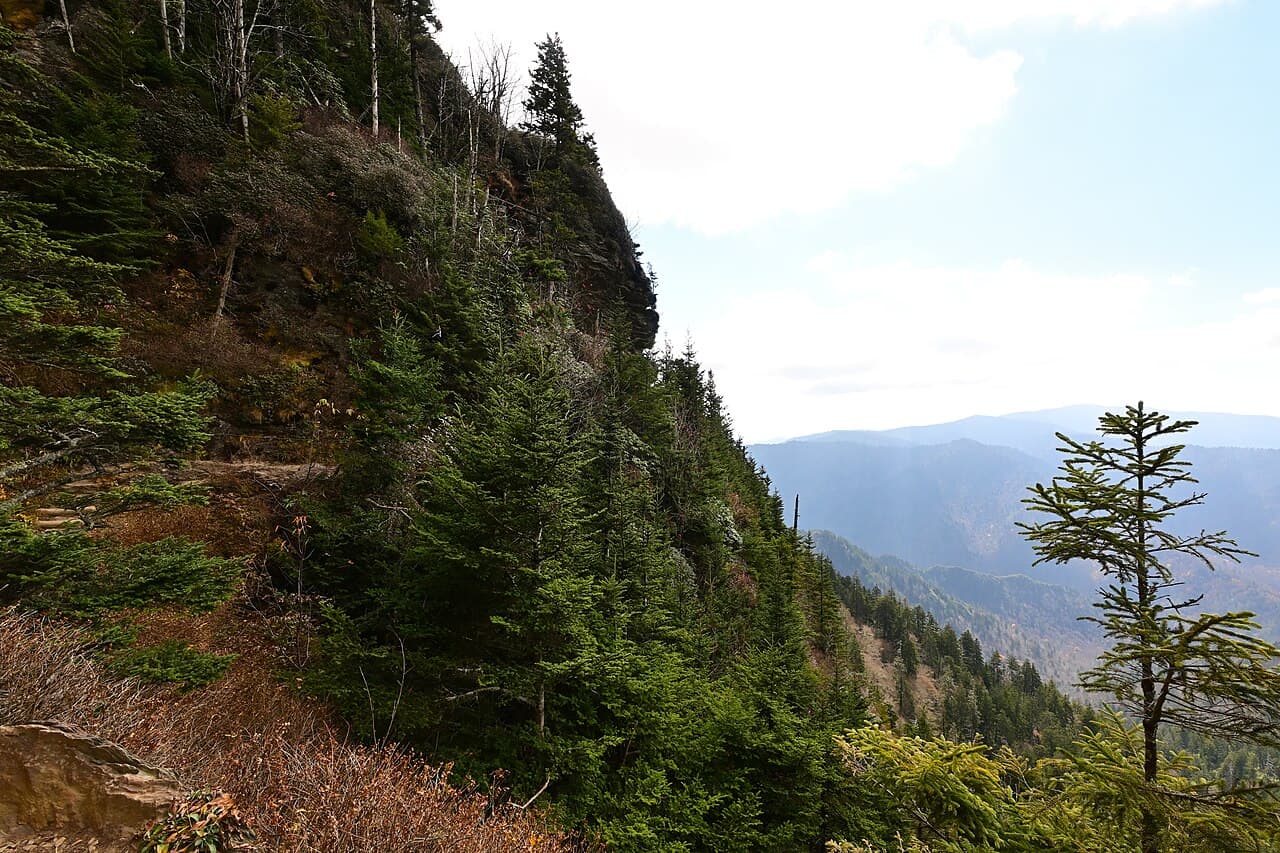
Morning light rakes low across the gorge, sharpening every ridge and shadow along the rim β€” a good hour to appreciate the sheer scale of the canyon before the day heats up. The rim pullouts are close to parking, offering wide views of the Snake River far below without demanding a long walk, though the ground near the edges is uneven, so sturdy shoes and unhurried steps are worthwhile.

Snake River Canyon
Bureau of Land Management / wikimedia (Public domain)
Photograph from the canyon rim pullouts in early morning, when long shadows add depth and definition to the gorge walls.
Paths near the pullouts are uneven and lack full paved access; benches are sparse, so plan rest stops accordingly.
25 min drive β€” A relaxed countryside drive past irrigated farmland, the canyon dropping in and out of view along the way.
10:30 AM - 11:45 AM
Milner Dam & Historic Hydroelectric Site Β· midday Β· 75 min Β· Canyon Rim & Gorge Viewpoints

The drive out to Milner Dam trades sweeping vistas for something more intimate β€” the hum of hydroelectric machinery underfoot and the rush of water through century-old penstocks. It's a quieter, more contemplative stop, well suited to a slower pace, with the stone dam face and powerhouse offering a tangible sense of the region's engineering history rather than another scenic overlook.

Milner Dam & Historic Hydroelectric Site
Photo by Brett Sayles on Pexels
Capture the dam crest looking downstream in late morning light, when shadows haven't yet flattened the stonework.
Terrain around the dam is uneven with limited benches; comfortable footwear and a slower pace are recommended.
Optional detour: Perrine Bridge (BASE jumping viewing) β€” After Snake River Canyon and before Milner Dam
A quick return visit here can catch different jumpers or lighting than day one, especially if skipped or rushed previously. Skip if: If already visited thoroughly on day one, this stop may feel redundant and better replaced with more time at Milner Dam.
If it rains: Canyon views remain dramatic in light rain β€” bring waterproof layers and move cautiously on wet rim surfaces; Milner Dam's outdoor areas are also manageable in drizzle, though heavy rain is best avoided by rescheduling.

The second morning leans into quiet grandeur β€” canyon rim pullouts where the Snake River threads far below, the air still cool and the light doing dramatic work on the rock. It's an unhurried hour of simply taking in scale, with no set path to follow beyond wherever the view calls.

The mood shifts at midday with a short countryside drive to Milner Dam, where the roar of water through century-old machinery replaces the wide-open vistas of the morning β€” a smaller, more textured story of the region's history. It's a fitting change of pace, trading grand scenery for grounded detail.

As the heat of the day fades, the evening opens up for a relaxed dinner back in town and a slow close to the trip β€” no rush, just canyon light fading into a wide Idaho sky.

Want to tweak this trip?

Our AI planner can customize this itinerary to your exact dates, interests, and travel style.

Customize This Itinerary
Good to Know

Restaurant details (hours, menus, availability) change frequently. Check current hours before visiting, especially in seasonal destinations.

Dietary compatibility tags are general guidance. If you have severe allergies, confirm directly with the restaurant.

Travel tips are general guidance, not professional safety advice. Check government advisories for latest information.

All prices are approximate and may vary seasonally.

We use cookies to improve your experience and analyze site usage. Essential cookies are always active. You can customize your preferences or accept all cookies. Cookie Policy