2 DaysSolo Traveler4 Stops

Twin Falls area, Idaho

2-Day Itinerary for Solo Traveler

β€œRim Light and River Thunder: Two Days Above the Snake River Canyon”
Rim Light and River Thunder: Two Days Above the Snake River Canyon

The Snake River Canyon doesn't announce itself gradually here β€” the desert flattens, sagebrush hums with heat, and then the earth simply opens. Two days is enough to stand at the rim in the cool hush of early morning, watch parachutes bloom against orange basalt, and trace the engineering that tamed this river without ever feeling rushed.

At a Glance

Climate & Weather
Summer in Twin Falls means warm to hot days (often 85–95Β°F) with intense sun and low humidity; mornings are cool and pleasant, so plan strenuous rim walks before 10am. Pack sunscreen, a wide-brimmed hat, a light long-sleeve for wind at the overlooks, and a reusable water bottle β€” the high desert dehydrates faster than it feels like it should.
Getting Around
A car is essential β€” distances between canyon-rim clusters are short by driving but impractical by foot given the heat and lack of sidewalks along canyon roads. Parking is free and plentiful at all major overlooks.
Budget
Budget roughly $60–90/day for a solo traveler covering meals, coffee, and incidental costs; most attractions in this itinerary are free or low-cost to visit.
Safety
Solo travelers should stick to marked overlooks, especially at Perrine Bridge and canyon rim pullouts where gusts can be sudden and rocks slick even when dry. Tell someone your rough plan for the day, keep your phone charged, and watch trail edges near midday when there's little shade and fewer people around; rattlesnakes are an occasional but real presence on warm-weather trails, so stay on cleared paths.
Connectivity
Cell coverage is reliable throughout the Twin Falls area, including at canyon overlooks; downtown has coffee shops with WiFi if you need to work or upload photos.
Local Tips
Arrive at Shoshone Falls and Perrine Bridge before 8am in summer β€” by mid-morning both fill with tour buses and the heat becomes taxing; BASE jumpers favor early morning and late afternoon thermals, so time your bridge visit accordingly, and note that some canyon-rim pullouts have zero shade, so bring your own water rather than counting on nearby vendors.

Highlights

  • Sunrise mist rising off Shoshone Falls before the crowds arrive
  • Watching BASE jumpers launch from Perrine Bridge into open air
  • Golden-hour photography along the Snake River Canyon rim
  • Solo-friendly pacing with plenty of breathing room for photos
  • A quiet history lesson at Milner Dam's stone powerhouse
  • High-desert light that turns canyon walls amber by late afternoon

Day-by-Day Plan

Arrival & Orientation

Day 1: First Light on the Rim

A gentle first day focused on the canyon's biggest visual payoff β€” roughly 2 miles of easy walking, low-to-moderate energy, built around early starts and long photo breaks.

Wear
Light breathable layers, closed-toe walking shoes for uneven overlook terrain, a hat and sunglasses, and a packable windbreaker for bridge gusts.
Budget
$45–65 (breakfast, lunch, minor incidentals β€” most stops today are free)
7:30 AM - 9:30 AM
Shoshone Falls (Niagara of the West) Β· morning Β· 120 min Β· Canyon Rim & Gorge Viewpoints

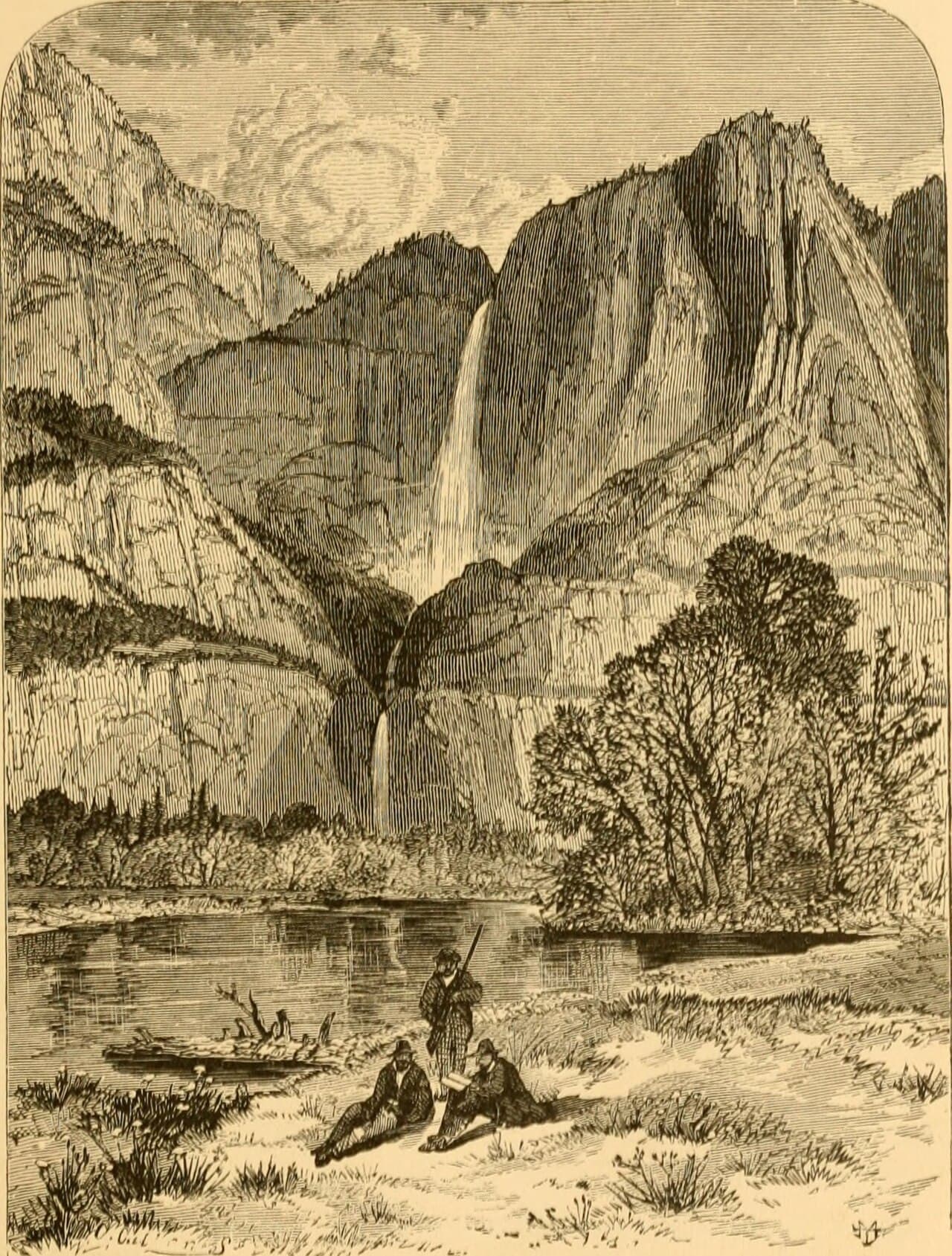
Arrive by 7:30am and the falls are nearly yours alone β€” the roar of 45,000 cubic feet of water per second fills your chest before you even reach the rim, and cool mist drifts up to meet the early sun. By 9am, tour buses arrive and the main overlook fills in fast, so this window is precious for anyone traveling solo who wants a moment of undisturbed awe. Walk the east-side trail for an intimate angle against the sheer basalt walls, still shadowed and cool at this hour.

Shoshone Falls (Niagara of the West)
Internet Archive Book Images / wikimedia (No restrictions)
Shoot from the main canyon-rim overlook around 8am when low sun catches the spray and lights the basalt walls amber; the base viewpoint near the river gives a dramatic water-level shot if you have time and sturdy shoes.
Main overlook is wheelchair accessible with flat paths and frequent benches; the east-side trail and base viewpoint involve uneven terrain.
10 min drive β€” A short hop along the rim road, windows down, the falls' roar fading behind you as canyon views open up on both sides.
10:00 AM - 11:30 AM
Snake River Canyon Β· midday Β· 90 min Β· Canyon Rim & Gorge Viewpoints

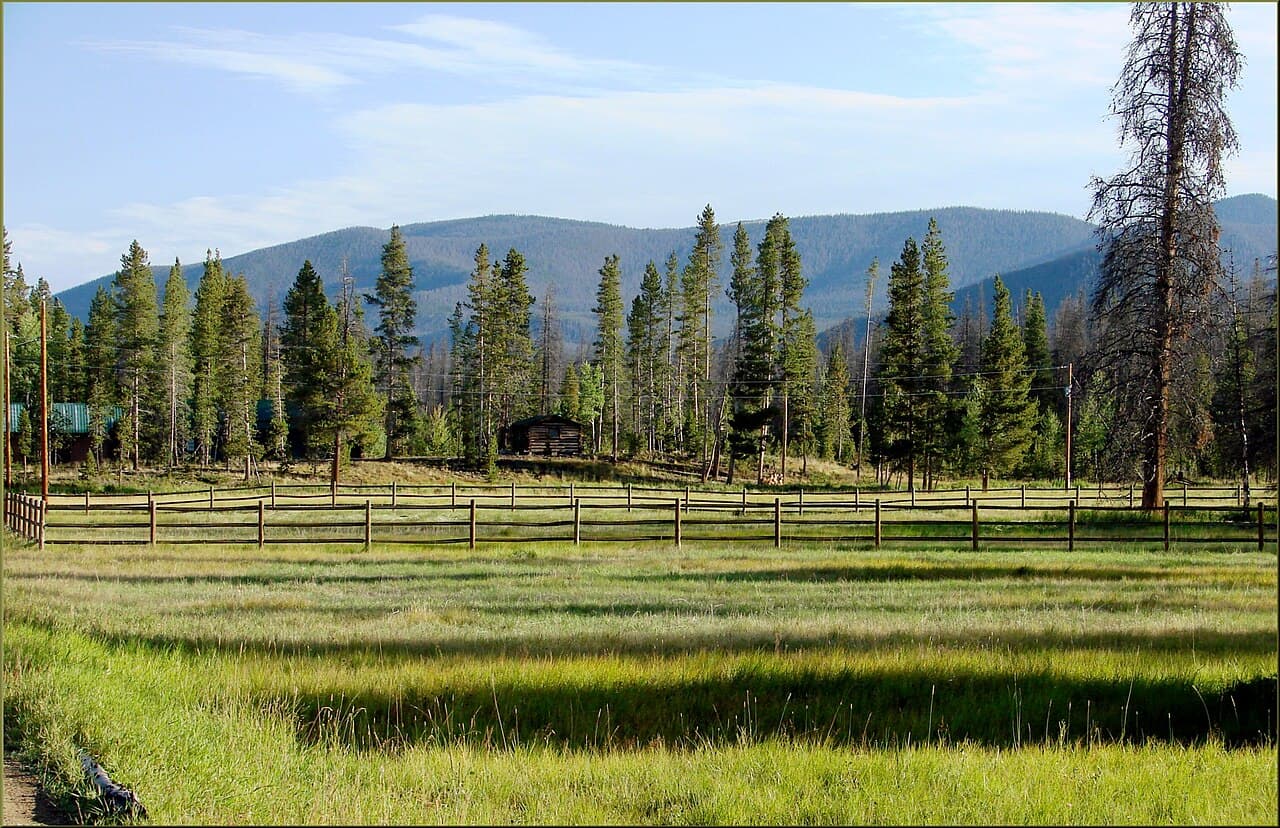
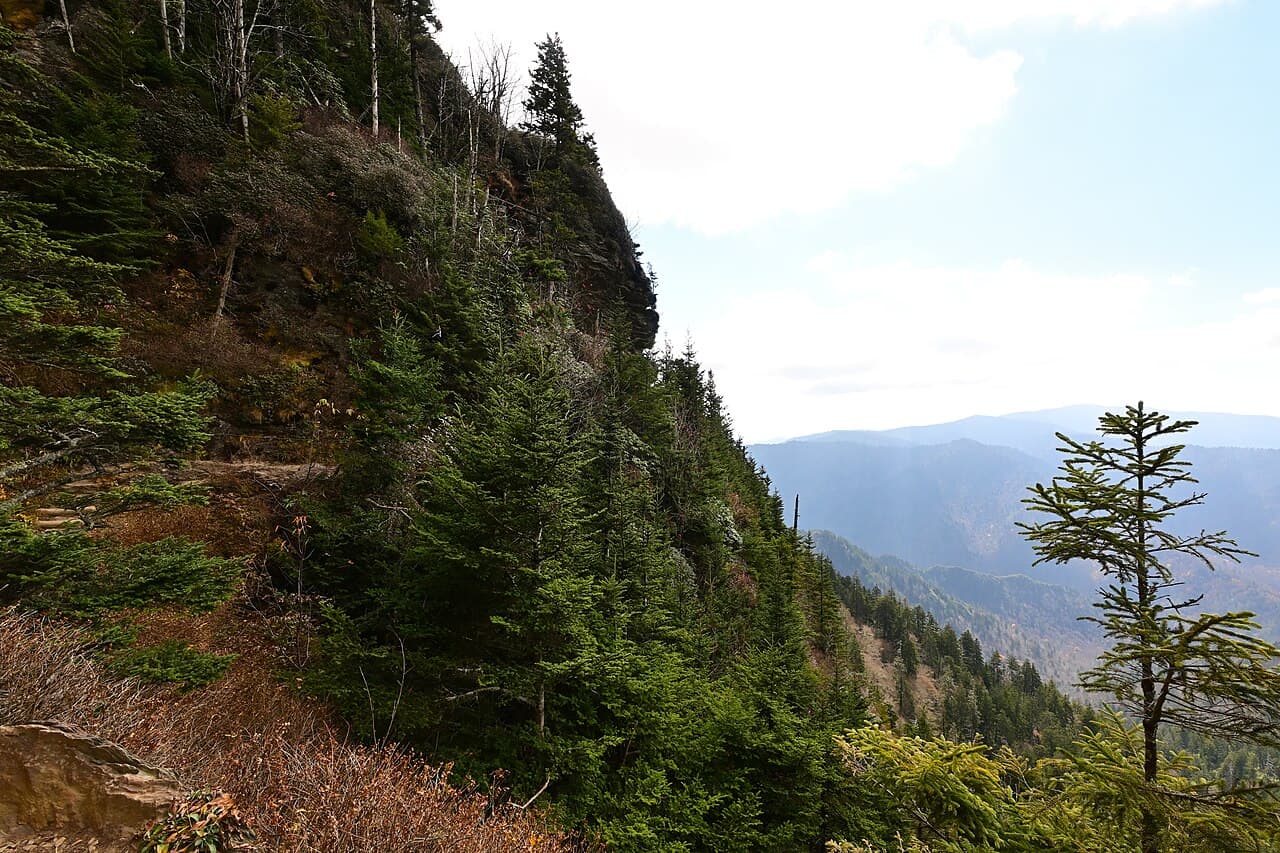
The rim drive between pullouts feels like driving along the edge of a held breath β€” sagebrush stretching flat to the horizon on one side, a sudden void on the other. Stop at a canyon rim pullout and just sit with the scale of it: the Snake River is a silver thread far below, and the wind carries a faint mineral smell up from the gorge. This is a good stretch for quiet reflection or a conversation with a fellow traveler doing the same thing at the overlook.

Snake River Canyon
Bureau of Land Management / wikimedia (Public domain)
Midday light is harsh here, but the depth of the canyon still reads dramatically β€” try a wide shot from a rim pullout to capture scale over color.
Uneven, unpaved terrain at most pullouts; sturdy footwear recommended, benches are sparse.
Optional detour: Milner Dam & Historic Hydroelectric Site β€” After Snake River Canyon and before dinner
A quieter, history-forward stop where the hum of hydroelectric power beneath your feet offers a different kind of canyon story than the falls or bridge. Skip if: If you're already feeling the midday heat, this stop is far enough out that it's easily left for day two or skipped entirely without losing the trip's core experience.
If it rains: Light rain won't close Shoshone Falls β€” in fact, drizzle enhances the mist and can make for striking, moodier photography; just wear waterproof footwear since paths get slick.

The day begins in cool, hushed light at Shoshone Falls, where arriving before the crowds means you get the full sensory hit β€” thunderous water, rising mist, amber-lit basalt β€” almost entirely to yourself. It's a gentle but awe-filled start, ideal for settling into the trip's rhythm without rushing.

After the falls, the pace eases further along the Snake River Canyon rim, where short drives between pullouts replace long walks and the scenery does most of the work. This is a good stretch to slow down, snap wide shots of the gorge, and simply take in the scale of the landscape before the day's heat builds.

With no specific dining data available near today's stops, plan your evening meal in town rather than at the trailheads β€” downtown Twin Falls offers a relaxed setting to unwind, and its early-closing rhythm (most places shut by 9–10pm) means an early dinner followed by a quiet night is the natural close to day one.

Adrenaline & Engineering

Day 2: Bridges, Jumpers, and Stone

A slightly more active day covering roughly 2.5 miles of walking across two distinct canyon-rim experiences, from bridge-top thrills to the quiet history of Milner Dam.

Wear
Breathable clothing with a light layer for bridge winds, sun protection, and shoes with good grip for uneven dam-site terrain.
Budget
$50–70 (breakfast, lunch, and modest incidentals)
7:30 AM - 8:45 AM
Perrine Bridge (BASE jumping viewing) Β· morning Β· 75 min Β· Canyon Rim & Gorge Viewpoints

Early morning is prime jumping time, when thermals are calm enough for BASE jumpers to launch β€” arrive by 7:30am and you might catch several leaps before the wind picks up and the crowds thicken. The wind channels hard through the canyon here, carrying the smell of sagebrush and warm stone, and there's a genuine thrill in watching a parachute snap open against the orange-red rock face. It's an easy spot to strike up conversation with fellow spectators, since everyone's watching the same jumpers with the same held breath.

Perrine Bridge (BASE jumping viewing)
United States. Bureau of Land Management / wikimedia (Public domain)
Shoot from the north parking area overlook for unobstructed views of jumpers against the canyon, or catch the east approach in late afternoon for backlit parachute silhouettes if you return later.
Uneven terrain around the bridge approaches; not wheelchair accessible, and benches are sparse, so plan standing time accordingly.
25 min drive β€” A stretch of open highway with canyon glimpses on the horizon β€” a good moment to roll the windows down and let the drive itself be part of the morning.
9:30 AM - 10:45 AM
Milner Dam & Historic Hydroelectric Site Β· midday Β· 75 min Β· Canyon Rim & Gorge Viewpoints

The mood shifts from adrenaline to quiet engineering wonder here β€” the roar underfoot is mechanical now, water rushing through century-old penstocks, and the stone powerhouse feels like a monument dropped into raw canyon country. It's a good midday stop for a solo traveler who wants a slower, more contemplative hour after the bridge's energy, with fewer crowds and plenty of space to wander at your own pace.

Milner Dam & Historic Hydroelectric Site
Photo by Brett Sayles on Pexels
Photograph from the dam crest in late-morning light for a clean view downstream into the gorge, or frame the powerhouse from the northeast against the canyon walls.
Uneven, unpaved ground around the dam site; sturdy shoes recommended, minimal seating available.
Optional detour: Shoshone Falls (Niagara of the West) β€” After Milner Dam and before evening wind-down
If you skipped the late-afternoon light on day one, a second visit near golden hour offers a completely different mood β€” warmer tones and a quieter crowd as day-trippers head home. Skip if: If your legs and camera roll are already full from the falls' morning visit, this repeat stop can be skipped in favor of resting before dinner.
If it rains: If skies turn wet, BASE jumping activity at Perrine Bridge will likely pause since jumpers avoid low visibility β€” redirect instead to Shoshone Falls, where rain intensifies the mist and makes for moody, dramatic photography.

The day opens with wind and spectacle at Perrine Bridge, where early risers catch BASE jumpers launching into the canyon void β€” a shared, communal thrill that makes it easy to chat with other early spectators before the heat and crowds arrive.

The energy settles into something quieter and more historical at Milner Dam, where the roar of falling water becomes the hum of hydroelectric machinery, and the canyon's story shifts from raw geology to human ingenuity. It's a natural counterbalance to the morning's adrenaline.

With no specific dining data available for today's stops, treat dinner as an open evening in town β€” Twin Falls' early-closing rhythm rewards an unhurried, early meal followed by a calm close to the trip, leaving you with canyon light still fresh in memory.

Want to tweak this trip?

Our AI planner can customize this itinerary to your exact dates, interests, and travel style.

Customize This Itinerary
Good to Know

Restaurant details (hours, menus, availability) change frequently. Check current hours before visiting, especially in seasonal destinations.

Dietary compatibility tags are general guidance. If you have severe allergies, confirm directly with the restaurant.

Travel tips are general guidance, not professional safety advice. Check government advisories for latest information.

All prices are approximate and may vary seasonally.

We use cookies to improve your experience and analyze site usage. Essential cookies are always active. You can customize your preferences or accept all cookies. Cookie Policy